
The automotive industry has witnessed countless milestones, but few have reshaped its trajectory as profoundly as the introduction of the Tesla Model S. More than just a new car, it represented a paradigm shift – a bold declaration that electric vehicles could be not only practical but also luxurious, high-performing, and technologically superior. For many, the Model S wasn’t just a car; it was the embodiment of a future promised by science fiction, now materialized on asphalt. Its debut marked a pivotal moment in the transition from fossil fuels to sustainable transportation, and understanding when this seminal vehicle first emerged helps contextualize its monumental impact on technology, manufacturing, and consumer expectations.
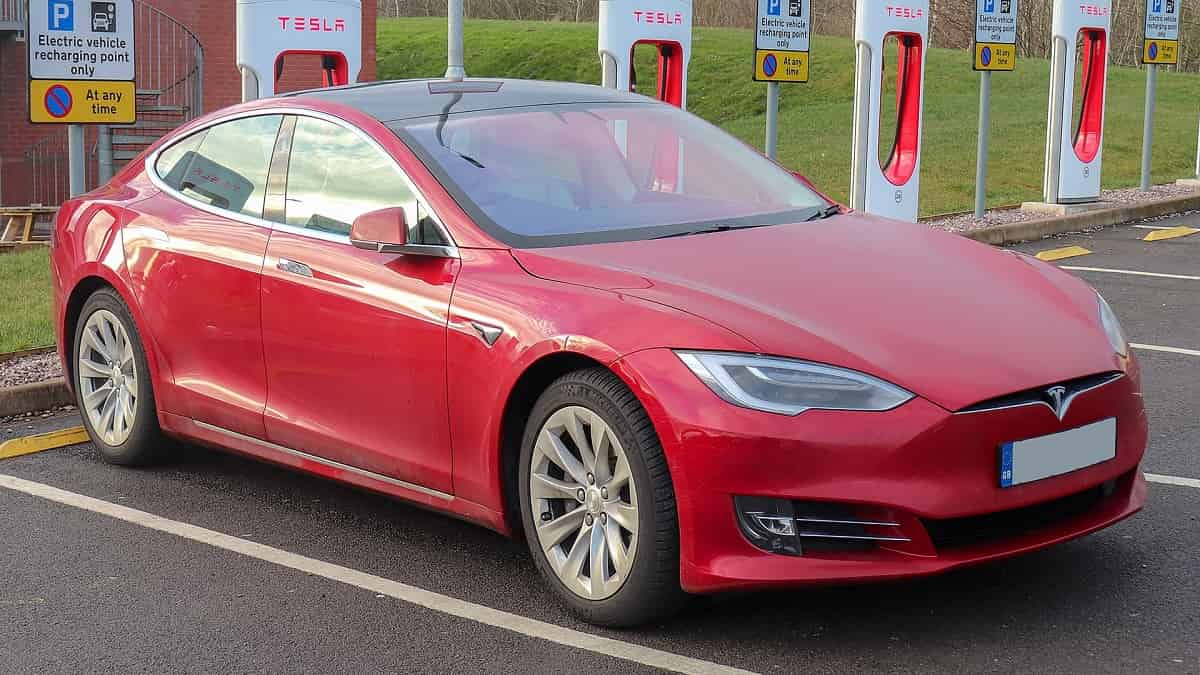
The journey to the Model S’s public release was a culmination of years of audacious vision, relentless engineering, and a fervent belief in the potential of electric power. It wasn’t merely about creating an electric car; it was about reimagining the automobile from the ground up, leveraging software, battery technology, and a direct-to-consumer model to create an experience unlike any other. This article delves into the precise timing of its arrival, exploring the technological innovations it brought forth, its evolutionary path, and its enduring legacy within the broader technological landscape.
The Dawn of a New Automotive Era: The Model S’s Grand Entrance
The concept of a mass-market, luxury electric sedan was audacious in the late 2000s, a period when electric vehicles were largely seen as niche, underpowered, or range-limited curiosities. Tesla, a relatively young company founded in 2003, had already made waves with its Roadster, demonstrating that electric cars could be fast and desirable. However, the Model S was designed to be something far grander: a mainstream challenger to the titans of the automotive world, offering luxury, space, and performance without compromise.
Conception and Vision: Paving the Way for Electric Luxury
The Model S project began in earnest around 2007, shortly after Tesla delivered its first Roadster. The vision, spearheaded by Elon Musk and Tesla’s engineering team, was to create an electric car that didn’t just compete with gasoline-powered luxury sedans like the BMW 5 Series or Mercedes-Benz E-Class but decisively surpassed them in key areas. This required a ground-up design, eschewing conventional automotive architectures to maximize battery space, optimize aerodynamics, and integrate advanced electronics. From the outset, the Model S was conceived as a “software on wheels,” a vehicle that would evolve and improve over time through over-the-air (OTA) updates, a concept revolutionary for the automotive industry. The design brief focused on sleek aesthetics, exceptional performance, and a practical range that would alleviate “range anxiety,” the primary psychological barrier to EV adoption at the time.
The Official Unveiling: A Momentous Day for EVs
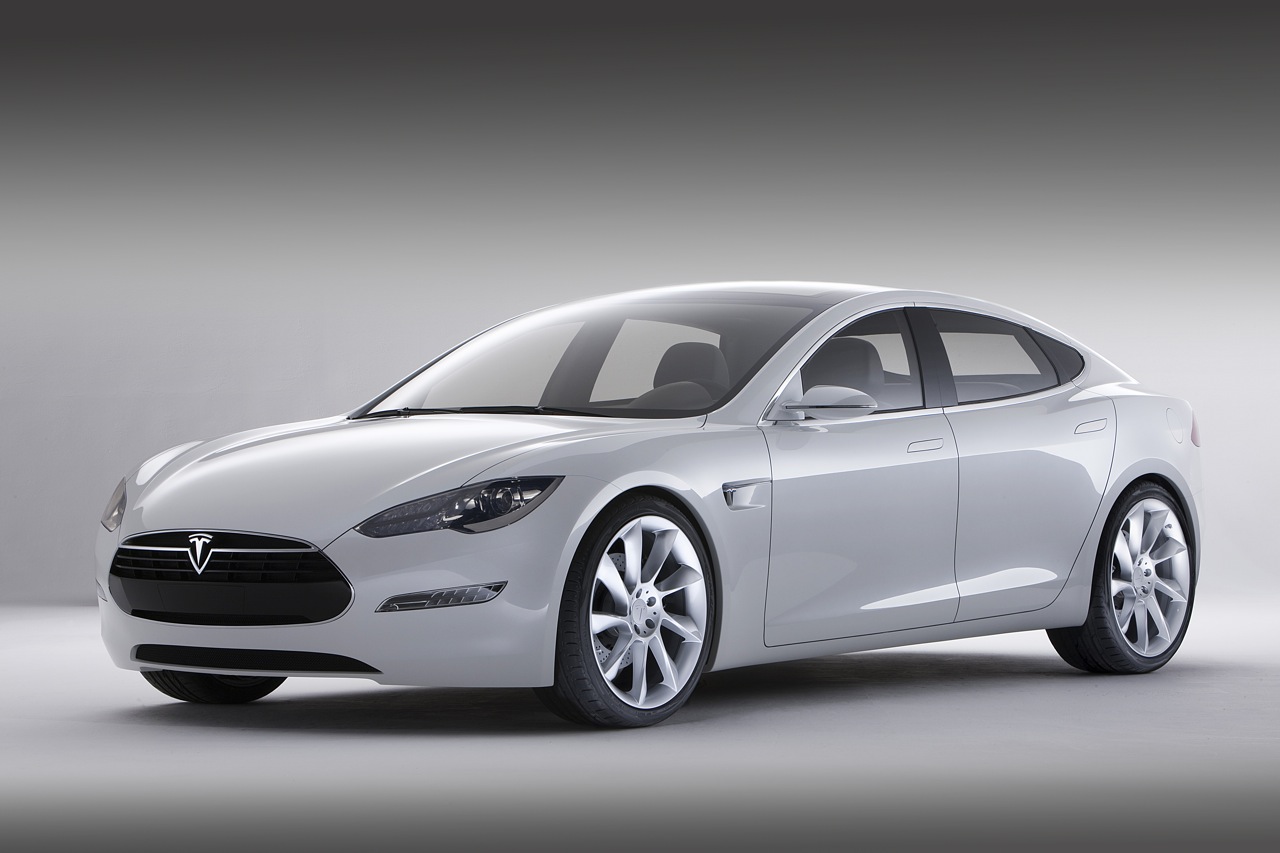
The Tesla Model S was officially unveiled to the public on March 26, 2009, at an event held at the company’s design studio in Hawthorne, California. This initial unveiling was a prototype reveal, showcasing the design direction and key specifications. While not yet in production form, the sleek fastback sedan, with its expansive panoramic roof and minimalist interior dominated by a large touchscreen, immediately captured global attention. Reservations for the car began on the same day, requiring a deposit from eager customers willing to bet on Tesla’s ambitious promise.
However, the actual first customer deliveries of the Tesla Model S began on June 22, 2012. This date marks its true market debut, when the first production vehicles rolled off the assembly line at Tesla’s Fremont factory (formerly NUMMI) and into the hands of waiting buyers. The gap between the 2009 unveiling and the 2012 delivery date reflects the immense engineering, manufacturing, and regulatory hurdles involved in bringing such a complex and innovative product to market. This period was crucial for refining the design, developing the manufacturing processes, and ensuring the car met its ambitious performance and range targets.
Initial Reception and Market Impact
Upon its debut, the Model S was met with widespread acclaim from automotive journalists, tech enthusiasts, and early adopters. Reviewers praised its instant torque, quiet operation, impressive range (initially rated up to 265 miles for the 85 kWh model), and particularly its cutting-edge interior with the massive 17-inch touchscreen. It quickly garnered numerous prestigious awards, including MotorTrend’s Car of the Year in 2013, becoming the first electric car to do so. This early success was critical, demonstrating that electric vehicles could be compelling alternatives, not just eco-friendly compromises. The Model S shattered preconceived notions about EVs, establishing a new benchmark for performance, technology integration, and desirability that traditional automakers scrambled to match. Its arrival fundamentally altered the trajectory of the automotive industry, signaling a decisive shift towards electric propulsion and software-driven innovation.
Technical Innovation: What Made the Model S Revolutionary?
The Model S wasn’t just an electric car; it was a technological marvel that redefined what an automobile could be. Its innovative architecture and pioneering features set new standards, forcing established automakers to rethink their development strategies.
Battery Technology and Range Anxiety Solutions
At the heart of the Model S’s innovation was its advanced battery pack. Unlike most early EVs that used custom-designed large format cells, Tesla famously opted for thousands of smaller, off-the-shelf lithium-ion cells (similar to those used in laptops), arranged in a large, flat pack beneath the floor of the car. This design choice allowed for greater energy density, better thermal management, and a lower center of gravity, significantly improving both range and handling. The initial 85 kWh battery offered a game-changing 265 miles of EPA-rated range, a figure that dramatically eased “range anxiety” for many potential EV buyers and made long-distance electric travel a practical reality. Tesla’s integrated approach to battery management, cooling, and safety was crucial to this success, extending battery life and optimizing performance.
Software-Defined Vehicle Architecture
Perhaps the most disruptive aspect of the Model S was its “software-defined” nature. Where traditional cars were a collection of disparate hardware components controlled by isolated electronic control units (ECUs), the Model S was designed as a unified system, heavily reliant on its central software platform. The 17-inch touchscreen wasn’t just a display; it was the command center for nearly all vehicle functions, from climate control and navigation to vehicle settings and entertainment. This integrated software approach allowed for unprecedented levels of customization and, more importantly, enabled over-the-air (OTA) updates. These updates, akin to smartphone software updates, could introduce new features, improve existing ones, fix bugs, and even enhance performance, all without a trip to the service center. This concept was revolutionary, transforming a static piece of machinery into an evolving, improving product.
Performance and Driving Dynamics Redefined
Beyond its technological underpinnings, the Model S delivered exhilarating performance. Electric motors offer instant torque from zero RPM, and Tesla leveraged this characteristic to create a car that was surprisingly quick. Early performance models could accelerate from 0-60 mph in under 4 seconds, rivaling high-end sports cars. This was achieved silently and smoothly, offering a driving experience that was both thrilling and refined. The low-slung battery pack contributed to an exceptionally low center of gravity, giving the large sedan surprisingly agile handling. This combination of brutal acceleration, quiet operation, and refined dynamics was a revelation, demonstrating that EVs could surpass their gasoline counterparts in sheer driving pleasure.
Autopilot and Advanced Driver-Assistance Systems (ADAS)
Starting in late 2014, Tesla began equipping the Model S with hardware for its advanced driver-assistance system, Autopilot. This included cameras, radar, and ultrasonic sensors, laying the groundwork for semi-autonomous driving capabilities. While full autonomy was (and still is) a long-term goal, Autopilot’s introduction of features like traffic-aware cruise control, lane keeping, and automatic lane changes represented a significant leap forward in ADAS technology. Tesla’s approach to continually improving Autopilot through OTA software updates, using real-world driving data to refine its algorithms, set it apart from other automotive safety systems. This put the Model S at the forefront of the autonomous driving revolution, showcasing the potential for vehicles to become increasingly intelligent and safer through sophisticated software and sensor integration.
Evolution and Iteration: Staying Ahead of the Curve
Tesla’s philosophy of continuous improvement, heavily reliant on software and modular hardware, allowed the Model S to evolve significantly even years after its initial launch. Unlike traditional car models that might see a facelift every few years, the Model S benefited from constant refinement.
Continuous Software Updates: The Over-the-Air Advantage
The most visible aspect of the Model S’s evolution has been its relentless stream of over-the-air software updates. These updates have introduced major new features, from “Summon” (allowing the car to move autonomously in tight spaces) and “Dog Mode” (maintaining cabin temperature for pets) to significant improvements in range estimation, battery management, and infotainment functionalities. Each update could enhance user experience, improve safety features, or even unlock additional performance, ensuring that even early Model S owners benefited from ongoing technological advancements without needing to buy a new car. This continuous improvement model has become a defining characteristic of Tesla vehicles and a benchmark for the wider auto industry.
Hardware Revisions and Performance Upgrades
While software updates were constant, the Model S also underwent significant hardware revisions. These included:
- Dual Motor All-Wheel Drive (D) models: Introduced in October 2014, these significantly improved traction and performance, especially the P85D, which brought “Insane Mode” acceleration.
- “Ludicrous Mode”: Introduced in 2015, this pushed acceleration even further, allowing the car to achieve 0-60 mph times in the sub-3-second range.
- Battery Pack Upgrades: Over the years, Tesla introduced larger battery packs (e.g., 90 kWh, 100 kWh), significantly extending the vehicle’s range.
- Facelift (2016): A more traditional cosmetic update brought a revised front fascia that aligned with the Model X and Model 3, eliminating the “nose cone” in favor of a cleaner, grille-less design.
- Raven Powertrain (2019): This update introduced an adaptive air suspension system and improved drive unit efficiency, boosting range and comfort.
- Plaid Powertrain (2021): The most radical performance upgrade, the “Plaid” variant introduced a tri-motor setup, achieving unprecedented acceleration (0-60 mph in under 2 seconds) and a top speed exceeding 200 mph, once again redefining what an electric sedan was capable of.
Design Refinements and Interior Modernization
Beyond performance, the Model S also saw interior and exterior design refinements. Early models had a somewhat spartan interior, but later iterations introduced more premium materials, improved seating, and enhanced noise insulation. The 2021 refresh brought a completely redesigned interior, featuring a horizontal central screen (similar to the Model 3/Y), a new screen for rear passengers, and a yoke steering wheel option, demonstrating Tesla’s commitment to keeping the Model S feeling fresh and ultra-modern in an increasingly competitive luxury EV market. These updates, both subtle and significant, ensured the Model S remained a technologically leading and desirable product.
The Model S’s Lasting Legacy in the Tech Landscape
The Model S wasn’t just a car; it was a catalyst, a proof-of-concept that fundamentally altered perceptions and accelerated technological development across multiple industries. Its influence extends far beyond the automotive sector, touching on energy, software, and manufacturing.
Shifting Automotive Industry Paradigms
Before the Model S, electric vehicles were largely relegated to niche markets, often seen as glorified golf carts or short-range city cars. The Model S shattered this stereotype. It proved that EVs could be aspirational, high-performing, and technologically superior to their internal combustion engine (ICE) counterparts. This forced traditional automakers, who had largely dismissed EVs, to take them seriously. Companies like Porsche, Mercedes-Benz, BMW, and Audi subsequently invested billions into developing their own luxury electric platforms and models, directly in response to the competitive threat posed by Tesla and the Model S. The Model S single-handedly moved the goalposts for what consumers expected from a premium vehicle, pushing the entire industry towards electrification and digital integration.
Accelerating EV Adoption and Infrastructure Development
The Model S played a crucial role in accelerating mainstream EV adoption. Its impressive range, coupled with Tesla’s proprietary Supercharger network, made long-distance electric travel viable and convenient for the first time. The Supercharger network, a critical piece of infrastructure, was built in parallel with the Model S’s expansion, addressing another major barrier to EV ownership. By creating a compelling product and providing the necessary charging ecosystem, Tesla reduced the perceived risk of owning an EV, encouraging more consumers to make the switch. This in turn spurred governments and other companies to invest more in public charging infrastructure, creating a positive feedback loop for EV growth.
Setting the Bar for Luxury Electric Vehicles
The Model S established the blueprint for what a luxury electric vehicle should be: a seamless blend of performance, cutting-edge technology, spaciousness, and sophisticated design. Its minimalist yet functional interior, dominated by the large touchscreen, became an inspiration for countless subsequent EV designs. The concept of a vehicle that improves over time through software updates, rather than depreciating immediately, redefined consumer expectations for vehicle ownership. It demonstrated that electrification could unlock new possibilities for vehicle architecture, user experience, and even business models, setting a high standard that continues to challenge and inspire competitors in the rapidly expanding luxury EV segment.
Looking Ahead: The Future of High-Performance EVs
The legacy of the Model S continues to shape the trajectory of electric vehicle technology. As the automotive industry sprints towards full electrification, the lessons learned and benchmarks set by the Model S remain incredibly relevant.
The Continuing Push for Range and Efficiency
While the Model S made significant strides in range, the pursuit of greater efficiency and longer range continues unabated. Future high-performance EVs will likely feature even more advanced battery chemistries (e.g., solid-state batteries), more efficient electric motors, and sophisticated aerodynamic designs. Thermal management systems will become even more critical to ensure optimal battery performance and longevity, especially in extreme performance variants. The goal remains to achieve ranges comparable to or exceeding gasoline vehicles, eliminating range anxiety entirely and making EVs the undisputed choice for all types of travel.
Advancements in Autonomous Driving
The Model S’s pioneering Autopilot system laid the groundwork for increasingly sophisticated autonomous driving capabilities. The future will see more robust sensor suites (including lidar), more powerful on-board computing, and highly advanced AI algorithms. The shift will be towards truly unsupervised driving, moving from driver-assistance to fully autonomous operation in a wider range of conditions. Ethical considerations, regulatory frameworks, and public acceptance will play critical roles, but the technological progression initiated by vehicles like the Model S will continue to push the boundaries of what’s possible in self-driving cars.

Material Science and Manufacturing Innovations
The production of the Model S challenged traditional manufacturing methods, particularly with its large cast parts and battery integration. The future of high-performance EVs will involve even greater innovation in material science, with lighter, stronger, and more sustainable materials becoming standard. Advancements in manufacturing processes, such as gigacasting and highly automated assembly lines, will reduce production costs, increase efficiency, and enable faster iteration of vehicle designs. Furthermore, the integration of advanced sensors and processors directly into vehicle structures could lead to truly “smart” materials, capable of monitoring their own integrity and performance.
In conclusion, the Tesla Model S, launched with its first customer deliveries in June 2012, was far more than just another car. It was a technological declaration, a blueprint for the future of personal transportation, and a potent force that irrevocably altered the landscape of the global automotive industry. Its innovations in battery technology, software-defined architecture, performance, and advanced driver-assistance systems not only set new benchmarks but also inspired an entire industry to accelerate its transition towards an electric, intelligent, and sustainable future. Its legacy is etched into the very fabric of modern automotive technology, continuing to drive progress and redefine what we expect from our vehicles.
aViewFromTheCave is a participant in the Amazon Services LLC Associates Program, an affiliate advertising program designed to provide a means for sites to earn advertising fees by advertising and linking to Amazon.com. Amazon, the Amazon logo, AmazonSupply, and the AmazonSupply logo are trademarks of Amazon.com, Inc. or its affiliates. As an Amazon Associate we earn affiliate commissions from qualifying purchases.