
The Genesis of a Seasonal Phenomenon
Spirit Halloween, the ubiquitous pop-up retail giant that has become synonymous with the annual Halloween season, traces its origins back further than many might assume. The brand, recognized globally for its vibrant orange signage and temporary storefronts that magically appear in vacant retail spaces each autumn, first opened its doors in 1983. This early establishment marked the inception of a brand that would later redefine seasonal retail, transforming the way consumers prepare for one of the most celebrated holidays. Its founding was not a grand corporate launch but rather a focused entrepreneurial endeavor, identifying a nascent yet significant market need for dedicated Halloween merchandise.

Origins and Early Business Model
The initial concept for Spirit Halloween emerged from an unlikely source: a retail store in San Francisco, California, called Spirit Women’s Costumes. Joe Marver, the visionary behind the brand, operated this small chain of costume stores. While initially focused on year-round costume sales, Marver astutely observed a massive surge in demand specifically during the Halloween period. This seasonal peak presented both a challenge and an opportunity. Rather than scaling up his permanent operations drastically for just a few weeks each year, Marver conceived of a more agile and cost-effective approach: the temporary, dedicated Halloween store.
The first official Spirit Halloween store, distinct from its parent, debuted in a vacant space within a shopping mall in the San Francisco Bay Area. This strategic decision to leverage unoccupied commercial real estate proved to be a stroke of genius, laying the groundwork for the brand’s future expansion model. The early business model was lean and adaptable, allowing for quick setup and teardown, minimizing long-term overheads while maximizing sales during the short, intense Halloween shopping window. This pioneering approach was not merely about selling costumes; it was about creating a concentrated, immersive shopping experience specifically tailored to the holiday, a concept that was largely absent from the retail landscape at the time.
The Entrepreneurial Spirit
Joe Marver’s foresight in establishing Spirit Halloween stemmed from a keen understanding of consumer behavior and market gaps. Before Spirit Halloween, Halloween costume and decoration shopping was a fragmented experience, often relegated to small sections within general merchandise stores, party supply shops, or independent costume retailers. There was no single destination that offered a comprehensive selection of themed products in an exciting, dedicated environment. Marver recognized that the growing popularity of Halloween, especially among adults, warranted a specialized retail solution.
His entrepreneurial spirit wasn’t just about identifying a niche; it was about innovating the operational strategy to serve it effectively. The “pop-up” model, now a common retail tactic, was a relatively novel concept in the early 1980s for a brand of this scale. By focusing on temporary leases and high-impact seasonal displays, Spirit Halloween could offer a vast array of products—from elaborate costumes and intricate masks to animated props and spooky decorations—without the prohibitive costs associated with year-round brick-and-mortar operations. This flexibility became a cornerstone of its brand identity and a key competitive advantage, allowing it to rapidly adapt to trends and consumer preferences each year.
Cultivating a Niche Market: Brand Strategy in Action
From its humble beginnings, Spirit Halloween’s brand strategy has consistently focused on dominating a specific, time-sensitive market: the Halloween enthusiast. The brand didn’t just sell products; it sold the entire Halloween experience, leveraging anticipation and immersion as core marketing tools. This strategy has allowed it to build an incredibly strong brand recall and a loyal customer base despite its ephemeral presence.
Seasonal Pop-Up Mastery
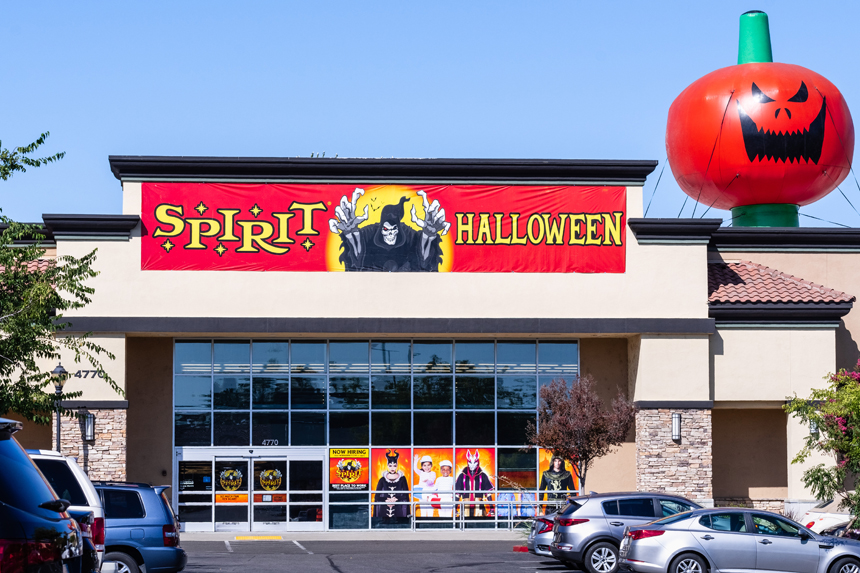
The seasonal pop-up model isn’t just an operational choice for Spirit Halloween; it’s a fundamental part of its brand identity. The brand effectively transforms derelict or vacant storefronts into vibrant, temporary Halloween emporiums, creating a sense of urgency and excitement. This strategic use of temporary space allows Spirit Halloween to saturate diverse markets without the long-term commitments of traditional retail. Each year, the appearance of the distinctive orange and black signage signals the official start of the Halloween season for many consumers, building anticipation months in advance.
This brand strategy leans heavily on guerrilla marketing tactics and word-of-mouth. By appearing suddenly and then disappearing, Spirit Halloween creates a fleeting, almost magical experience that encourages immediate action from consumers. The temporary nature itself becomes a selling point, fostering a “get it before it’s gone” mentality. This model also allows the brand to be highly responsive to real estate markets, selecting optimal locations with high foot traffic for a limited time, thus maximizing visibility and accessibility precisely when demand is highest.
Product Curation and Customer Experience
A critical component of Spirit Halloween’s brand success lies in its meticulous product curation and the immersive customer experience it delivers. The stores are not just places to buy costumes; they are meticulously themed environments designed to evoke the spirit of Halloween itself. Aisles are packed with diverse merchandise, from licensed character costumes for children and adults, to elaborate horror movie tributes, unique decorative items, and specialized makeup and accessories. This breadth and depth of product selection position Spirit Halloween as the authoritative destination for all things Halloween.
The in-store experience is intentionally theatrical. Animated props often greet customers at the entrance, spooky soundtracks play in the background, and store layouts are designed to guide shoppers through different themed zones. This attention to sensory detail enhances the shopping journey, making it an event in itself rather than a mere transaction. By providing a one-stop shop for every imaginable Halloween need, coupled with an engaging atmosphere, Spirit Halloween reinforces its brand as the ultimate arbiter of the holiday, fostering a strong emotional connection with its target audience.
From Regional Player to National Icon: Expansion and Acquisition
Spirit Halloween’s journey from a single concept store to a national phenomenon is a testament to effective brand scaling and strategic market penetration. Its initial success in California laid the groundwork for a broader expansion, which was significantly accelerated through a pivotal acquisition that transformed its operational capabilities and market reach.
Strategic Growth and Market Dominance
For over a decade after its founding, Spirit Halloween gradually expanded its footprint, opening more temporary stores each season, primarily across the West Coast. The model proved consistently successful, demonstrating the scalability of a niche, seasonal retail concept. The brand’s focus on prime, high-visibility locations and its ability to quickly convert vacant spaces into profitable temporary retail outlets allowed it to grow organically. Each new location solidified its reputation as the go-to place for Halloween merchandise, building a powerful brand association with the holiday itself.
This steady, strategic growth was not merely about adding stores but about establishing market dominance within its specific seasonal segment. By concentrating resources on a limited operating window, Spirit Halloween could outcompete general retailers who offered Halloween items as a sideline. Its dedicated inventory, specialized staffing, and focused marketing efforts positioned it as the expert and leader in Halloween retail, gradually pushing out smaller, less agile competitors.
The Spencer’s Gifts Connection
The trajectory of Spirit Halloween changed dramatically in 1999 when it was acquired by Spencer’s Gifts LLC, a company renowned for its quirky, novelty gifts and pop culture merchandise. This acquisition was a game-changer, providing Spirit Halloween with the corporate backing, logistical infrastructure, and real estate expertise needed to rapidly scale from a regional player to a national retail powerhouse. Spencer’s, with its established supply chain, vendor relationships, and experience in managing diverse retail footprints, could leverage its existing resources to propel Spirit Halloween’s expansion.
Under Spencer’s ownership, Spirit Halloween rapidly proliferated across the United States and Canada. The acquisition allowed the brand to systematize its pop-up operations, streamlining everything from site selection and lease negotiation to inventory management and store setup. This synergy enabled Spirit Halloween to open hundreds of stores simultaneously each year, making its brand presence virtually unavoidable during the Halloween season. The parent company’s long-standing experience in youth-oriented retail also aligned perfectly with Spirit Halloween’s demographic, strengthening its product offerings and marketing strategies.
The Brand Identity: More Than Just Costumes
Spirit Halloween’s brand identity transcends mere transactional retail; it is deeply interwoven with the cultural fabric of the Halloween season itself. The brand has successfully cultivated a unique position that taps into nostalgia, excitement, and the desire for immersive experiences, making it an indispensable part of many people’s annual Halloween preparations.
Creating Anticipation and Nostalgia
One of the most powerful aspects of Spirit Halloween’s brand identity is its ability to generate immense anticipation. The sudden appearance of its stores acts as a seasonal marker, signaling the unofficial start of autumn and the countdown to October 31st. This recurring phenomenon taps into a collective sense of nostalgia for the excitement of childhood Halloweens, combined with a modern desire for elaborate celebrations. For many, a trip to Spirit Halloween isn’t just shopping; it’s a cherished annual tradition, a pilgrimage to the heart of Halloween.
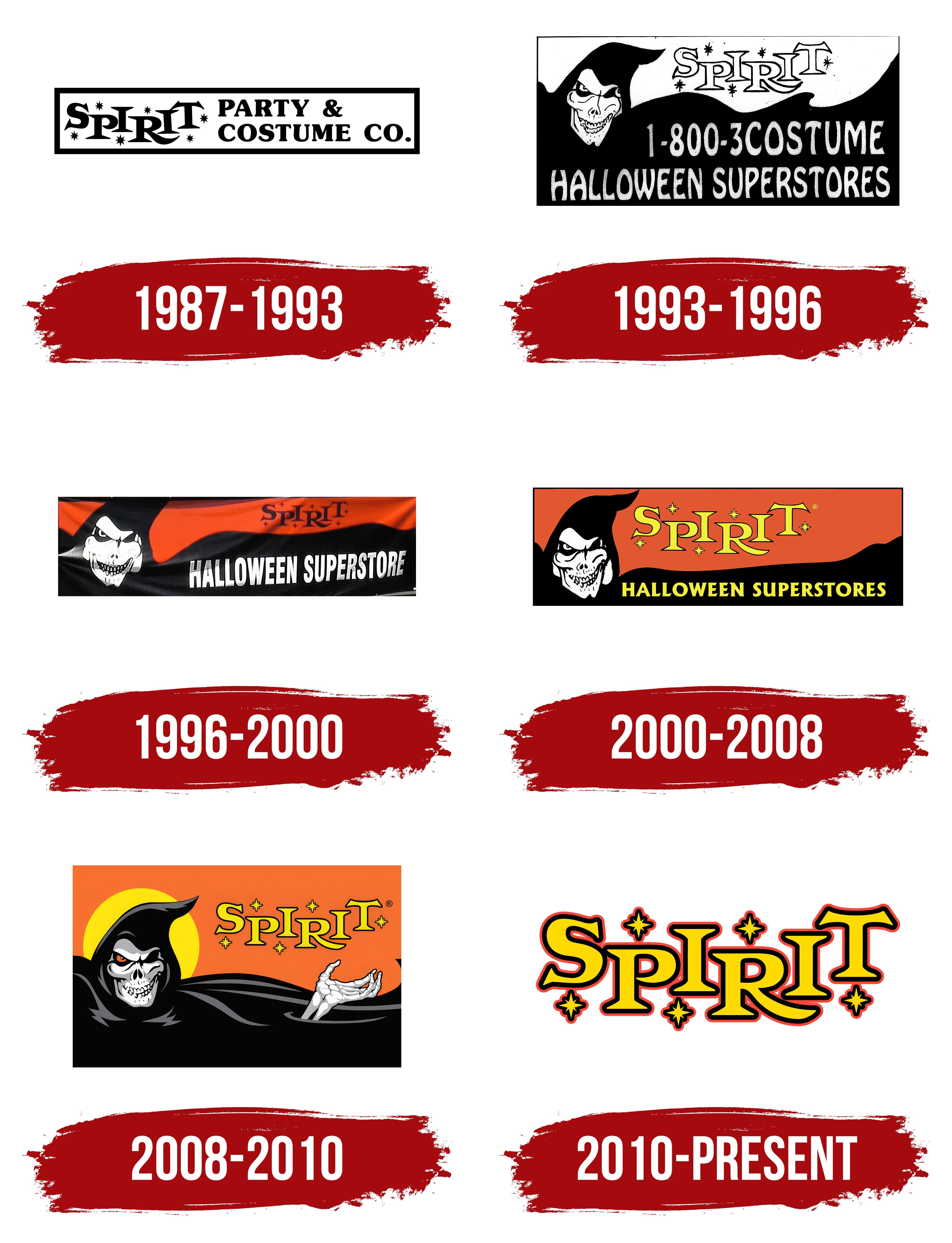
The brand leverages this anticipation through its consistent visual cues—the distinct orange and black palette, the familiar logo, and the temporary storefronts. These elements act as powerful psychological triggers, instantly conjuring images of spooky fun, creative expression, and communal celebration. This emotional connection forms a strong bond between the brand and its consumers, transforming what could be a purely transactional relationship into a more profound, emotionally resonant experience that defines the very “spirit” of the season.
The “Spirit of Halloween” Experience
Spirit Halloween sells more than just products; it sells an experience—the “Spirit of Halloween” itself. The immersive store environments, filled with sights, sounds, and sometimes even smells designed to evoke the holiday, create a theatrical atmosphere that encourages exploration and imaginative play. This experiential branding is crucial. Customers aren’t just looking for a costume; they are looking for inspiration, for the perfect prop to complete their haunted house, or for that unique item that will make their party unforgettable.
The brand understands that Halloween is a holiday of transformation and fantasy. By providing an unparalleled selection and an exciting shopping environment, Spirit Halloween empowers its customers to fully embrace this transformation. It positions itself not merely as a retailer but as a facilitator of joy, creativity, and frightful fun, embodying the very essence of the holiday it serves. This deep integration with the holiday’s cultural significance is what cements its brand identity as irreplaceable.
Lessons in Brand Longevity and Seasonal Marketing
Spirit Halloween’s sustained success and unparalleled brand recognition offer valuable insights into effective niche marketing, seasonal branding, and adaptability in the retail landscape. Its journey from a single store to a national retail icon provides a compelling case study in strategic growth and brand management.
Adaptability and Market Responsiveness
A key lesson from Spirit Halloween’s longevity is its profound adaptability. The brand has consistently demonstrated an ability to respond to evolving consumer trends, pop culture phenomena, and retail environments. Each year, its product lines are updated to reflect the latest movies, video games, memes, and social media trends, ensuring its offerings remain fresh and relevant to its diverse customer base, from young children to avid adult cosplayers. This quick turnaround from trend identification to product availability is a testament to a robust supply chain and a keen understanding of its market.
Furthermore, its pop-up model inherently offers flexibility in responding to changing retail landscapes. As traditional brick-and-mortar stores face challenges, Spirit Halloween’s ability to repurpose vacant spaces gives it a distinct advantage. It can optimize locations based on current demographic shifts and commercial vacancies, ensuring it remains accessible and visible to its target audience without being tied down by long-term leases on underperforming sites. This operational agility reinforces its brand resilience and capacity for sustained relevance.
Spirit Halloween’s brand story is a powerful example of how a focused strategy, innovative business model, and deep understanding of a specific market can lead to enduring success. By consistently delivering an immersive, exciting, and comprehensive Halloween shopping experience, the brand founded in 1983 has not only cornered a seasonal market but has also woven itself into the very fabric of the Halloween tradition, making it an anticipated and integral part of the autumnal calendar for millions.
aViewFromTheCave is a participant in the Amazon Services LLC Associates Program, an affiliate advertising program designed to provide a means for sites to earn advertising fees by advertising and linking to Amazon.com. Amazon, the Amazon logo, AmazonSupply, and the AmazonSupply logo are trademarks of Amazon.com, Inc. or its affiliates. As an Amazon Associate we earn affiliate commissions from qualifying purchases.