
The history of personal computing is inextricably linked to the emergence of a single entity that redefined how humans interact with machines. When asking “when did Microsoft come out,” the answer is April 4, 1975. However, the significance of that date extends far beyond a simple business registration. It marks the moment the center of gravity in the technology world began to shift from massive, room-sized hardware to the versatile, scalable power of software.
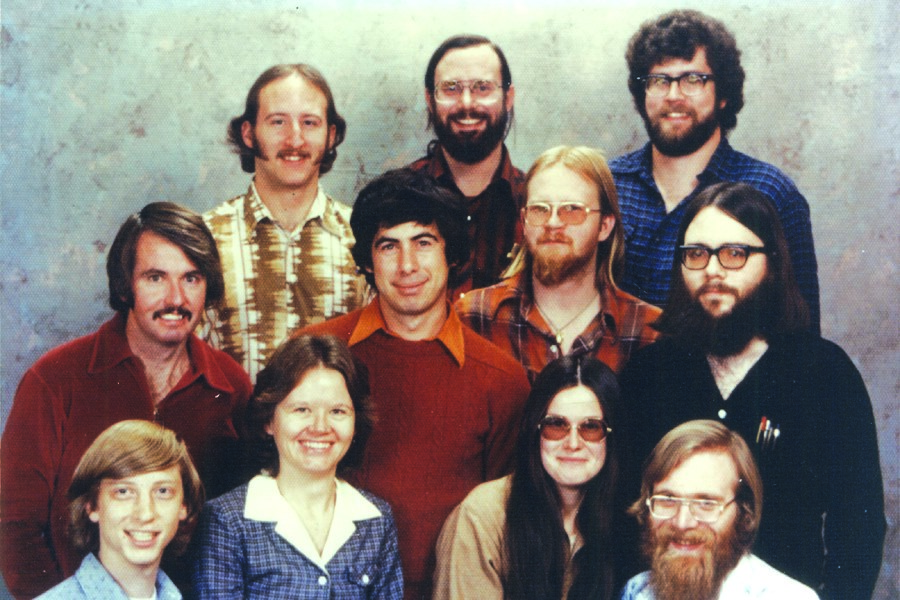
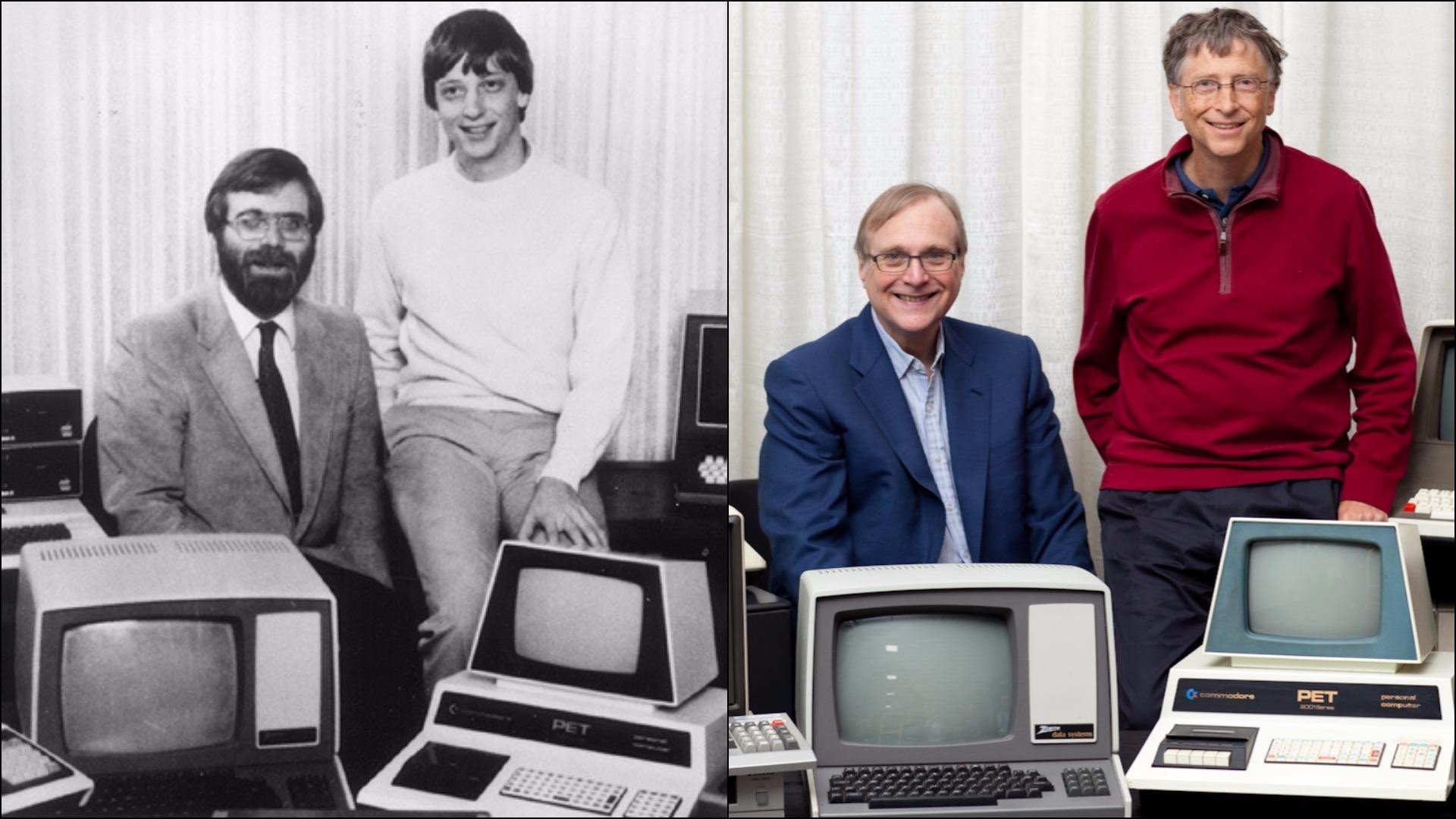
Founded by childhood friends Bill Gates and Paul Allen in Albuquerque, New Mexico, Microsoft (originally stylized as “Micro-Soft”) was born out of a vision that was radical for its time: a computer on every desk and in every home. To understand how Microsoft “came out” is to trace the history of the modern digital landscape, from the first lines of BASIC code to the current frontiers of generative artificial intelligence.
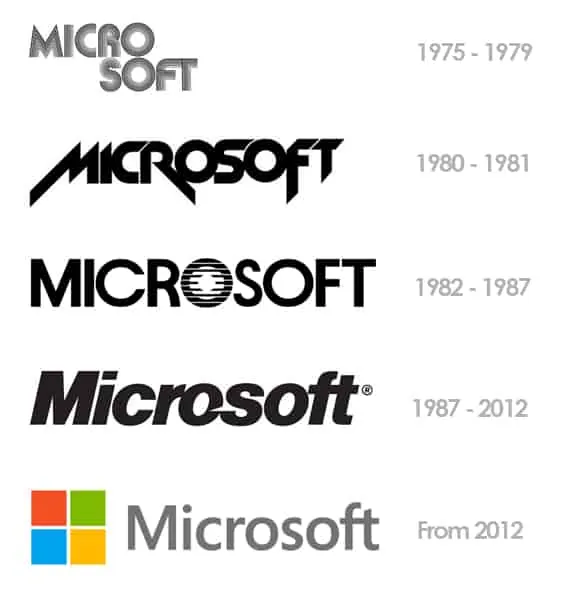
The Dawn of an Era: 1975 and the Birth of Micro-Soft
The technical catalyst for Microsoft’s inception was the January 1975 issue of Popular Electronics, which featured the Altair 8800 microcomputer. Paul Allen and Bill Gates recognized that while the hardware was a breakthrough, it lacked the software necessary to make it functional for anyone other than hobbyists. They contacted MITS (Micro Instrumentation and Telemetry Systems), the creators of the Altair, claiming they had developed a BASIC interpreter for the machine. In reality, they hadn’t written a single line of code yet.
The Altair BASIC Breakthrough
Working feverishly at Harvard, Gates and Allen developed their version of BASIC (Beginners’ All-purpose Symbolic Instruction Code). This was a landmark technical achievement because they had to simulate the Altair’s Intel 8080 processor on a different system to test their code. When Allen flew to Albuquerque to demonstrate the software, it worked on the first try. This success led to the official formation of Microsoft on April 4, 1975.
During these formative years, the company focused on developing programming languages for various microcomputer systems. They weren’t just building software; they were creating the foundational tools that allowed other developers to build applications. This strategy established Microsoft as a central node in the nascent tech ecosystem.
Albuquerque to Bellevue: Scaling the Tech Needle
By 1979, the company had outgrown its Albuquerque roots and moved to Bellevue, Washington. This move signified a transition from a small startup to a maturing tech firm. By this point, Microsoft had already begun to dominate the programming language market, but the true paradigm shift—the move into operating systems—was still on the horizon.
The OS Revolution: MS-DOS and the Rise of Windows
While Microsoft “came out” in the mid-70s, it achieved global tech dominance in the 1980s. The pivotal moment arrived when IBM approached Microsoft to provide an operating system for their upcoming Personal Computer (PC).
The IBM Partnership: A Turning Point in Software
Microsoft did not actually have an operating system ready when the IBM deal was struck. Instead, they purchased QDOS (Quick and Dirty Operating System) from Seattle Computer Products, refined it, and renamed it MS-DOS (Microsoft Disk Operating System).
The genius of this move was not just the technology but the licensing agreement. Gates insisted that Microsoft retain the right to license MS-DOS to other hardware manufacturers. This created the “PC clone” market, effectively decoupling software from hardware. While IBM dominated the hardware space, Microsoft’s software became the universal language of computing. This architectural decision standardized the industry and ensured that Microsoft’s technology would be the bedrock of the digital revolution.
The Graphical Interface Leap: Windows 1.0 to Windows 95
MS-DOS was powerful but required users to memorize complex text commands. Microsoft recognized that the future of tech lay in a Graphical User Interface (GUI). Windows 1.0 was released in November 1985, introducing the concept of “windows,” scroll bars, and mouse-driven navigation.
The evolution from Windows 1.0 through Windows 3.1 was iterative, but Windows 95, released on August 24, 1995, was a watershed moment. It introduced the Start menu, the taskbar, and “Plug and Play” capabilities, which automated the installation of hardware drivers. Technologically, Windows 95 moved the consumer market toward a 32-bit architecture, providing better memory management and stability. It was the moment that Windows became synonymous with the “PC” experience.
Scaling the Ecosystem: Office, Internet Explorer, and Enterprise Tech
As the 90s progressed, Microsoft expanded its technological footprint beyond the operating system. The goal was to own the “productivity layer” of the computing experience.
Productivity Reimagined: The Launch of Microsoft Office
Before Microsoft Office, users purchased word processors, spreadsheets, and presentation tools separately. In 1990, Microsoft bundled Word, Excel, and PowerPoint into a single suite. This was a masterclass in software integration. The shared codebases across the applications meant that data could be easily moved from a spreadsheet into a document. This interoperability set the gold standard for corporate software and solidified Microsoft’s grip on the enterprise market.
The Browser Wars and the Expansion of the Web
In the mid-90s, the rise of the World Wide Web posed a threat to the desktop-centric model. Bill Gates famously issued the “Internet Tidal Wave” memo in 1995, pivoting the entire company toward the web. The result was Internet Explorer, which was eventually bundled with Windows.
This move led to the “Browser Wars” against Netscape and sparked significant antitrust scrutiny, but from a purely technical standpoint, it integrated web browsing directly into the shell of the operating system. This era saw the development of technologies like ActiveX and improved CSS support, which helped shape how early websites were built and viewed.
The Modern Infrastructure: Azure, Cloud Computing, and Mobile Challenges
The mid-2000s and 2010s represented a period of intense transition. As the tech world moved toward mobile and cloud-based services, Microsoft had to reinvent itself.
Transitioning to the Cloud: The Satya Nadella Shift
Under the leadership of Satya Nadella, who took over as CEO in 2014, Microsoft underwent a “mobile-first, cloud-first” transformation. The centerpiece of this era is Microsoft Azure. Azure isn’t just a hosting service; it is a massive global infrastructure of data centers that provides everything from virtual machines to complex AI services.
The technical shift here was profound. Microsoft moved from selling “boxed software” (perpetual licenses) to “Software as a Service” (SaaS) and “Infrastructure as a Service” (IaaS). This transition required a complete overhaul of their engineering culture, moving toward a “DevOps” model where updates are pushed continuously rather than once every few years.
Hardware and the Surface Lineup
While Microsoft is primarily a software company, they recognized that to compete with integrated ecosystems like Apple’s, they needed their own hardware. The “Surface” line, launched in 2012, showcased the versatility of Windows by creating a 2-in-1 form factor that functioned as both a tablet and a laptop. This pushed the boundaries of touch-screen integration in a professional OS, forcing the rest of the industry to rethink hardware design.
The Future Horizon: AI, Quantum Computing, and Beyond
Today, Microsoft is no longer just “the Windows company.” It is at the absolute forefront of the artificial intelligence revolution, positioning itself as the infrastructure for the next generation of computing.
The OpenAI Partnership and Copilot Integration
Microsoft’s multibillion-dollar investment in OpenAI has allowed it to integrate Large Language Models (LLMs) across its entire stack. The “Copilot” initiative represents the next phase of the GUI. Just as Windows replaced the command line with icons, Copilot aims to replace complex menus with natural language.
From a technical perspective, this involves massive deployments of GPU clusters and specialized AI chips within Azure to handle the astronomical compute requirements of modern AI. By integrating these models into Office, Bing, and Windows, Microsoft is attempting to fundamentally change how humans interact with software once again.
Developing for the Next Generation: Sustainability and Edge Computing
Looking forward, Microsoft’s tech roadmap includes ambitious goals in quantum computing and sustainable technology. They are developing “topological qubits,” which aim to make quantum computers more stable and scalable. Simultaneously, the company is investing in “Edge Computing,” where data is processed locally on devices rather than in a distant data center, reducing latency for IoT (Internet of Things) devices and autonomous systems.
Microsoft “came out” in 1975 as a two-man operation in a small office in Albuquerque. Over nearly half a century, it has evolved into a global titan that provides the invisible plumbing for the modern world. Whether it is the server running a global bank, the laptop used by a student, or the AI model generating code, Microsoft’s technological DNA is woven into the fabric of the digital age. Its history is not just a timeline of product releases; it is the story of how software became the most powerful tool in human history.
aViewFromTheCave is a participant in the Amazon Services LLC Associates Program, an affiliate advertising program designed to provide a means for sites to earn advertising fees by advertising and linking to Amazon.com. Amazon, the Amazon logo, AmazonSupply, and the AmazonSupply logo are trademarks of Amazon.com, Inc. or its affiliates. As an Amazon Associate we earn affiliate commissions from qualifying purchases.