
The story of Lululemon Athletica is more than just the tale of another apparel company; it is a masterclass in brand building, market identification, and cultivating a lifestyle. For many, Lululemon is synonymous with high-quality athletic wear, yoga culture, and a distinct aspirational lifestyle. Its ubiquity today might suggest a long-standing presence, but the brand’s origins are firmly rooted in the late 20th century, specifically 1998. This year marked the inception of what would become a global phenomenon, starting from a single design studio and retail space in Vancouver, British Columbia. From its foundational premise, Lululemon didn’t just sell activewear; it sold a vision of health, wellness, and community, meticulously crafting a brand identity that resonated deeply with its target audience. Understanding its emergence requires delving into the strategic branding decisions that shaped its early trajectory and cemented its place as a leader in the athleisure market.
The Genesis of a Lifestyle Brand: Lululemon’s Conception
The late 1990s were a period ripe for innovation, particularly in the intersection of fashion and wellness. As yoga gained popularity beyond niche communities, a gap emerged in the market for functional yet fashionable athletic apparel. Chip Wilson, Lululemon’s founder, keenly observed this nascent trend, recognizing that existing sportswear brands were not adequately addressing the specific needs and aspirations of women engaging in yoga and similar low-impact, high-intensity activities. This foresight laid the groundwork for Lululemon’s revolutionary entry.
Identifying a Market White Space: Beyond Traditional Athleisure
Before Lululemon, athletic wear was largely segmented: highly technical gear for elite sports or casual, less performance-driven activewear. There wasn’t a dominant brand that seamlessly blended high performance, sophisticated design, and a premium feel specifically for activities like yoga, Pilates, and studio workouts. Wilson saw that women were wearing outdated cotton t-shirts and ill-fitting shorts to their yoga classes, not because they preferred them, but because better alternatives simply didn’t exist. This was a clear market white space, an untapped segment yearning for products that mirrored their active lifestyles and aesthetic preferences. Lululemon’s genius was in identifying this underserved niche and committing to serving it with unparalleled dedication, transforming it from a gap into a burgeoning industry. The brand didn’t just create products; it established a category, becoming synonymous with premium yoga wear and, by extension, the broader athleisure movement.
The Founder’s Vision: Chip Wilson and the Yoga Community
Chip Wilson’s vision for Lululemon was intrinsically linked to the growing yoga community. He wasn’t just launching an apparel company; he was creating a brand that would be an extension of the yoga lifestyle itself. The initial concept stemmed from observing the specific performance needs of yogis – fabric that stretched, breathed, and moved with the body, while also flattering the physique. More importantly, Wilson envisioned a brand that would foster a sense of belonging and aspiration. He wanted to build a community around the products, rather than simply selling garments. This foundational idea influenced everything from store design, which often included yoga studios, to the ambassador program, which leveraged local yoga instructors to build grassroots credibility and engagement. This community-centric approach was a radical departure from traditional retail models and became a cornerstone of Lululemon’s brand identity, forging deep connections with its target demographic from the outset.
The Inaugural Product: A Focus on Technical Apparel
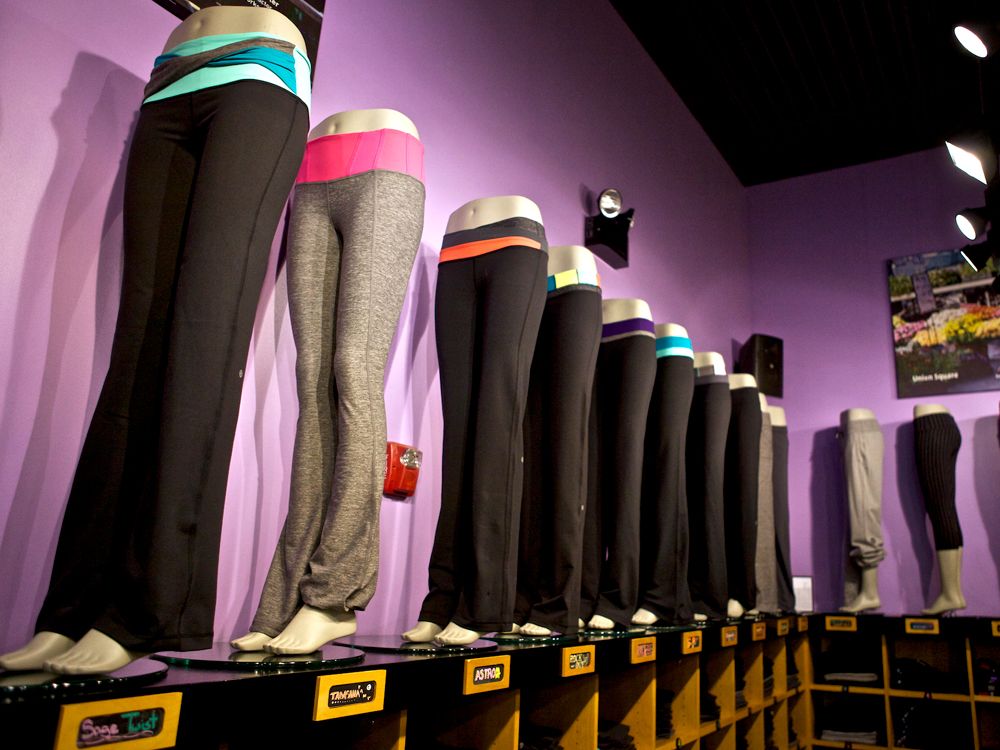
Lululemon’s initial offerings were a testament to its commitment to technical excellence and solving specific user problems. The very first product was a line of yoga pants, meticulously designed to offer superior fit, comfort, and performance. This wasn’t accidental; it was a deliberate brand strategy to establish credibility through product superiority. The use of innovative, proprietary fabrics like Luon, known for its four-way stretch and moisture-wicking properties, set Lululemon apart. The brand invested heavily in research and development to ensure its garments weren’t just fashionable but truly enhanced the wearer’s experience during physical activity. This focus on “sweat-tested” quality and technical innovation became a defining characteristic of the brand, signaling to consumers that Lululemon was serious about performance. This commitment to product integrity was a powerful brand message, communicating reliability and a deep understanding of its customers’ active needs.
Cultivating a Unique Brand Identity from Day One
From its humble beginnings, Lululemon meticulously crafted a brand identity that transcended mere clothing. It wasn’t just about selling activewear; it was about selling a lifestyle, a mindset, and a sense of belonging. This deliberate brand building involved a multi-faceted approach, encompassing retail experience, community engagement, and a powerful sense of exclusivity.
The Experiential Retail Model: More Than Just a Store
One of Lululemon’s most significant brand innovations was its approach to retail. Its stores were not merely transactional spaces; they were designed as experiential hubs. The first Lululemon store, opened in Kitsilano, Vancouver, served as both a design studio during the day and a yoga studio at night. This integrated model immediately communicated the brand’s core values and its deep connection to the yoga lifestyle. Subsequent stores maintained this ethos, often featuring open layouts, inviting aesthetics, and highly trained staff who were genuine enthusiasts of health and wellness. These “educators” were empowered to connect with customers on a personal level, offering advice not just on products but on lifestyle choices. The emphasis was on creating an immersive environment where customers felt understood, inspired, and part of something larger. This experiential retail strategy fostered strong brand loyalty and turned shopping into a lifestyle pursuit rather than a simple purchase.
Community Building: Ambassadors, Classes, and Local Engagement
Lululemon understood early on the power of community in brand building. Instead of traditional advertising, the brand invested heavily in local engagement. A cornerstone of this strategy was the “ambassador program,” which partnered with local yoga instructors, fitness professionals, and wellness influencers. These ambassadors were genuine advocates for the brand, embodying the Lululemon lifestyle and organically spreading awareness within their respective communities. Furthermore, Lululemon stores regularly hosted free in-store yoga classes, running clubs, and other wellness events. This not only drove foot traffic but also solidified the brand’s position as a genuine supporter and enabler of a healthy, active lifestyle. By fostering these local communities, Lululemon built a loyal following rooted in shared values and experiences, making the brand feel authentic and accessible despite its premium positioning. This grassroots approach cultivated a powerful emotional connection, turning customers into ardent brand advocates.
The “Lululemon Effect”: Scarcity, Exclusivity, and Aspiration

A crucial element of Lululemon’s early brand strategy was its ability to cultivate a perception of scarcity and exclusivity. The brand deliberately limited production runs of certain items and avoided widespread discounting, creating a sense of urgency and desirability. New product drops often generated significant buzz, encouraging customers to purchase quickly before items sold out. This scarcity, combined with the premium price point and high-quality materials, fostered an aspirational image. Owning Lululemon apparel became a status symbol, signaling not just an active lifestyle but also a commitment to quality and a certain level of affluence. This “Lululemon Effect” was carefully engineered to elevate the brand beyond mere functional clothing, transforming it into a badge of identity. It tapped into consumer psychology, making the brand more desirable precisely because it wasn’t universally accessible or constantly on sale, reinforcing its premium and exclusive brand perception.
Navigating Early Growth and Market Expansion
Lululemon’s initial success in Vancouver provided a robust blueprint for expansion, but scaling a distinctive brand while maintaining its core identity presented its own set of challenges and opportunities. The brand’s strategic growth involved careful consideration of its retail footprint, product diversification, and the consistent articulation of its brand message.
From Single Studio to Retail Footprint: Scaling the Brand
The transition from a single experimental studio to a national and then international retail presence was a calculated process. Lululemon adopted a methodical approach to market entry, often opening stores in key urban centers with a strong existing fitness culture. Each new location was still envisioned as a community hub, replicating the successful experiential model of the original Vancouver store. This ensured that as the brand grew geographically, its core identity and customer engagement strategy remained consistent. The expansion wasn’t about rapid saturation but about strategic placement, allowing the brand to carefully cultivate its community and reputation in each new market. This deliberate scaling ensured that Lululemon could maintain control over its brand narrative and customer experience, avoiding the pitfalls of over-expansion that can dilute brand equity.
Product Diversification: Expanding Beyond Women’s Yoga
While Lululemon initially found its footing in women’s yoga apparel, its growth strategy involved a careful expansion of its product lines. Recognizing the broader trend towards active living, the brand gradually introduced collections for running, training, and other athletic pursuits. Crucially, this diversification was executed without straying from the brand’s core commitment to technical innovation, premium materials, and flattering designs. The introduction of men’s apparel was another significant milestone, leveraging the brand’s reputation for quality and performance to attract a new demographic. This expansion was not simply about adding more products; it was about extending the Lululemon lifestyle to a wider audience, demonstrating the versatility and relevance of its brand across different activities and genders. Each new category was approached with the same dedication to design and function that defined its original yoga wear, ensuring brand consistency.
Brand Messaging and Core Values: Consistency in Growth
As Lululemon expanded, maintaining a consistent brand message and reinforcing its core values became paramount. The brand’s foundational pillars — quality, community, health, and mindfulness — were woven into every aspect of its communication, from in-store signage and product tags to digital content and social media. This consistency was vital in preserving the brand’s unique identity as it grew larger and more diverse. Lululemon’s messaging often emphasized personal growth, well-being, and living an inspired life, connecting its products to a larger narrative of self-improvement. This aspirational branding resonated deeply with consumers seeking more than just clothing; they sought tools and inspiration for a balanced, active lifestyle. By maintaining this unwavering focus on its core values, Lululemon successfully navigated its growth trajectory, ensuring that its brand remained authentic and powerful despite its increasing scale.
Lululemon’s Enduring Brand Legacy and Future Trajectory
Over two decades since its inception, Lululemon has evolved from a niche yoga apparel company into a global athleisure powerhouse. Its enduring success is a testament to the robust brand foundation laid in its early years, demonstrating the long-term impact of strategic brand building. The lessons learned from its emergence continue to inform its current strategies and future outlook.
Reinforcing Brand Pillars: Innovation, Quality, and Wellbeing
At the heart of Lululemon’s sustained brand appeal is its unwavering commitment to its foundational pillars: product innovation, uncompromising quality, and the promotion of overall wellbeing. The brand continues to invest heavily in material science and design, introducing new proprietary fabrics and ergonomic constructions that enhance performance and comfort. This continuous innovation ensures that Lululemon remains at the forefront of athletic apparel technology, justifying its premium positioning. Simultaneously, quality control remains a critical brand differentiator; customers expect and receive durable, well-crafted garments. Beyond the physical product, Lululemon actively promotes mental and physical wellbeing through various initiatives, content, and partnerships, reinforcing its holistic brand promise. These consistent efforts reinforce brand trust and loyalty, showing that Lululemon hasn’t strayed from its core identity even as it has matured.
Adapting to Evolving Consumer Expectations: Digital and Sustainability
In an increasingly conscious marketplace, Lululemon has demonstrated an ability to adapt its brand strategy to evolving consumer expectations, particularly in the digital realm and concerning sustainability. The brand has significantly invested in its e-commerce capabilities and digital marketing, creating seamless online experiences that mirror the premium feel of its physical stores. Social media plays a crucial role in maintaining community engagement and showcasing the Lululemon lifestyle. Furthermore, recognizing the growing importance of environmental and social responsibility, Lululemon has made strides in integrating sustainable practices into its supply chain, product lifecycle, and corporate operations. Initiatives around recycled materials, ethical sourcing, and promoting product longevity address consumer demand for transparency and purpose-driven brands. By embracing these shifts, Lululemon ensures its brand remains relevant and resonates with a new generation of values-driven consumers.
The Power of a Strong Brand Foundation: Lessons from Lululemon
Lululemon’s journey since 1998 offers invaluable lessons in brand strategy. Its success underscores the power of identifying a specific market niche, delivering exceptional product quality, and building a brand around a strong community and aspirational lifestyle. The brand didn’t just sell apparel; it cultivated an identity, an experience, and a sense of belonging. Its early focus on experiential retail, grassroots marketing through ambassadors, and creating an aura of exclusivity set it apart from competitors. Even as it scaled, the consistent reinforcement of its core values and an adaptable approach to market trends allowed it to maintain its distinct brand voice. Lululemon’s story is a compelling reminder that a well-defined and meticulously executed brand strategy from day one is the most potent engine for long-term growth and sustained market leadership.
aViewFromTheCave is a participant in the Amazon Services LLC Associates Program, an affiliate advertising program designed to provide a means for sites to earn advertising fees by advertising and linking to Amazon.com. Amazon, the Amazon logo, AmazonSupply, and the AmazonSupply logo are trademarks of Amazon.com, Inc. or its affiliates. As an Amazon Associate we earn affiliate commissions from qualifying purchases.