
The narrative of Tesla is often framed through the lens of visionary engineering, yet the underlying engine of its global dominance is a story of high-stakes venture capital, strategic fiscal maneuvering, and one of the most aggressive growth trajectories in corporate history. While many associate Elon Musk as the quintessential founder of the electric vehicle (EV) giant, the historical and financial reality is more nuanced. Elon Musk joined Tesla in February 2004, not as an original founder, but as the lead investor of the company’s Series A funding round. This entry marked the beginning of a fiscal transformation that would see a niche Silicon Valley startup evolve into a trillion-dollar powerhouse, reshaping the global automotive market and the portfolios of millions of investors.
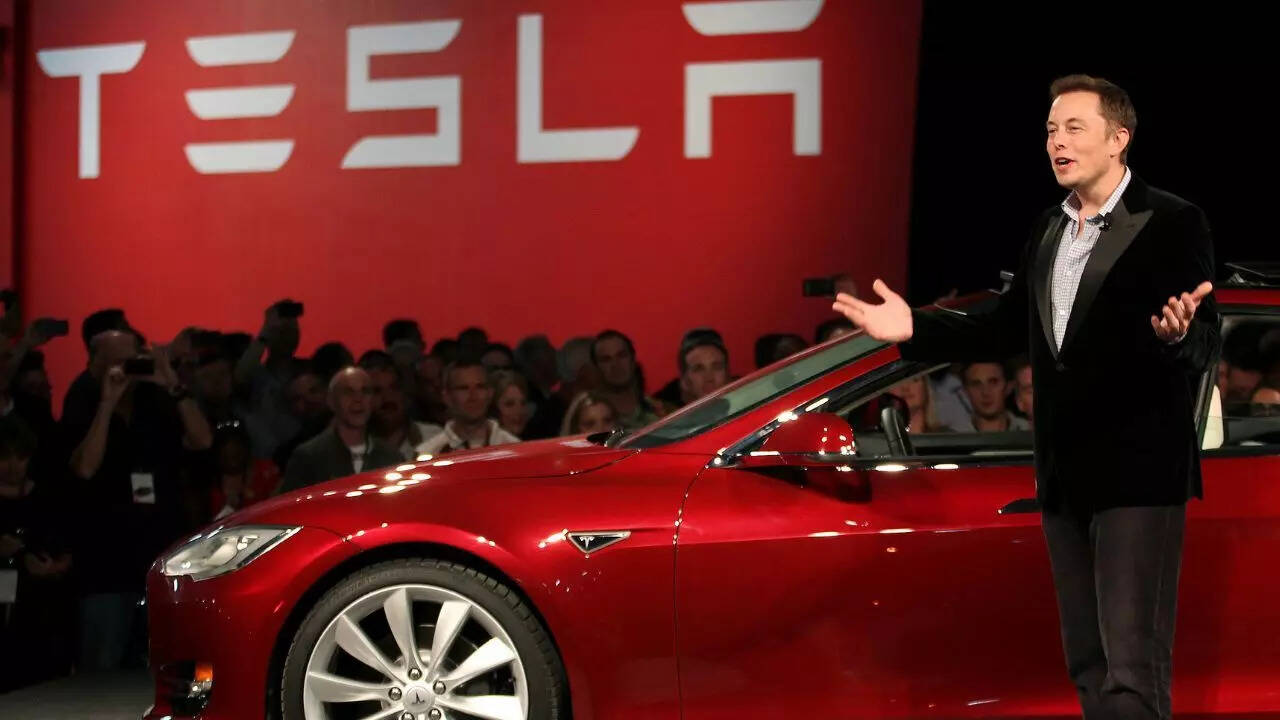
The Series A Milestone: Musk’s Entry as the Primary Architect of Capital
When Martin Eberhard and Marc Tarpenning incorporated Tesla Motors in July 2003, the company was a lean operation with an ambitious goal but limited capital. The transition from a conceptual entity to a viable business required a significant infusion of liquidity. This arrived in early 2004 during the Series A investment round. Elon Musk, who had recently exited PayPal with a substantial fortune, saw the potential for a disruptive shift in the energy sector.
The Initial Investment Structure
Musk’s entry into Tesla was defined by his role as the primary financier. In the Series A round, he invested $6.35 million of the $6.5 million raised. This was a classic venture capital move: providing the “seed” that allows for research, development, and initial prototyping. Unlike traditional venture capitalists who might remain in an advisory capacity, Musk’s investment came with a seat as Chairman of the Board. From a business finance perspective, this gave him the authority to steer the company’s strategic direction long before he took the title of CEO.
From Passive Investor to Active Chairman
The early years of Musk’s involvement were characterized by successive rounds of capital raises. In the Series B round in 2005, Musk led another $13 million investment, followed by a $40 million Series C in 2006. These rounds were critical for the development of the Tesla Roadster. The financial strategy during this era was focused on “top-down” market entry—producing a high-cost, low-volume product to fund the eventual transition to mass-market vehicles. This business model required investors with deep pockets and a high tolerance for risk, as the capital burn rate was astronomical compared to the initial revenue streams.
The 2008 Liquidity Crisis: A High-Stakes Gamble in Venture Capital
The most pivotal moment in Tesla’s financial history occurred in late 2008. The global financial crisis had frozen credit markets, and Tesla was weeks away from total insolvency. Musk’s role shifted from an investor to a desperate savior, forcing him to make a binary financial decision: let the company collapse or risk his entire personal fortune to keep it afloat.
Bridging the Gap to Bankruptcy
By December 2008, Tesla’s coffers were nearly empty. The company was struggling to scale production of the Roadster, and the promised Model S was still years away. Musk orchestrated a $40 million convertible debt round that closed on Christmas Eve. To demonstrate his commitment to external investors, Musk contributed nearly all of his remaining liquid assets—approximately $20 million—into the company. This was a moment of “all-in” personal finance, where the line between the individual’s net worth and the corporate entity’s survival vanished.
The DOE Loan and Public Subsidies
Following the 2008 internal rescue, Tesla’s financial health was bolstered by a strategic $465 million loan from the U.S. Department of Energy (DOE) in 2009. This was not a grant, but a low-interest loan intended to promote advanced technology vehicle manufacturing. From a corporate finance standpoint, this provided the non-dilutive capital necessary to build the Fremont factory. Tesla’s ability to pay back this loan nine years early, in 2013, served as a major bullish signal to the public markets, proving that the company could generate enough cash flow to honor its debt obligations.
The 2010 IPO and the Explosion of Market Capitalization
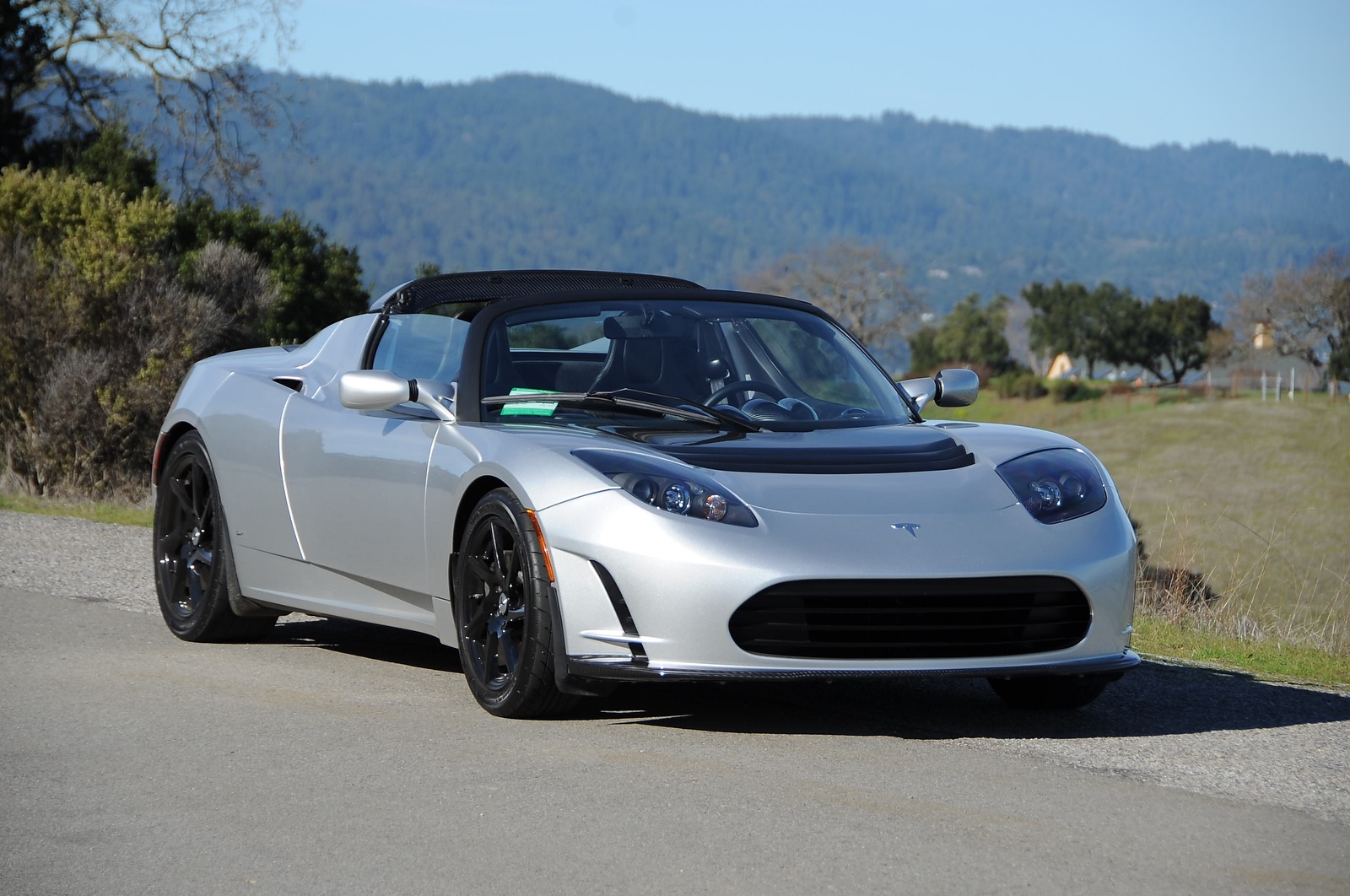
Tesla’s transition from a private entity to a publicly traded company on June 29, 2010, remains a landmark event in the “Money” history of the 21st century. It was the first American car company to go public since Ford in 1956. The IPO was priced at $17 per share, raising $226 million.
Analyzing the Initial Public Offering
At the time of the IPO, Tesla was still a highly speculative investment. It had yet to produce a mass-market car and was consistently losing money. However, the IPO served two primary financial purposes: it provided the liquidity needed to develop the Model S, and it allowed early venture capital investors to realize some gains while opening the door for institutional and retail participation. Those who invested in the IPO and held their positions have seen returns that exceed 20,000% when adjusted for subsequent stock splits.
Post-IPO Growth and Institutional Interest
Following the IPO, Tesla’s valuation was driven less by current earnings and more by “future-value” discounting. This is a common phenomenon in tech-heavy growth stocks, where investors pay a premium based on the expectation of future dominance. Between 2013 and 2019, Tesla’s market cap fluctuated as it faced “production hell” with the Model 3. However, the company’s ability to repeatedly return to the capital markets for secondary offerings—raising billions of dollars while the stock price was high—allowed it to fund its massive Gigafactories without the risk of bankruptcy that had plagued it in 2008.
Strategic Fiscal Management: Stock Splits and Retail Investor Influence
One of the unique aspects of Tesla’s financial journey under Musk is its relationship with retail investors. Unlike traditional blue-chip stocks that rely heavily on institutional “moats,” Tesla has built a massive, loyal base of individual shareholders who view the stock as both an investment and a movement.
The Mechanics of the Tesla Stock Split
To keep the stock accessible to retail investors, Tesla has utilized stock splits—most notably a 5-for-1 split in 2020 and a 3-for-1 split in 2022. While a stock split does not change the fundamental valuation of a company, it lowers the psychological barrier to entry for smaller investors. In the world of personal finance, this “democratization” of Tesla stock helped fuel a surge in liquidity and volatility, often driving the market cap far beyond the valuations of legacy automakers like Toyota or Volkswagen, despite Tesla producing fewer vehicles at the time.
Building a Retail Investor Moat
The financial impact of Musk’s personal brand cannot be overstated. By maintaining a high-profile presence, he ensured that Tesla remained at the forefront of market discourse. This constant visibility translated into a lower cost of capital. When Tesla needed to raise money, the high demand for its shares meant it could issue new equity with minimal dilution compared to companies with less “buzz.” This fiscal advantage allowed Tesla to expand its footprint in China and Europe simultaneously, a feat that would have been impossible with traditional debt financing alone.
The 56 Billion Dollar Incentive: Rewriting Executive Compensation
No discussion of Musk joining Tesla and its subsequent financial growth is complete without addressing his 2018 CEO Performance Award. This was a compensation package unlike any other in corporate history, designed to align Musk’s personal wealth entirely with the company’s market capitalization and operational milestones.
Performance-Based Milestones
The package consisted of a 10-year grant of stock options that vested in 12 tranches. For the first tranche to vest, Tesla’s market cap had to reach $100 billion, with subsequent tranches requiring increments of $50 billion, eventually reaching a staggering $650 billion. At the time the package was approved, many Wall Street analysts considered these targets impossible. However, the structure incentivized a relentless focus on growth over short-term profitability.

Long-term Shareholder Value and the Trillion-Dollar Ceiling
By 2021, Tesla surpassed the $1 trillion market cap milestone, making Musk the wealthiest individual on the planet. From a business finance perspective, this compensation model proved highly effective for shareholders. Although the package faced legal challenges regarding its transparency and the board’s independence, the underlying financial reality was clear: under Musk’s leadership, the company’s value had increased by over 1,000% since the package’s inception.
Tesla’s journey from a 2004 Series A startup to a global titan is a masterclass in capital allocation. Elon Musk did not just “join” a car company; he integrated it into a broader ecosystem of energy and technology, funded through aggressive equity rounds and sustained by a unique relationship with the public markets. For the modern investor, the story of when Elon joined Tesla is less about the date on a calendar and more about the moment venture capital began its assault on the traditional industrial complex. The result is a financial entity that continues to defy conventional valuation models, driven by the same high-risk, high-reward philosophy that Musk brought to the table in 2004.
aViewFromTheCave is a participant in the Amazon Services LLC Associates Program, an affiliate advertising program designed to provide a means for sites to earn advertising fees by advertising and linking to Amazon.com. Amazon, the Amazon logo, AmazonSupply, and the AmazonSupply logo are trademarks of Amazon.com, Inc. or its affiliates. As an Amazon Associate we earn affiliate commissions from qualifying purchases.