
The story of cryptocurrency begins not with a bang, but with a whisper—a whitepaper published on a mailing list and a vision for a new kind of money. While the concept of digital currency had been theorized and attempted for decades, the practical, decentralized realization that captured the world’s attention truly commenced in 2008 with the publication of Bitcoin’s whitepaper, followed by its launch in January 2009. This moment marked a profound shift in how we conceive of money, finance, and economic systems, opening up unprecedented avenues for investment, wealth creation, and financial autonomy.
From its humble origins, born out of a desire for an alternative to traditional banking systems, cryptocurrency has evolved into a multi-trillion-dollar industry, reshaping financial markets and challenging established economic paradigms. Understanding its genesis is not just a historical exercise; it’s crucial for grasping the underlying principles that drive its value, its investment potential, and its role in the future of global finance.

The Dawn of Digital Money: Precursors to Bitcoin
The idea of digital money isn’t new. Long before Bitcoin, visionaries and cryptographers grappled with the challenges of creating electronic cash that could mimic the properties of physical currency—namely, scarcity, security, and the ability to be exchanged without a central intermediary. These early endeavors, though largely unsuccessful in achieving widespread adoption, laid essential groundwork, highlighting both the allure and the formidable obstacles inherent in creating a truly digital, peer-to-peer financial system.
Early Attempts at Digital Cash
Throughout the late 20th century, several attempts were made to create digital cash systems. Projects like DigiCash, founded by David Chaum in the 1990s, aimed to provide private, anonymous electronic payments. DigiCash used cryptographic protocols to ensure transactions were secure and untraceable, a precursor to the privacy features often lauded in cryptocurrencies. However, it ultimately failed due to its centralized nature and inability to gain widespread adoption among banks and consumers. Other initiatives, such as B-money by Wei Dai and Bit Gold by Nick Szabo, offered more decentralized models, proposing concepts like proof-of-work systems and digital scarcity that would later become fundamental to Bitcoin.
These early experiments consistently faced two critical hurdles: the “double-spending problem” and the need for a trusted third party. The double-spending problem refers to the challenge of preventing a digital currency unit from being spent more than once, akin to making a digital copy of a physical banknote. Traditional financial systems solve this with central authorities (banks) that maintain ledgers. Early digital cash systems often succumbed to this reliance on central control, which contradicted the very idea of a decentralized, free-flowing digital currency. From a financial perspective, these failures underscored the market’s need for a robust, trustless mechanism to verify transactions and maintain ledger integrity without a single point of failure.
Cryptography’s Role in Financial Security
The breakthroughs that paved the way for cryptocurrency were deeply rooted in advancements in cryptography. Cryptography, the practice and study of techniques for secure communication in the presence of adversarial third parties, provided the tools necessary to address the double-spending problem and ensure transaction integrity without requiring a central authority. Public-key cryptography, hash functions, and digital signatures became the building blocks for creating a secure, verifiable, and immutable record of financial transactions.
For investors and users, cryptography offers the foundational promise of security. It means that once a transaction is made, it cannot be altered or reversed, and the ownership of digital assets is cryptographically proven. This technological innovation enabled the creation of a system where trust is placed in mathematical proofs rather than in institutions, a paradigm shift with profound implications for financial autonomy and the security of digital assets. Without these cryptographic underpinnings, the dream of a decentralized digital currency, and by extension a new asset class, would have remained an impossibility.
Satoshi Nakamoto and the Genesis of Bitcoin
The culmination of decades of research and failed attempts arrived with an enigmatic figure (or group) known as Satoshi Nakamoto. Nakamoto’s work didn’t just propose a new digital currency; it presented a complete, functional system that elegantly solved the double-spending problem and the need for central authority through a groundbreaking innovation: the blockchain. This marked the true birth of what we now recognize as cryptocurrency, opening the floodgates for a new era of financial instruments and investment opportunities.
The Whitepaper’s Financial Vision
On October 31, 2008, Satoshi Nakamoto published a whitepaper titled “Bitcoin: A Peer-to-Peer Electronic Cash System” to a cryptography mailing list. This document was revolutionary not just in its technical ingenuity but in its profound financial vision. It outlined a system that would allow “online payments to be sent directly from one party to another without going through a financial institution.” This wasn’t merely about convenience; it was about addressing the systemic fragilities and inefficiencies exposed by the 2008 global financial crisis.
Nakamoto’s vision offered a direct challenge to the incumbent financial system, promising a currency resistant to inflation (due to a fixed supply), censorship-resistant transactions, and transparent, immutable records. For individuals and businesses, this meant a pathway to financial independence, the ability to transact globally with minimal fees, and a hedge against the failures of centralized monetary policy. The whitepaper effectively served as a manifesto for a new decentralized economy, compelling investors to consider the long-term implications of such a system.
The Genesis Block and First Transactions
The theoretical framework became a tangible reality on January 3, 2009, when Satoshi Nakamoto mined the “genesis block” – the very first block in the Bitcoin blockchain. Embedded within this block was a poignant message: “The Times 03/Jan/2009 Chancellor on brink of second bailout for banks.” This message was not just a timestamp; it was a clear statement of purpose, highlighting the very economic conditions that fueled the need for an alternative financial system. It underscored Bitcoin’s intent to provide a solution to the systemic risks and centralization that characterized traditional banking.
The first transaction of Bitcoin occurred on January 12, 2009, when Satoshi Nakamoto sent 10 bitcoins to Hal Finney, a renowned cryptographer. These initial acts were more than technical milestones; they were the first steps in demonstrating the practical viability of a peer-to-peer electronic cash system. From an investment perspective, these moments established the fundamental infrastructure upon which all future digital asset valuations would be built. Every subsequent transaction, every block added, has contributed to the network’s security and, consequently, its economic value.
Early Adoption and the First Financial Value
For its first year, Bitcoin largely remained a curiosity among cryptographers and tech enthusiasts. It had no inherent monetary value in fiat terms. The first real-world transaction that assigned a financial value to Bitcoin occurred on May 22, 2010, when Laszlo Hanyecz, a programmer, successfully purchased two Papa John’s pizzas for 10,000 Bitcoins. At the time, this transaction valued one Bitcoin at a fraction of a cent. Today, those 10,000 Bitcoins would be worth hundreds of millions of dollars, a testament to the astronomical growth and speculative potential of this nascent asset class.
This “Bitcoin Pizza Day” is iconic because it was the first time Bitcoin proved its utility as a medium of exchange for real-world goods. It signaled that this digital currency could transition from a purely theoretical concept to a practical tool with tangible financial value. This early adoption, driven by passionate individuals, slowly began to attract attention beyond the tech sphere, laying the groundwork for Bitcoin to evolve from an experimental project into a global financial phenomenon and a significant, albeit volatile, investment asset.
The Evolution of the Cryptocurrency Ecosystem and Investment Landscape
Bitcoin’s success wasn’t just a singular event; it was a catalyst. Its open-source nature and the underlying blockchain technology inspired countless innovators to build upon its foundational principles, leading to an explosion of new cryptocurrencies and decentralized applications. This expansion profoundly reshaped the investment landscape, creating a vibrant, multifaceted ecosystem that continues to evolve at a rapid pace.
Altcoins Emerge: Expanding Financial Horizons
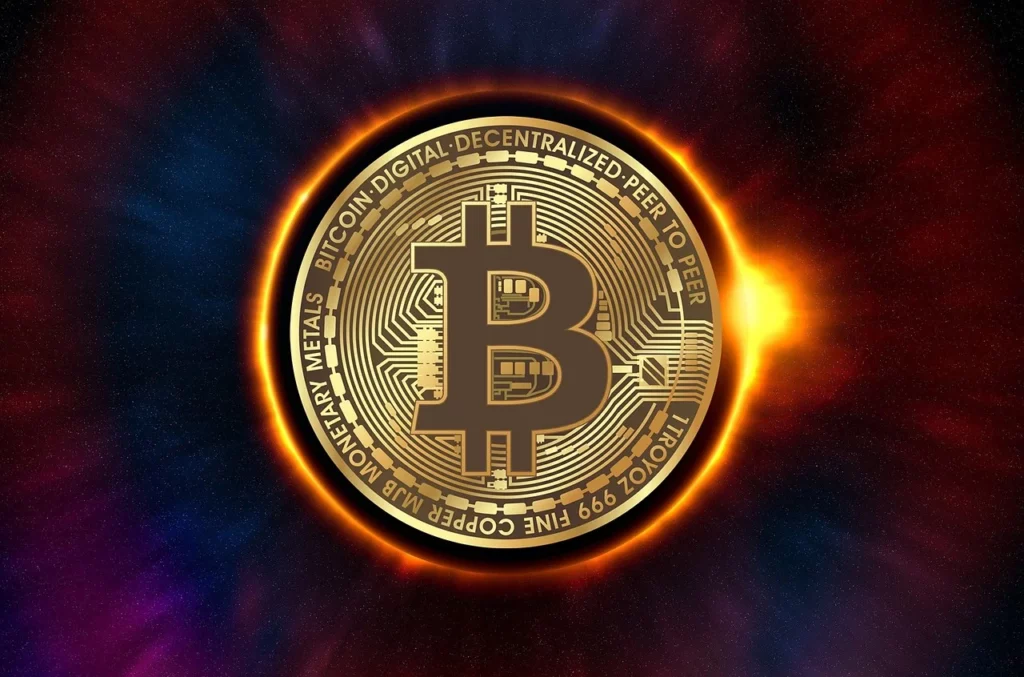
As Bitcoin gained traction, developers recognized that its underlying technology could be adapted and improved upon to create new digital assets with different functionalities, features, or use cases. These alternative cryptocurrencies, known as “altcoins,” began to emerge around 2011, with early examples like Namecoin, Litecoin, and Peercoin. Each aimed to address specific perceived limitations of Bitcoin, whether it was faster transaction times, enhanced privacy, or different consensus mechanisms.
The proliferation of altcoins fundamentally broadened the digital asset market. For investors, this meant a diversification of opportunities beyond just Bitcoin. Altcoins offered a spectrum of risk/reward profiles, from stablecoins pegged to fiat currencies to highly speculative assets tied to nascent technologies. This expansion paved the way for venture capitalists and individual investors alike to explore projects focused on smart contracts (Ethereum), decentralized finance (DeFi), supply chain management, and countless other applications, each representing a unique financial proposition.
The Rise of Exchanges and Investment Platforms
The growing number of cryptocurrencies and the increasing interest from individuals wanting to buy, sell, and trade them necessitated the creation of dedicated platforms. Early cryptocurrency exchanges like Mt. Gox (though infamous for its eventual collapse) and later, Bitstamp and Coinbase, played a crucial role in democratizing access to this new asset class. These platforms allowed users to convert fiat currency into cryptocurrencies and vice versa, making it possible for ordinary people to invest in Bitcoin and other digital assets without needing deep technical knowledge.
Today, the landscape of crypto exchanges and investment platforms is vast and sophisticated. From centralized exchanges offering easy on-ramps for retail investors to decentralized exchanges (DEXs) facilitating peer-to-peer trading without intermediaries, these platforms are the gateways to the crypto economy. They provide liquidity, price discovery, and a range of financial tools, enabling investors to manage portfolios, execute complex trading strategies, and participate in initial coin offerings (ICOs) or initial DEX offerings (IDOs). The development of these platforms was essential for crypto to transition from a niche technology to a globally accessible financial market.
DeFi and the New Financial Frontier
Perhaps one of the most significant evolutions in the cryptocurrency space is the emergence of Decentralized Finance (DeFi). Building primarily on the Ethereum blockchain, DeFi refers to an ecosystem of financial applications that operate without central authorities. These applications offer services traditionally provided by banks, such as lending, borrowing, trading, and insurance, but do so in a transparent, permissionless, and open manner using smart contracts.
DeFi represents a radical reimagining of the financial system, offering users direct control over their assets and eliminating the need for intermediaries. For investors, DeFi opened up entirely new income streams, such as yield farming (earning rewards by providing liquidity), staking (earning interest by locking up tokens), and participating in decentralized autonomous organizations (DAOs). It has created a parallel financial system that is accessible 24/7, global, and operates with a level of transparency previously unseen in traditional finance, attracting significant capital and innovative talent.
Understanding Cryptocurrency’s Financial Impact Today
The journey from a whitepaper to a global phenomenon has solidified cryptocurrency’s position as a significant force in the modern financial landscape. Its impact is far-reaching, influencing investment strategies, generating new forms of income, and presenting both opportunities and challenges for individuals and businesses alike.
Diversifying Investment Portfolios
Cryptocurrency, particularly Bitcoin and Ethereum, has matured into a recognized asset class, attracting institutional investors, corporations, and retail traders. Its often-uncorrelated price movements relative to traditional assets like stocks and bonds have made it an attractive option for portfolio diversification. Savvy investors now consider allocating a portion of their portfolio to digital assets as a hedge against inflation or as a high-growth speculative play. However, the volatility inherent in the crypto market necessitates a strong understanding of risk management and a long-term investment horizon for many.
The accessibility of crypto through various platforms has democratized investing, allowing individuals with even modest capital to participate in markets that were once exclusive to institutional players. This has empowered a new generation of investors to take control of their financial futures, exploring opportunities in a rapidly evolving sector.
New Avenues for Online Income and Business
Beyond direct investment, cryptocurrency has spawned entirely new ways to earn income and build businesses. Mining, once a primary source of Bitcoin, has evolved into staking for proof-of-stake networks, where individuals can earn rewards by helping secure the blockchain. Yield farming in DeFi protocols offers passive income opportunities through providing liquidity to decentralized exchanges or lending platforms.
Furthermore, the rise of Non-Fungible Tokens (NFTs) has created a multi-billion dollar market for digital art, collectibles, and gaming assets, enabling artists, creators, and entrepreneurs to monetize their work in unprecedented ways. The broader Web3 movement, built on blockchain technology, is fostering new decentralized social networks, gaming ecosystems, and metaverse projects, all presenting novel business models and income streams for early adopters and innovators. For individuals seeking alternative income sources or businesses looking to leverage cutting-edge technology, the crypto space offers a fertile ground for innovation and wealth creation.
Regulatory Challenges and Financial Security
Despite its rapid growth, cryptocurrency operates within a complex and often uncertain regulatory environment. Governments worldwide are grappling with how to classify, tax, and regulate digital assets, leading to varying legal frameworks that impact investment decisions and business operations. Regulatory clarity is a continuous process, and compliance remains a critical consideration for any individual or entity engaging with crypto financially.
Moreover, while cryptography provides robust security for transactions, the custodial aspects of digital assets introduce new risks. Users must be diligent in securing their private keys, choosing reputable exchanges, and understanding the nuances of hardware wallets versus software wallets. Scams, hacks, and phishing attempts are prevalent, underscoring the importance of personal due diligence and robust security practices for protecting one’s financial investments in the crypto space. These challenges, while significant, are part of the maturation process of any revolutionary financial technology.
The Future of Digital Assets and Global Finance
The journey of cryptocurrency, starting with a bold whitepaper in 2008, is far from over. It continues to push the boundaries of financial innovation, promising a future where digital assets play an increasingly integral role in the global economy.
Mainstream Adoption and Institutional Interest
What began as a fringe technology is steadily moving into the mainstream. Major financial institutions, including banks, asset managers, and payment processors, are increasingly exploring and integrating blockchain and cryptocurrency solutions. Companies like PayPal and Visa now offer crypto-related services, making it easier for everyday consumers to interact with digital assets. Central banks worldwide are researching and piloting Central Bank Digital Currencies (CBDCs), recognizing the inevitable shift towards digitized forms of national currencies. This institutional interest and adoption signal a growing acceptance and integration of digital assets into the traditional financial fabric, potentially stabilizing markets and unlocking further investment opportunities.

The Continuing Evolution of Financial Technology
Cryptocurrency is not merely a passing technological fad; it represents a foundational shift in financial technology. The underlying principles of decentralization, transparency, and immutability offered by blockchain technology are now being applied to a myriad of sectors beyond just currency—from supply chain management and intellectual property to healthcare and voting systems. The constant innovation in areas like layer-2 scaling solutions, interoperability between blockchains, and new consensus mechanisms promises to enhance the speed, efficiency, and scalability of digital asset networks.
This continuous evolution means that the “when did cryptocurrency start” question is less about a static historical date and more about the ongoing genesis of a new financial era. For investors, entrepreneurs, and individuals, understanding this dynamic landscape is key to navigating the opportunities and challenges of a world increasingly shaped by digital assets, offering unprecedented avenues for financial growth and innovation for decades to come.
aViewFromTheCave is a participant in the Amazon Services LLC Associates Program, an affiliate advertising program designed to provide a means for sites to earn advertising fees by advertising and linking to Amazon.com. Amazon, the Amazon logo, AmazonSupply, and the AmazonSupply logo are trademarks of Amazon.com, Inc. or its affiliates. As an Amazon Associate we earn affiliate commissions from qualifying purchases.