
The seemingly simple question, “When did Amazon start delivering?” belies a profoundly complex and strategically critical narrative that lies at the very heart of Amazon’s corporate identity and global brand dominance. While a factual answer points to Amazon’s inception as an online bookseller in 1995, the true story is not merely about a date but about how the act of “delivering” evolved from a basic logistical necessity into the foundational pillar of one of the world’s most powerful brands. Amazon didn’t just start delivering; it meticulously engineered its brand around the promise and performance of unparalleled delivery, transforming customer expectations and reshaping the entire e-commerce landscape. This article will explore how Amazon’s approach to delivery became intrinsically woven into its brand strategy, customer loyalty, and corporate identity, serving as a masterclass in brand building.

The Formative Years: Delivering More Than Just Books
Amazon’s journey began with a singular focus: selling books online. This initial foray into e-commerce, while seemingly modest, required establishing a reliable delivery mechanism from day one. It was in these foundational moments that the seeds of Amazon’s future brand strength in logistics were sown, long before “Prime” became a household name.
From Online Bookstore to E-commerce Pioneer (1995 onwards)
When Jeff Bezos launched Amazon.com in July 1995, the internet was a nascent commercial space, and the concept of buying goods online and having them shipped directly to one’s door was revolutionary for most consumers. Amazon’s initial brand promise was simple: convenience and selection that no physical bookstore could match. However, this promise was entirely contingent on its ability to deliver. The very act of a customer placing an order and then receiving a package days later created the initial touchpoint that began to define Amazon’s brand experience. Every successful delivery reinforced trust, predictability, and a new form of retail convenience.
In these early years, Amazon partnered with traditional carriers like UPS and FedEx. While this seemed standard, Amazon’s relentless focus on customer satisfaction meant that even third-party delivery performance was directly attributed to its brand. A late or damaged delivery wasn’t just a carrier issue; it was an Amazon issue. This early understanding shaped a profound commitment to delivery reliability as a core brand value. The brand wasn’t just about the vast catalog; it was about the seamless fulfillment of the order, from click to doorstep.
Building the Logistics Backbone: Early Brand Investments
As Amazon rapidly expanded beyond books into music, videos, and eventually a “store for everything,” the complexity of its delivery operation exploded. This growth phase necessitated significant, brand-defining investments in logistics. Amazon recognized early on that controlling the customer experience meant, ultimately, controlling the delivery experience. This wasn’t merely a cost-cutting measure; it was a strategic branding decision.
The construction of fulfillment centers, the development of sophisticated inventory management systems, and the relentless pursuit of operational efficiencies were all strategic moves designed to enhance the Amazon brand. Each investment aimed to reduce delivery times, increase reliability, and lower costs for the customer, solidifying Amazon’s reputation as a reliable and customer-centric retailer. The early commitment to building out this physical and technological infrastructure underscored a brand identity focused on long-term vision and an unwavering dedication to customer service. The internal mantra wasn’t just “customer obsession”; it was “customer obsession through efficient delivery.”
The Promise of Promptness: Shaping Customer Expectations
From its early days, Amazon began to subtly, yet powerfully, shape customer expectations around the speed and reliability of delivery. While initial shipping times might seem slow by today’s standards, they were often faster and more consistent than competitors. This consistent performance became a quiet but potent brand differentiator. Every successful, on-time delivery built a deposit in the bank of customer trust and brand loyalty.
The brand’s identity became increasingly synonymous with efficiency and convenience. Customers began to associate Amazon with the promise that what they ordered would arrive, and often arrive quickly. This promise wasn’t explicitly marketed in the same way as later initiatives, but it was organically built through thousands of daily interactions. The underlying message was clear: Amazon understood that the brand experience culminated not at the checkout page, but at the moment the package arrived in the customer’s hands.
Prime Delivery: A Masterclass in Brand Loyalty and Customer Experience
While Amazon’s early delivery efforts laid the groundwork, the launch of Amazon Prime in 2005 marked a pivotal moment, transforming delivery from a logistical necessity into the cornerstone of a premium, loyalty-driving brand strategy. Prime wasn’t just a service; it was a redefinition of Amazon’s brand promise.
The Birth of Prime (2005): A Strategic Brand Move
In 2005, Amazon introduced Prime, offering “free two-day shipping” for an annual membership fee. This was a revolutionary move, not just for e-commerce logistics, but for brand strategy. For a modest fee, customers gained access to what felt like an exclusive club, guaranteeing a superior delivery experience. The brand message shifted from “we deliver” to “we deliver faster and for free (with membership).”
Prime immediately amplified Amazon’s brand values of convenience and speed, transforming them into a tangible, premium offering. It fostered a deeper relationship with customers, encouraging them to consolidate their shopping on Amazon to maximize the value of their membership. This created a powerful flywheel effect: the more customers used Prime, the more entrenched they became in the Amazon ecosystem, reinforcing brand loyalty and increasing customer lifetime value. Prime wasn’t just a delivery program; it was a brilliant loyalty program wrapped in a delivery promise, solidifying Amazon’s identity as a customer-first brand that consistently delivered on its commitments.
Redefining Convenience and Expectation
Prime single-handedly redefined consumer expectations for online shopping. “Free two-day shipping” quickly became the industry standard, largely set and perfected by Amazon. Competitors scrambled to catch up, but Amazon had established an insurmountable lead in brand perception. The Amazon brand became synonymous with immediate gratification and effortless shopping.
This elevated brand perception wasn’t just about speed; it was about the peace of mind that came with knowing an order would arrive reliably and without additional shipping costs. This psychological comfort deepened customer trust and further integrated Amazon into daily life. The delivery promise of Prime became a core part of Amazon’s brand identity, elevating it from a mere online retailer to an indispensable service provider. It wasn’t just a place to buy things; it was the easiest place to buy things, largely due to its predictable and “free” delivery.
Expanding the Prime Ecosystem: Beyond Delivery
The success of Prime’s delivery promise allowed Amazon to strategically expand the brand into a vast ecosystem of services. Prime Video, Prime Music, Prime Reading, and other benefits were all layered onto the foundational value proposition of accelerated delivery. This expansion diversified the Amazon brand, making it more resilient and pervasive in consumers’ lives, but the initial allure remained rooted in the superior shipping experience.
Each additional Prime benefit reinforced the overall brand value, making the membership an even more compelling proposition. Customers saw Amazon not just as a store, but as a comprehensive lifestyle platform, all stemming from the initial brand differentiator of fast, free delivery. This demonstrates how a strong core brand attribute (delivery) can be leveraged to build a multifaceted, deeply ingrained brand presence across multiple categories.
Scaling the Brand: Global Logistics and Last-Mile Innovation
Amazon’s brand journey is also a story of relentless innovation in logistics, moving from reliance on third parties to building its own global network. This strategic shift further cemented its brand identity as a leader in efficiency, reliability, and technological prowess.
International Expansion: Standardizing the Global Brand Experience
As Amazon ventured beyond the U.S. borders, its delivery capabilities became crucial for establishing its brand globally. The challenge was to replicate the seamless, reliable experience customers expected in new markets with varying logistical infrastructures. Amazon invested heavily in building international fulfillment networks, localizing its operations, and adapting its delivery models to different cultural and geographical contexts.
This global expansion wasn’t just about market share; it was about building a consistent, universally recognized brand that delivered on its promise no matter where the customer was located. The Amazon brand became synonymous with a global standard of convenience and reliability, a feat largely attributable to its meticulous approach to international delivery logistics. This ability to deliver consistently across continents reinforced its brand as a trustworthy global player.
Own Fleet and Network: Enhancing Brand Control and Service
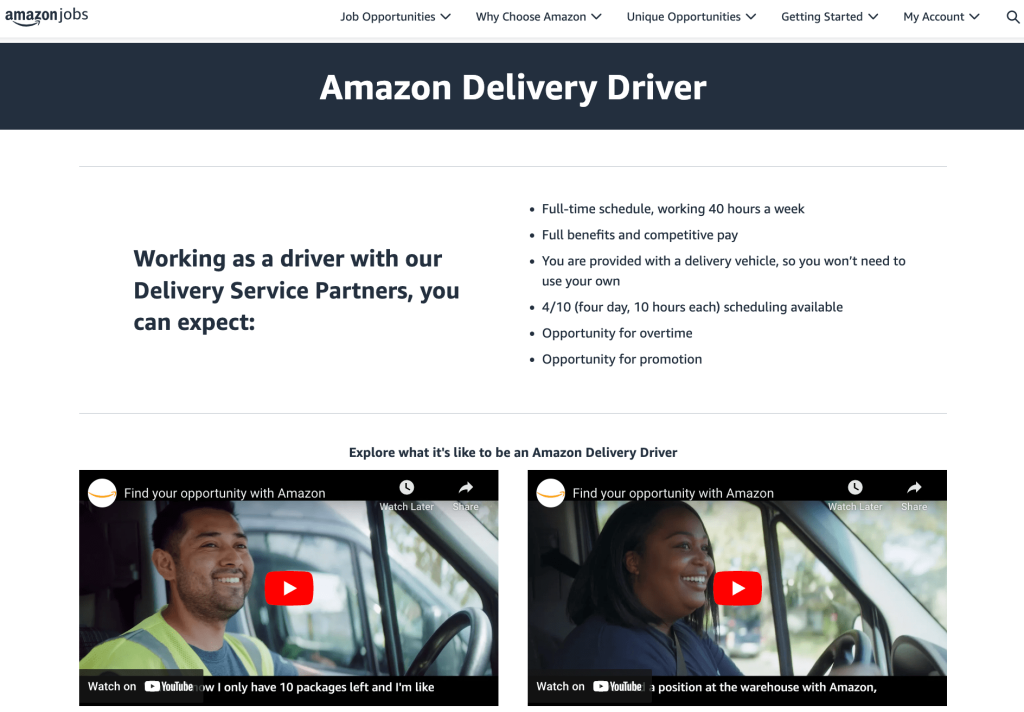
A defining strategic move for Amazon’s brand was its decision to increasingly insource its delivery operations. Over time, Amazon moved from solely relying on traditional carriers to developing its own vast fleet of planes, trucks, and vans, and building its own last-mile delivery network, including Amazon Flex. This shift was a significant brand statement.
By taking greater control of the delivery process, Amazon enhanced its ability to dictate speed, reliability, and the overall customer experience. This move allowed for greater flexibility, enabling initiatives like same-day delivery and even package delivery inside customers’ homes. From a brand perspective, this meant Amazon was not just a seller, but a complete end-to-end service provider. It ensured that the “last mile” – the final touchpoint with the customer – was consistently excellent, reflecting positively on the Amazon brand and further differentiating it from competitors still largely reliant on third-party shippers. This represented a mature phase in Amazon’s brand strategy, where ownership of the delivery process became paramount to maintaining its high standards and customer trust.
The Future of Delivery: Drones, AI, and Sustainability
Amazon continues to push the boundaries of delivery innovation, reinforcing its brand as forward-thinking and technologically advanced. Concepts like drone delivery (Prime Air), autonomous vehicles, and advanced AI-driven logistics are not merely futuristic experiments; they are brand statements. They signal Amazon’s commitment to continuous improvement, hyper-efficiency, and leveraging cutting-edge technology to serve its customers better.
Furthermore, as societal awareness around environmental impact grows, Amazon’s investments in sustainable delivery solutions—such as electric vehicles and optimizing delivery routes—are becoming increasingly important for its brand reputation. These initiatives align the brand with evolving consumer values, demonstrating a commitment not just to speed and convenience, but also to responsible operations. The future of Amazon’s delivery continues to evolve, constantly reinforcing its brand as an innovator and a leader.
The Unseen Impact: Delivery as a Core Brand Differentiator
Ultimately, Amazon’s approach to delivery transcends logistics; it is deeply embedded in its brand DNA, serving as an invisible yet powerful differentiator that has shaped its market dominance and customer relationships.
Customer Trust and Relationship
Reliable and efficient delivery is a foundational element of customer trust. For Amazon, every on-time, intact package reinforces the brand’s credibility and commitment to its customers. This consistent positive experience builds an emotional connection, fostering loyalty and making Amazon the default choice for online shopping. The brand doesn’t just sell products; it delivers on promises, forging an unbreakable bond with its user base. This trust, built package by package, is invaluable brand equity.
Competitive Edge and Market Dominance
Amazon’s superior delivery capabilities have provided an almost insurmountable competitive advantage. The scale, efficiency, and continuous innovation in its logistics network create a high barrier to entry for aspiring competitors. While others may offer similar products, few can replicate the speed, reliability, and cost-effectiveness of Amazon’s delivery machine. This operational excellence translates directly into market dominance, with delivery serving as a key driver of Amazon’s massive market share and brand preference. It’s a brand differentiator that impacts the bottom line.
Brand Perception and Values
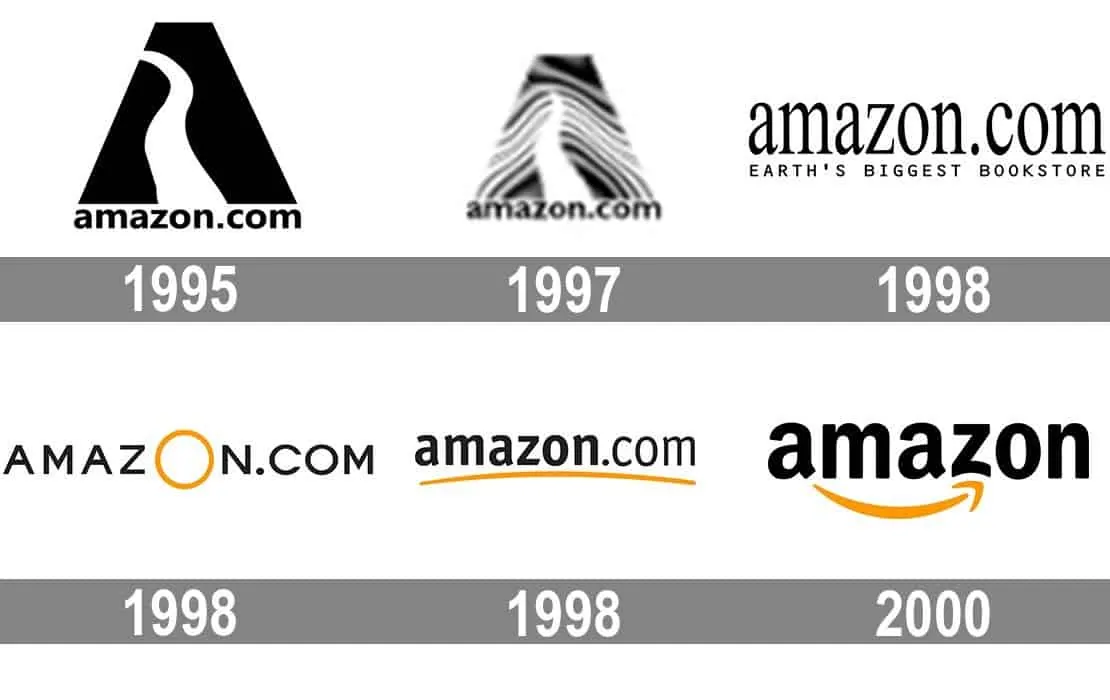
At its core, Amazon’s delivery narrative communicates a clear set of brand values: efficiency, innovation, and customer obsession. The sheer scale and precision of its logistics operations speak volumes about its commitment to operational excellence. Its relentless pursuit of faster, more convenient delivery options highlights its innovative spirit. And above all, the focus on getting products to customers quickly and reliably underscores its unwavering customer-centricity. The entire delivery infrastructure is a tangible manifestation of the Amazon brand philosophy, making it far more than just a means to an end; it is the very essence of what Amazon represents to millions of people worldwide.
In conclusion, “When did Amazon start delivering?” is a question whose answer is inextricably linked to the birth and evolution of its brand. From its humble beginnings as an online bookstore, Amazon meticulously built its brand identity around the promise and execution of unparalleled delivery. The transition from basic shipping to the game-changing Prime service, and subsequently to a global, insourced logistics powerhouse, demonstrates a strategic understanding that delivery is not just a function, but a fundamental brand differentiator. Amazon didn’t merely deliver products; it delivered on its brand promise, transforming customer expectations and cementing its place as an enduring icon of modern commerce.
aViewFromTheCave is a participant in the Amazon Services LLC Associates Program, an affiliate advertising program designed to provide a means for sites to earn advertising fees by advertising and linking to Amazon.com. Amazon, the Amazon logo, AmazonSupply, and the AmazonSupply logo are trademarks of Amazon.com, Inc. or its affiliates. As an Amazon Associate we earn affiliate commissions from qualifying purchases.