
As the calendar turns toward a new year, taxpayers across the United States begin to shift their focus toward the annual ritual of filing federal and state income tax returns. Navigating the 2025 tax season requires a blend of chronological awareness and a deep understanding of the evolving financial landscape. For the 2024 tax year—the income you earned throughout the current year—the filing window in 2025 represents the culmination of your financial planning and documentation.
Understanding exactly when you can submit your return is more than just a matter of hitting a deadline; it is a strategic component of personal finance. Whether you are anticipating a significant refund to bolster your savings or preparing to manage a tax liability, knowing the IRS timeline and the legislative changes impacting your return is essential for maintaining financial health.

The 2025 Tax Filing Calendar: Key Dates and Windows
The Internal Revenue Service (IRS) typically opens the filing season in mid-to-late January. While the official start date for 2025 has not been announced as of late 2024, historical data suggests that the “opening day”—the date the IRS begins accepting and processing individual tax returns—will likely fall between January 20 and January 27, 2025.
The Importance of the Opening Date
Filing as soon as the IRS systems open is a primary defense against identity theft. By submitting your return early, you reduce the window of opportunity for scammers to file a fraudulent return using your Social Security number. Furthermore, for those expecting a refund, filing in late January typically results in receiving funds much sooner than those who wait until the April rush.
The April 15 Deadline
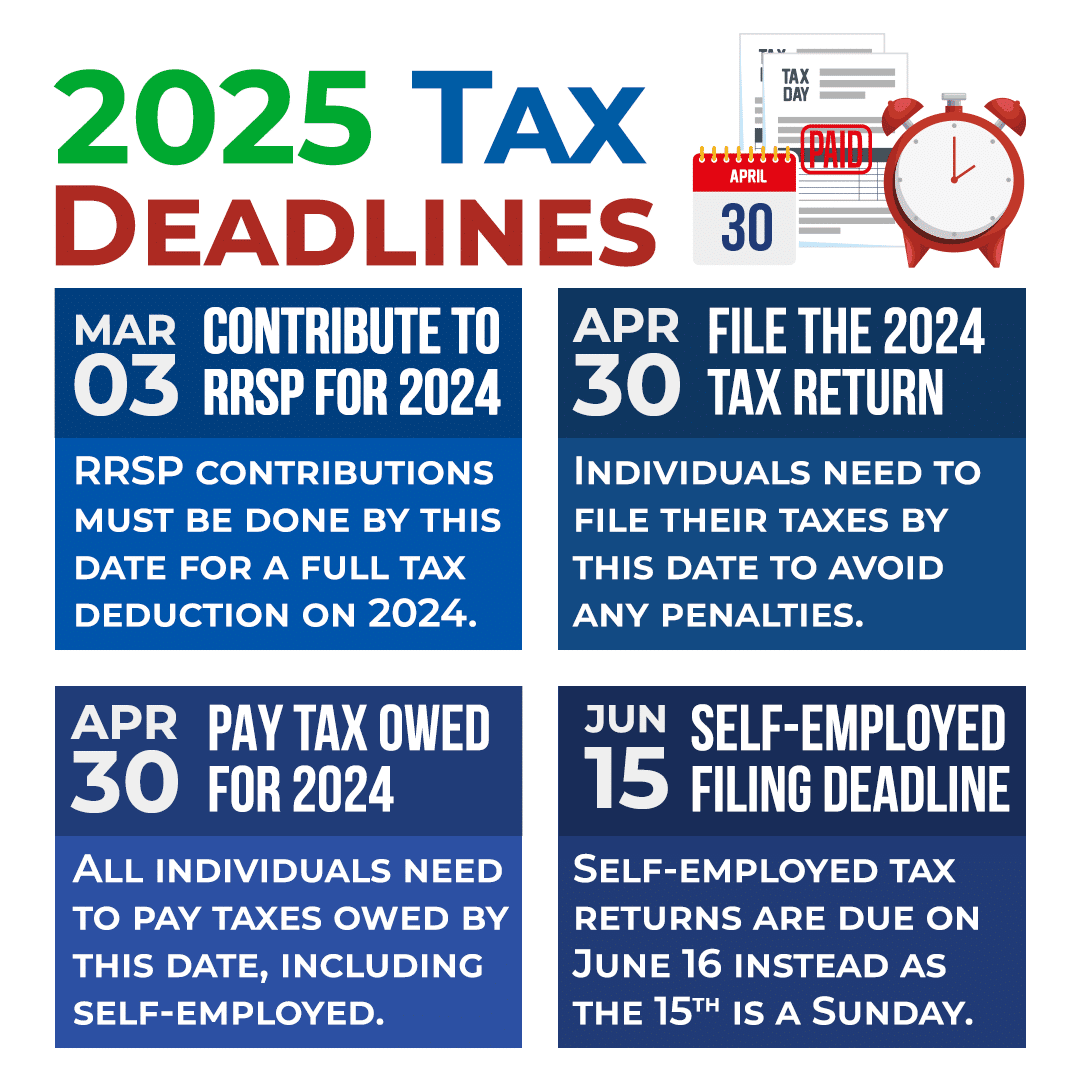
For the vast majority of taxpayers, the deadline to file 2024 tax returns and pay any taxes owed is Tuesday, April 15, 2025. Unlike some years where the deadline is pushed to April 16 or 17 due to holidays like Emancipation Day in Washington, D.C., or Patriots’ Day in Maine and Massachusetts, 2025 follows the standard schedule.
Failure to file by this date can result in failure-to-file and failure-to-pay penalties. It is important to note that even if you request an extension, that extension only applies to the paperwork, not the payment. Any estimated taxes owed must still be paid by the April 15 deadline to avoid interest charges.
Extension Deadlines and Quarterly Payments
If you find that you cannot complete your return by the April deadline, you can file for an automatic six-month extension, moving your filing deadline to October 15, 2025. This is common for individuals with complex investments, such as K-1s from private equity or real estate syndications, which often arrive late in the spring.
Additionally, small business owners and freelancers must keep the quarterly estimated tax payment schedule in mind. The final payment for the 2024 tax year is due January 15, 2025, while the first payment for the 2025 tax year is due April 15, 2025.
Critical Tax Law Changes for the 2025 Filing Season
The 2024 tax year has seen several adjustments due to high inflation, which impacts everything from tax brackets to the standard deduction. These “inflation adjustments” are designed to prevent “bracket creep,” where taxpayers are pushed into higher tax brackets despite their real purchasing power remaining stagnant.
Adjusted Tax Brackets and Standard Deductions
For the 2025 filing season, taxpayers will notice that the income thresholds for all seven federal tax brackets (10%, 12%, 22%, 24%, 32%, 35%, and 37%) have increased. This means you can earn more money before being pushed into a higher percentage tier.
The standard deduction has also seen a significant boost. For the 2024 tax year:
-
Single filers and married filing separately: $14,600 (an increase from $13,850 in 2023).
-
Married filing jointly: $29,200 (an increase from $27,700).
-
Heads of household: $21,900 (an increase from $20,800).
Higher standard deductions make it less likely that taxpayers will choose to itemize, simplifying the filing process for millions of households while effectively lowering their taxable income.
Energy Credits and the Clean Vehicle Credit
The 2025 filing season continues to emphasize the transition toward green energy. Taxpayers who made energy-efficient home improvements in 2024—such as installing solar panels, heat pumps, or energy-efficient windows—may qualify for the Energy Efficient Home Improvement Credit, which can cover up to 30% of the cost, capped at specific amounts depending on the upgrade.

The Clean Vehicle Credit remains a significant focus for those who purchased an electric vehicle (EV) in 2024. Under the updated rules, some taxpayers were able to transfer the credit (up to $7,500 for new vehicles) directly to the dealer at the time of purchase, effectively using it as a down payment. If you did not transfer the credit, you will claim it on your 2024 return. Note that income caps and battery sourcing requirements strictly apply, making it vital to have the correct VIN-specific documentation ready when the filing window opens.
Strategic Financial Preparation for Early Filers
To file as early as possible in 2025, preparation must begin long before the IRS opens its doors. Financial organization is the difference between a seamless filing experience and a stressful, error-prone one.
Organizing Documentation
The “When” of filing is often dictated by the “What”—specifically, when you receive your documentation. Employers are required to send W-2 forms by January 31, 2025. Similarly, 1099-INT (interest), 1099-DIV (dividends), and 1099-B (brokerage transactions) usually arrive in late January or early February.
For those involved in the “gig economy” or who have side hustles, the 1099-K threshold has been a point of contention and delay in recent years. Staying organized with a dedicated business bank account and digital receipts ensures that even if a form is delayed or the reporting threshold changes, your internal records are sufficient to file accurately.
Maximizing Retirement and HSA Contributions
One of the unique aspects of the U.S. tax code is the ability to influence your 2024 tax liability even after the year has ended. You have until the April 15, 2025, deadline to contribute to a Traditional IRA or a Health Savings Account (HSA) and have it count toward your 2024 deductions.
For 2024, the IRA contribution limit is $7,000 ($8,000 for those 50 and older). Maximizing these contributions before you file can significantly lower your Adjusted Gross Income (AGI), potentially qualifying you for other income-based credits or deductions that you might have otherwise missed.
Navigating Modern Filing Systems and Security
As we approach 2025, the method of filing is becoming as important as the timing. The IRS has been aggressively modernizing its digital infrastructure to handle the massive influx of data that occurs each spring.
The Expansion of IRS Direct File
One of the most significant developments for the 2025 season is the potential expansion of the IRS Direct File program. After a successful pilot in 2024 across 12 states, the IRS has signaled intentions to broaden this free, government-run filing service. This tool allows eligible taxpayers to file their federal returns directly with the IRS without using third-party software like TurboTax or H&R Block. If you live in a participating state and have a relatively straightforward tax situation, this could be the fastest and most cost-effective way to file in 2025.
Choosing Between Software and Professionals
For individuals with complex portfolios—including rental properties, cryptocurrency trades, or international business interests—the “when” of filing often depends on the availability of a Certified Public Accountant (CPA). High-quality tax professionals often close their intake for new clients as early as February.
Conversely, for those using tax software, the 2025 versions of popular programs usually launch in late November or December of 2024. This allows you to input your data incrementally as it arrives, so you are ready to hit “submit” the moment the IRS begins processing.
Protecting Your Refund
Identity theft remains a prevalent threat during tax season. The IRS uses the “Identity Protection PIN” (IP PIN) program to help prevent fraudulent returns. If you have been a victim of identity theft in the past, or if you simply want an extra layer of security, you can opt into this program. The IRS will issue you a unique six-digit number each year that must be entered on your return for it to be accepted. For 2025, ensuring your IP PIN is updated and accessible is a critical step in the early filing process.
Conclusion: Setting a Timeline for Success
While the physical act of filing taxes in 2025 occurs in the spring, the financial strategy behind it is a year-round endeavor. By marking late January as your target for submission, you position yourself to receive your refund quickly and protect your identity. By understanding the adjustments in tax brackets and credits, you can make informed decisions about retirement contributions and energy-efficient investments before the April 15 deadline.
The 2025 tax season is not just about compliance; it is an opportunity to audit your financial progress. Whether you are navigating the complexities of the gig economy, managing a diverse investment portfolio, or simply seeking to maximize your standard deduction, staying ahead of the IRS calendar is a hallmark of sound financial management. As January approaches, gather your documents, monitor the IRS announcements for the official start date, and prepare to execute a filing strategy that serves your long-term wealth-building goals.
aViewFromTheCave is a participant in the Amazon Services LLC Associates Program, an affiliate advertising program designed to provide a means for sites to earn advertising fees by advertising and linking to Amazon.com. Amazon, the Amazon logo, AmazonSupply, and the AmazonSupply logo are trademarks of Amazon.com, Inc. or its affiliates. As an Amazon Associate we earn affiliate commissions from qualifying purchases.