
For the savvy consumer, airfare is rarely a fixed cost; it is a volatile commodity subject to the complex laws of supply, demand, and algorithmic revenue management. In the realm of personal finance, travel often represents one of the largest discretionary expenses in a household budget. Therefore, mastering the timing of a flight purchase is not merely about convenience—it is a critical exercise in capital preservation and value optimization.
Understanding when to buy requires looking past the anecdotal advice of the past and analyzing the modern data-driven landscape of the airline industry. By treating airfare as a strategic investment rather than an impulse purchase, you can significantly lower your cost of living while maintaining a high quality of life.
The Science of the Strategic Booking Window
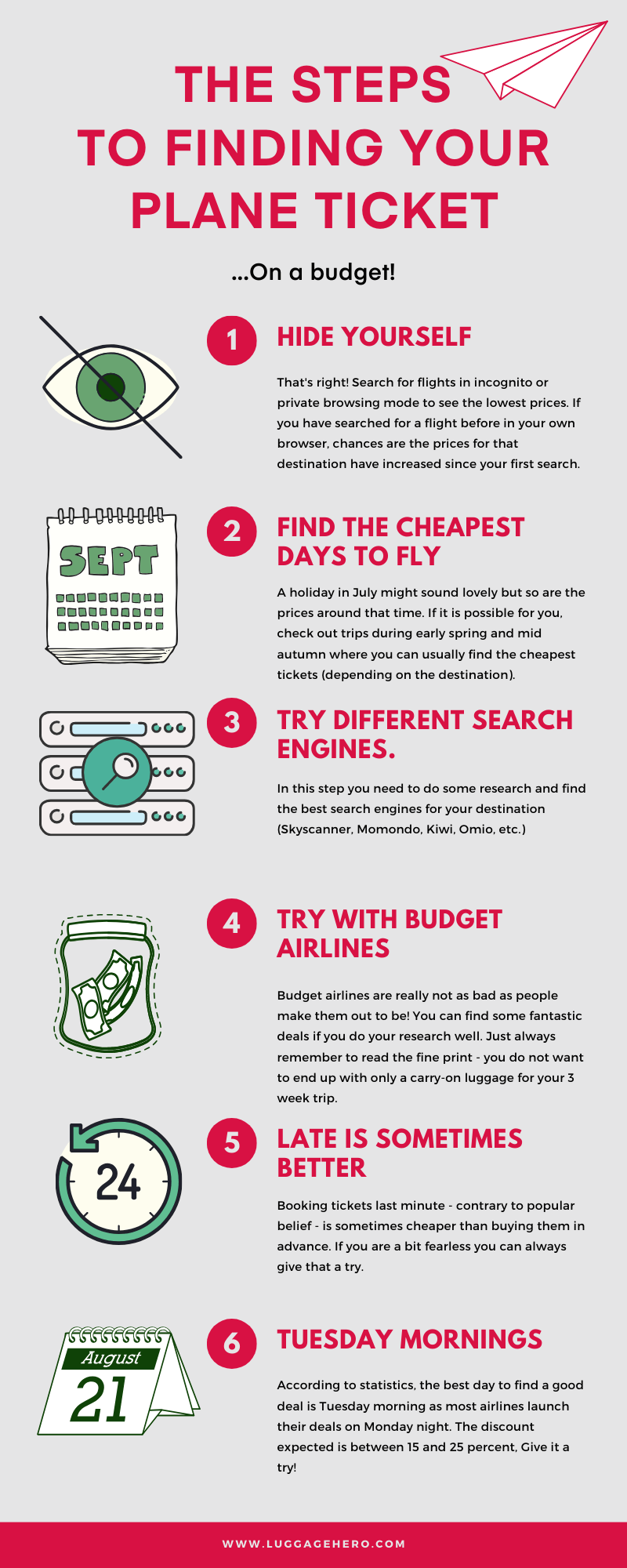
The “Goldilocks Window” is the period during which airlines are most likely to offer their lowest fares before increasing prices to capitalize on last-minute business travelers who are less price-sensitive. Finding this window is the first step in any robust travel-savings strategy.
Domestic vs. International Timelines
For domestic travel within the United States or within a single continent like Europe, the financial “sweet spot” typically occurs between one and three months before departure. Data from various financial travel trackers suggest that prices tend to bottom out around 45 to 60 days prior to takeoff. Booking earlier than this often means paying a premium for the certainty of a seat, while booking later subjects you to the steep price hikes that occur in the final 21 days before a flight.
International travel requires a significantly longer lead time. Because international routes have lower frequencies and higher overhead costs, airlines manage these inventories more conservatively. To secure the most favorable rates, travelers should look to book between four and eight months in advance. For peak travel seasons, such as summer in Europe or the winter holidays, extending this window to ten months is often the most fiscally responsible move.
The Seasonal Factor and Market Volatility
Market demand shifts seasonally, and your booking strategy must shift with it. In the world of personal finance, this is known as “off-peak arbitrage.” Traveling during the “shoulder season”—the period between high and low seasons—can result in savings of 30% to 50%. For example, visiting the Mediterranean in late September rather than July offers a similar climate for a fraction of the cost. From a budgetary perspective, aligning your travel goals with these periods of lower demand is the most effective way to stretch your travel dollar.
Debunking the Midweek Booking Myth
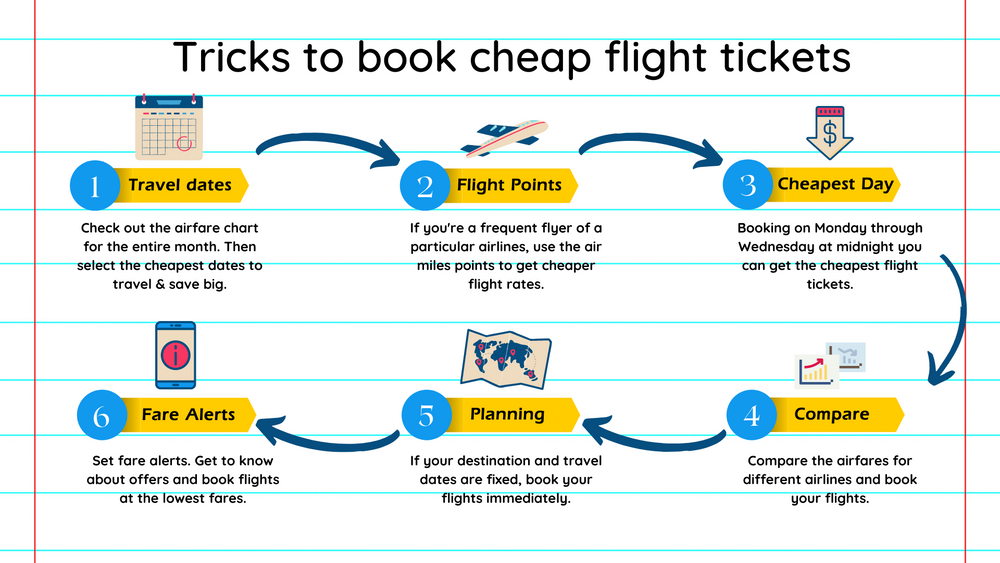
One of the most persistent myths in travel finance is that booking a flight on a Tuesday at midnight will yield the lowest price. While this may have been true in the era of manual fare updates, modern airline pricing is governed by sophisticated AI and machine learning algorithms that adjust prices in real-time based on thousands of variables.
Data vs. Tradition
The day of the week you book your flight is far less important than the day of the week you choose to fly. Recent studies of millions of transactions show that there is no longer a “magic day” to click the purchase button. Prices are updated continuously. However, there is a distinct financial advantage to flying on certain days. Midweek departures—specifically Tuesdays and Wednesdays—remain the cheapest days to fly because they avoid the weekend rush of both leisure and business travelers.
Travel Days vs. Booking Days
If you are looking to optimize your outflow, focus your energy on the travel itinerary rather than the purchase timestamp. Shifting a departure from a Sunday to a Monday can often save enough money to cover two nights of accommodation at your destination. In the context of a family of four, these marginal gains aggregate into thousands of dollars in annual savings. The goal is to remain flexible with the calendar to exploit the gaps in airline occupancy.
Leveraging Financial Instruments and Rewards
To truly master the cost of airfare, one must look beyond the sticker price and consider the broader financial ecosystem of travel. This involves the strategic use of credit card rewards, points, and cash-back ecosystems.
Travel Credit Cards and Point Arbitrage
For those with high credit scores and disciplined spending habits, travel credit cards are a powerful tool for reducing out-of-pocket expenses. By funneling regular monthly expenses through cards that offer “miles” or “points,” a traveler can effectively subsidize their flights.
The real financial gain comes from “point arbitrage”—transferring points to airline partners where the redemption value exceeds the standard cash value of the point. For instance, while a point might be worth 1 cent when redeemed for a statement credit, it could be worth 2 or 3 cents when transferred to a partner airline for a high-value international flight. This is essentially a way to manufacture travel currency at a discount.
Cash Back and Portals
Using shopping portals and cash-back aggregators when booking can provide a secondary layer of savings. Many financial institutions offer 3% to 5% back on travel purchases made through their specific ecosystems. While it may seem like a small percentage, on a $2,000 international itinerary, a 5% return is $100—money that stays in your investment portfolio rather than going to the airline’s bottom line.
Analyzing the True Cost of Budget Travel
In personal finance, the “cheapest” option is not always the best value. The rise of Ultra-Low-Cost Carriers (ULCCs) has introduced a new layer of complexity to flight pricing. To make an informed decision, you must calculate the “all-in” cost of a flight.
The Ancillary Fee Trap
A $49 flight might seem like a bargain, but once you add fees for a carry-on bag, seat assignment, and even a printed boarding pass, the price can easily triple. When comparing flights, it is essential to use a “shadow price” that includes all necessary add-ons. Often, a “legacy” carrier that includes a carry-on and a snack may actually be the more economical choice once all variables are accounted for.
Evaluating the Opportunity Cost of Layovers
Time is a financial asset. A flight with two layovers might be $200 cheaper than a nonstop flight, but if those layovers add 10 hours to your journey, you must ask what your time is worth. Furthermore, long layovers often incur additional costs: airport meals, transit lounge fees, or even an overnight hotel stay. A professional approach to travel budgeting involves weighing the cash savings against the opportunity cost of your time and the potential for travel fatigue, which can diminish the value of the trip itself.
Building a Sustainable Travel Budgeting System
The most successful travelers don’t find cheap flights by luck; they find them by building a system that monitors the market for them. This systemic approach removes the emotional stress of “waiting for a better deal” and replaces it with data-driven decision-making.
Automated Monitoring Tools
Rather than manually checking prices every day, use financial tools that provide automated price alerts. Setting “price drops” for specific routes allows you to be a passive observer of the market until the price hits your predetermined target. This is similar to a “limit order” in stock trading—you have decided what the flight is worth to you, and you only execute the transaction when the market meets your price.

Flexibility as a Financial Asset
The ultimate “hack” for cheap flights is flexibility. If your destination and dates are fixed, you are at the mercy of the airline’s pricing power. However, if you are flexible with your destination—using “search everywhere” tools—you can choose to travel where the value is currently highest. From a wealth-building perspective, this allows you to enjoy luxury experiences at a fraction of the cost simply by going where the supply currently exceeds the demand.
By treating the acquisition of airfare as a financial discipline, you can ensure that your travel experiences enhance your life without compromising your long-term financial goals. The cheapest flight isn’t just about the date on the calendar; it’s about the strategy you use to capture it.
aViewFromTheCave is a participant in the Amazon Services LLC Associates Program, an affiliate advertising program designed to provide a means for sites to earn advertising fees by advertising and linking to Amazon.com. Amazon, the Amazon logo, AmazonSupply, and the AmazonSupply logo are trademarks of Amazon.com, Inc. or its affiliates. As an Amazon Associate we earn affiliate commissions from qualifying purchases.