
In the modern era of professional sports, the question of “when” a major event occurs is no longer just a matter of checking a printed calendar. For Major League Soccer (MLS), the transition into a tech-centric broadcast and engagement model has fundamentally changed how fans discover, track, and experience the postseason. The intersection of global streaming rights, real-time data analytics, and sophisticated mobile ecosystems has turned the MLS Cup Playoffs into a masterclass in digital delivery.
Understanding when the MLS playoffs occur requires looking through the lens of the technological infrastructure that supports the league. Since the landmark partnership with Apple, the scheduling and distribution of playoff matches have been optimized for a digital-first audience, ensuring that whether a fan is in Los Angeles, Miami, or London, the “when” is always at their fingertips.
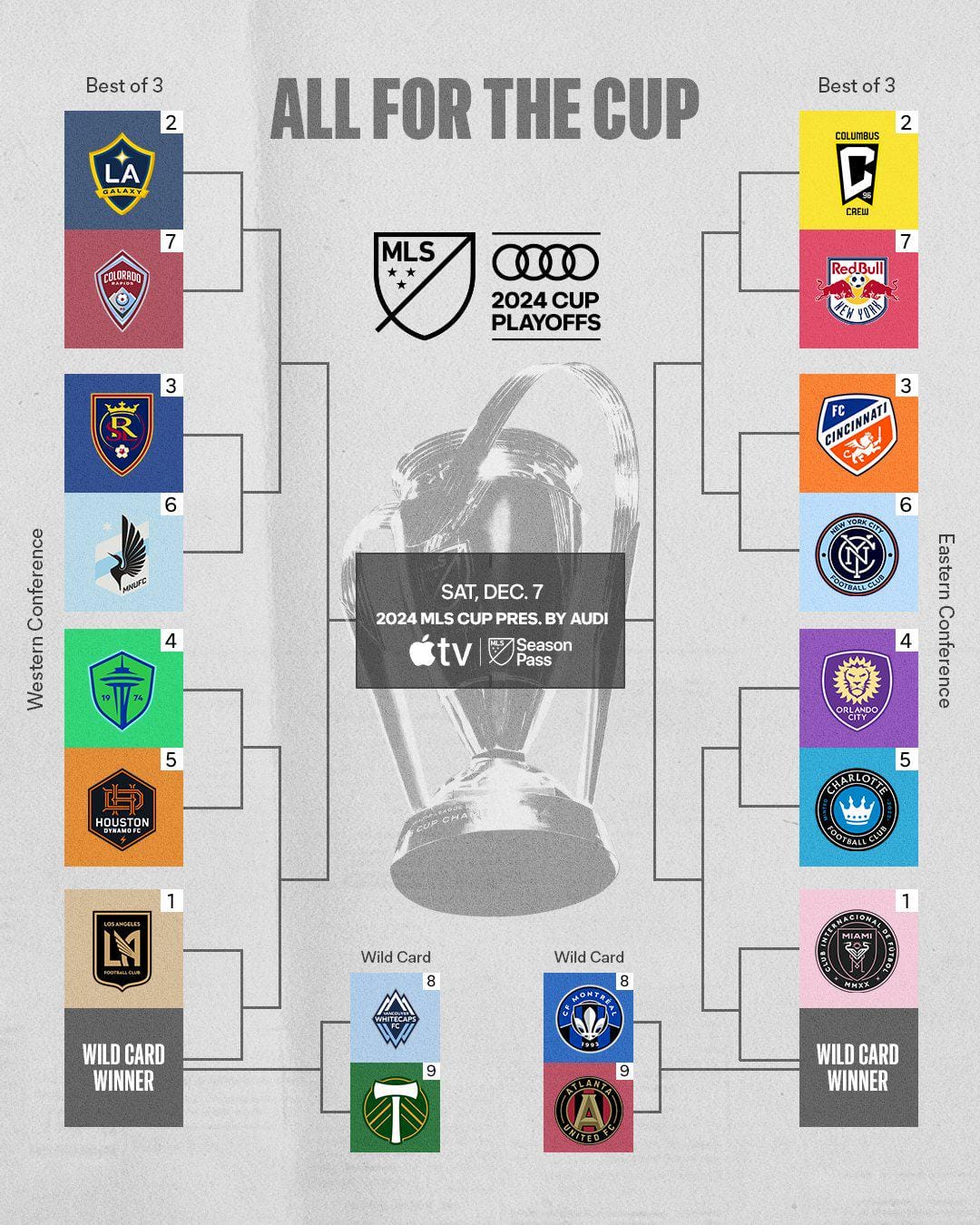
Digital-First Scheduling: How MLS Season Pass Redefined the Playoff Calendar
The primary driver behind the timing and accessibility of the MLS playoffs is the MLS Season Pass on the Apple TV app. This 10-year partnership represents one of the most significant shifts in sports media technology, moving away from fragmented regional sports networks (RSNs) to a unified global streaming platform.
The Unified Kickoff Window
Historically, fans struggled to find “when” games were played because kickoff times were dictated by a patchwork of local and national television windows. Technology has solved this through standardized scheduling. During the playoffs, the league utilizes data-driven scheduling to maximize viewership across time zones. By analyzing user engagement metrics within the Apple TV app, the league can identify peak streaming windows. This ensures that the most anticipated matchups—such as those featuring high-profile stars or major market rivalries—are positioned in slots that maximize server efficiency and viewer retention.
Global Synchronization and Latency Management
One of the greatest technical challenges of the MLS playoffs is the global “when.” Because MLS Season Pass is available in over 100 countries, the league must manage the technical load of millions of concurrent streams. The playoffs utilize a robust Content Delivery Network (CDN) to ensure that the “live” in live sports remains as close to real-time as possible. Low-latency streaming technology is critical during the postseason, where a ten-second delay could mean a fan receives a goal notification on their phone before seeing it on their screen. The scheduling of the playoffs is thus a balance of marketing timing and technical bandwidth management.
Real-Time Engagement: Tracking the Road to the Cup via Integrated Apps and AI
For the modern fan, knowing when the MLS playoffs begin is facilitated by an ecosystem of interconnected software. We have moved past the era of manual searches; today, the schedule comes to the user through sophisticated API integrations and artificial intelligence.
Live Activities and Dynamic Island Integration
For users within the iOS ecosystem, the “when” of the MLS playoffs is handled by Live Activities. This feature allows fans to follow playoff scores and upcoming match times directly on their lock screen or within the Dynamic Island. From a technical standpoint, this requires a seamless handshake between the MLS data feed (often powered by providers like Opta) and the Apple operating system. When the playoff bracket is set, these APIs automatically update, pushing the schedule to millions of devices without the user needing to refresh an app.
Algorithmic Notification Engines
The MLS mobile app and third-party sports platforms use machine learning to predict which playoff matches a user is most likely to be interested in. By analyzing past viewing habits, location data, and team preferences, these apps send personalized “tune-in” notifications. This technical layer ensures that the “when” is proactive rather than reactive. If a Wild Card match is heading into extra time or a penalty shootout, the notification engine can trigger a massive surge in traffic by alerting fans of the high-stakes moment in real-time, requiring the backend infrastructure to scale instantaneously to handle the influx of viewers.
Search Engine Optimization and Instant Answers
When a user types “when are the MLS playoffs” into a search engine, they are greeted with a “Rich Snippet” or an “Instant Answer” box. This is made possible by Schema markup—a specific type of code that the MLS digital team uses to label schedule data so that search engine crawlers can easily parse and display it. This structured data ensures that the playoff dates, times, and broadcast channels are presented in a structured format, reducing the friction between a user’s curiosity and their access to the stream.
Broadcast Innovation: The Engineering That Powers Playoff Streaming
The postseason represents the pinnacle of the MLS season, and the technology used to broadcast these games is significantly more advanced than the standard regular-season fare. The “when” of the playoffs is also defined by the “how”—specifically, how the technology delivers a high-definition experience to a global audience.
1080p HDR and the Push for 4K
The MLS playoffs are produced in 1080p High Dynamic Range (HDR). This requires a massive amount of data throughput. During the playoffs, the number of specialized cameras—including sky cams, drone shots, and high-frame-rate cameras for slow-motion replays—increases. The coordination of these inputs happens in a high-tech production hub where directors manage dozens of feeds simultaneously. The timing of the playoffs is often set to ensure that lighting conditions are optimal for these high-end sensors, providing a cinematic quality that was previously impossible in soccer broadcasting.
Remote Production and Cloud Workflows
A significant tech trend in the MLS playoffs is the use of REmote PROduction (REPRO). Instead of sending massive satellite trucks to every playoff venue, many of the camera feeds are sent via high-speed fiber optics to a centralized production facility. This cloud-based workflow allows for faster editing of highlight reels and more efficient distribution of social media content. When a goal is scored in a playoff match, AI-driven clipping tools can generate a highlight and distribute it across platforms in under 60 seconds. This technological speed is what keeps the league relevant in the fast-paced digital landscape.
The Role of Data Analytics in Playoff Qualification and Seeding
While fans focus on the dates of the matches, the “when” of the playoffs is actually determined by months of algorithmic data processing. The transition from the regular season to the postseason is governed by a complex set of tiebreakers and performance metrics that are tracked in real-time.
Predictive Modeling for the Playoff Race
In the weeks leading up to the postseason, data scientists and sports tech analysts use Monte Carlo simulations to predict the “when” and “where” of the playoffs. These models take into account thousands of variables, including strength of schedule, player injury data, and historical performance. This tech isn’t just for betting markets; it is used by the league’s logistics teams to pre-visualize travel schedules and broadcast requirements.
VAR and High-Stakes Decision Making
The playoffs often hinge on a single moment, and the Video Assistant Referee (VAR) is the most critical piece of tech on the pitch. The VAR system utilizes multiple synchronized camera angles and calibrated line-drawing technology to assist officials. In the high-pressure environment of the playoffs, the speed and accuracy of VAR are paramount. The technical evolution of “semi-automated offside technology” is the next frontier, potentially being integrated to ensure that the “when” of a goal is never in doubt.
Smart Stadiums: The Physical Tech Behind Matchday Timing
The “when” of the MLS playoffs finally culminates at the stadium, where physical infrastructure meets digital convenience. Modern MLS venues are “Smart Stadiums” designed to handle the unique demands of a playoff crowd.
Biometric Entry and NFC Ticketing
The playoffs see a surge in ticket demand, and the tech used to manage entry is vital for maintaining the schedule. Near Field Communication (NFC) and biometric scanners allow for rapid entry, ensuring that fans are in their seats by the time the whistle blows. This digital ticketing ecosystem also provides the league with valuable data on fan arrival patterns, which can be used to optimize future playoff start times.

Connectivity and 5G Integration
During a playoff match, the demand for data within the stadium is astronomical. Fans are sharing videos, checking scores of other games, and interacting with social media. To support this, playoff venues are equipped with high-density Wi-Fi 6 and 5G small cells. This connectivity is what allows the “when” of the playoffs to be a shared social experience, bridging the gap between the physical match and the global digital conversation.
In conclusion, the question of “when are the MLS playoffs” is answered by a sophisticated web of technology. From the Apple-powered streaming ecosystem that delivers the games to the AI-driven apps that notify fans of kickoffs, the MLS postseason is a testament to how digital innovation has transformed sports. As the league continues to grow, the integration of technology will only deepen, making the playoff schedule more accessible, more interactive, and more immersive than ever before.
aViewFromTheCave is a participant in the Amazon Services LLC Associates Program, an affiliate advertising program designed to provide a means for sites to earn advertising fees by advertising and linking to Amazon.com. Amazon, the Amazon logo, AmazonSupply, and the AmazonSupply logo are trademarks of Amazon.com, Inc. or its affiliates. As an Amazon Associate we earn affiliate commissions from qualifying purchases.