
The question of when interest rates will begin their descent from recent highs is arguably one of the most pressing economic concerns for individuals, businesses, and investors worldwide. After a period of aggressive rate hikes by central banks globally, aimed at taming persistent inflation, the focus has now shifted from “how high will they go?” to “when will they come down?”. This anticipation is not merely academic; it has profound implications for mortgage payments, business loans, investment returns, and the overall health of the economy. Understanding the forces at play, the signals central banks monitor, and the various scenarios that could unfold is crucial for navigating the current financial landscape. This article delves into the complexities surrounding interest rate movements, offering insights into the factors that will ultimately dictate their trajectory.
Understanding the Central Bank’s Mandate and Current Stance
Central banks, such as the Federal Reserve in the United States, the European Central Bank, and the Bank of England, wield significant influence over an economy’s monetary policy, primarily through their control of benchmark interest rates. Their decisions are not arbitrary but are guided by a fundamental mandate to maintain economic stability.
The Dual Mandate: Inflation and Employment
Most major central banks operate under a dual mandate: achieving price stability (controlling inflation) and maximizing sustainable employment. These two objectives can often present a challenging balancing act. When inflation surges, as it has in recent years due to supply chain disruptions, strong consumer demand, and geopolitical events, central banks typically respond by raising interest rates. Higher rates make borrowing more expensive, which cools demand, slows economic activity, and, in theory, brings inflation back down towards target levels (typically around 2%). Conversely, if the economy is slumping and unemployment is rising, central banks might cut rates to stimulate borrowing, investment, and job creation. The current environment has seen central banks prioritize taming inflation, even at the risk of some economic slowdown.
Recent Rate Hikes and Their Rationale
The past couple of years have been marked by a historic series of interest rate increases. This aggressive tightening cycle was a direct response to inflation reaching multi-decade highs, eroding purchasing power and creating economic uncertainty. Central banks reasoned that allowing high inflation to become entrenched would be far more damaging in the long run than the short-term pain of higher borrowing costs. Their strategy was to front-load rate hikes, signaling their commitment to price stability and aiming to bring inflation under control swiftly. While these actions have begun to show results, with inflation moderating from its peaks, it often remains above target, prompting caution from policymakers.
Key Economic Indicators Under Scrutiny
Central banks are data-dependent institutions. Their decisions are heavily influenced by a continuous stream of economic data. To determine the appropriate timing for rate cuts, they meticulously scrutinize several key indicators:
-
Inflation Reports: Consumer Price Index (CPI) and Personal Consumption Expenditures (PCE) are paramount. Central banks look not just at headline numbers but also at “core” inflation (excluding volatile food and energy prices) to gauge underlying price pressures. They want to see a clear and sustained trend towards their 2% target.
-
Labor Market Data: Unemployment rates, job growth figures, wage growth, and labor force participation rates provide insights into the health of the job market. A resilient labor market with strong wage growth can be inflationary, while a weakening market might signal the need for rate cuts.
-
GDP Growth: Gross Domestic Product figures indicate the overall pace of economic activity. A significantly slowing or contracting economy could necessitate monetary easing.
-
Consumer Spending and Business Investment: These indicators reflect demand within the economy. Weakening consumer confidence or declining business investment can signal impending economic challenges.
-
Manufacturing and Services PMIs: Purchasing Managers’ Indices offer a forward-looking view of economic activity in various sectors.
Factors Influencing Future Rate Decisions
Predicting the precise timing of interest rate cuts is challenging because it hinges on the evolution of multiple interconnected economic factors. Central banks will carefully weigh these elements before making any moves.
Inflationary Pressures: Goods, Services, and Wages
The most critical determinant for rate cuts will be the trajectory of inflation. Central banks need to be convinced that inflation is not only falling but will stay down. They pay close attention to:
-
Goods Inflation: Often the first to respond to rate hikes due to reduced demand and easing supply chain pressures.
-
Services Inflation: Typically stickier, as it’s heavily influenced by wages and rents. Persistent services inflation is a major concern.
-
Wage Growth: While good for workers, excessively strong wage growth can fuel a wage-price spiral, making inflation harder to tame. Central banks look for wage growth that is consistent with their inflation target and productivity gains.
A sustained moderation across all these categories, moving convincingly towards the 2% target, would pave the way for rate cuts.
Labor Market Dynamics: Strength and Wage Growth
The current resilience of many labor markets, despite significant rate hikes, has been a surprise. While robust employment is positive, a tight labor market can be inflationary through higher wages. Central banks will monitor whether:
-
Unemployment begins to tick up: A modest increase might be seen as necessary to cool demand without triggering a recession.
-
Job openings decrease: Indicating less unmet demand for labor.
-
Wage growth moderates: Aligning with productivity and the 2% inflation target.
A significant deterioration in the labor market could compel central banks to cut rates sooner, even if inflation hasn’t fully reached target, to prevent a deep recession.
Global Economic Landscape and Geopolitical Events
Domestic economic conditions are not isolated. Global factors also play a significant role:
-
Global Growth: A slowdown in major economies (e.g., China, Europe) can impact demand for exports and global commodity prices, potentially easing domestic inflationary pressures.
-
Exchange Rates: A strong domestic currency can make imports cheaper, helping to reduce inflation.
-
Geopolitical Tensions: Conflicts, trade wars, or energy supply shocks can create new inflationary pressures or economic uncertainty, complicating central bank decisions. For instance, disruptions to energy markets can directly impact inflation regardless of domestic demand.
Central banks must consider these external forces in their risk assessments and forecasts.
Consumer Spending and Business Investment
The backbone of most economies, consumer spending, and business investment are crucial barometers. Higher interest rates are designed to curb these. Policymakers will assess:
-
Consumer Confidence: How willing are households to spend and borrow? A sharp decline signals potential weakness.
-
Retail Sales: Are consumers pulling back on discretionary spending?
-
Business Capital Expenditure: Are businesses still investing in growth, or are they tightening their belts due to higher borrowing costs and economic uncertainty?
Significant weakening in these areas would signal that monetary policy is having its intended effect, potentially leading to a recession and creating an impetus for rate cuts.
Potential Timelines and Market Expectations
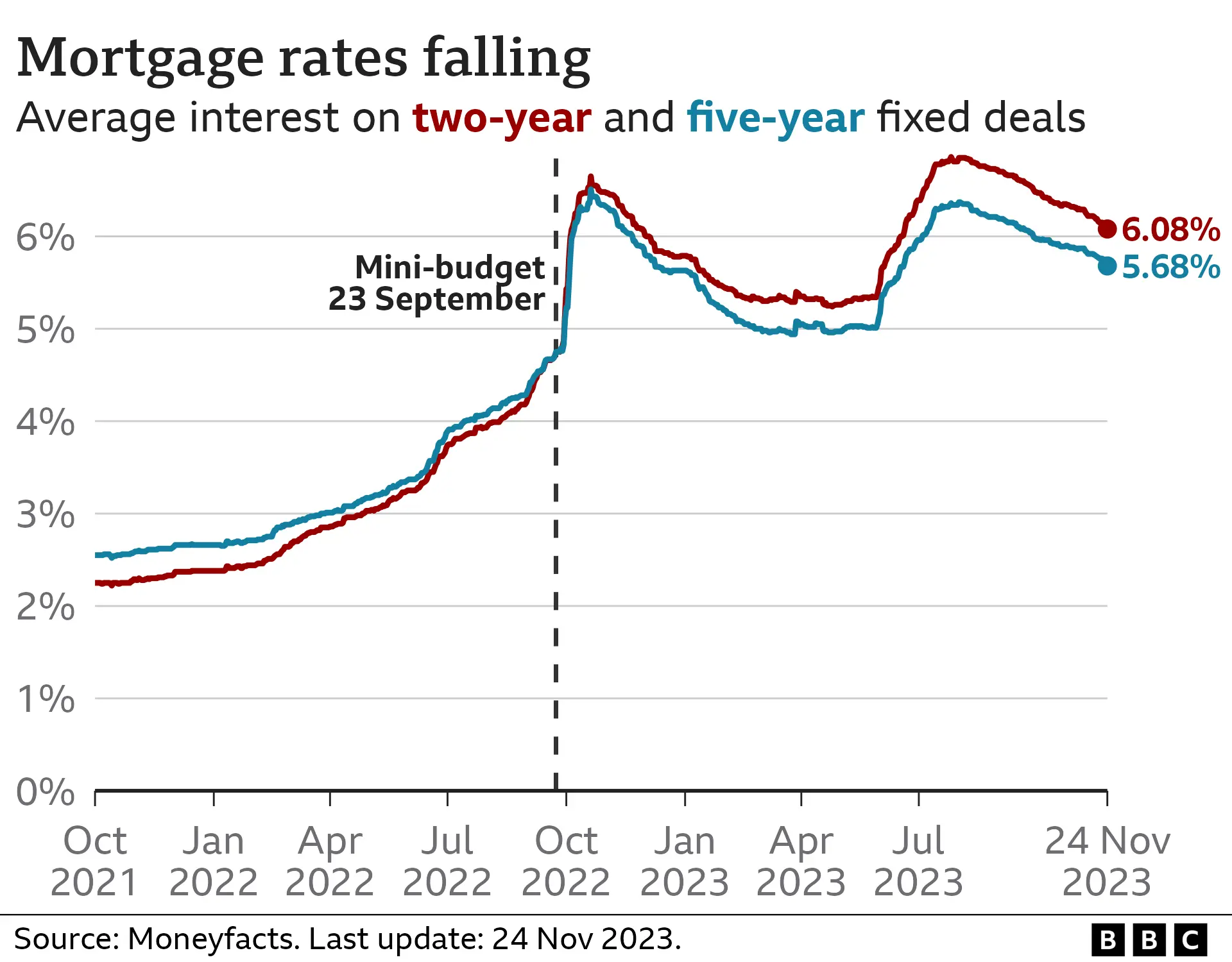
The precise timing of interest rate cuts is a subject of intense debate among economists, analysts, and market participants. Different scenarios and perspectives exist, shaping financial markets.
The ‘Higher for Longer’ Narrative
Initially, markets often priced in quick rate cuts following the peak of the hiking cycle. However, central banks have consistently pushed back against this, advocating for a “higher for longer” stance. This means that rates might stay elevated for an extended period, even after inflation shows signs of cooling, to ensure inflation is truly defeated and does not resurface. The rationale is to avoid the mistake of cutting rates too soon, only to see inflation reignite, forcing central banks to hike again. This cautious approach emphasizes patience and a data-dependent strategy.
Scenarios for Rate Cuts: Soft Landing vs. Recession
Two primary economic scenarios influence the timing and magnitude of potential rate cuts:
-
Soft Landing: In this optimistic scenario, inflation gradually returns to target without a significant economic downturn or widespread job losses. In this case, central banks might initiate gradual, measured rate cuts once they are confident inflation is under control, effectively normalizing policy. These cuts would likely be pre-emptive, aimed at preventing a slowdown from becoming a recession.
-
Recession: If the cumulative effect of rate hikes proves too restrictive, leading to a sharp economic contraction and rising unemployment, central banks would likely pivot to more aggressive rate cuts. These cuts would be reactive, aimed at cushioning the economic blow and stimulating recovery. The timing here would be dictated by the severity and persistence of the downturn.
The path the economy takes – soft landing or recession – will profoundly influence the pace and timing of any easing cycle.
Forward Guidance and Market Pricing
Central banks often use “forward guidance” to communicate their future intentions, providing markets with a sense of their policy outlook. However, this guidance is often conditional on incoming data. Financial markets, through tools like futures contracts, constantly price in their expectations for future interest rate movements. Discrepancies between market pricing and central bank guidance can lead to volatility. Traders and investors closely watch central bank speeches, meeting minutes, and economic projections for clues about the likely path of rates, adjusting their positions accordingly. These market expectations, while not always accurate, reflect the collective wisdom (and sometimes speculation) of participants about future policy.
Impact on Personal Finance and Investing
The prospect of falling interest rates carries significant implications across various aspects of personal finance and investment strategies. Understanding these impacts can help individuals and businesses prepare and adapt.
Mortgage and Loan Implications
For homeowners and prospective buyers, falling interest rates are generally welcome news:
-
Existing Variable-Rate Mortgages: Borrowers with variable-rate mortgages or lines of credit will see their monthly payments decrease, freeing up cash flow.
-
New Mortgages and Refinancing: Lower rates make new mortgages more affordable, potentially stimulating the housing market. Homeowners with higher fixed-rate mortgages from the tightening cycle may find opportunities to refinance at lower rates, reducing their long-term interest costs.
-
Other Loans: Rates on car loans, personal loans, and credit cards may also eventually decline, though often with a lag and less directly tied to central bank rates than mortgages.
Savings and Fixed Income Opportunities
While lower rates benefit borrowers, they can be less favorable for savers and fixed-income investors:
-
Savings Accounts and CDs: Interest rates on savings accounts, money market accounts, and Certificates of Deposit (CDs) will likely decrease, reducing the yield on cash holdings.
-
Bonds: For existing bondholders, falling interest rates are typically positive. When market rates decline, the value of bonds issued at higher rates increases, offering capital gains. For new bond investments, however, yields will be lower. This dynamic influences decisions in retirement portfolios and other fixed-income allocations.
Equity Market Volatility and Sector Performance
The stock market’s reaction to potential rate cuts is complex and depends on the underlying economic rationale:
-
Boost for Growth Stocks: Lower interest rates reduce the cost of borrowing for companies, stimulate economic growth, and make future earnings streams more valuable in present terms. This often benefits growth-oriented companies, particularly in the tech sector, which rely heavily on future earnings potential.
-
Cyclical Stocks: If rate cuts signal a healthier economy (soft landing), cyclical stocks (industrials, consumer discretionary) could perform well.
-
Financials: Banks and other financial institutions might see pressure on their net interest margins if rates fall too quickly, though a strong economy can offset this through increased loan demand.
-
Overall Market: If rate cuts are a response to an impending recession, the initial market reaction might be negative as investors brace for earnings downgrades, even with the prospect of cheaper money. However, lower rates historically provide a tailwind for equity markets over the long term.
Strategic Planning for Individuals and Businesses
Both individuals and businesses need to strategically plan for potential rate shifts:
-
Individuals: Reviewing budgets, evaluating refinancing options, adjusting savings strategies, and diversifying investment portfolios become critical.
-
Businesses: Assessing debt structures, considering expansion plans (CAPEX), and managing cash flow in a changing interest rate environment are essential for financial health and competitive advantage.
Navigating the Uncertainty: A Proactive Approach
The economic landscape surrounding interest rates is inherently dynamic and uncertain. Predicting exact turning points is difficult, and central banks themselves often adjust their outlook based on new data. Therefore, adopting a proactive and adaptable approach is key.
Diversification and Risk Management
For investors, diversification across asset classes (stocks, bonds, real estate, commodities) and geographies remains a cornerstone of robust portfolio management. This strategy helps mitigate risks associated with specific sectors or economic outcomes. For businesses, diversifying revenue streams and carefully managing debt exposure are vital. Understanding your personal risk tolerance and adjusting investments accordingly is also paramount, especially as market conditions shift.
Staying Informed and Adapting Strategies
The most effective way to navigate this period is to stay well-informed. Follow reputable financial news sources, understand central bank communications, and consult with financial advisors. Economic data releases, geopolitical developments, and shifts in central bank rhetoric should be monitored closely. Flexibility in financial planning is crucial; be prepared to adapt your personal financial strategies or business plans as the economic picture clarifies. This might mean locking in current savings rates if cuts are imminent or exploring refinancing options at opportune moments.

Long-Term Financial Planning
While short-term interest rate movements can create anxiety and opportunities, a focus on long-term financial planning remains essential. This includes consistent saving, disciplined investing aligned with your goals, and prudent debt management. Economic cycles, including periods of high and low interest rates, are a natural part of the financial landscape. By building resilient financial habits and a diversified portfolio, individuals and businesses can better withstand economic fluctuations and position themselves for long-term success, regardless of the precise timing of interest rate reductions. The question isn’t just when rates will go down, but how you will prepare for it.
aViewFromTheCave is a participant in the Amazon Services LLC Associates Program, an affiliate advertising program designed to provide a means for sites to earn advertising fees by advertising and linking to Amazon.com. Amazon, the Amazon logo, AmazonSupply, and the AmazonSupply logo are trademarks of Amazon.com, Inc. or its affiliates. As an Amazon Associate we earn affiliate commissions from qualifying purchases.