
For most travelers, the allure of a new destination is often tempered by the practicalities of budgeting. Among the significant expenses, accommodation typically stands out, making the quest to secure a hotel at the lowest possible price a universal endeavor. While there’s no magical “one-size-fits-all” answer to when hotels are definitively the cheapest, understanding the intricate financial dynamics that govern hotel pricing can empower travelers to make informed decisions, stretch their budgets further, and unlock significant savings. This article delves into the economic forces, strategic timing, and financial tools that can help you pinpoint those elusive moments of maximal value, transforming your travel dreams into an affordable reality.
Understanding the Dynamics of Hotel Pricing
Hotel pricing is a sophisticated interplay of economic principles, market forces, and advanced analytical tools. It’s far more complex than a static rate card, responding constantly to a multitude of factors that savvy travelers must grasp to identify opportunities for savings.
Supply and Demand Fundamentals
At its core, hotel pricing operates on the fundamental economic principle of supply and demand. When demand for rooms is high, and supply is limited, prices naturally escalate. Conversely, an abundance of available rooms coupled with low demand often leads to competitive pricing and discounts. This principle manifests in several key ways:
- Seasonal Fluctuations: Destinations experience peak seasons driven by weather, holidays, or major events. A beach resort in the summer, a ski resort in winter, or a major city during national holidays will invariably see higher prices due to increased demand. Off-peak or “shoulder” seasons (the periods just before or after peak season) typically offer a sweet spot, balancing pleasant conditions with lower prices as demand begins to wane or hasn’t fully surged.
- Local Events and Conferences: A major sporting event, a large convention, or a popular festival can unilaterally drive up hotel prices across an entire city or region. Hotels strategically adjust rates months in advance, knowing that attendees will require accommodation regardless of the cost.
- Day of the Week Patterns: Demand often shifts dramatically between weekdays and weekends. Business hotels in financial districts may see higher demand (and thus higher prices) from Monday to Thursday, whereas leisure-focused hotels might command premium rates on Friday and Saturday nights. Understanding a hotel’s primary clientele can offer clues to its pricing patterns.
The Role of Lead Time
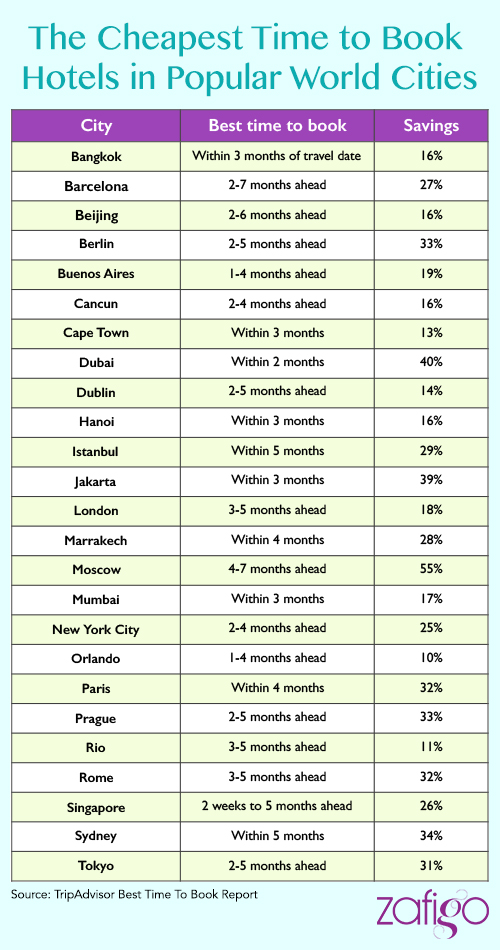
The window between when you book and when you stay, known as lead time, is a critical financial determinant of hotel costs. There’s often a “sweet spot” that maximizes savings, which can vary by destination and demand. Booking too early, while guaranteeing availability, doesn’t always guarantee the best price. Hotels might initially set higher rates, anticipating strong demand, before adjusting downwards if bookings are slow. Conversely, booking too late carries the risk of inflated prices due to limited availability, especially in popular destinations or during peak times. However, for less popular hotels or during off-peak seasons, a last-minute booking might yield significant discounts as hotels scramble to fill empty rooms. Finding the optimal lead time requires a nuanced understanding of these dynamics, often suggesting a window that isn’t excessively early nor dangerously late.
Dynamic Pricing Algorithms
Modern hotels, particularly larger chains and those using sophisticated revenue management systems, employ dynamic pricing algorithms. These are not static price lists but complex financial models that constantly adjust room rates in real-time based on a myriad of factors. These algorithms analyze:
- Real-time Occupancy Rates: As rooms fill up, prices may increase.
- Competitor Pricing: Hotels monitor rivals’ rates and adjust their own to remain competitive or strategically position themselves.
- Search Volume and Booking Trends: Higher search interest or a sudden surge in bookings for a specific period can trigger price hikes.
- Historical Data: Past performance during similar periods, events, or seasons informs current pricing strategies.
- Customer Segmentation: Different customers (e.g., business vs. leisure, loyalty members) may be offered different rates based on their perceived willingness to pay.
Understanding that prices are constantly in flux, driven by these algorithmic decisions, underscores the importance of monitoring rates and acting decisively when a favorable price appears, rather than expecting a fixed, predictable schedule of discounts.
The Best Times of Year to Book and Stay
Timing is paramount in securing the most economical hotel rates. Aligning your travel plans with periods of lower demand can translate into substantial financial savings.
Off-Peak Seasons: Your Wallet’s Best Friend
The most consistent advice for finding cheaper hotels revolves around traveling during off-peak or “shoulder” seasons. These are periods when a destination is less crowded due to weather (e.g., extremely hot or cold months), school holidays ending, or major events concluding.
- General Off-Peak Periods: Many destinations see lower prices in the depths of winter (outside of specific holiday weeks like Christmas/New Year) or the peak of summer (in cities not known for summer tourism). For European cities, late autumn (October-November) and late winter (January-March) often present excellent value. For beach destinations, avoid the dry season unless you are prepared to pay a premium; the rainy season (often with sporadic showers rather than constant downpours) can be significantly cheaper.
- Mid-Week Stays: For leisure travelers, opting for stays from Sunday or Monday through Thursday often results in lower rates compared to Friday and Saturday nights. This is particularly true for city hotels that cater to business travelers during the week. Conversely, resort destinations might see lower weekday rates, as leisure travelers often prefer weekend getaways.
By strategically planning your trip to coincide with these less popular windows, you can not only save money on accommodation but also enjoy a more relaxed experience with fewer crowds.
Seasonal Events and Holidays: Avoid at All Costs (for savings)
While festive seasons and major events can be incredibly appealing, they are undeniably the most expensive times to book hotel rooms. During periods like Christmas, New Year’s Eve, Easter, or major national holidays, demand surges across the board, and hotels capitalize on this by significantly increasing their rates. The same applies to destinations hosting major sporting events (e.g., Olympics, World Cup), music festivals (e.g., Coachella), or large-scale conferences.
- Price Inflation: During these peak periods, not only are room rates at their highest, but other travel expenses like flights, local transportation, and even dining can also be inflated. Hotels may also impose minimum stay requirements, further limiting budget options.
- Booking Well in Advance (If You Must): If your travel dates are immutable and fall within these peak times, booking as far in advance as possible (6-12 months) might secure a slightly less exorbitant rate before prices completely skyrocket. However, true savings during these times are exceptionally rare.
- Consider Nearby Alternatives: If attending an event, consider staying in a neighboring town or city and commuting. The slight inconvenience could result in substantial financial savings on accommodation.
For budget-conscious travelers, understanding and actively avoiding these peak periods is one of the most effective strategies for minimizing hotel expenses.
Strategic Booking Windows and Flexibility
Beyond the time of year, the specific moment you choose to click “book” can significantly impact the price you pay. Mastering these booking windows and embracing flexibility are key financial tactics.
The Optimal Booking Sweet Spot
There’s no single magic number, but industry data and traveler experiences suggest common patterns for optimal booking.
- Domestic Travel: For hotels within your own country, a sweet spot often emerges around 21-30 days out from your travel date. This allows hotels to gauge demand and adjust prices without being desperate to fill rooms.
- International Travel: For overseas trips, a slightly longer window of 3-4 months out is generally recommended. This allows for better rates on flights as well, which often correlate with hotel pricing trends. Booking too far in advance (6+ months) might mean missing out on later discounts, while booking too close could lead to limited choices and higher prices.
- Mid-Week Bookings: Some experts suggest that booking on a Tuesday or Wednesday can yield better results, as hotels might update their pricing systems earlier in the week, or the initial weekend booking surge has passed, leading to slightly lower rates.
These are general guidelines, and the actual optimal window can vary based on the destination’s popularity, current events, and overall market conditions. Regularly monitoring prices in your chosen window is crucial.
Embracing Flexibility
Flexibility is perhaps the most powerful tool in a budget traveler’s arsenal. The more adaptable you are, the greater your potential for savings.
- Flexible Dates: If you can shift your travel dates by even a day or two, especially to include a mid-week stay or avoid a popular weekend, you could see significant price differences. Use “flexible date” search functions on comparison sites.
- Flexible Destinations: Instead of being fixated on one city, research several potential destinations that meet your criteria. You might find that a comparable experience in a less popular, but equally appealing, location comes with a much lower price tag.
- Flexible Room Types: While you might prefer a suite, consider if a standard room, or even one with a slightly less desirable view, could meet your needs at a fraction of the cost. Sometimes, hotels offer specific “promo” rooms that are cheaper but come with certain restrictions.
The financial benefit of flexibility extends beyond just finding cheaper rates; it also allows you to capitalize on flash sales or unexpected deals that require quick decisions.
Last-Minute Opportunities and Risks
The allure of a deep, last-minute discount is strong, but it’s a high-stakes strategy that comes with both potential rewards and significant risks.

- Potential Rewards: If a hotel has many unsold rooms close to the check-in date, they may drop prices significantly to avoid having empty inventory. Apps like HotelTonight specialize in these types of deals. This is more likely to happen in large cities with abundant hotel choices, during off-peak seasons, or for less popular properties.
- Significant Risks: The primary risk is a lack of availability. If you wait too long, especially for popular destinations, specific events, or peak seasons, you might find no rooms left, or only the most expensive options remaining. This forces you to either pay a premium, stay far outside your desired area, or cancel your trip entirely.
- Who It’s For: This strategy is best suited for spontaneous, solo travelers or couples with no rigid plans, who are comfortable with uncertainty and have backup options. It’s generally not recommended for families, groups, or travelers with critical appointments.
For those willing to gamble, keeping an eye on prices a few days before arrival can sometimes uncover surprising deals, but always have a contingency plan in place.
Leveraging Financial Tools and Tactics for Savings
In the digital age, a plethora of tools and strategic tactics exist to help travelers navigate the complex financial landscape of hotel bookings and secure the best possible value.
Price Comparison Websites and Aggregators
These platforms are indispensable financial tools for comparing rates across numerous booking sites and direct hotel channels simultaneously. Websites like Kayak, Skyscanner, Google Hotels, Booking.com, and Expedia allow users to filter by price, amenities, and location, providing a comprehensive overview of available deals.
- Effective Usage: Don’t just check one. Use multiple aggregators as their inventory and pricing feeds can differ. Always double-check the direct hotel website as well; sometimes hotels offer exclusive deals or loyalty discounts that aren’t propagated to third-party sites.
- Price Alerts: Many sites offer price alert features, notifying you when the price for your desired hotel or route drops, allowing you to seize opportunities as they arise.
- Hidden Fees: Pay close attention to the final price displayed. Some sites might initially show a lower rate that excludes taxes, resort fees, or other charges, which can inflate the true cost.
Loyalty Programs and Credit Card Benefits
For frequent travelers, hotel loyalty programs and travel-centric credit cards offer tangible financial benefits that translate into significant savings over time.
- Hotel Loyalty Programs: Joining a hotel’s free loyalty program can provide access to member-exclusive rates, free Wi-Fi, complimentary upgrades, and earn points that can be redeemed for free nights. Even if you’re not a frequent stayer with one chain, signing up before your booking can often unlock immediate savings.
- Co-Branded Credit Cards: Travel credit cards, especially those co-branded with specific hotel chains, offer accelerated points earning, annual free night certificates, elite status perks, and travel insurance benefits. The annual fee can often be offset by the value of the free night or points earned.
- General Travel Credit Cards: Cards that earn flexible travel points (e.g., Chase Ultimate Rewards, American Express Membership Rewards) can be redeemed for hotel stays, often at competitive rates, providing an alternative to cash payments.
These programs transform spending into savings, effectively lowering your overall travel costs.
Flash Sales and Newsletter Subscriptions
Many online travel agencies (OTAs) and hotel brands regularly run flash sales – limited-time promotions offering significant discounts.
- Stay Informed: Subscribing to newsletters from your favorite hotel chains, OTAs (like Expedia, Hotels.com, Travelzoo), and deal websites (e.g., Secret Escapes, GroupOn Getaways) ensures you’re among the first to be notified of these time-sensitive offers.
- Act Quickly: Flash sales typically have a short booking window and often limited inventory. If a deal aligns with your travel plans, be prepared to act decisively.
- Read the Fine Print: Always check the terms and conditions, as flash sales may have stricter cancellation policies or blackout dates.
The Power of Bundling
Booking a flight and hotel package, or even adding a rental car, can often result in overall financial savings compared to booking each component separately.
- Package Deals: OTAs often offer discounted rates when you bundle multiple travel services. Hotels and airlines partner to create these packages, passing on some of their wholesale savings to the consumer.
- Consider “Hidden” Savings: Sometimes, the flight portion of a bundle can appear incredibly cheap, effectively subsidizing the hotel stay. While it might look like a flight deal, it’s really a combined saving.
- Flexibility Restrictions: Bundled deals might come with less flexibility for changes or cancellations, so ensure your plans are firm before committing.
Negotiating and Price Matching
While less common than in the past, direct negotiation or price matching can still yield financial benefits, particularly for independent hotels or when dealing with larger chains.
- Direct Negotiation: For smaller, independent hotels, especially during off-peak times, a polite phone call or email enquiring about a better rate or specific perks (e.g., free breakfast, upgrade) might surprise you with a positive outcome. They often have more flexibility than large chains.
- Price Matching: Many major hotel chains offer a “Best Rate Guarantee.” If you find a lower public rate for the same room type, dates, and conditions on another website, they will often match that price and sometimes even offer an additional discount or perk. Always read their specific terms carefully, as there can be strict criteria.
Beyond Just Price: Value for Money
While finding the absolute cheapest hotel is a commendable goal, a truly savvy financial traveler also considers the overall value for money, accounting for all potential costs and benefits.
Hidden Costs and Fees
The advertised nightly rate is rarely the final cost. Numerous hidden fees can inflate your total expenditure.
- Resort Fees: Prevalent in many leisure destinations, these mandatory daily charges often cover amenities you may not even use (e.g., Wi-Fi, gym access, pool towels) and can add $20-$50 or more per night. Always factor these into your budget.
- Taxes: Sales tax, occupancy tax, and other local levies can add a significant percentage to your base rate.
- Parking Fees: City hotels, in particular, often charge exorbitant daily parking fees. If you’re driving, always check these in advance.
- Wi-Fi and Breakfast: While many hotels now include these, some still charge for premium Wi-Fi or offer breakfast only at an additional cost. Factoring these into your comparison is crucial if they are important amenities for you.
- Minibar and Room Service: While easily avoided, being aware of the often-inflated prices for these convenience items can prevent unexpected charges.
Always review the final booking summary carefully before confirming to ensure you understand the all-inclusive price.
The Trade-off Between Location and Price
A hotel in the absolute heart of a city’s tourist district will almost always be more expensive than one slightly further out. A financially astute decision involves weighing convenience against cost.
- Proximity vs. Public Transport: Sometimes, choosing a hotel a few subway stops away from the main attractions can result in significant savings. Research the public transportation options and commute times to ensure the trade-off is worthwhile.
- “Up-and-Coming” Neighborhoods: Explore areas that are gentrifying or are known for their local vibe rather than mainstream tourism. These often offer more affordable accommodation, authentic dining experiences, and good transport links.
- Travel Time vs. Savings: Calculate the actual cost of daily travel from a cheaper, further-out hotel (e.g., subway tickets, taxi fares, time spent commuting) and compare it against the savings on the room rate. Sometimes, paying a little more for a central location might offer better overall value and convenience.
Alternative Accommodation: A Broader View of Savings
While this article focuses on hotels, a truly comprehensive approach to saving money on accommodation involves considering alternatives that might offer superior value or a different experience for less.
- Vacation Rentals (Airbnb, VRBO): For longer stays, families, or groups, vacation rentals can often be significantly cheaper than multiple hotel rooms, offering more space, kitchen facilities for self-catering (a huge money-saver), and a more localized experience.
- Hostels: For budget-conscious solo travelers or backpackers, private rooms in hostels can offer a great balance of affordability and social atmosphere, often at a fraction of the cost of a hotel.
- Guesthouses and B&Bs: These smaller, often family-run establishments can provide a more personal touch and sometimes better value than larger hotels, particularly in regions where they are common.
Broadening your accommodation search beyond traditional hotels can unlock diverse options that align more closely with your financial goals and travel style.

Conclusion
The pursuit of the cheapest hotel room is an art informed by science and economic insight. While there’s no singular moment when all hotels become universally affordable, understanding the intricate web of supply and demand, seasonal fluctuations, and the impact of dynamic pricing algorithms is fundamental. By strategically timing your bookings, embracing flexibility in your travel plans, and diligently utilizing the myriad of financial tools available – from price comparison sites and loyalty programs to flash sales and bundling deals – you can significantly reduce your accommodation expenses. Ultimately, a financially savvy traveler looks beyond the initial price tag, accounting for hidden fees and weighing the trade-offs between location and convenience, to ensure that every dollar spent translates into maximum value. With proactive planning and informed decisions, your next unforgettable journey can also be an remarkably affordable one.
aViewFromTheCave is a participant in the Amazon Services LLC Associates Program, an affiliate advertising program designed to provide a means for sites to earn advertising fees by advertising and linking to Amazon.com. Amazon, the Amazon logo, AmazonSupply, and the AmazonSupply logo are trademarks of Amazon.com, Inc. or its affiliates. As an Amazon Associate we earn affiliate commissions from qualifying purchases.