
The trajectory of home interest rates is a critical factor for millions of Americans, influencing everything from monthly mortgage payments to the overall affordability of housing. After a period of significant rate increases, the central question on many minds is: when will they begin to decline? Understanding the complex interplay of economic forces that drive these rates is essential for both prospective homebuyers and existing homeowners contemplating a refinance.
Understanding the Forces Behind Interest Rate Movements
Home interest rates are not determined in a vacuum. They are a reflection of broader economic conditions and the monetary policy decisions made by central banks. Grasping these foundational elements is the first step toward anticipating future rate shifts.
The Federal Reserve’s Role
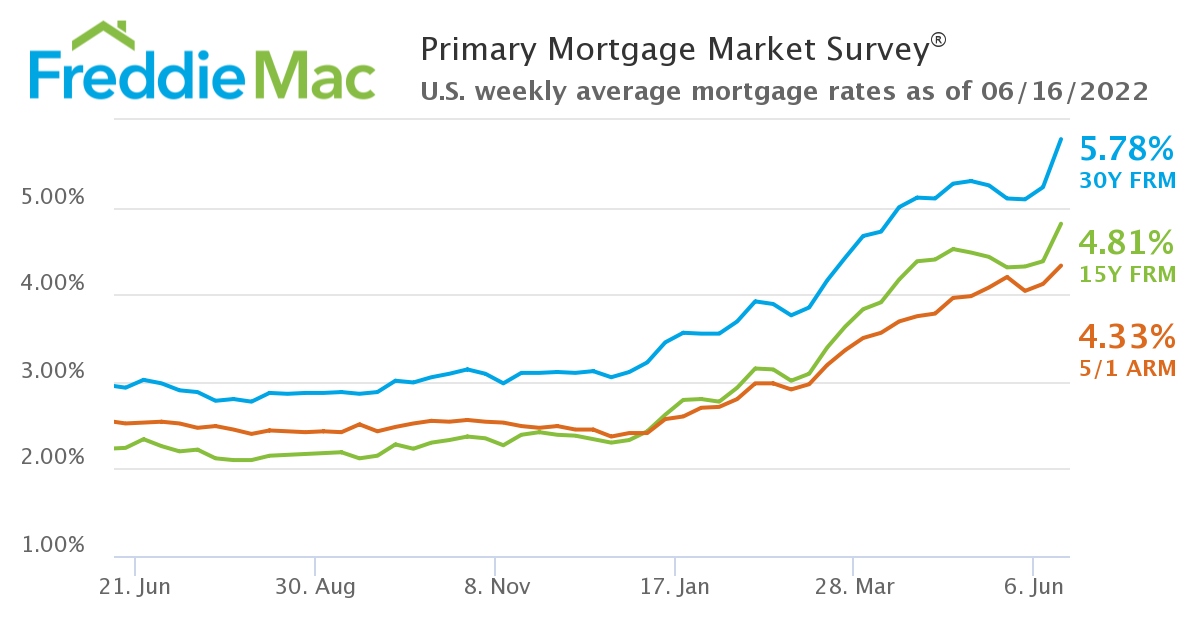
In the United States, the Federal Reserve (the Fed) plays the most significant role in influencing interest rates. The Fed operates with a dual mandate: to achieve maximum employment and maintain stable prices (i.e., control inflation). To accomplish these goals, it primarily uses the federal funds rate, an overnight lending rate between banks. While the Fed does not directly set mortgage rates, changes to the federal funds rate have a cascading effect across the financial system, influencing everything from prime rates to longer-term debt like 10-year Treasury yields, which mortgage rates often track.
When the economy is overheating and inflation is high, the Fed typically raises the federal funds rate to cool down demand by making borrowing more expensive. Conversely, during economic downturns or periods of low inflation, the Fed might lower rates to stimulate borrowing, investment, and spending. Beyond rate adjustments, the Fed also engages in quantitative easing (buying government bonds and mortgage-backed securities to inject liquidity and lower long-term rates) or quantitative tightening (selling off these assets to withdraw liquidity and potentially push rates higher).
Inflation’s Grip
Inflation is perhaps the single most impactful factor driving current interest rate discussions. When the cost of goods and services rises persistently, the purchasing power of money diminishes. To combat high inflation, central banks typically raise interest rates, making it more expensive to borrow and discouraging excessive spending. The rationale is that by curbing demand, prices will eventually stabilize. The Fed’s long-term inflation target is 2%, as measured by the Personal Consumption Expenditures (PCE) price index. When inflation significantly exceeds this target, sustained higher interest rates become a likely policy response. A clear and consistent decline in inflation figures is generally a prerequisite for the Fed to consider cutting rates.
Economic Growth and Employment
The overall health of the economy, particularly in terms of Gross Domestic Product (GDP) growth and the labor market, also heavily influences interest rate decisions. A strong economy, characterized by robust job creation and low unemployment, can put upward pressure on wages and consumer demand, potentially fueling inflation. In such scenarios, the Fed might maintain higher rates or even increase them further to prevent overheating.
Conversely, signs of an economic slowdown, rising unemployment, or a looming recession often prompt the Fed to consider rate cuts. Lower rates make borrowing more affordable for businesses and consumers, encouraging investment, hiring, and spending, thereby stimulating economic activity. The delicate balance between a strong economy and controlled inflation is constantly assessed by policymakers.
Global Economic Factors
While domestic conditions are paramount, global economic factors can also indirectly influence home interest rates. International trade dynamics, geopolitical events, the strength of foreign economies, and investor sentiment across global financial markets can all impact the demand for U.S. Treasury bonds. For instance, if global investors view U.S. Treasuries as a safe haven during times of international instability, increased demand can push bond yields—and thus, indirectly, mortgage rates—lower. Conversely, global risk aversion or a strong dollar could have different implications.
Analyzing Current Economic Indicators and Forecasts
To anticipate when home interest rates might decline, it’s crucial to analyze the most recent economic data and listen to the forward guidance provided by central bankers.
Recent Inflation Data
The path of inflation is the most critical determinant for future rate decisions. Policymakers are closely scrutinizing monthly Consumer Price Index (CPI) and PCE data, looking for consistent signs of disinflation (a slowing in the rate of inflation). While headline inflation figures can be volatile due to energy and food prices, core inflation (excluding these volatile components) is often a better indicator of underlying price trends. A sustained downtrend in core inflation, approaching the Fed’s 2% target, would provide the necessary comfort for the Fed to consider easing monetary policy. Any resurgence in inflation could delay rate cuts significantly.
Labor Market Health
The strength of the U.S. labor market remains a key focus. Indicators such as the unemployment rate, non-farm payrolls (job creation), and average hourly earnings growth are closely watched. A robust labor market, characterized by low unemployment and strong wage growth, can support consumer spending but also contribute to inflationary pressures. Conversely, a loosening labor market, with rising unemployment and slower wage gains, could signal an economic slowdown, making rate cuts more likely. The Fed’s objective is to achieve maximum employment without creating excessive inflationary pressure, a delicate balancing act.
GDP Growth and Consumer Spending
Overall economic growth, measured by GDP, and the resilience of consumer spending are also vital signs. If the economy continues to expand robustly despite higher interest rates, it suggests that current policy might not be restrictive enough to bring inflation down sustainably. Conversely, if GDP growth slows significantly or consumer spending weakens, it could indicate that the economy is struggling under the weight of higher rates, increasing the probability of rate cuts to avert a deeper downturn. Consumer spending, in particular, is a significant component of the U.S. economy, so its trajectory is highly influential.
Fed’s Forward Guidance and Market Expectations
The Federal Reserve communicates its outlook and policy intentions through various channels, including post-meeting statements, press conferences by the Fed Chair, and the “dot plot” (a projection of future interest rates by individual FOMC members). Market participants closely analyze this “forward guidance” for clues about future policy moves. Furthermore, financial markets themselves price in expectations for future rate changes through futures contracts. While these market expectations can shift rapidly based on new data, they offer a real-time gauge of investor sentiment regarding the timing and magnitude of potential rate cuts. Divergences between Fed guidance and market expectations can lead to volatility.
The Impact of Lower Rates on Homeowners and Buyers
A decline in home interest rates would have profound implications for both prospective homebuyers and existing homeowners.
For Prospective Homebuyers
Lower interest rates directly translate to increased affordability. For a given loan amount, a lower interest rate means a smaller monthly mortgage payment, making homeownership accessible to a wider pool of buyers. This reduction in the cost of borrowing can stimulate demand in the housing market, potentially leading to increased competition and, depending on supply, even upward pressure on home prices. Buyers who have been sidelined by high rates might re-enter the market, eager to take advantage of more favorable borrowing conditions. However, a sudden surge in demand without a corresponding increase in housing supply could mitigate some of the affordability benefits.
For Existing Homeowners (Refinancing)
Existing homeowners with higher interest rates on their current mortgages would be prime candidates for refinancing. Refinancing allows homeowners to secure a new mortgage with a lower interest rate, which can significantly reduce their monthly payments, save substantial amounts over the life of the loan, or even allow them to shorten their loan term without drastically increasing their payment. Another common reason to refinance is to tap into home equity, potentially for home improvements or debt consolidation, at a more favorable rate. However, homeowners must consider closing costs associated with refinancing, which can offset some of the savings if the rate reduction is not substantial or they plan to move again soon.
Considerations for Mortgage Types
The impact of rate changes also varies depending on the type of mortgage. Fixed-rate mortgages, where the interest rate remains constant for the life of the loan, offer stability and predictability. Homeowners with fixed rates are unaffected by rate drops unless they refinance. Adjustable-rate mortgages (ARMs), on the other hand, have rates that fluctuate periodically based on an index. While they often start with lower rates, a significant drop in market rates could lead to lower payments for ARM holders during their adjustment periods, assuming the index they track declines. Conversely, if rates rise, ARM payments will increase.
Strategies for Navigating a Volatile Rate Environment
In an environment where interest rates are subject to change, a proactive and well-informed approach is crucial for managing your personal finances related to housing.
Financial Preparedness
Regardless of the rate outlook, maintaining strong personal financial health is paramount. This includes having an excellent credit score, which qualifies you for the best available interest rates, and managing existing debt responsibly. Saving a substantial down payment not only reduces the amount you need to borrow but can also improve your loan-to-value ratio, potentially unlocking better rates and terms. Building an emergency fund ensures financial resilience against unexpected market shifts or personal financial challenges.
Monitoring Market Trends
Stay informed about economic news, especially Federal Reserve announcements, inflation reports, and labor market data. Follow reputable financial news sources and consult forecasts from established economists and mortgage industry experts. While no one can perfectly predict market movements, understanding the prevailing sentiment and data trends can help you make more informed decisions about when to buy, sell, or refinance. Being aware of the yield on the 10-year Treasury note, which often serves as a benchmark for 30-year fixed mortgage rates, can also provide valuable insight.
Working with Financial Professionals
Engaging with qualified financial professionals is invaluable. A mortgage broker can help you compare loan products from various lenders, find the most competitive rates, and guide you through the application process. A financial advisor can assess your overall financial picture, help you determine if homeownership or refinancing aligns with your long-term goals, and advise on timing. These professionals can provide personalized advice tailored to your unique circumstances and risk tolerance, helping you navigate the complexities of the housing finance market.
Patience and Planning
Attempting to “time the market” perfectly is notoriously difficult and often leads to missed opportunities or suboptimal outcomes. Instead of chasing the absolute lowest rate, focus on a well-thought-out financial plan that aligns with your personal goals and affordability. If you’re buying, determine what you can comfortably afford, not just what a lender will offer. If you’re considering refinancing, analyze the break-even point for closing costs versus savings. Sometimes, locking in a slightly higher rate that you can comfortably manage is a more prudent strategy than waiting indefinitely for a potentially lower, but uncertain, future rate.
A Look Ahead: What the Experts Are Saying
While predicting the exact timing and magnitude of interest rate movements is challenging, there is a general consensus forming among economists and market analysts regarding the potential for rate cuts.
Consensus on Timing
Many experts anticipate that the Federal Reserve will begin cutting rates sometime in the latter half of the year, possibly in the third or fourth quarter, or even early next year. This expectation is largely predicated on the continued deceleration of inflation towards the Fed’s 2% target and a potential softening of the labor market or a mild economic slowdown. However, the exact timing remains data-dependent; any resurgence in inflation or unexpected economic strength could push back the timeline. Some dissenting voices suggest cuts may come later or even that rates could remain elevated for longer if inflation proves more stubborn.
Potential Scenarios
The future path of interest rates largely hinges on how the economy evolves.
- Soft Landing: In this optimistic scenario, inflation gradually returns to target without a significant economic downturn or sharp increase in unemployment. The Fed would then implement measured rate cuts to normalize policy.
- Mild Recession: If the economy slows more significantly than anticipated, potentially entering a mild recession, the Fed might be compelled to cut rates more aggressively to stimulate growth and employment. This scenario could lead to quicker and more substantial rate reductions.
- Stagflation/Persistent Inflation: A less favorable outcome would be if inflation remains elevated while economic growth stagnates. In this challenging “stagflation” environment, the Fed’s options would be limited, and rate cuts might be delayed indefinitely.
Long-Term Outlook
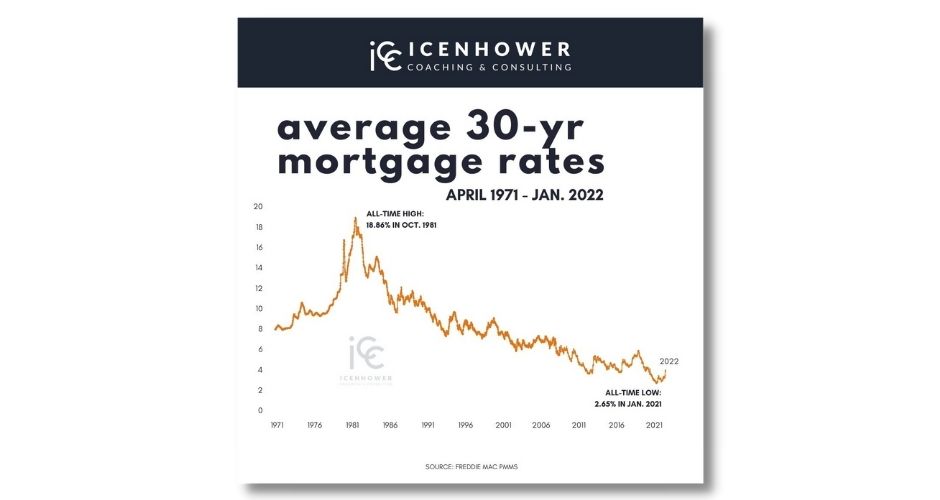
It’s important to recognize that even when rates do decline, they are unlikely to return to the ultra-low levels seen in the wake of the 2008 financial crisis or during the COVID-19 pandemic. Many economists believe that the era of near-zero interest rates was an anomaly driven by specific economic conditions. The long-term outlook suggests a return to a more normalized rate environment, potentially higher than what homeowners grew accustomed to over the past decade. This means that while relief from current elevated rates is anticipated, expectations should be tempered regarding the extent of future declines.
Ultimately, the question of “when are home interest rates going down” is answered by a complex web of economic data and central bank policy. While the prevailing sentiment points towards potential rate reductions in the near to medium term, a strategic approach grounded in financial preparedness, continuous monitoring, and professional guidance remains the most prudent path for navigating the dynamic world of home finance.
aViewFromTheCave is a participant in the Amazon Services LLC Associates Program, an affiliate advertising program designed to provide a means for sites to earn advertising fees by advertising and linking to Amazon.com. Amazon, the Amazon logo, AmazonSupply, and the AmazonSupply logo are trademarks of Amazon.com, Inc. or its affiliates. As an Amazon Associate we earn affiliate commissions from qualifying purchases.