
In the realm of personal finance, travel is often categorized as a discretionary expense—a “want” rather than a “need.” However, for the modern professional or the savvy individual, travel is an essential component of life, networking, and personal growth. The challenge lies in the extreme price volatility of the aviation industry. Unlike a retail product with a fixed MSRP, an airline seat is a perishable commodity whose price can fluctuate by hundreds of dollars within a single hour.
Mastering the art of “when” to buy a flight is more than just a travel tip; it is a lesson in financial arbitrage. By understanding the underlying economic drivers and market behaviors of the airline industry, you can significantly reduce your annual expenditures, allowing you to reallocate those saved funds into high-yield investments, retirement accounts, or further business ventures. This guide explores the strategic timing and financial frameworks required to secure the lowest possible airfare.
Decoding the Economics of Airline Pricing and Revenue Management
To understand when flights are cheapest, one must first understand how airlines make money. Airlines utilize sophisticated software known as Revenue Management Systems (RMS). These systems are designed to maximize the “yield” of every seat on an aircraft.
The Logic of Dynamic Pricing
Airlines do not set a single price for a flight. Instead, they divide the cabin into “fare buckets.” As seats are sold, the cheaper buckets close, and the more expensive ones open. This is dynamic pricing in its purest form. From a financial perspective, the airline is trying to solve a complex optimization problem: how to charge the maximum amount a passenger is willing to pay based on their urgency and demographic. Business travelers, who often book last minute and have less price sensitivity, are the primary targets for high-cost tickets, while leisure travelers are incentivized to book early to fill the baseline capacity.
The Disruption of the “Tuesday” Myth
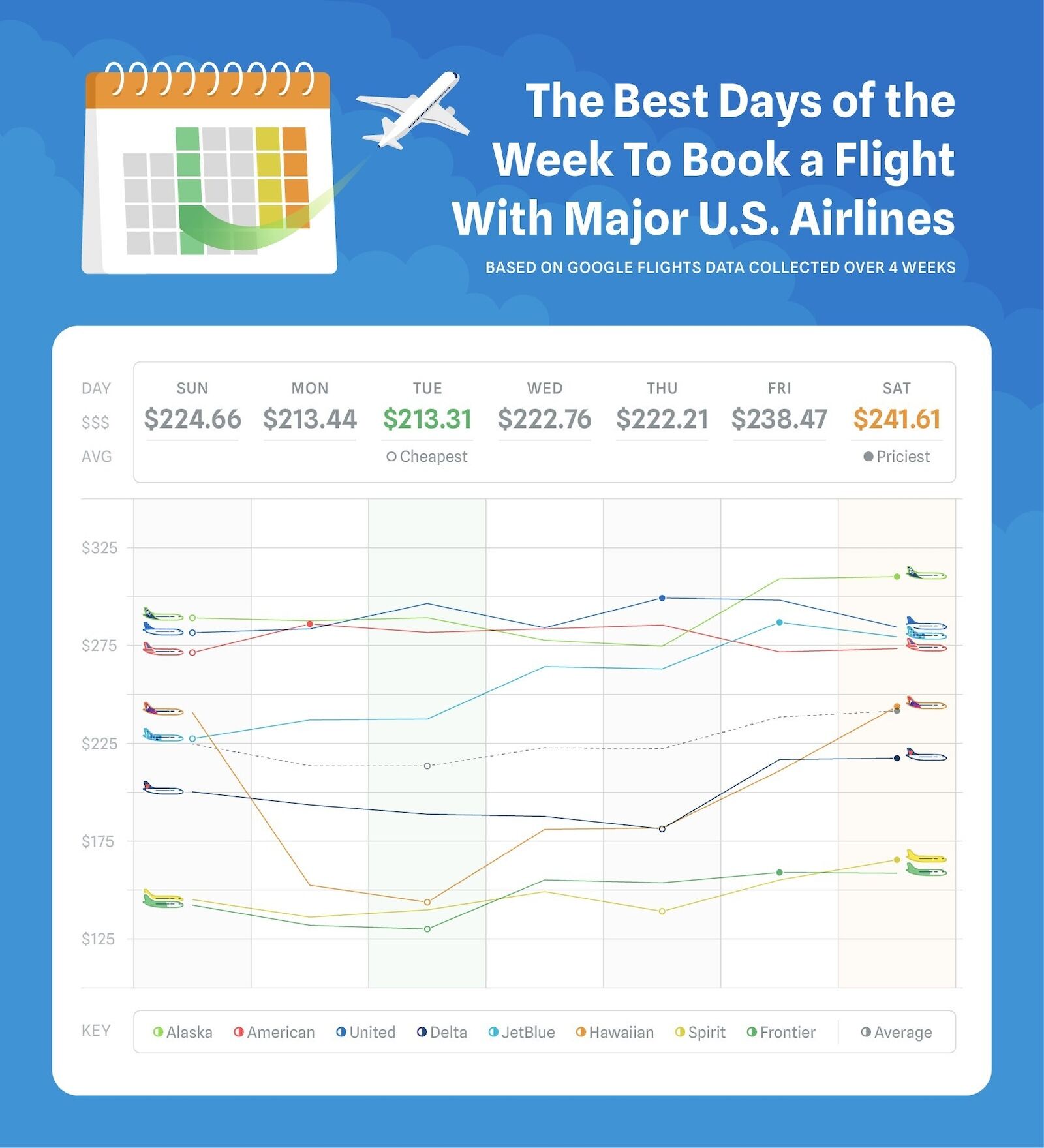
For years, the prevailing wisdom in personal finance circles was that flights are cheapest when purchased at midnight on a Tuesday. While there was once a kernel of truth to this—historically, airlines would announce sales on Monday nights, prompting competitors to match prices by Tuesday morning—this is largely a legacy artifact. In the age of AI-driven pricing, sales happen 24/7. Relying on a specific day of the week to purchase a ticket is an outdated strategy. Instead, the focus should shift to the day of the week you actually fly and the “booking window” relative to your departure.
The Optimal Booking Window: Time-Based Financial Strategies
In finance, timing is everything. Just as there are optimal times to enter or exit a market position, there is a “Goldilocks Zone” for purchasing airfare—a window where the balance of supply and demand creates the lowest price point for the consumer.
The Domestic vs. International Windows
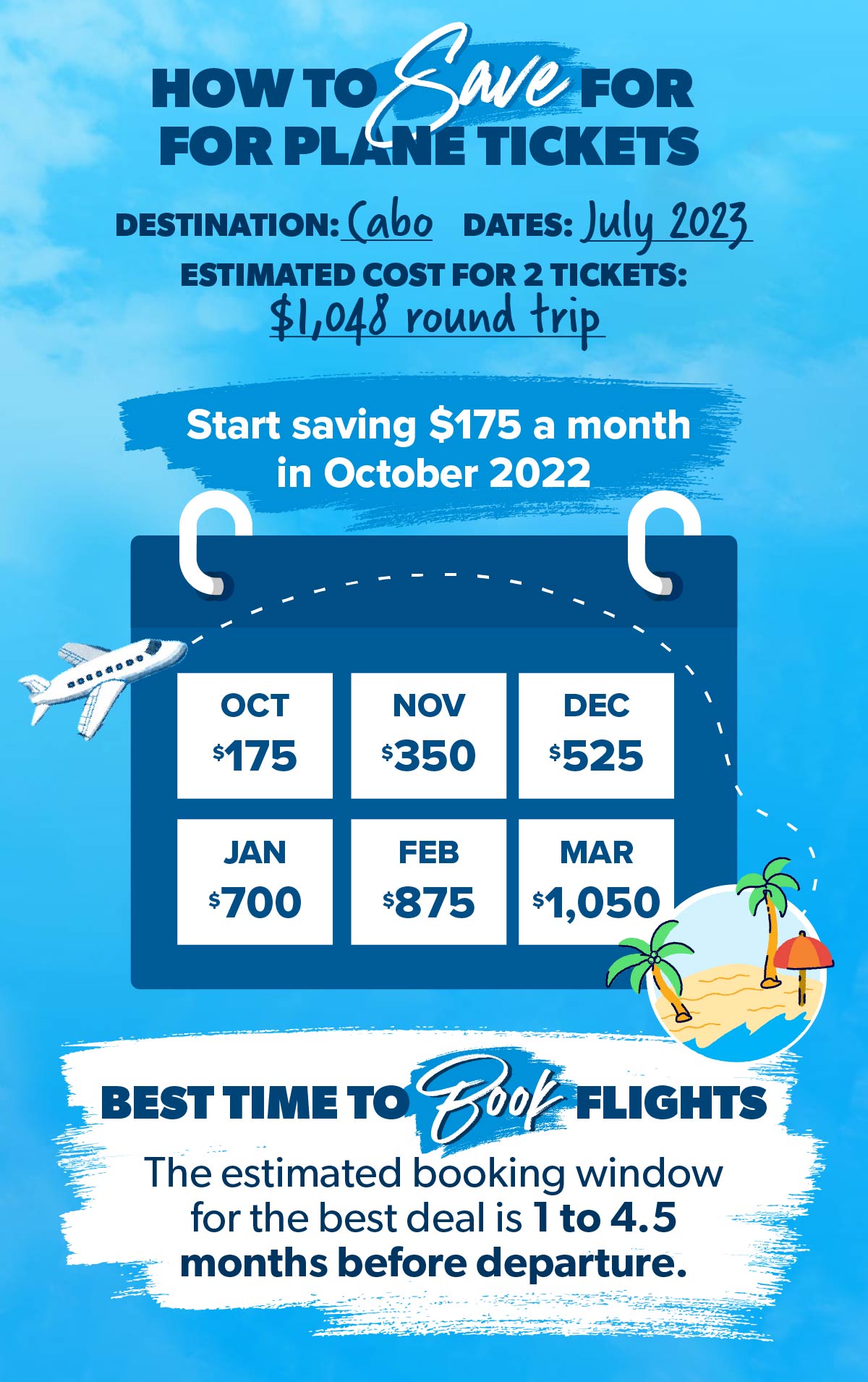
For domestic travel within major markets (such as the US, EU, or China), the financial sweet spot generally falls between one and three months before departure. Data from aggregators suggest that booking 28 to 60 days out yields the highest probability of hitting the price floor.
International travel requires a longer lead time. Because the inventory is more limited and the stakes are higher for the airline, the optimal window is typically three to eight months in advance. Booking a flight to Europe or Asia two weeks before departure is a “financial emergency” move that will almost certainly result in paying a 50% to 100% premium over the baseline price.
Seasonal Volatility and Peak Demand
One must also account for the seasonality of the travel market. Traveling during “Shoulder Season”—the period between peak summer/holiday travel and the off-season—is the single most effective way to lower travel costs. From a budgetary perspective, flying in May or September rather than July or August can save a family of four thousands of dollars. These savings, when compounded in a standard brokerage account over a year, represent a significant return on investment (ROI) simply for shifting a calendar date.
Leveraging Financial Tools and Arbitrage Tactics

The modern financial ecosystem offers various tools that allow consumers to fight back against the airlines’ pricing algorithms. Utilizing these tools is akin to using technical analysis in stock trading; it provides a data-driven edge.
Price Tracking and Predictive Analytics
Tools like Google Flights, Hopper, and Kayak use historical data to predict whether a fare will rise or fall. For a disciplined budgeter, the “Track Prices” feature is essential. By setting an alert for a specific route months in advance, you can wait for a price “dip” that correlates with a sudden increase in airline competition or a low-occupancy alert within the airline’s RMS. This is passive financial management at its best—letting the data tell you when to execute the transaction.
Hidden City Ticketing and the Risks of Arbitrage
“Hidden city ticketing” is a controversial but effective financial maneuver. It involves booking a flight with a layover in your actual destination and simply not taking the second leg of the trip. For example, a flight from New York to Los Angeles might be $400, but a flight from New York to San Francisco with a layover in Los Angeles might only be $250.
While this offers a clear price advantage, it comes with risks that a prudent financial planner must weigh. Airlines discourage this practice and may invalidate your return ticket or frequent flyer miles if you are caught. In the world of finance, this is high-risk arbitrage: the potential for savings is high, but the “regulatory” risk from the service provider is real.
Travel Hacking: Using Credit as a Financial Asset
For those focused on maximizing their net worth, paying for flights with cash is often the least efficient method. “Travel hacking”—the strategic use of credit card rewards and frequent flyer programs—transforms travel from an expense into a byproduct of your regular spending.
Maximizing Point Valuations
Not all points are created equal. A savvy personal finance enthusiast calculates the “cents per point” (CPP) of a redemption. If a flight costs $1,000 or 100,000 miles, the value is 1 cent per mile. However, finding a business class flight that costs $5,000 but only 80,000 miles results in a value of 6.25 cents per mile. This is a massive “profit margin” on your spending. By timing your bookings to align with airline “award sales,” you can effectively travel for the cost of the taxes and fees alone.
The ROI of Premium Travel Cards
While many shy away from credit cards with high annual fees ($400-$700), these cards are often “profit-positive” for the frequent traveler. When you factor in statement credits for travel, global entry offsets, and the value of airport lounge access (which replaces expensive airport meals), the net cost of the card is often zero or negative. Viewing these cards as a financial tool rather than a debt instrument is a hallmark of sophisticated personal finance management.
The Opportunity Cost of Flexibility: Time vs. Money
Finally, we must address the fundamental trade-off in all financial decisions: time versus money. The cheapest flights often come with “costs” that are not reflected in the ticket price.
The Total Cost of Ownership (TCO) of a Flight
A $50 flight on a budget carrier that leaves at 4:00 AM and charges $60 for a carry-on bag is not actually a $50 flight. When you factor in the cost of an Uber to the airport (because public transit isn’t running), the baggage fees, and the lost productivity from exhaustion, the “total cost of ownership” of that flight might exceed a $180 ticket on a full-service airline. A professional approach to travel budgeting requires looking at the “all-in” cost, not just the headline fare.
Flexibility as a Wealth-Building Tool
If your schedule is rigid, you are at the mercy of the market. If you are flexible—willing to fly on a Tuesday instead of a Friday, or fly into a secondary airport—you gain the upper hand. In the context of online income and the digital nomad lifestyle, this flexibility is a massive competitive advantage. Being able to “geo-arbitrage” your location based on when flights are cheapest allows you to maintain a high standard of living while keeping your overhead low, a core tenet of wealth accumulation.
In conclusion, finding the cheapest flights is not a matter of luck or “hacks.” it is a result of understanding market dynamics, utilizing the right financial tools, and maintaining a disciplined approach to timing and flexibility. By treating airfare as a variable cost to be optimized rather than a fixed expense to be endured, you can save thousands of dollars, ensuring that your capital is working for your future, rather than just funding an airline’s bottom line.
aViewFromTheCave is a participant in the Amazon Services LLC Associates Program, an affiliate advertising program designed to provide a means for sites to earn advertising fees by advertising and linking to Amazon.com. Amazon, the Amazon logo, AmazonSupply, and the AmazonSupply logo are trademarks of Amazon.com, Inc. or its affiliates. As an Amazon Associate we earn affiliate commissions from qualifying purchases.