
In the realm of personal finance, travel often represents the largest discretionary expense for individuals and families alike. While many view airfare as a fixed cost or a matter of luck, sophisticated financial planners and “travel hackers” treat flight booking as a form of market timing, akin to purchasing a volatile asset. Understanding when flights are cheapest is not merely a matter of urban legends about booking on a specific Tuesday afternoon; it is a complex intersection of data science, revenue management, and economic principles. By mastering these dynamics, you can significantly reduce your annual expenditures, allowing for higher rates of savings or the reallocation of capital toward other investment vehicles.
The Economics of Airfare: Understanding Dynamic Pricing Models
To understand when flights are cheapest, one must first understand how airlines set their prices. Modern aviation relies on a sophisticated “Revenue Management System” (RMS). These systems are designed to ensure that the airline extracts the maximum possible “willingness to pay” from every passenger on a specific route.
Supply and Demand in the Aviation Industry
Airlines operate on extremely thin profit margins, often influenced by the fluctuating price of jet fuel and labor costs. Consequently, every seat on a plane is a perishable commodity; once the cabin door closes, the value of an unsold seat drops to zero. To prevent this, airlines use dynamic pricing. When demand is low, prices drop to incentivize budget-conscious travelers. When demand is high—such as during holiday seasons or major sporting events—prices skyrocket to capture the surplus from those who must travel regardless of cost.
The Role of Revenue Management Systems and “Fare Buckets”
Airlines do not have a single price for a seat. Instead, they utilize “fare buckets.” A single economy cabin might be divided into 15 different price tiers. As the cheapest tier sells out, the system automatically moves to the next, more expensive bucket. Understanding this allows a financially savvy traveler to realize that “cheapest” doesn’t just mean a specific date, but rather the moment before a specific fare bucket is exhausted. To capitalize on this, you must engage with the market before the “leisure” buckets are depleted by early-bird planners.
Timing Your Purchase: The Mathematical Sweet Spot
For years, the myth persisted that booking at 3:00 AM on a Tuesday was the secret to low fares. While there was once a shred of truth to this—due to airlines manually updating their databases at the start of the work week—automation has rendered this advice obsolete. Today, the “when” of booking is defined by the “Booking Window.”
The “Goldilocks” Window for Domestic and International Travel
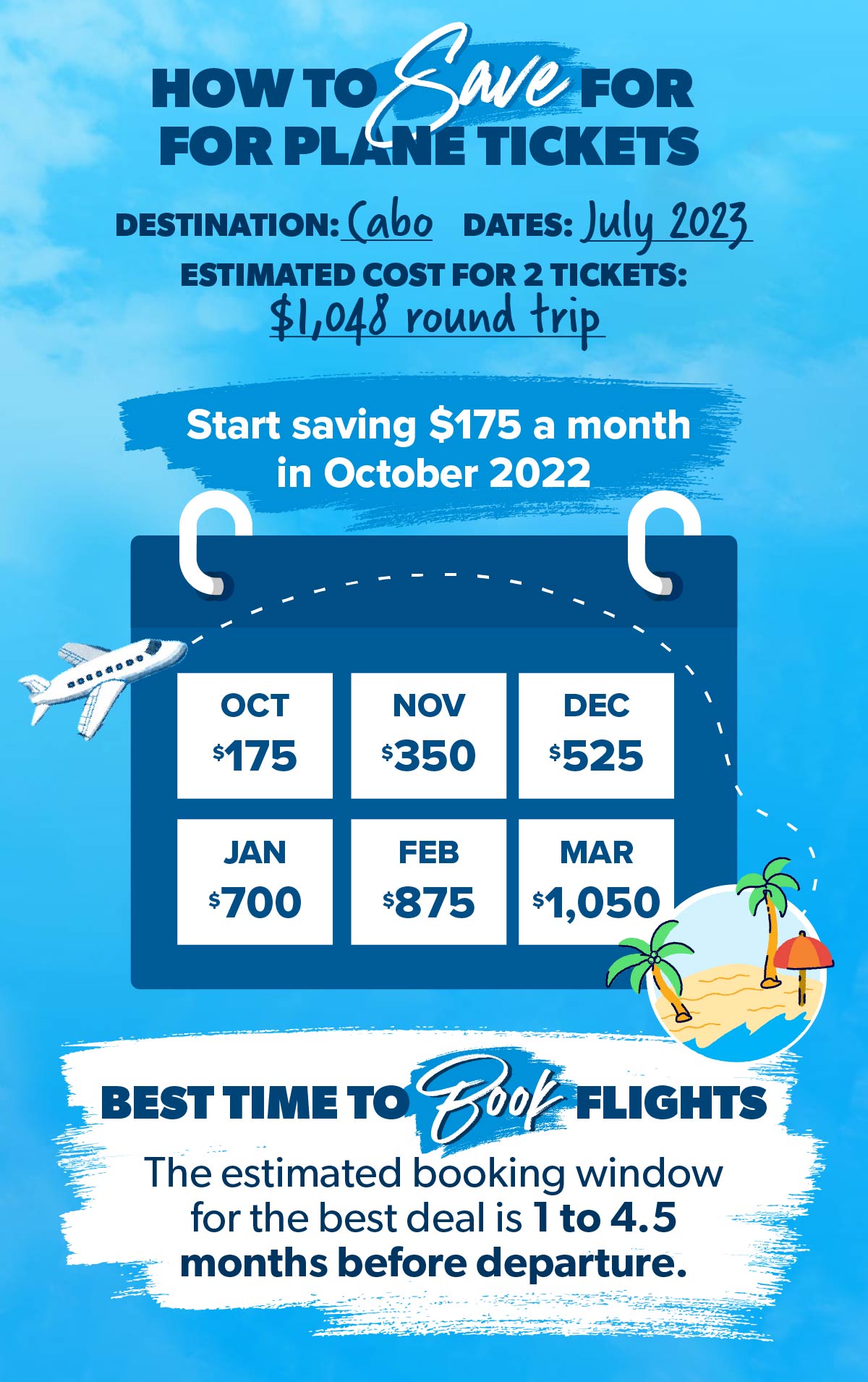
Data analysis from major aggregators suggests that for domestic flights, the “Goldilocks Window”—the period where prices are statistically at their lowest—is typically between 28 and 60 days before departure. Booking too early (more than six months out) often results in paying a “premium for certainty” as airlines set high baseline prices before they have a clear picture of demand. Booking too late (within 21 days) triggers the “business traveler” pricing tier, where airlines assume the traveler is on a corporate expense account and is less price-sensitive.
For international travel, the window shifts significantly. Because international routes involve more complex logistics and lower frequencies, the cheapest flights are usually found 3 to 6 months in advance. For peak summer travel to Europe or Asia, the optimal financial move is often to secure tickets during the late winter months (January or February).
Seasonal Fluctuations and the Impact of Fiscal Quarters
Just as the stock market has seasonal trends, so does the travel industry. The cheapest flights are almost always found during “shoulder seasons”—the periods between peak summer and the holiday rush. Financially, booking a trip in late September or early May can result in a 30% to 50% discount compared to July or December. Furthermore, airlines often run sales at the end of fiscal quarters to boost their “load factors” and revenue numbers for shareholder reporting, making these prime times for price-conscious consumers to scan the market.
Leveraging Financial Tools and Credit Strategies

In the modern financial landscape, paying “cash” (or its digital equivalent) for a flight is often the least efficient way to travel. By treating airfare as a component of your broader financial strategy, you can leverage tools that offer a significant Return on Investment (ROI).
Maximizing Rewards Through Credit Card Point Arbitrage
One of the most effective ways to lower the effective cost of a flight is through the strategic use of credit card rewards. This is not about getting “free” money, but about maximizing the value of every dollar you spend. By utilizing cards with high “multipliers” on travel or dining, you accumulate points that can be transferred to airline partners.
The real financial gain occurs during “point arbitrage.” For example, a flight that costs $1,500 in cash might only require 60,000 miles. If you earned those miles through daily spending, the “cost” of that flight is essentially zero, or at least significantly lower than the market price. Calculating the “cents per point” (CPP) value is a vital skill for any traveler looking to optimize their personal balance sheet.
Utilizing Price Tracking Technology for Financial Gain
In an era of high-frequency trading, why should flight booking be any different? Tools like Google Flights, Hopper, and Kayak allow you to set price alerts. These tools use historical data to predict whether a price is likely to rise or fall. Using these “fintech” style tools removes the emotional impulse to buy out of fear of price hikes. By setting a “buy order” (an alert for a specific price target), you ensure that you are entering the market at a point that aligns with your budget.
Strategic Flexibility: The Secret to Low-Cost Budgeting
Financial flexibility is often the greatest asset a traveler has. If your travel dates and locations are rigid, you are a “price taker.” If you are flexible, you become a “price maker,” able to choose the most efficient allocation of your funds.
The Financial Benefits of the “Alternative Airport” Strategy
Major hubs like Heathrow (London) or JFK (New York) often carry higher landing fees and taxes, which are passed on to the consumer. A savvy financial move is to check “secondary” airports. Flying into Oakland instead of San Francisco, or Providence instead of Boston, can save hundreds of dollars. When you factor in the cost of a train or a short bus ride, the net savings are often substantial. This is a classic example of “geographic arbitrage”—using a slightly less convenient location to save a significant amount of capital.
Off-Peak Travel and Its Impact on Your Annual Savings
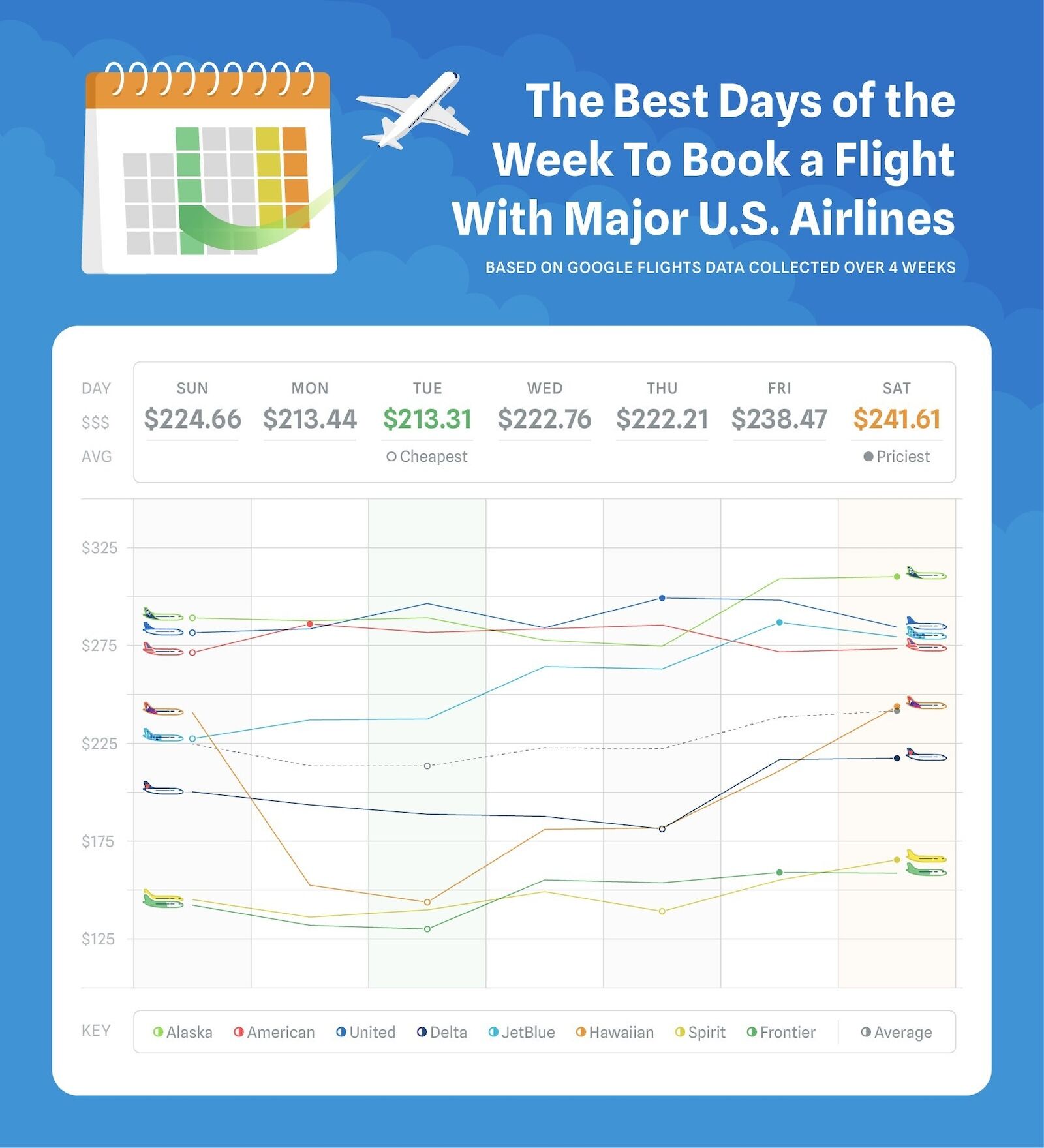
The day of the week you choose to fly has a direct impact on your bottom line. Historically, mid-week flights (Tuesday and Wednesday) are the cheapest because they fall between the Monday morning business rush and the Friday evening weekend getaway.
If you take two trips per year and save $200 per person by choosing a Wednesday flight instead of a Friday flight, a family of four saves $1,600 annually. If that $1,600 is diverted into a diversified index fund with an average 7% return, after 20 years, that “flight strategy” has contributed nearly $70,000 to your net worth. This illustrates that knowing when flights are cheapest isn’t just about a single vacation; it’s about a long-term commitment to financial efficiency.
Conclusion: The Holistic View of Travel Costs
Determining when flights are cheapest is a multifaceted challenge that requires a blend of timing, technology, and strategic flexibility. By moving away from the “impulse buy” model and toward a disciplined, data-driven approach, you treat your travel budget with the same respect as your investment portfolio.
The cheapest flights are found by those who understand the airline’s need to fill seats, the mathematical windows of booking, and the power of financial tools like rewards points and price tracking. In the end, the money saved on airfare is not just “extra cash”—it is capital that can be used to fuel your financial independence, prove your mastery over your personal economy, and ensure that you are seeing the world without compromising your long-term financial health. By applying these principles, you ensure that every journey you take is not just an experience, but a well-managed financial decision.
aViewFromTheCave is a participant in the Amazon Services LLC Associates Program, an affiliate advertising program designed to provide a means for sites to earn advertising fees by advertising and linking to Amazon.com. Amazon, the Amazon logo, AmazonSupply, and the AmazonSupply logo are trademarks of Amazon.com, Inc. or its affiliates. As an Amazon Associate we earn affiliate commissions from qualifying purchases.