
In the realm of personal finance, travel is often one of the most significant discretionary expenses a household can face. Unlike a fixed mortgage payment or a utility bill, the price of airfare is notoriously volatile, fluctuating based on complex algorithms, global economic shifts, and consumer demand patterns. For the financially savvy individual, mastering the art of booking flights is not merely about finding a “deal”; it is about price optimization and the strategic management of personal capital.
Understanding when flights are cheapest to book requires a deep dive into the mechanics of dynamic pricing and the fiscal behavior of the aviation industry. By treating airfare as a market-driven commodity rather than a static product, travelers can significantly lower their travel overhead, freeing up capital for investments, savings, or enhanced travel experiences.
The Macroeconomics of Airline Pricing Models
To understand when to buy, one must first understand why prices move. Airlines utilize highly sophisticated software known as Revenue Management Systems (RMS). These systems are designed to maximize the “yield” per seat. This means an airline would rather sell one seat for $500 than two seats for $200 each.
The Myth of the “Tuesday Afternoon” Secret
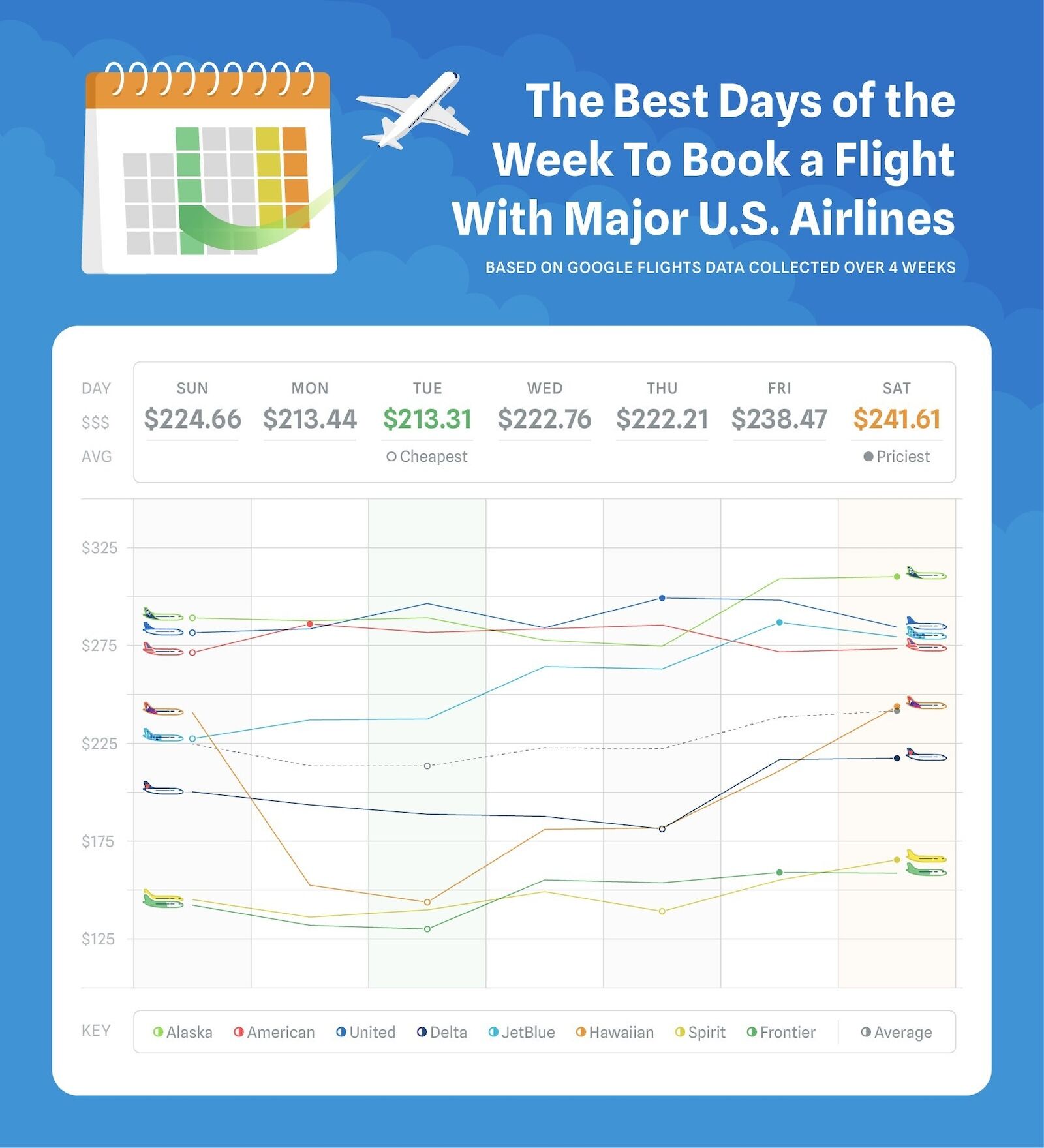
For years, a persistent myth suggested that booking on a Tuesday at 3:00 PM was the magic window for savings. From a financial analysis perspective, this is largely outdated. Modern AI-driven algorithms now update prices in real-time, sometimes thousands of times a day. While historical data did show that airlines often released sales early in the week, the current market is far more fluid. Today, the focus has shifted from the day of the week you book to the lead time and the day of the week you fly.
Supply, Demand, and the Scarcity Principle
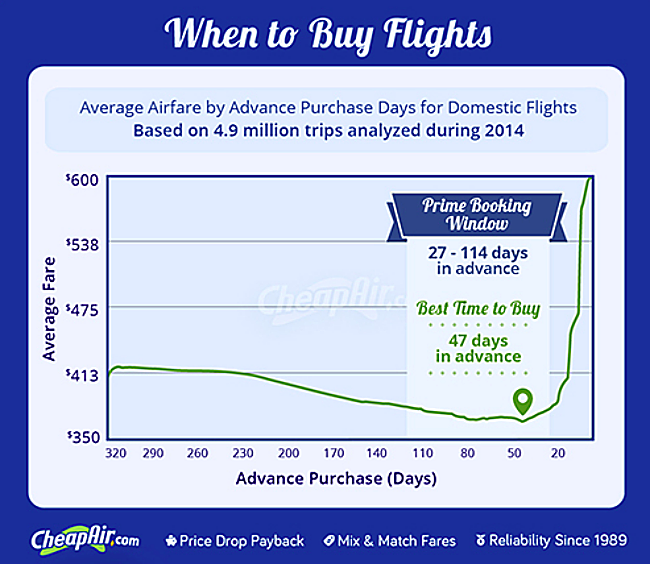
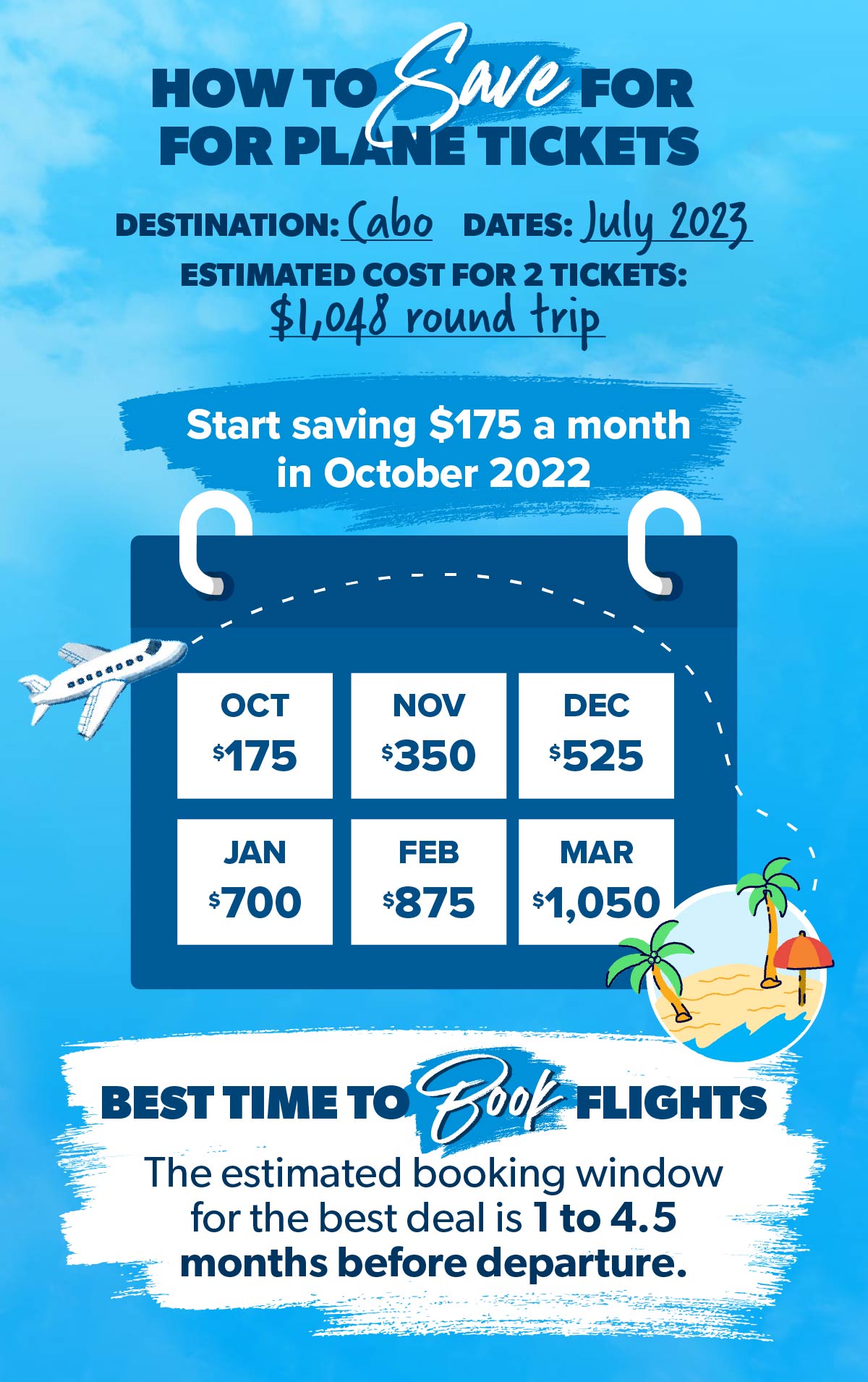
Airfare pricing is the ultimate expression of the scarcity principle. As the “buckets” of lower-priced fares (known as fare classes) sell out, the system automatically pushes the price to the next tier. This is why booking early is generally advantageous for your personal budget. For domestic flights, the “Goldilocks Zone” typically sits between one and three months before departure. For international travel, this window extends to three to six months. Waiting until the last minute is a high-risk financial strategy that rarely pays off in the modern era of high load factors.
Strategic Financial Planning for Your Travel Budget
Approaching travel with a “Money” mindset means integrating your vacation plans into your broader financial ecosystem. This involves more than just looking for a low number on a screen; it involves calculating the total cost of the transaction and the opportunity cost of your spending.
Establishing a Travel Sinking Fund
One of the most effective ways to manage the cost of flights is to remove the “urgency” factor. When a traveler feels forced to buy a ticket because they haven’t planned ahead, they are at the mercy of the airline’s pricing. By establishing a “sinking fund”—a dedicated savings account for travel—you can act as a “cash buyer” when prices hit their cyclical lows. This allows you to engage in “price sniping,” where you have the liquidity ready to capitalize on a sudden fare drop or an “error fare” without disrupting your monthly cash flow.
Seasonal Arbitrage: The Value of Off-Peak Travel
From a wealth-management perspective, traveling during peak holidays (like late December or mid-summer) is a poor use of capital. You are essentially paying a premium for the exact same service provided in October or May. Financial experts recommend “seasonal arbitrage”—taking advantage of the price difference between peak and off-peak periods. By traveling during the “shoulder season,” you can often secure flights for 40% to 60% less than peak prices, significantly increasing the ROI of your travel budget.
Leveraging Financial Tools and Reward Optimization
In the modern financial landscape, the price of a flight is not always measured in fiat currency. Leveraging credit card rewards, points, and financial tools is a critical component of minimizing travel costs.
Maximizing Points-to-Dollar Ratios
For those with disciplined spending habits, travel rewards credit cards are essential financial tools. The goal is to maximize the “cents per point” (CPP) value. If a flight costs $600 or 40,000 miles, the value is 1.5 cents per mile. A savvy financial strategist looks for redemptions that exceed 2.0 CPP. By understanding the underlying value of your points, you can decide whether it is more fiscally responsible to pay cash (preserving your points for a higher-value redemption) or to use miles to keep your liquid cash in a high-yield savings account.
Utilizing Price Protection and Tracking Tools
Just as an investor uses stop-loss orders and tickers to monitor the stock market, a traveler should use price tracking tools. Services like Google Flights and specialized financial apps allow you to set alerts for specific routes. Furthermore, certain premium credit cards offer “Price Protection” or “Trip Delay/Cancellation Insurance.” These are financial hedges. If you book a flight and the price drops, or if your travel is interrupted, these tools protect your principal investment, ensuring that your travel budget remains intact despite unforeseen circumstances.
The Role of “Hidden City” Ticketing and Financial Risk
There are advanced strategies such as “hidden city” ticketing (booking a flight with a layover in your actual destination and skipping the second leg). While this can offer substantial savings, it carries a financial risk, including the potential for airline retaliation or the loss of frequent flyer miles. From a conservative financial standpoint, the risk-to-reward ratio often favors traditional booking methods combined with rigorous price tracking and loyalty optimization.
The Global Macro-Economic Factors Influencing Ticket Costs
The price you see on your screen is influenced by factors far beyond the airline’s booking engine. Geopolitics and global economics play a massive role in the “Money” side of travel.
Fuel Surcharges and Oil Volatility
Airlines are highly sensitive to the price of Brent Crude oil. When oil prices rise, fuel surcharges are quickly passed on to the consumer. For the proactive traveler, monitoring energy market trends can actually provide a hint of future airfare hikes. If energy prices are trending upward, it is often financially prudent to lock in your flight prices sooner rather than later to avoid the inevitable “fuel adjustment” increases.
Currency Fluctuations and Geopolitical Arbitrage
For international travelers, the strength of the U.S. Dollar (or your home currency) against the destination’s currency can drastically change the “true cost” of a flight. Sometimes, booking through a foreign version of an airline’s website (e.g., using the .com.mx version of a site instead of .com) and paying in the local currency can result in a lower price due to exchange rate lag. This requires a solid understanding of foreign transaction fees on your credit cards, as a 3% fee could easily wipe out any gains made through currency arbitrage.
Conclusion: Mastering the Financial Game of Airfare
Finding the cheapest time to book a flight is not a matter of luck; it is a matter of financial discipline and data analysis. By understanding the revenue management strategies of airlines, utilizing sinking funds to maintain liquidity, leveraging the power of credit card rewards, and keeping an eye on global economic trends, you can transform travel from a burdensome expense into a well-managed component of your financial life.
The most successful travelers are those who treat their travel bookings with the same rigor they apply to their investment portfolios. They don’t wait for a “miracle” Tuesday; they plan, they track, and they execute when the data shows that the price aligns with their financial goals. In the end, the money saved on a flight is more than just a lower number on a receipt—it is capital that can be reinvested into your future, proving that with the right strategy, the sky is truly the limit for your financial growth.
aViewFromTheCave is a participant in the Amazon Services LLC Associates Program, an affiliate advertising program designed to provide a means for sites to earn advertising fees by advertising and linking to Amazon.com. Amazon, the Amazon logo, AmazonSupply, and the AmazonSupply logo are trademarks of Amazon.com, Inc. or its affiliates. As an Amazon Associate we earn affiliate commissions from qualifying purchases.