
For many, the dream of exploring new horizons often collides with the stark reality of airfare costs. Flight tickets represent a significant portion of any travel budget, and the seemingly arbitrary fluctuations in price can be a source of immense frustration. Is there a magic day to book? A secret time? Or is it all just a roll of the dice? The quest to find the cheapest flights is more than just a frugal pursuit; it’s an exercise in understanding dynamic pricing models, leveraging economic principles, and employing strategic financial planning. This comprehensive guide will demystify the complexities of airline pricing, empowering you with the knowledge and tools to consistently secure the best value for your travel dollar.
The Dynamic World of Airline Pricing: A Financial Overview
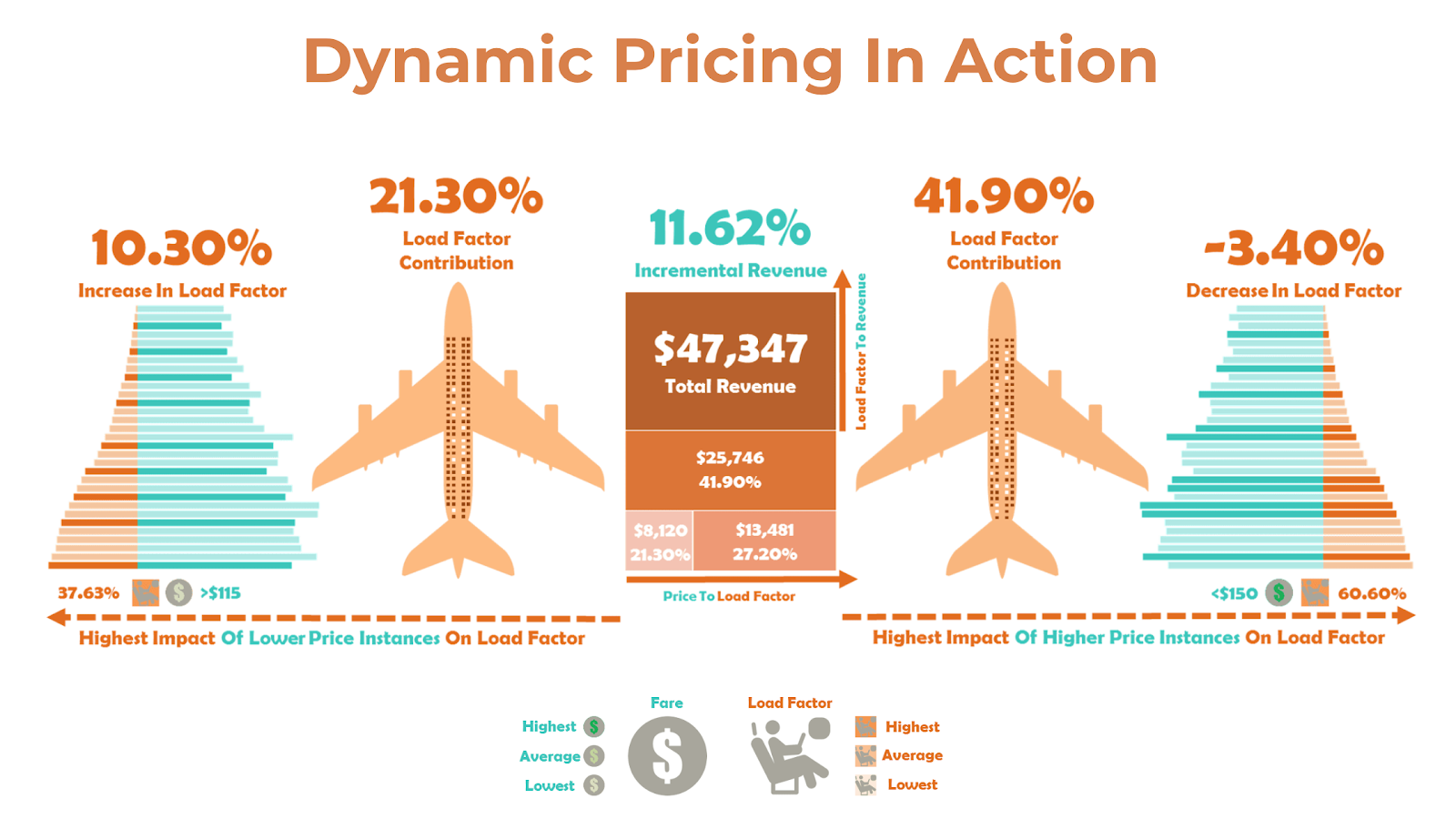
At its core, airline pricing is a sophisticated financial dance driven by a multitude of economic factors and advanced algorithms. It’s not simply about the cost of fuel or the pilot’s salary; it’s a dynamic system designed to maximize revenue per seat on every flight. Understanding this underlying economic framework is the first step towards outsmarting it.
Supply and Demand: The Core Economic Drivers
Like any commodity, the price of an airline seat is fundamentally dictated by supply and demand. When demand for a particular route or date is high (e.g., during holidays, school breaks, or major events), prices inevitably climb. Conversely, when demand is low, airlines are more inclined to lower prices to fill seats, as an empty seat represents lost revenue. Factors like origin and destination popularity, time of year, and even local events can dramatically shift this balance, creating fluctuating financial landscapes for travelers. Airlines meticulously track these patterns, adjusting prices in real-time to capitalize on demand peaks and stimulate interest during troughs.
Algorithm-Driven Fluctuations: Predictive Analytics and Revenue Management
Modern airline pricing is heavily influenced by complex algorithms. These sophisticated systems analyze vast datasets, including historical booking patterns, competitor pricing, route popularity, current inventory, and even external factors like weather forecasts and economic indicators. Their primary goal is revenue management – to sell each seat at the highest possible price, ensuring a profitable load factor. This means prices can change multiple times a day, reflecting the algorithm’s continuous re-evaluation of market conditions and predicted demand. For the savvy financial traveler, this means vigilance and a readiness to act when a good price emerges, as it might not last.
The Impact of Fuel Costs and Operational Expenses
While algorithmic pricing often takes center stage, the foundational costs of running an airline significantly influence the baseline price. Fuel is a major variable expense, directly impacting profitability. Geopolitical events, global oil prices, and even regional supply issues can cause significant shifts, which are often passed on to consumers. Beyond fuel, operational expenses such as aircraft maintenance, crew salaries, airport fees, navigation charges, and insurance all contribute to the final ticket price. Airlines must recover these fixed and variable costs, setting a lower bound below which they cannot profitably operate. Understanding this financial floor helps travelers gauge the realistic range of potential discounts.
Timing Your Purchase: The Golden Window for Savings
The adage “timing is everything” holds immense truth when it comes to booking flights. There isn’t one universal rule, but rather a strategic understanding of booking windows and calendar patterns that can lead to substantial financial savings.
The “Sweet Spot”: Early Bird vs. Last-Minute Deals
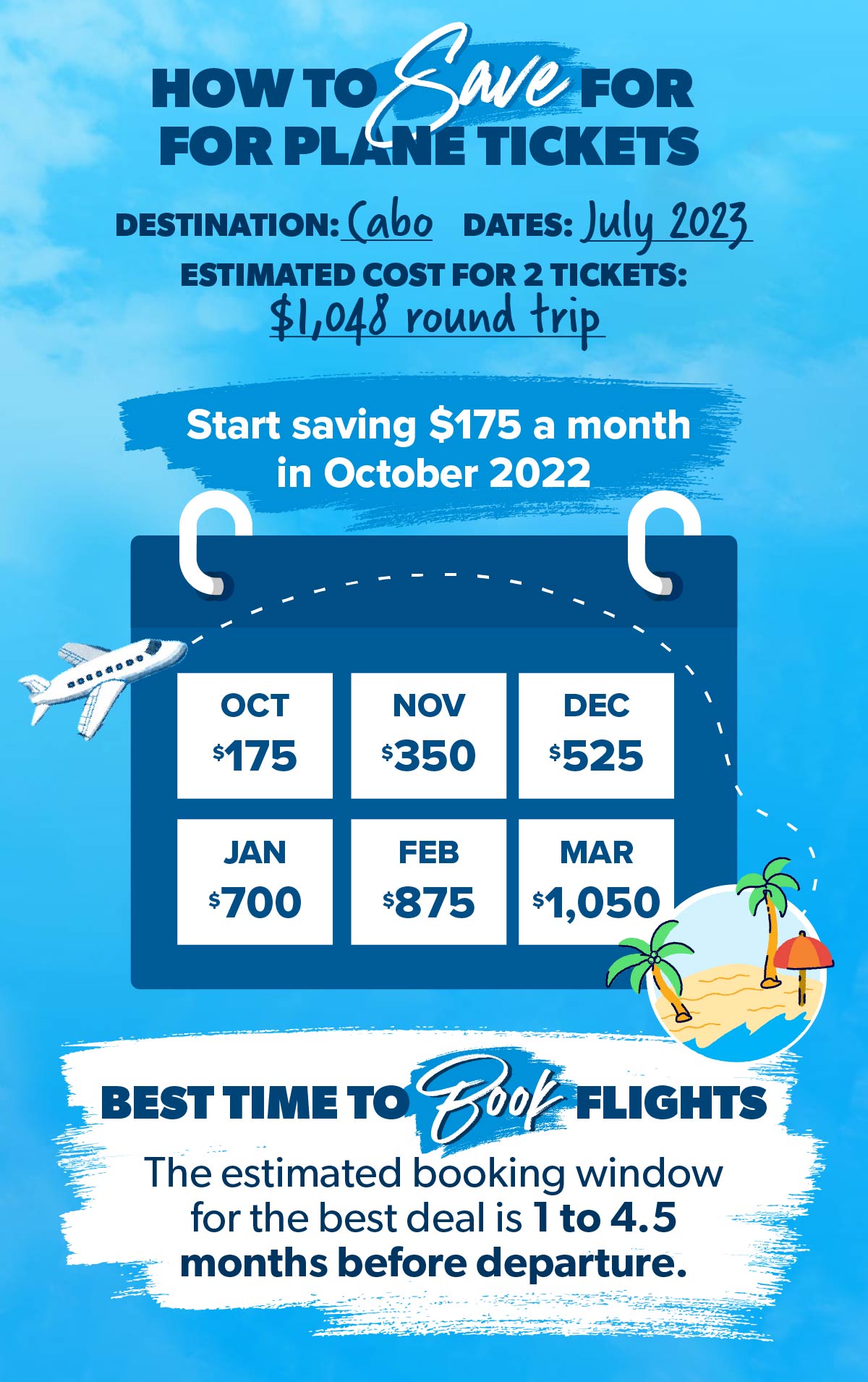
Generally, the consensus among financial travel experts is that booking too early or too late can be detrimental to your wallet. The “sweet spot” typically lies somewhere between 1.5 to 5.5 months (47 to 161 days) before departure for international flights and 1 to 3 months (28 to 100 days) for domestic flights. During this window, airlines are balancing early demand with the need to fill planes, often offering more competitive fares. Booking too far out risks paying premium launch prices, while booking too close to departure (especially within 2-4 weeks) often results in significantly higher fares as airlines cater to business travelers or those with urgent travel needs, who are less price-sensitive. Exceptions do exist, particularly for highly competitive routes or during off-peak seasons where airlines might release last-minute deals to avoid empty seats, but relying on this is a high-risk financial strategy.
Day of the Week: Unmasking the Best Booking Days
While the exact “cheapest day” can vary, historical data and industry insights suggest that Tuesdays, Wednesdays, and sometimes Thursdays are often the best days to find flight deals. This isn’t due to a magical price drop but rather because many airlines release their weekly sales on Monday evenings, and competitor airlines often match these prices by Tuesday morning. By mid-week, the market has settled, and the best deals for the upcoming week or month tend to become visible. Conversely, booking over the weekend (Friday evening through Sunday) is often more expensive, as these are popular times for leisure travelers to browse and book.
Seasonality and Holiday Surges: Navigating Peak Travel Times
Travel seasons are a critical financial determinant. Peak seasons (e.g., summer in Europe, winter holidays, spring break) invariably see higher prices due to increased demand. Conversely, shoulder seasons (late spring/early autumn) and off-peak seasons offer the greatest potential for savings. Traveling during major holidays like Thanksgiving, Christmas, or New Year’s Eve will almost always command premium prices, regardless of when you book. To mitigate these financial surges, consider traveling a few days before or after the absolute peak travel dates. For example, flying on Christmas Eve or Christmas Day itself might be cheaper than the days immediately preceding it, as most people prefer to travel earlier. Flexibility in your travel dates, even by a day or two, can yield significant monetary benefits.
Strategic Travel Planning: Maximizing Your Monetary Gains
Finding cheap flights isn’t just about timing; it’s also about smart planning and leveraging available resources. A strategic approach to your travel itinerary can unlock substantial savings.
Flexibility is King: Dates, Times, and Airports
The more flexible you can be with your travel plans, the greater your financial advantage.
- Dates: Shifting your departure or return by a day or two can sometimes halve the price. Using flight search engines’ “flexible dates” or “calendar view” options is invaluable for identifying the cheapest days to fly within a given month.
- Times: Red-eye flights (late night/early morning) and flights during less desirable hours (e.g., mid-week, outside of business hours) are frequently cheaper than those at peak times.
- Airports: If your destination has multiple airports (e.g., London, New York), check prices to and from all of them. Often, a less-convenient or smaller airport might offer significantly cheaper fares, even after accounting for the additional ground transportation cost. Expanding your search to include nearby larger airports for long-haul flights can also present considerable savings if you’re willing to add a shorter connecting flight or train journey.
Leveraging Price Comparison Tools and Alerts
In today’s digital age, numerous financial tools are available to help travelers find the best deals. Websites like Google Flights, Skyscanner, Kayak, and Expedia aggregate data from various airlines and online travel agencies (OTAs), allowing you to compare prices across different providers quickly. Beyond simple comparison, many of these tools offer price alert features. By setting up an alert for your desired route, you’ll receive notifications when the price drops, allowing you to pounce on a good deal as soon as it appears. This proactive financial monitoring can save you hundreds, enabling you to make informed decisions rather than constantly manually checking.
The Power of Incognito Mode and VPNs (Financial Strategy)
While debated, some travelers report finding different prices when searching in incognito/private browsing mode or using a Virtual Private Network (VPN). The theory is that some airline or OTA websites may track your browsing history and cookies, potentially increasing prices on routes you’ve repeatedly searched, assuming a higher level of interest. By browsing incognito, you essentially clear your digital footprint, presenting yourself as a new visitor. A VPN changes your apparent geographical location, which can sometimes result in different pricing depending on the local market the airline is targeting. While not a guaranteed saving, it’s a simple, free financial tactic worth trying, especially when you’re close to booking.
Beyond the Ticket Price: Holistic Financial Considerations
A truly financially savvy traveler looks beyond the sticker price of the flight ticket. The overall cost of air travel includes several additional factors that can significantly impact your total budget.
Hidden Costs: Baggage, Seat Selection, and In-Flight Services
Many budget airlines and even traditional carriers now unbundle their fares, offering a very low base price and then charging extra for what used to be standard inclusions. These “hidden” costs can quickly inflate your total spend:
- Baggage Fees: Checked baggage fees are common, and some airlines even charge for carry-on bags. Always check baggage allowances and costs before booking, especially if traveling with more than a personal item. Packing strategically to avoid checked bags is a highly effective financial strategy.
- Seat Selection: Many airlines charge a fee to select your seat, particularly for aisle or window seats, or those with extra legroom. If you’re willing to risk a middle seat or let the airline assign one for free at check-in, you can save money.
- In-Flight Services: Meals, snacks, drinks, and entertainment on budget carriers or short-haul flights are often extra. Budgeting for these or bringing your own provisions can help manage costs.
Loyalty Programs and Credit Card Rewards: Smart Financial Tools
For frequent flyers, leveraging loyalty programs and travel credit card rewards can lead to significant financial advantages.
- Airline Loyalty Programs: Joining airline frequent flyer programs is free and allows you to earn miles or points with every flight. These points can then be redeemed for future flights, upgrades, or other travel perks, effectively reducing your out-of-pocket expenses.
- Travel Credit Cards: Many credit cards offer generous sign-up bonuses and ongoing rewards points for travel spending. These points can often be transferred to airline partners or used to book travel directly through the card issuer’s portal. Some cards also offer benefits like free checked bags, priority boarding, lounge access, or travel insurance, providing value beyond just the points. Choosing the right travel credit card can be a powerful financial tool for reducing overall travel costs.
Budgeting for the Entire Trip: A Comprehensive Approach
A cheap flight is excellent, but it’s just one component of your overall travel budget. A truly financially astute traveler considers the entire journey. Account for:
- Ground Transportation: From airport to accommodation and vice versa.
- Accommodation: Hotels, hostels, Airbnb, etc.
- Food and Drink: Dining out, groceries, snacks.
- Activities and Excursions: Tours, museum entries, local experiences.
- Travel Insurance: A crucial, often overlooked, financial safeguard.
- Emergency Fund: Always have a buffer for unforeseen circumstances.
By creating a comprehensive budget, you ensure that a great flight deal isn’t undermined by unexpected expenses, guaranteeing a financially responsible and enjoyable trip.
Common Misconceptions and Advanced Money-Saving Tactics
The quest for cheap flights is rife with myths and often benefits from out-of-the-box thinking. Dispelling misinformation and employing advanced tactics can further sharpen your financial edge.
Dispelling Myths: Tuesdays are Not Always Cheapest
While the Tuesday booking theory often holds true, it’s not an infallible rule. Airline pricing is too dynamic and influenced by too many real-time variables to be reduced to a single “cheapest day.” Rather than blindly waiting for Tuesday, cultivate a habit of regular price monitoring within your identified “sweet spot” booking window. Set price alerts, compare across platforms, and be ready to book when a favorable price appears, regardless of the day of the week. The focus should be on opportunistic booking rather than rigid adherence to a generalized rule.
The Art of Multi-City Tickets and Open-Jaw Flights
Sometimes, the direct route isn’t the most financially sensible.
- Multi-City Flights: Instead of booking a simple round-trip, consider booking a “multi-city” itinerary. For example, flying from A to B, then B to C, and C back to A might be cheaper than A to B round trip, plus a separate B to C flight. This is particularly useful for exploring multiple destinations within a region.
- Open-Jaw Flights: This involves flying into one city and flying out of another (e.g., London to Paris, then Rome to London). If you plan to travel overland between two cities anyway, an open-jaw ticket can often be cheaper than a traditional round-trip to a single city with a separate return journey from the second destination, saving both time and money on backtracking.

Considering Budget Airlines and Alternative Routes
Budget airlines have revolutionized air travel by offering no-frills, low-cost options. While they come with more fees (as discussed), they can be incredibly cost-effective for short-haul travel or if you’re a minimalist packer. Always compare the total cost, including all potential fees, before assuming a budget airline is the cheapest. Additionally, consider alternative routes. A flight with a layover, even a long one, can often be significantly cheaper than a direct flight. If you have time and flexibility, a longer journey can translate into substantial savings, freeing up more money for your destination experiences.
In conclusion, finding the cheapest flight prices is less about a single secret and more about a strategic, financially informed approach. By understanding the underlying economic drivers of airline pricing, timing your purchases wisely, leveraging available tools, and considering the holistic financial implications of your trip, you can consistently unlock better value. Travel smart, save money, and let your budget take you further.
aViewFromTheCave is a participant in the Amazon Services LLC Associates Program, an affiliate advertising program designed to provide a means for sites to earn advertising fees by advertising and linking to Amazon.com. Amazon, the Amazon logo, AmazonSupply, and the AmazonSupply logo are trademarks of Amazon.com, Inc. or its affiliates. As an Amazon Associate we earn affiliate commissions from qualifying purchases.