
For anyone involved in the financial markets, tracking the earnings reports of major companies like Amazon (AMZN) is a critical exercise. These quarterly disclosures are far more than just dry statistical readouts; they are pivotal moments that can shift market sentiment, validate investment theses, or signal the need for reevaluation. Understanding when Amazon’s earnings are released, and more importantly, what to look for within these reports, is essential for investors, financial analysts, and even those with a casual interest in the economic pulse of one of the world’s most influential corporations.

Amazon, a behemoth spanning e-commerce, cloud computing, digital advertising, and numerous other ventures, commands significant attention. Its financial performance offers a unique lens into the broader health of global consumer spending, enterprise digital transformation, and technological innovation. Missing an Amazon earnings call is akin to missing a significant economic update, given the company’s sheer scale and impact across diverse sectors. This article delves into the critical aspects of Amazon’s earnings, providing a comprehensive guide for those looking to navigate this crucial financial event.
Understanding Amazon’s Earnings Reports: More Than Just Numbers
Amazon’s earnings reports are highly anticipated events, meticulously watched by millions. They provide a quarterly snapshot of the company’s financial health, operational efficiency, and future prospects. However, merely looking at the top-line revenue and bottom-line net income offers an incomplete picture. A deeper understanding requires dissecting the report and accompanying earnings call.
The Significance of Earnings Dates
Amazon typically announces its earnings around late January/early February (for Q4/full year), late April/early May (for Q1), late July/early August (for Q2), and late October/early November (for Q3). While these periods are generally consistent, the exact dates can vary from year to year and are usually announced by the company’s investor relations department a few weeks in advance. These dates are crucial because they create an “event risk” for the stock; significant price movements, both positive and negative, are common in the days leading up to and immediately following the announcement. Investors use these dates to prepare their analysis, adjust their portfolios, or even engage in short-term trading strategies based on expected outcomes. The timing also impacts other companies within Amazon’s ecosystem – suppliers, competitors, and partners – as Amazon’s performance can indicate broader industry trends.
Key Metrics to Watch Beyond Revenue and Net Income
While revenue and net income are fundamental, Amazon’s diversified business model necessitates a more nuanced approach.
- Segment Reporting: Amazon breaks down its revenue and operating income by segments: North America, International, and Amazon Web Services (AWS). AWS, in particular, is a high-margin business and often viewed as the primary profit engine. Investors pay close attention to its growth rate and profitability as a barometer for the broader cloud computing market.
- Operating Cash Flow & Free Cash Flow: Given Amazon’s capital-intensive nature (building data centers, fulfillment centers), cash flow metrics are critical indicators of financial health and the ability to reinvest in growth or return capital to shareholders.
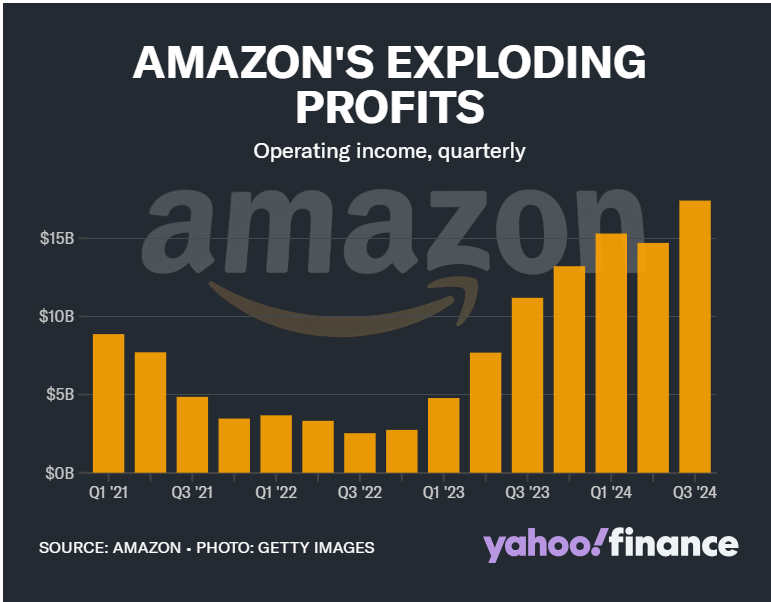
- Operating Margins: Across segments, operating margins reveal how efficiently Amazon is converting sales into profit. Changes in margins can highlight cost pressures, pricing power, or efficiency improvements.
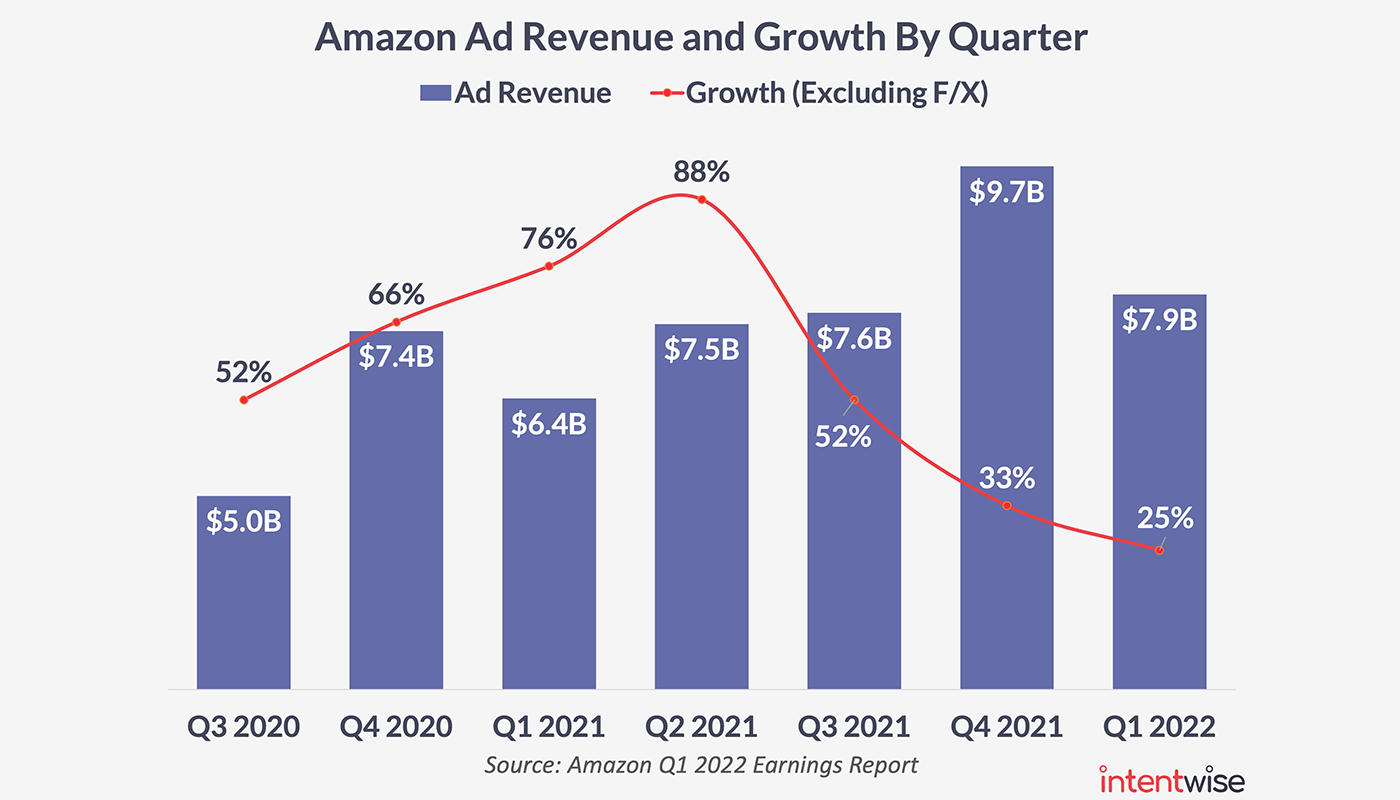
- Advertising Revenue: Amazon’s burgeoning advertising business is a high-growth, high-margin segment that is often overlooked but contributes significantly to profitability and market share in digital advertising.
- Subscription Services: Growth in Amazon Prime memberships and other subscriptions indicates customer loyalty and recurring revenue streams.
The Impact of Guidance and Future Projections
Perhaps more impactful than past performance is Amazon’s guidance for the upcoming quarter and, sometimes, the full year. Management’s outlook provides insights into expected revenue, operating income, and capital expenditures. This guidance often dictates how the market reacts, even if the past quarter’s results were strong. If guidance falls short of analyst expectations, the stock can drop significantly, regardless of an “earnings beat” for the prior period. Conversely, strong guidance can propel the stock higher even with a modest past performance. Analysts scrutinize management’s commentary on macroeconomic conditions, supply chain issues, labor costs, and technological investments, as these factors directly influence future projections.
How to Track Amazon’s Earnings Announcements
Staying abreast of Amazon’s earnings schedule is straightforward, thanks to readily available resources. Proactive tracking ensures investors are never caught off guard and can prepare their analysis well in advance.
Official Sources: Amazon Investor Relations
The most reliable and official source for Amazon’s earnings dates, reports, and associated materials is its Investor Relations website. This dedicated portal provides:
- Upcoming Earnings Dates: Typically listed prominently on the main page.
- Press Releases: The full earnings report is released as a press release.
- Shareholder Letters: Often accompany the report, offering a qualitative narrative from CEO Andy Jassy and other executives.
- SEC Filings: Detailed quarterly reports (10-Q) and annual reports (10-K) are filed with the U.S. Securities and Exchange Commission, providing granular financial data.
- Webcast Information: Details for the live earnings conference call, where management discusses results and answers analyst questions, are provided. Listening to these calls can offer invaluable qualitative insights that numbers alone cannot convey.
Financial News Outlets and Data Providers
Numerous reputable financial news organizations and data providers regularly publish and update earnings calendars. Websites like Bloomberg, Reuters, The Wall Street Journal, Yahoo Finance, CNBC, and Google Finance are excellent resources. Most financial platforms also integrate earnings calendars directly into their stock lookup features. Services like Zacks, TipRanks, and Seeking Alpha also provide earnings estimates, historical data, and often pre- and post-earnings analysis. While convenient, always cross-reference critical dates with Amazon’s official investor relations site to avoid any discrepancies.
Setting Up Alerts and Calendars
To ensure you never miss an Amazon earnings announcement, leverage technology.
- Email Alerts: Subscribe to email notifications directly from Amazon’s Investor Relations site.
- Calendar Integration: Many financial platforms and news sites allow you to add earnings dates directly to your personal digital calendar (Google Calendar, Outlook Calendar, Apple Calendar).
- Stock Tracking Apps: Popular stock market apps often include built-in earnings calendars and push notification features for companies you follow.
- Financial News Feeds: Set up custom news feeds or alerts for “Amazon earnings” on your preferred news aggregator.
What Drives Amazon’s Financial Performance? A Sectoral Breakdown
Amazon’s colossal valuation and consistent growth stem from a diverse portfolio of businesses, each contributing uniquely to its overall financial performance. Understanding these distinct engines is crucial for a comprehensive earnings analysis.
The E-commerce Juggernaut: Retail Sales and Profitability
Amazon’s roots are in e-commerce, and despite its expansion, retail remains a massive component. This segment includes online store sales, third-party seller services (commissions, fulfillment, shipping fees), physical stores (Whole Foods, Amazon Go), and product sales. Key drivers here include:
- Consumer Spending Trends: Macroeconomic factors like inflation, interest rates, and consumer confidence directly impact retail sales.
- Prime Membership Growth: Prime members are Amazon’s most loyal and highest-spending customers. Growth in this base fuels both direct sales and subscription revenue.
- Logistics and Fulfillment Costs: The efficiency and cost of Amazon’s vast logistics network, including shipping, warehousing, and last-mile delivery, heavily influence retail profitability. Labor costs, fuel prices, and supply chain disruptions are critical factors.
- Competition: Intense competition from other online retailers and brick-and-mortar stores can impact pricing and market share.
- Advertising: While counted separately in revenue, Amazon’s advertising business is deeply intertwined with its e-commerce platform, allowing sellers to promote products, which in turn drives retail sales.
Amazon Web Services (AWS): The Cloud Computing Powerhouse
AWS is arguably Amazon’s crown jewel. It provides on-demand cloud computing platforms and APIs to individuals, companies, and governments, on a metered, pay-as-you-go basis. Its contribution to Amazon’s profitability is outsized compared to its revenue share. Factors influencing AWS performance include:
- Enterprise Digital Transformation: The ongoing shift of businesses to cloud infrastructure drives demand for AWS services.
- Market Share: AWS competes with Microsoft Azure, Google Cloud, and others. Its ability to innovate and attract new clients is critical.
- Pricing and Margin: While scale allows for some cost efficiencies, competition can lead to pricing pressures. However, AWS typically enjoys significantly higher operating margins than Amazon’s retail business.
- New Services and Features: Continuous innovation in areas like AI/ML, data analytics, and serverless computing attracts new customers and expands existing usage.
- Capital Expenditures: AWS requires substantial upfront investment in data centers, which impacts free cash flow but is essential for future growth.
Advertising, Subscriptions, and Emerging Ventures
Beyond e-commerce and AWS, several other segments contribute significantly to Amazon’s financial health:
- Advertising Services: This rapidly growing segment leverages Amazon’s vast user data and platform to offer highly targeted advertising solutions for sellers, vendors, and external brands. It’s a high-margin business competing with Google and Meta.
- Subscription Services: Primarily Amazon Prime memberships, but also Kindle Unlimited, Amazon Music, and other digital subscriptions. This provides stable, recurring revenue and fosters customer loyalty.
- Other Ventures: This catch-all category includes investments in R&D for new technologies (e.g., Project Kuiper for satellite internet), hardware devices (Echo, Ring), and nascent businesses. While sometimes loss-making in the short term, these represent Amazon’s long-term growth bets.
The Investor’s Playbook: Reacting to Amazon Earnings
For investors, earnings season is a high-stakes period. How one prepares for and reacts to Amazon’s earnings can significantly impact portfolio performance.
Pre-Earnings Expectations and Market Sentiment
Weeks leading up to the earnings release, analysts publish their estimates for revenue, EPS, and segment performance. These consensus estimates become the benchmark against which Amazon’s actual results are measured. Investors also gauge market sentiment, looking at option activity (especially put/call ratios), short interest, and news flow related to consumer spending or cloud infrastructure.
- Whisper Numbers: Often, an unofficial “whisper number” circulates among traders, representing higher or lower expectations than the official consensus. This can sometimes be a more accurate predictor of market reaction.
- Analyst Upgrades/Downgrades: Changes in analyst ratings and price targets immediately preceding earnings can influence sentiment.
- Competitor Performance: Earnings from competitors (e.g., Microsoft for Azure, Walmart for retail) can provide hints about broader industry trends that might affect Amazon.
Post-Earnings Volatility and Long-Term Implications
The immediate aftermath of an earnings report is often characterized by significant stock price volatility.
- “Beat and Raise”: The ideal scenario where Amazon exceeds analyst expectations for the past quarter and raises its guidance for the future. This typically leads to a substantial stock price increase.
- “Miss and Lower”: The opposite, where results fall short and guidance is cut. This often results in a sharp sell-off.
- “Beat but Lower Guidance”: A common and tricky scenario. Strong past performance might be overshadowed by a cautious outlook, leading to mixed reactions or even a decline.
- “Miss but Maintain Guidance”: A disappointing quarter but management remains optimistic. This can also lead to volatility as investors weigh the short-term miss against long-term confidence.
For long-term investors, it’s crucial to look beyond the immediate post-earnings swing. Is the miss a temporary blip or a systemic issue? Is the beat sustainable? Focus on the underlying trends and the management commentary about strategic direction, competitive landscape, and capital allocation.
Analyzing Earnings Calls and Management Commentary
The earnings conference call, usually held shortly after the report is released, is an indispensable resource. Here, executives elaborate on the results, provide context for the numbers, and answer questions from analysts.
- Listen for Nuances: Management tone, specific wording, and emphasis can reveal more than the prepared remarks.
- Key Themes: Identify recurring themes, concerns, or areas of focus (e.g., “cost efficiencies,” “AI investments,” “international expansion”).
- Analyst Questions: The questions asked by seasoned analysts often highlight the key concerns or points of interest for the investment community. How management addresses these questions is telling.
- Outlook Details: Pay close attention to any additional details or color provided around the financial guidance.
Beyond the Headlines: Long-Term Investment Perspective on Amazon
While quarterly earnings are important tactical events, a true understanding of Amazon’s investment appeal requires a long-term perspective, integrating these reports into a broader view of the company’s strategic position and future potential.
Growth Drivers and Competitive Advantages
Amazon possesses several enduring growth drivers and competitive advantages:
- Network Effects of Prime: The Prime ecosystem creates a powerful flywheel, enhancing customer loyalty and spending.
- AWS Leadership: A dominant position in the high-growth cloud computing market, fueled by continuous innovation and economies of scale.
- Data and AI: Amazon’s vast trove of customer and operational data, combined with its AI capabilities, provides a significant advantage in personalization, advertising, and operational efficiency.
- Logistics Infrastructure: An unparalleled global fulfillment and delivery network that is difficult and costly for competitors to replicate.
- Culture of Innovation: A relentless focus on long-term investment, experimentation, and disruption across various industries.
Risks and Challenges on the Horizon
No company is without risks, and Amazon faces several:
- Regulatory Scrutiny: Antitrust concerns and increased government oversight in major markets pose ongoing risks.
- Competition: Intense competition across all its segments, from retail to cloud to advertising.
- Macroeconomic Headwinds: Economic downturns, inflation, and supply chain disruptions can impact consumer spending and operational costs.
- Labor Relations: Managing a massive global workforce comes with challenges related to wages, unionization, and employee satisfaction.
- Capital Intensity: Sustained growth requires continuous, heavy investment in infrastructure, which can weigh on free cash flow in the short term.
Integrating Earnings into a Comprehensive Investment Strategy
Quarterly earnings are data points, not the entire picture. For a comprehensive investment strategy, consider:
- Fundamental Analysis: Evaluate Amazon’s intrinsic value based on its business model, competitive advantages, management quality, and long-term growth prospects.
- Valuation: Assess whether the current stock price accurately reflects Amazon’s value and future potential.
- Diversification: Amazon should be part of a diversified portfolio, not its sole holding.
- Long-Term Horizon: Acknowledge that Amazon is a company that often prioritizes long-term growth over short-term profits. Investment in innovation can temporarily depress earnings, but potentially create immense value over time.
In conclusion, knowing “when are Amazon earnings” is merely the first step. The true value lies in understanding the complex tapestry of its businesses, the key metrics that drive its performance, and how to interpret these critical financial disclosures within a broader, long-term investment framework. By diligently tracking and analyzing Amazon’s earnings, investors can gain invaluable insights not only into the company itself but also into the dynamic global economy it so significantly influences.
aViewFromTheCave is a participant in the Amazon Services LLC Associates Program, an affiliate advertising program designed to provide a means for sites to earn advertising fees by advertising and linking to Amazon.com. Amazon, the Amazon logo, AmazonSupply, and the AmazonSupply logo are trademarks of Amazon.com, Inc. or its affiliates. As an Amazon Associate we earn affiliate commissions from qualifying purchases.