
Navigating the labyrinthine world of airline ticket pricing can often feel like a high-stakes gamble. For many, the cost of air travel represents a significant portion of their vacation or business trip budget, making the quest for the cheapest fares a perennial priority. Far from being a random lottery, airline ticket pricing is a complex dance influenced by a myriad of factors, from demand curves and fuel costs to algorithmic predictions and competitive pressures. Understanding these underlying mechanisms, and critically, knowing when to strike, can transform a costly expenditure into a manageable and even advantageous part of your financial planning.

This comprehensive guide delves deep into the strategies and timing nuances that can help you secure the best possible prices for your flights. We’ll strip away the myths, reveal the data-backed insights, and empower you with the knowledge to make informed decisions, ensuring your travel budget stretches further and your financial goals remain on track.
The Golden Window: Timing Your Booking for Maximum Savings
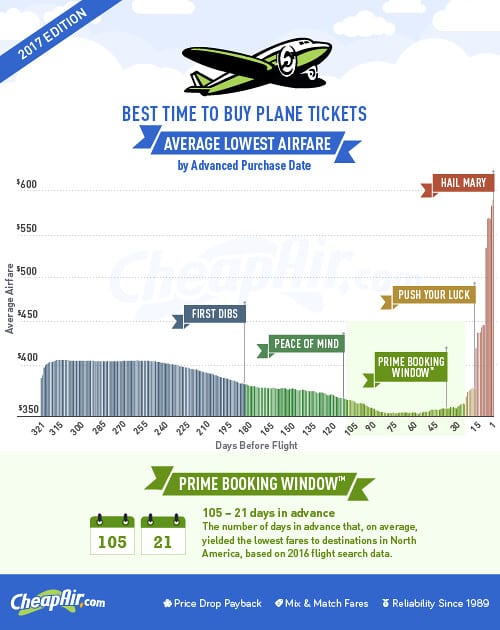
One of the most persistent questions in travel finance is precisely when to book a flight. Is it months in advance, or do last-minute deals still exist? The truth lies somewhere in the middle, residing within what experts call the “golden window”—a period where prices are statistically at their most competitive before rising sharply.
The “Sweet Spot” for Domestic Flights
For flights within your home country or region, the sweet spot for booking typically falls within 1 to 3 months (approximately 28 to 112 days) before your intended departure date. During this period, airlines have usually finalized their schedules and adjusted initial pricing based on early demand. Booking too early (e.g., 6+ months out) often means paying a premium because airlines haven’t yet filled seats and are testing the market. Booking too late (e.g., within 2 weeks) risks significant price hikes as fewer seats remain and demand often outstrips supply, especially for popular routes.
Data consistently shows that prices begin to creep up significantly once you enter the final month before departure, often peaking in the last two weeks. Therefore, setting a reminder to check prices and book within this 1-3 month window for domestic travel is a financially prudent strategy.
International Journeys: Planning Further Ahead
International travel, with its longer lead times and more complex logistics, demands a slightly earlier approach to booking. For intercontinental flights, the optimal booking window generally extends to 2 to 8 months (approximately 56 to 240 days) in advance. The reasoning is similar: airlines open international routes for booking much earlier, and demand can be spread out over a longer period. More variables are at play, including connecting flights, varied fuel costs across regions, and different peak travel seasons globally.
Securing your international tickets within this broader window allows you to capitalize on early bird specials and avoid the inevitable surge in prices that occurs as departure dates draw nearer. Waiting too long for international flights can not only mean higher prices but also limited availability on preferred routes or with specific airlines, potentially leading to less convenient itineraries.
Debunking the Myth of Last-Minute Deals
The romanticized notion of snagging incredible last-minute deals often proves to be a costly misconception, particularly for leisure travelers. While airlines occasionally release unsold business or first-class seats at a discount close to departure, this is exceptionally rare for economy class on popular routes. In most cases, prices for economy tickets increase substantially in the final weeks and days leading up to a flight.
Airlines understand that last-minute travelers, especially those flying for urgent business or personal reasons, often have less price sensitivity and fewer options. They capitalize on this by raising fares. Unless you possess extreme flexibility, are traveling to an obscure destination, or have a specific flight that is severely undersold (a rare occurrence), relying on last-minute bargains for economy seats is a gamble that typically results in paying much more. For sound financial planning, plan ahead and aim for the golden booking window.
Strategic Travel Days and Seasons: Flying Smarter, Not Harder
Beyond when you book, when you actually fly plays an equally crucial role in determining ticket prices. Airlines employ sophisticated revenue management systems that adjust fares based on anticipated demand for specific days of the week and times of the year. Understanding these patterns allows you to schedule your travel during periods of lower demand, thereby unlocking significant savings.
Mid-Week Marvels: Tuesdays, Wednesdays, and Saturdays
Historically, and often still today, certain days of the week are cheaper for flying. Tuesdays, Wednesdays, and Saturdays frequently emerge as the most cost-effective days to depart and return.
- Tuesdays and Wednesdays are typically off-peak for business travelers who prefer Monday morning departures and Friday evening returns. Leisure travelers also tend to favor weekend departures, leaving mid-week flights with lower demand.
- Saturdays can also be cheaper than Sundays for return flights, as many weekend travelers aim to be back by Sunday evening. For those starting a week-long trip, Saturday departures can be more affordable than flying on Friday.
Conversely, Fridays and Sundays are almost universally the most expensive days to fly due to high demand from both business travelers concluding their work week and leisure travelers heading out for or returning from weekend getaways. Monday mornings also often see higher prices due to business travel. If your schedule permits, shifting your departure or return by just a day or two can yield noticeable financial benefits.
Off-Peak Seasons: Embracing Shoulder and Low Demand
The time of year you travel has a massive impact on airfare. Airlines categorize seasons into peak, shoulder, and low demand, adjusting prices accordingly.
- Peak Season coincides with major holidays (Christmas, New Year, Easter, Thanksgiving), school breaks (summer vacation, spring break), and popular festivals or events. During these times, demand skyrockets, and prices can be exorbitant.
- Shoulder Season refers to the periods immediately before and after peak season. For example, late spring (April-May) and early fall (September-October) in many northern hemisphere destinations. These periods often offer a sweet spot: pleasant weather, fewer crowds, and significantly lower airfares compared to peak season.
- Low Season (or off-peak) is when tourist traffic is minimal, often due to less favorable weather (e.g., winter in beach destinations, extreme heat in deserts) or simply a general lull in travel. While the experience might be different, the financial savings on flights and accommodation can be substantial.
Adjusting your travel dates to align with shoulder or low seasons can be one of the most effective strategies for reducing overall travel costs.
Avoiding Holiday Hikes and Major Events
This goes hand-in-hand with understanding peak seasons. Flying directly on or around major public holidays, school vacations, or during significant local events (e.g., Mardi Gras, Oktoberfest, major sports events) almost guarantees inflated prices. Airlines know demand is inelastic during these times, and they price accordingly.
If your travel plans are fixed around a holiday, try to be flexible with the exact dates. For instance, flying on the holiday itself (e.g., Christmas Day or Thanksgiving Day) can sometimes be cheaper than flying the day before, as fewer people are willing to travel on the actual holiday. Similarly, departing a week before a major school break begins or returning a week after it ends can make a world of difference to your wallet. Proactive planning to avoid these high-demand spikes is a cornerstone of financially savvy travel.
Leveraging Flexibility: Your Most Powerful Tool for Lower Fares
While timing and day-of-week strategies are crucial, true mastery of finding cheap flights often boils down to one overarching principle: flexibility. The more flexible you can be with your travel plans, the more opportunities you open up for significant savings. Airlines reward passengers who can adapt to their pricing structure, rather than forcing the airline to adapt to rigid demands.
Date Flexibility: The Calendar as Your Ally
Being flexible with your exact travel dates is arguably the single most impactful way to reduce airfare. Instead of searching for a flight on a specific day, broaden your search to a range of dates. Most online travel agencies and airline websites now offer “flexible date” search options or calendar views that highlight the cheapest days to fly within a given month or week.
If your plans allow, try shifting your departure or return by a few days to find the lowest combination. For example, if you’re looking for a week-long trip, playing with a Tuesday-to-Tuesday versus a Friday-to-Friday schedule can reveal hundreds of dollars in savings. Even a single day’s shift can sometimes cut costs dramatically. This strategy requires patience and willingness to experiment with different date combinations.
Airport Flexibility: Expanding Your Departure and Arrival Options
Many metropolitan areas are served by multiple airports. For instance, London has Heathrow, Gatwick, Stansted, and Luton; New York has JFK, LaGuardia, and Newark. Being willing to fly into or out of a secondary or tertiary airport can often lead to substantial savings. While these airports might be further from your final destination and incur slightly higher ground transportation costs, the airfare savings can easily outweigh these additional expenses.
Similarly, consider flying from a slightly further but larger hub airport rather than a smaller regional airport. Larger airports often have more competition among airlines and a higher volume of flights, which can drive down prices. When searching, try specifying “nearby airports” or selecting a broader metropolitan area rather than a single airport code to see all available options.
Destination Flexibility: Openness to New Adventures
This strategy is for the truly adventurous and budget-conscious. If your primary goal is simply to “go somewhere” or “take a vacation” rather than visit a specific place, being open to various destinations can unlock incredible deals. Many flight search engines offer features like “explore destinations” or “anywhere” searches, allowing you to input your departure airport and dates and then see a map or list of the cheapest places you can fly to.
A low-cost flight to an unexpected city could lead to an amazing and memorable trip that you hadn’t initially considered. This approach fundamentally shifts your financial decision-making process: instead of finding a flight to fit your desired destination, you let the cheapest flight dictate your next adventure. For those with a wanderlust spirit and a tight budget, destination flexibility is a powerful financial enabler.
Advanced Strategies and Tools for the Modern Traveler
Beyond timing and flexibility, the modern traveler has a wealth of tools and strategies at their disposal to unearth the cheapest airline tickets. Leveraging technology and understanding common airline practices can give you a significant financial edge.
Harnessing Price Comparison Engines and Alerts
The digital age has revolutionized how we search for flights. Instead of checking individual airline websites, utilize comprehensive flight comparison engines such such as Google Flights, Skyscanner, Kayak, or Momondo. These platforms scour hundreds of airlines and online travel agencies (OTAs) simultaneously, presenting you with a broad spectrum of options and prices.
Crucially, many of these tools offer price alerts. Once you’ve identified a route and date range, you can set up an alert to notify you via email or app notification if the price drops. This allows you to monitor fluctuations without constantly checking, empowering you to book when the price hits your desired threshold. Be patient; prices can change multiple times a day.
The Incognito Mode & VPN Debate: Fact vs. Fiction
A persistent myth suggests that airlines track your searches through cookies and raise prices if you repeatedly look at the same flight. While airlines do use dynamic pricing and algorithms, there’s little concrete evidence that simply browsing in incognito mode or using a VPN significantly lowers prices for the average consumer.
- Incognito Mode/Private Browsing: This primarily prevents your local browser from storing cookies and search history. While it might prevent a travel site from “remembering” your previous searches and potentially showing slightly different results, it doesn’t fundamentally alter the airline’s dynamic pricing algorithms that are based on real-time supply, demand, and market factors.
- VPN (Virtual Private Network): Using a VPN to connect from a different country might, in very rare instances, show different prices if an airline offers region-specific pricing (e.g., lower prices for tickets purchased in countries with lower purchasing power). However, this is not a widespread or reliable strategy for everyday savings and can sometimes complicate booking if your credit card address doesn’t match the VPN location.
Focus your energy on timing, flexibility, and comparison tools rather than these often-overstated browser tricks.
Budget Airlines and Hidden Costs: A Closer Look
Budget airlines (e.g., Ryanair, Spirit, Frontier, Allegiant, EasyJet) often offer incredibly low base fares. They are a fantastic option for saving money, especially for short-haul flights. However, their business model relies on charging extra for nearly everything beyond the seat itself.
- Baggage Fees: Checked bags, and often even carry-on bags that aren’t a small personal item, incur significant fees.
- Seat Selection: Choosing your seat usually costs extra.
- Food and Drink: No complimentary refreshments.
- Printing Boarding Pass: Some charge if you don’t check-in online and print it yourself.
- Payment Fees: Some even have small fees for certain payment methods.
When comparing budget airlines to full-service carriers, always factor in these potential “hidden” costs. Calculate the total cost including all the add-ons you’ll need. Sometimes, a slightly higher base fare from a traditional airline, which includes baggage and seat selection, can end up being cheaper or comparable to a budget airline once all fees are accounted for.
Loyalty Programs and Credit Card Perks: Earning Your Way to Savings
For frequent travelers, loyalty programs and travel-focused credit cards can unlock substantial long-term savings.
- Airline Loyalty Programs: Joining airline frequent flyer programs is free and allows you to earn miles or points with every flight. These points can be redeemed for future flights, upgrades, or other travel perks. Even if you don’t fly one airline exclusively, accumulating points with one or two major alliances (Star Alliance, SkyTeam, Oneworld) can be beneficial.
- Travel Credit Cards: Many credit cards offer generous sign-up bonuses of miles or points, ongoing rewards for travel spending, and perks like free checked bags, lounge access, or travel insurance. Carefully research cards that align with your spending habits and preferred airlines or travel goals. The annual fee can often be offset by the value of the benefits received. Using points to pay for flights is essentially getting them for free, a fantastic financial maneuver.
Understanding the Dynamics of Airline Pricing
To truly master the art of finding cheap flights, it helps to understand the fundamental economic principles and operational factors that drive airline pricing. It’s not arbitrary; it’s a sophisticated reflection of supply, demand, and costs.
Supply and Demand: The Core Economic Principle
At its heart, airline pricing is a classic example of supply and demand.
- High Demand / Low Supply = High Prices: When many people want to fly to a particular destination at a particular time, and there are limited seats available, prices will soar. This happens during peak travel seasons, holidays, and major events.
- Low Demand / High Supply = Low Prices: Conversely, when fewer people want to fly, or when an airline has many empty seats, prices will drop to incentivize bookings. This is why mid-week flights, off-peak seasons, and less popular routes tend to be cheaper.
Airlines use complex algorithms to predict demand based on historical data, booking patterns, real-time searches, and even external factors like weather forecasts or major news events. They continuously adjust prices to maximize revenue per flight.
Fuel Costs and Operating Expenses
Fuel is one of the largest operating expenses for airlines. Fluctuations in global oil prices directly impact airline profitability and, consequently, ticket prices. When fuel prices rise, airlines often pass some of that cost onto consumers through higher fares or fuel surcharges.
Beyond fuel, airlines face numerous other significant operating costs, including aircraft maintenance, crew salaries, airport fees, navigation charges, and insurance. These fixed and variable costs must be covered by ticket sales, and they all contribute to the baseline price of a flight. Airlines are constantly balancing these costs with market demand to set competitive yet profitable fares.
Competition and Market Influences
The level of competition on a particular route can heavily influence ticket prices.
- Highly Competitive Routes: If multiple airlines fly the same route, they often engage in price wars to attract passengers, leading to lower fares. This is a boon for consumers.
- Monopoly/Duopoly Routes: If only one or two airlines serve a route, they have less pressure to offer competitive pricing and can often charge higher fares.
Airline alliances (like Star Alliance, SkyTeam, Oneworld) also play a role, allowing partner airlines to offer a wider network and share passengers, which can impact pricing strategies. Additionally, external market factors like economic downturns (which reduce travel demand) or the introduction of new low-cost carriers into a market can lead to broader price shifts.
Dynamic Pricing Algorithms: The AI Behind the Numbers
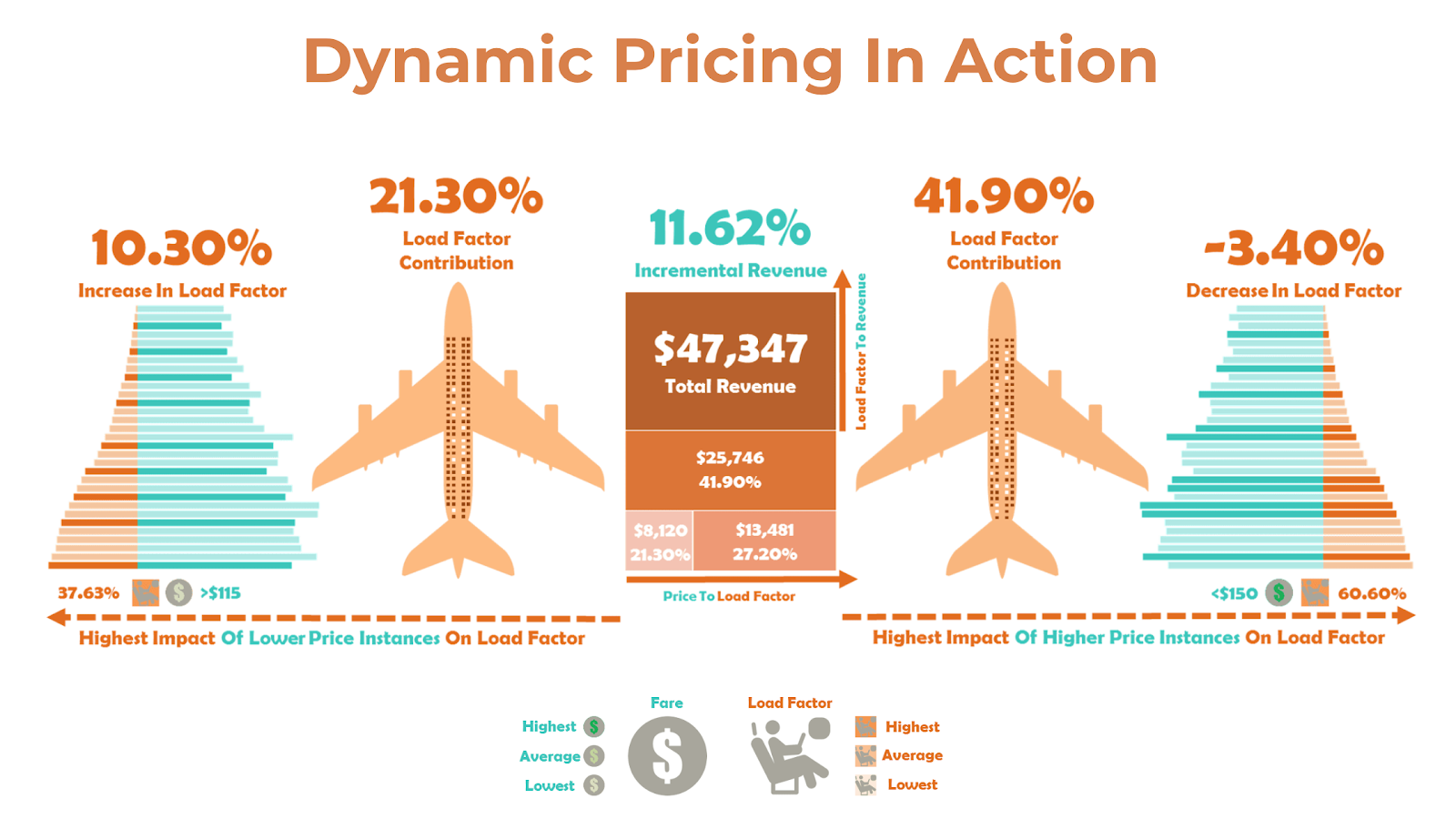
Modern airline pricing is incredibly sophisticated, driven by dynamic pricing algorithms. These aren’t static models but constantly learning systems that analyze vast amounts of data in real-time. They consider:
- Time until departure: As discussed, prices tend to increase as the flight date approaches.
- Number of seats sold: As a flight fills up, remaining seats become more expensive.
- Competitor pricing: Algorithms monitor rival airlines’ fares and adjust accordingly.
- Historical booking data: What prices did similar flights sell for last year?
- Time of day/week: Demand patterns shift throughout the day and week.
- Route popularity: High-demand routes command higher prices.
- Customer segmentation: While not overtly discriminatory, algorithms can segment customers based on booking patterns (e.g., business vs. leisure) to offer different fare classes.
This dynamic nature means that flight prices can change multiple times within a single day. This is why tools like price alerts are so valuable—they help you track these fluctuations and act at an opportune moment for your personal finance.
Conclusion
Securing the cheapest airline tickets is less about luck and more about strategy, timing, and informed decision-making. By understanding the optimal booking windows, leveraging flexibility in your travel dates and airports, and utilizing modern comparison tools, you can significantly reduce your travel expenses. Embrace mid-week flights and off-peak seasons, be mindful of budget airline add-ons, and consider the long-term benefits of loyalty programs. Moreover, appreciating the complex interplay of supply, demand, and operational costs empowers you to anticipate price movements and act decisively. In the realm of personal finance and travel, being a savvy airfare hunter means maximizing your experiences while minimizing your outflow, allowing your money to work smarter for you.
aViewFromTheCave is a participant in the Amazon Services LLC Associates Program, an affiliate advertising program designed to provide a means for sites to earn advertising fees by advertising and linking to Amazon.com. Amazon, the Amazon logo, AmazonSupply, and the AmazonSupply logo are trademarks of Amazon.com, Inc. or its affiliates. As an Amazon Associate we earn affiliate commissions from qualifying purchases.