
For many households and business professionals, airfare represents one of the most volatile and significant discretionary expenses in a monthly or annual budget. Unlike consumer goods with static price tags, airline tickets are financial instruments that fluctuate based on complex algorithms, market demand, and global economic factors. Understanding when airline tickets are cheapest is not merely a matter of luck; it is an exercise in financial timing and strategic resource management. To optimize travel spending, one must look past travel myths and analyze the data-driven realities of yield management and capital allocation.
Decoding the Financial Architecture of Airline Pricing
To understand when to buy, one must first understand how airlines set their prices. The industry utilizes a sophisticated model known as “dynamic pricing” or “yield management.” This system is designed to maximize the Revenue Per Available Seat Mile (RASM). Airlines do not sell all seats on a plane at the same price; instead, they divide the cabin into various “fare buckets.”
The Mechanics of Fare Buckets
Each fare bucket has a specific price point and set of restrictions. As the lowest-priced buckets sell out, the internal reservation system automatically opens the next, more expensive bucket. This is why you might see a price jump significantly within a few minutes of refreshing a browser. From a personal finance perspective, your goal is to secure a seat in the lowest possible bucket before demand-driven escalation begins.
This pricing is rarely tied to the actual cost of the flight—fuel, labor, and maintenance—but is instead tied to the consumer’s “willingness to pay.” Business travelers, who often book last minute and require flexibility, are less price-sensitive and occupy the higher-cost buckets. Leisure travelers, who plan months in advance, occupy the lower-cost buckets. By booking early, you are essentially participating in an early-bird liquidity event for the airline, providing them with cash flow in exchange for a lower rate.
The Role of Market Competition and Fuel Hedging
The macro-financial environment also dictates ticket prices. When oil prices drop, airlines may eventually lower fares, but there is often a lag due to fuel hedging—the practice of buying oil futures to lock in prices. Furthermore, on routes where a “Low-Cost Carrier” (LCC) competes with a “Legacy Carrier,” prices are suppressed by market competition. If you are budgeting for a trip, identifying routes with high competition is a fundamental step in reducing the total cost of ownership for your travel.
The Strategic Booking Window: Timing Your Purchase for Maximum ROI
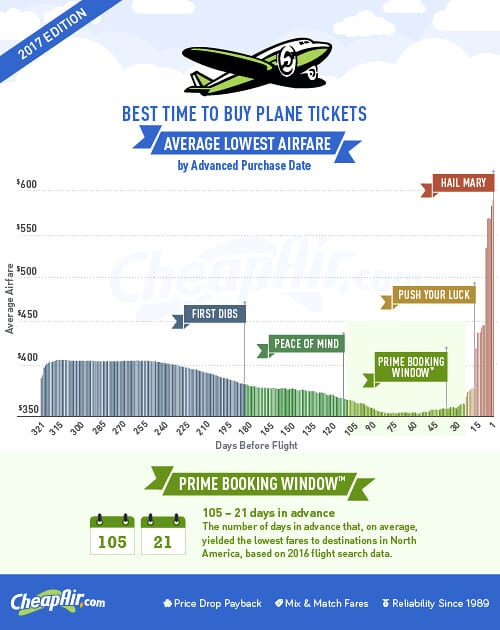
The most common question in travel finance is how far in advance one should commit capital to a ticket. While the old myth of “buying on a Tuesday at 3:00 PM” has been largely debunked by automated 24/7 algorithmic adjustments, there are definitive “Goldilocks Windows” where prices tend to bottom out before rising sharply.
Domestic vs. International Financial Timelines
For domestic travel within the same continent, the optimal booking window typically falls between one and three months before departure. Data suggests that booking too early (more than six months out) can actually result in higher prices, as airlines set conservative, high baseline fares before they have a clear picture of seasonal demand. Conversely, booking less than 21 days before departure triggers “last-minute” pricing, which targets corporate budgets rather than personal savings.
International travel requires a different financial strategy. Because these flights involve higher operational costs and more complex logistics, the optimal booking window shifts to four to eight months in advance. For peak seasons, such as summer in Europe or the winter holidays, this window may extend even further. Failing to book within this timeframe often leads to a “scarcity premium,” where the traveler pays a significant markup due to limited remaining inventory.
The Mid-Week Advantage and Seasonal Volatility
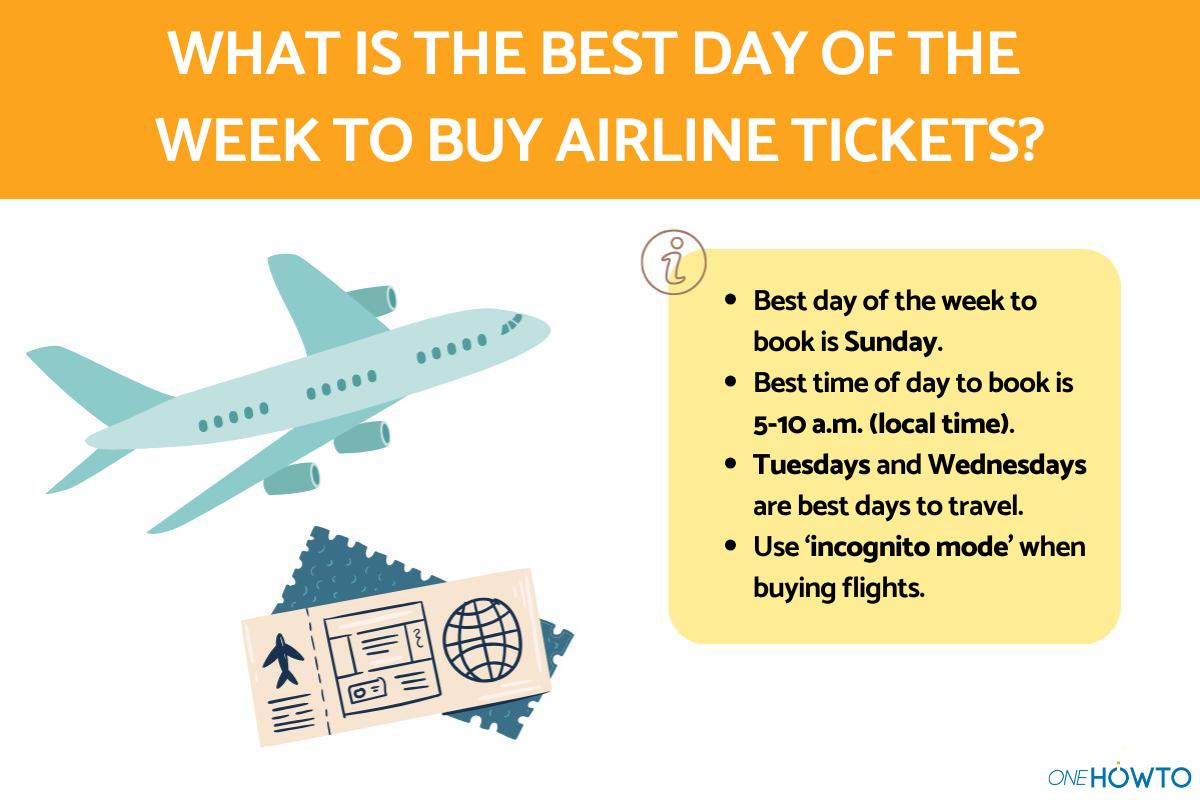
While the day you buy the ticket matters less than it used to, the day you fly remains a critical financial variable. Mid-week departures—specifically Tuesdays and Wednesdays—consistently offer the lowest fares. Historically, Fridays and Sundays are the most expensive days to fly because they bookend the standard work week and the weekend getaway. By shifting your travel schedule by just 24 to 48 hours, you can often realize a 15% to 30% reduction in airfare, representing a substantial return on the “investment” of your flexibility.
Financial Arbitrage: Leveraging Points, Rewards, and Currency
In the modern financial landscape, the cheapest airline ticket is often the one that does not require an outlay of cash. Integrating airfare strategy into your broader personal finance plan involves leveraging credit arbitrage and loyalty programs.
Maximizing the Value of Rewards Units
Travel rewards points and frequent flyer miles should be viewed as a secondary currency. However, their value is not fixed. The “Cents Per Point” (CPP) metric is the standard way to evaluate whether you are getting a good deal. If a ticket costs $500 or 50,000 miles, the value is 1.0 cent per mile. If the same ticket costs $1,000 but remains 50,000 miles, the value doubles to 2.0 CPP.
Strategically, the best time to buy tickets with points is often when cash prices are at their highest. This creates a “hedge” against market volatility. By maintaining a balance of liquid cash and transferable point currencies (like those from major credit card issuers), you can choose the payment method that offers the highest fiscal efficiency at the moment of purchase.
Currency Fluctuations and Point-of-Sale Strategies
For sophisticated travelers, purchasing tickets in a foreign currency can sometimes yield significant savings. This is known as “Point of Sale” (POS) optimization. By using a VPN or a localized version of an airline’s website, you may find that a ticket priced in Euros or Japanese Yen is cheaper than the USD equivalent, even after accounting for the exchange rate. However, this strategy requires a credit card with no foreign transaction fees to ensure the savings are not eroded by bank charges.
Beyond the Base Fare: Calculating the Total Cost of Ownership
A common mistake in personal finance is looking only at the “sticker price” of an airline ticket. To find the truly cheapest option, one must calculate the Total Cost of Ownership (TCO). The rise of “unbundled” fares means that the base price is often just the beginning of the expenditure.
The Ancillary Revenue Trap
Low-cost carriers often lead the market with bottom-tier pricing, but these fares frequently exclude baggage, seat selection, and even carry-on items. A $40 flight that requires $100 in additional fees is more expensive than a $120 “all-inclusive” legacy fare. When budgeting, it is essential to create a comprehensive spreadsheet that accounts for:
-
Checked and carry-on bag fees.
-
Transportation to and from secondary airports (which LCCs often use).
-
In-flight meal costs for long-haul journeys.
-
Change fees and cancellation policies.
The Value of Time and Productivity
In finance, time is money. A “cheap” ticket that involves two layovers and a 14-hour travel day for a 500-mile journey may actually be the more expensive option when considering the opportunity cost of your time. If you are a professional whose hourly rate is $100, losing an extra six hours in an airport represents a $600 loss in potential productivity or personal rest. High-net-worth individuals often find that the “expensive” direct flight is the more fiscally responsible choice when evaluated through the lens of time-value.
Long-term Budgeting and Wealth Management Integration
Travel should not be a surprise expense that leads to high-interest credit card debt. Instead, it should be integrated into a long-term wealth management strategy through the use of sinking funds and automated savings.
Utilizing Sinking Funds for Annual Travel
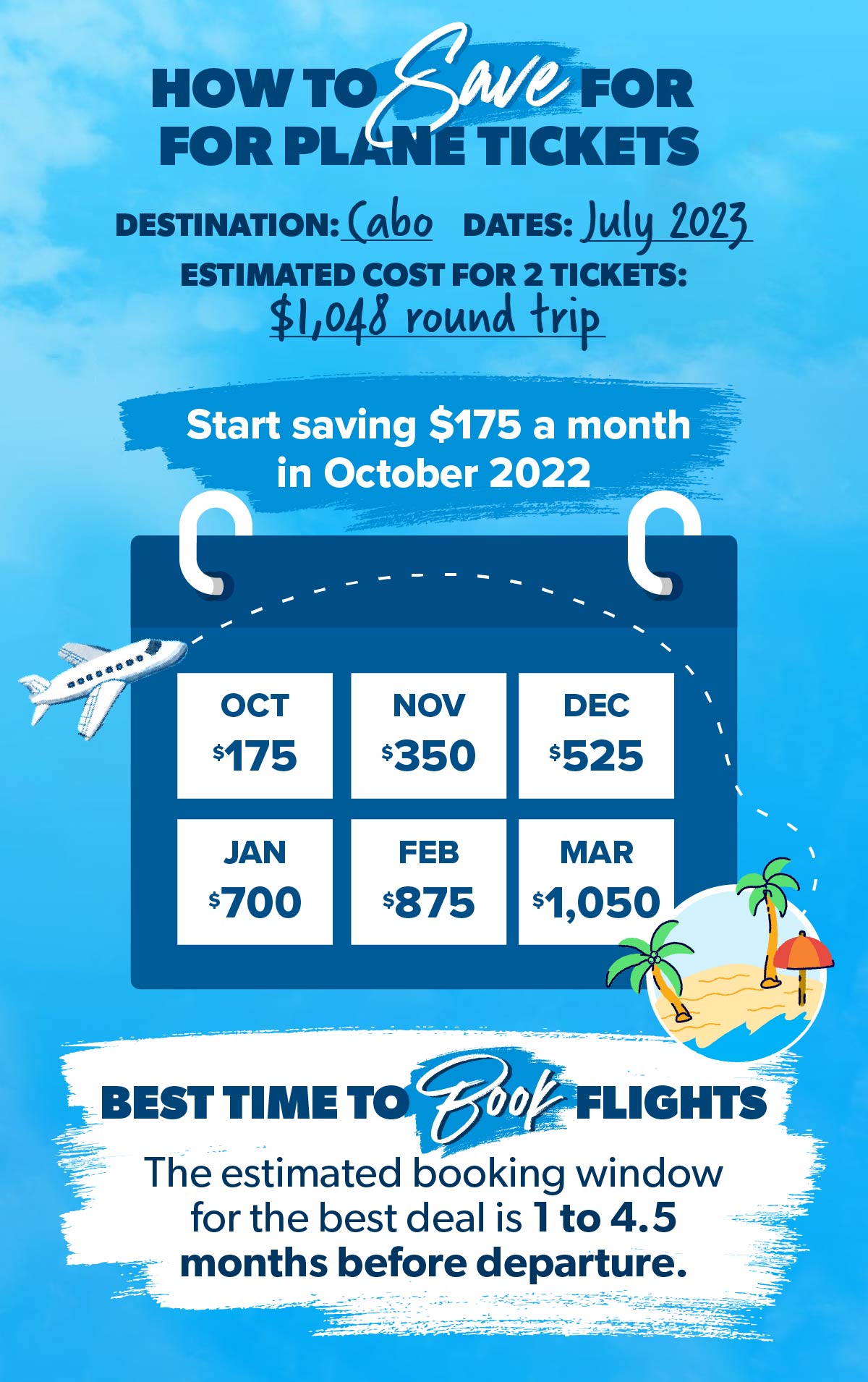
A sinking fund is a strategic way to save for a specific expense over time. By calculating your total expected travel costs for the year—including flights, hotels, and food—you can divide that total by 12 and automate a monthly transfer to a dedicated high-yield savings account. This ensures that when the “Goldilocks Window” for a cheap flight opens, you have the liquid capital available to strike immediately without disrupting your other financial obligations or retirement contributions.
Avoiding the Debt Trap
The “buy now, pay later” (BNPL) trend has moved into the airline industry, allowing travelers to finance tickets over several months. From a wealth-building perspective, this is generally a poor move. If you cannot afford the ticket during the optimal booking window using existing savings, the interest or fees associated with financing will likely negate any savings you found on the base fare. True financial freedom in travel comes from purchasing assets (the experience and the flight) with realized gains, not with future debt.
Conclusion: The Disciplined Approach to Travel Spending
Finding the cheapest airline tickets is a discipline that rewards the patient, the informed, and the organized. By understanding the algorithmic nature of fare buckets, respecting the strategic booking windows of domestic and international travel, and accounting for the total cost of ownership, you transform travel from a chaotic expense into a managed line item. In the realm of personal finance, the goal is not just to spend less, but to spend wisely—ensuring that every dollar allocated to airfare is working as hard as possible to provide value, comfort, and efficiency.
aViewFromTheCave is a participant in the Amazon Services LLC Associates Program, an affiliate advertising program designed to provide a means for sites to earn advertising fees by advertising and linking to Amazon.com. Amazon, the Amazon logo, AmazonSupply, and the AmazonSupply logo are trademarks of Amazon.com, Inc. or its affiliates. As an Amazon Associate we earn affiliate commissions from qualifying purchases.