
For any business with employees, navigating the complexities of payroll taxes is not merely an administrative task; it’s a critical component of financial health and legal compliance. Among the most fundamental obligations is the timely filing and payment of federal employment taxes reported on IRS Form 941, the Employer’s Quarterly Federal Tax Return. Missing these deadlines can lead to significant penalties, interest, and reputational damage. Understanding “when are 941 payments due” is therefore paramount for every employer, representing a key pillar in responsible business finance.
This guide delves into the specifics of Form 941, detailing payment schedules, best practices for management, and the crucial implications of non-compliance. By demystifying these requirements, businesses can ensure they remain in good standing with the IRS, protect their financial integrity, and foster trust with their employees.
The Foundation of Employer Payroll Taxes: Understanding Form 941
At the core of federal payroll tax reporting lies Form 941, a document that consolidates several vital tax components into a quarterly return. Its purpose is multifaceted, ensuring the government receives the necessary funds to support critical programs while holding employers accountable for their role in the tax collection process.
What is Form 941 and Why Is It Essential?
Form 941, officially known as the “Employer’s Quarterly Federal Tax Return,” is the primary document used by most employers to report income taxes, Social Security tax, or Medicare tax withheld from employee paychecks. It also reports the employer’s share of Social Security and Medicare taxes. These funds are commonly referred to as “trust fund taxes” because employers hold them in trust for the U.S. Treasury, meaning they are collected from employees and not the employer’s own money (though employers also pay a matching share). The essence of Form 941 is to ensure that these federal employment taxes are accurately calculated, reported, and deposited on an ongoing, quarterly basis. This regular reporting mechanism is essential for the government to maintain a steady revenue stream and for employers to avoid accumulating large, unmanageable tax liabilities. Failure to understand and correctly file Form 941 can have severe financial and legal repercussions for any business, regardless of its size or industry.
Who is Required to File and What Taxes Does It Cover?
Virtually every employer who pays wages subject to income tax withholding or Social Security and Medicare taxes must file Form 941 quarterly. This includes corporations, partnerships, sole proprietorships, and even non-profit organizations if they have employees. There are a few exceptions: employers of household employees, agricultural employees, and those who only pay wages subject to federal income tax withholding for employees in U.S. possessions may follow different filing procedures. Additionally, some very small employers with an annual tax liability of $1,000 or less may be eligible to file Form 944, the Employer’s Annual Federal Tax Return, instead of quarterly. However, for the vast majority of businesses, Form 941 is a non-negotiable requirement. The taxes covered explicitly include federal income tax withheld from employees, Social Security taxes (both employee and employer portions), and Medicare taxes (both employee and employer portions). These combined taxes form the backbone of federal social insurance programs, making the accurate and timely reporting and payment of these funds a critical responsibility.
Decoding 941 Payment Deadlines and Deposit Schedules
Understanding the specific deadlines for Form 941 and its associated tax payments is where precision becomes paramount. The IRS doesn’t merely require quarterly filings; it mandates a more frequent deposit schedule for most employers, driven by the amount of tax liability incurred. Navigating these schedules is key to avoiding penalties.
Quarterly Filing Deadlines for Form 941
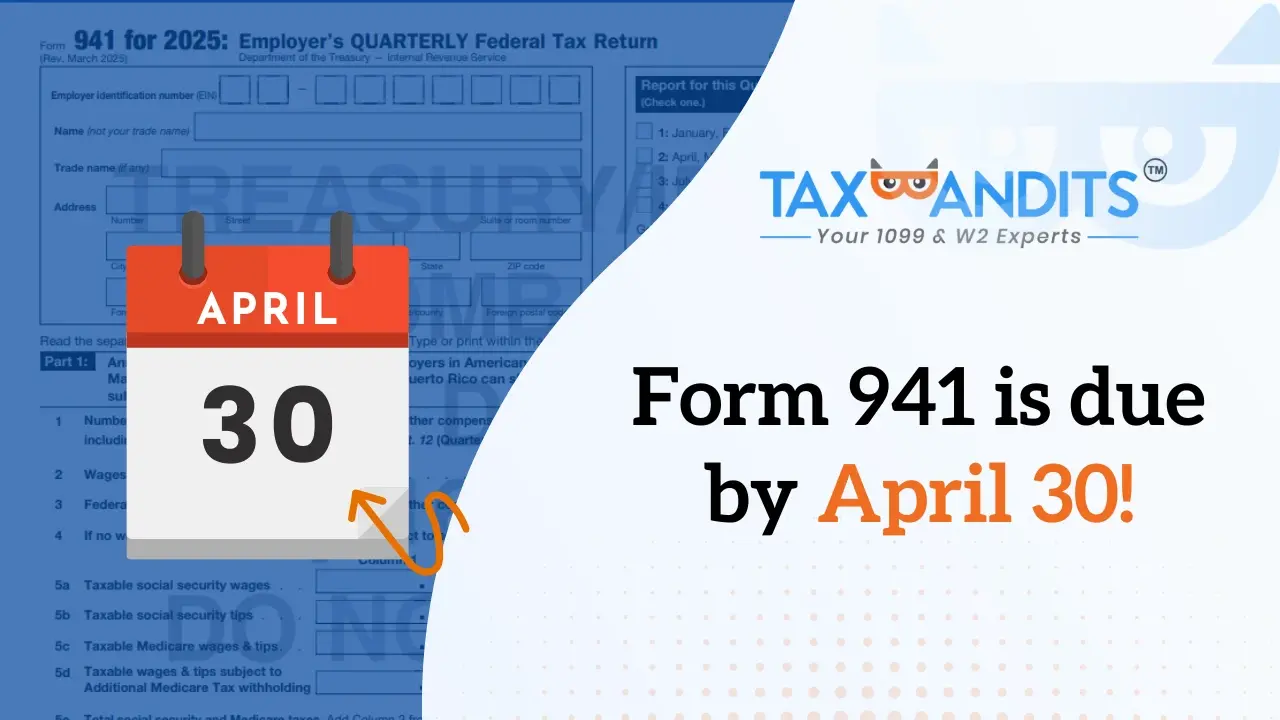
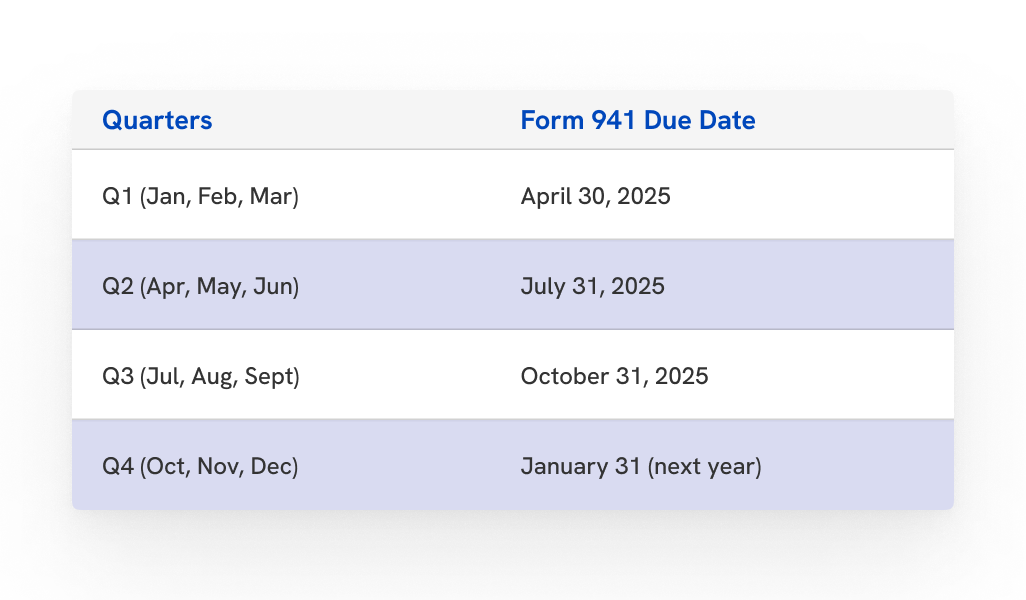
While the tax deposits are made more frequently, Form 941 itself is filed quarterly. The due dates for filing Form 941 are generally the last day of the month following the end of the quarter. These deadlines are:
- Quarter 1 (January 1 to March 31): Due April 30
- Quarter 2 (April 1 to June 30): Due July 31
- Quarter 3 (July 1 to September 30): Due October 31
- Quarter 4 (October 1 to December 31): Due January 31 of the next year
It’s important to note that if any of these due dates fall on a weekend or a legal holiday, the deadline shifts to the next business day. For instance, if April 30 is a Saturday, the due date for Quarter 1 would be Monday, May 2. Employers who have made all their deposits on time and in full during the quarter generally receive an extra 10 calendar days to file their Form 941. This provides a small buffer for those who have diligently met their payment obligations.
The Monthly vs. Semi-weekly Deposit System
The frequency with which employers must deposit their federal employment taxes depends on their “lookback period” and the total tax liability. This system is designed to ensure the IRS receives funds regularly throughout the year.
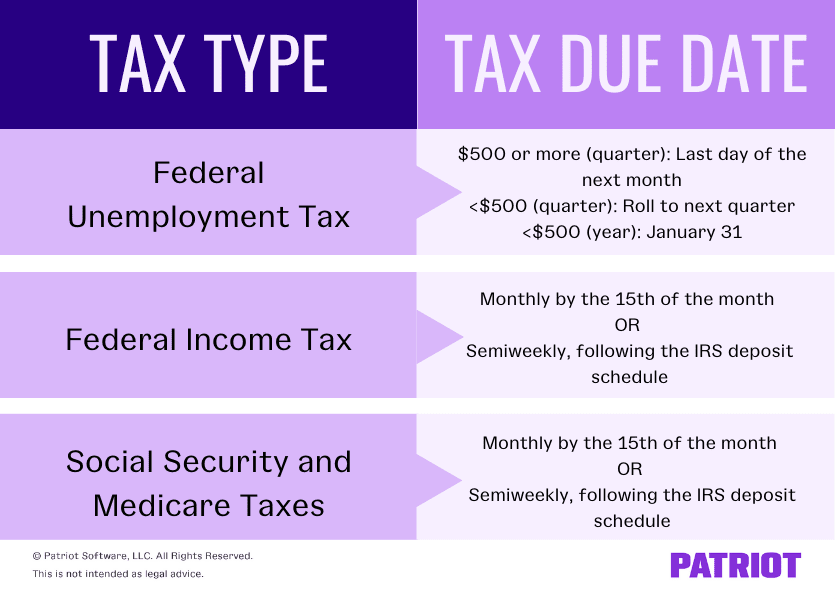
- Monthly Depositor: If your total reported tax liability during the four-quarter lookback period (July 1 of two years ago through June 30 of the prior year) was $50,000 or less, you are generally a monthly depositor. Monthly depositors must deposit their accumulated taxes by the 15th day of the following month. For example, taxes for January are due by February 15.
- Semi-weekly Depositor: If your total reported tax liability during the lookback period was more than $50,000, you are a semi-weekly depositor. This schedule is more complex:
- For payments accruing on Wednesday, Thursday, or Friday, deposits are due by the following Wednesday.
- For payments accruing on Saturday, Sunday, Monday, or Tuesday, deposits are due by the following Friday.
There’s also a $100,000 Next-Day Deposit Rule: If an employer accumulates $100,000 or more in tax liability on any day, they must deposit the tax by the close of the next banking day, regardless of whether they are a monthly or semi-weekly depositor. Once this threshold is met, the employer automatically becomes a semi-weekly depositor for at least the remainder of the current calendar year and the next calendar year. These rules are crucial for cash flow management and compliance, requiring diligent tracking of payroll tax liabilities throughout the pay period.
Making Deposits: Methods, Timing, and Special Rules
All federal tax deposits must be made using the Electronic Federal Tax Payment System (EFTPS). This is a free service provided by the U.S. Department of the Treasury that allows businesses to make federal tax payments electronically. Employers can enroll in EFTPS online or by phone. Once enrolled, payments can be scheduled online or by phone up to 365 days in advance. It’s advisable to schedule payments at least one day before the due date to ensure they are processed on time. Payments made by check or money order will likely be considered late and incur penalties, except in very specific, limited circumstances.
When making a deposit, employers need to specify the tax form (e.g., 941), the tax period (e.g., 1st quarter), and the amount. Accurate entry is critical. Special rules apply when a deposit due date falls on a weekend or holiday; the deadline is automatically extended to the next business day. However, this extension only applies to the deposit deadline, not the end of the tax period itself. Diligence in understanding and adhering to these payment mechanisms is a cornerstone of responsible financial management and IRS compliance.
Mastering Payroll Tax Management for Financial Health
Effective management of payroll taxes goes beyond merely knowing the due dates; it involves implementing robust internal processes, leveraging appropriate technology, and strategic financial planning. This holistic approach ensures not only compliance but also contributes to the overall financial stability of the business.
Best Practices for Accurate Record-Keeping and Internal Controls
The foundation of flawless payroll tax compliance is meticulous record-keeping. Every element of employee compensation—wages, salaries, bonuses, commissions, tips, and non-cash benefits—must be accurately recorded. This also extends to tracking hours worked, withholdings elected by employees (Form W-4), and the employer’s share of Social Security and Medicare taxes. Implementing strong internal controls helps prevent errors and fraud. This includes segregating duties, where different individuals handle payroll processing, review, and tax deposits. Regular reconciliation of payroll records with general ledger accounts and bank statements can quickly flag discrepancies. Automated payroll systems, properly configured, can significantly reduce manual errors. Furthermore, maintaining digital backups of all payroll data and keeping paper records organized for the IRS-mandated four years (from the later of the date the tax is due or paid) is non-negotiable. These practices not only facilitate accurate Form 941 filings but also provide essential documentation during potential IRS audits.
Leveraging Technology and Professional Expertise
In today’s complex regulatory environment, relying solely on manual processes for payroll tax management is often inefficient and prone to error. Modern payroll software solutions can automate tax calculations, track deposit schedules, and even facilitate direct electronic filing through EFTPS. These systems often include built-in compliance checks and can automatically update with the latest tax laws, significantly reducing the burden on employers. Beyond software, partnering with qualified professionals, such as certified public accountants (CPAs) or dedicated payroll services, offers an invaluable layer of expertise. These professionals stay abreast of ever-changing tax codes, can provide strategic advice on optimizing payroll processes, and can even handle the entire payroll and tax filing process on behalf of the business. Their knowledge can save time, prevent costly mistakes, and allow business owners to focus on their core operations, confident that their tax obligations are being met accurately and on time.
Strategic Cash Flow Planning for Tax Liabilities
Payroll taxes represent a significant and ongoing liability that must be proactively managed within a business’s cash flow. Unlike other expenses that can sometimes be deferred, payroll tax deposits have strict due dates. A common mistake is failing to set aside the withheld taxes and the employer’s portion as they accrue. These funds are not discretionary income; they belong to the government. Businesses should integrate payroll tax liabilities into their cash flow forecasts and budgeting process. This could involve setting up a separate bank account to hold these funds as they are withheld, or at least ensuring sufficient working capital is always available to meet upcoming deposit deadlines. Understanding the monthly or semi-weekly deposit schedule is crucial for this planning, as it dictates how frequently funds will leave the business’s operating accounts. Proactive planning helps avoid a last-minute scramble for funds, prevents potential overdrafts, and ensures that the business maintains sufficient liquidity while meeting its critical tax obligations without disruption.
Avoiding Pitfalls: Penalties, Non-Compliance, and Remedial Steps
The IRS views timely and accurate payment of employment taxes with utmost seriousness, as these are funds collected on behalf of the government. Non-compliance, whether intentional or accidental, carries significant financial penalties and can lead to more severe consequences.
Understanding IRS Penalties for Late Filings and Deposits
The IRS imposes penalties for failure to file Form 941 on time and for failure to deposit taxes on time. These are distinct penalties that can stack up.
- Failure to File Penalty: This penalty is 5% of the unpaid tax for each month or part of a month that the return is late, capped at 25% of the unpaid tax.
- Failure to Deposit Penalty: This penalty is based on the amount of the underpayment and the number of days late. The penalty schedule is:
- 2% for deposits made 1 to 5 days late
- 5% for deposits made 6 to 15 days late
- 10% for deposits made 16 or more days late
- 15% for taxes not deposited within 10 days of the date of the first notice the IRS sent asking for the tax due
Additionally, the IRS charges interest on underpayments, which accrues from the due date of the tax until the date of payment. This interest rate can change quarterly. These penalties are designed to encourage prompt compliance and can quickly escalate, significantly increasing the total tax liability for a business.
Strategies to Prevent Penalties and Maintain Compliance
Preventing penalties begins with a proactive and organized approach to payroll tax management. First and foremost, clearly identify your deposit schedule (monthly or semi-weekly) and strictly adhere to it. Set up automatic reminders for all filing and deposit deadlines. Utilize the EFTPS system and schedule payments in advance, allowing for processing time. Regularly reconcile payroll records with tax deposits made to ensure accuracy and catch any discrepancies early. Conduct internal reviews of your payroll process, ideally quarterly, to identify and correct any potential issues before they become problems. Staying informed about changes in tax law, either through professional advisors or official IRS publications, is also crucial. For new businesses, or those experiencing significant growth, it’s particularly important to reassess deposit schedules regularly, as a change in tax liability can shift an employer from monthly to semi-weekly status, requiring a corresponding adjustment in deposit habits.
What to Do When You Face Payment Challenges
Despite best efforts, businesses can sometimes encounter unforeseen financial difficulties that impact their ability to pay payroll taxes on time. The most critical step in such a situation is proactive communication with the IRS. Ignoring the problem will only exacerbate it, leading to higher penalties and potential enforcement actions. If you cannot pay the full amount of tax due, you may be able to request an installment agreement or an Offer in Compromise (OIC) with the IRS. An installment agreement allows you to make monthly payments for up to 72 months. An OIC may allow you to resolve your tax liability for a lower amount than what you owe, if you meet specific financial hardship criteria. However, it’s essential to understand that while these options can alleviate the immediate burden, they may still involve penalties and interest. Furthermore, the IRS takes trust fund taxes very seriously; these funds are considered to be held in trust for the government. Deliberate failure to remit trust fund taxes can result in personal liability for responsible individuals within the business. Therefore, seeking professional tax advice immediately upon facing payment challenges is paramount to navigating these complex situations and mitigating the damage.
Conclusion
The question “when are 941 payments due” opens the door to a broader understanding of critical employer responsibilities in the realm of federal payroll taxes. Form 941 and its associated payment schedules are fundamental pillars of business finance and compliance. By meticulously tracking wages, adhering to the correct deposit schedules (monthly or semi-weekly), leveraging modern payroll technology, and maintaining transparent financial records, businesses can confidently meet their obligations. Proactive management not only ensures compliance with IRS regulations but also safeguards a company’s financial health, preventing costly penalties and fostering a reputation for fiscal responsibility. Staying informed, organized, and prepared is the ultimate strategy for any employer navigating the intricate landscape of federal employment taxes.
aViewFromTheCave is a participant in the Amazon Services LLC Associates Program, an affiliate advertising program designed to provide a means for sites to earn advertising fees by advertising and linking to Amazon.com. Amazon, the Amazon logo, AmazonSupply, and the AmazonSupply logo are trademarks of Amazon.com, Inc. or its affiliates. As an Amazon Associate we earn affiliate commissions from qualifying purchases.