
For investors, analysts, and market spectators, few events on the corporate calendar carry as much weight as an Apple earnings call. As one of the world’s most valuable companies, Apple Inc. (AAPL) acts as a bellwether for the global economy, a proxy for consumer sentiment, and a foundational pillar of the major stock indices. Understanding the timing, the metrics, and the market psychology behind Apple’s quarterly reports is essential for anyone looking to master the intersection of finance and high-growth enterprise.
The Rhythm of the Fiscal Calendar: When Apple Reports
Unlike many companies that align their financial reporting with the calendar year, Apple operates on a fiscal year that typically begins in late September or early October. This structure is strategically designed to place the massive holiday shopping season—traditionally the company’s most lucrative period—in its first fiscal quarter (Q1).
The Four Quarterly Pillars
Apple typically releases its earnings reports four times a year, roughly one month after the conclusion of each fiscal quarter.
-
First Quarter (Q1): Ending in late December, reported in late January or early February. This is the “Holiday Quarter,” capturing the launch of new iPhone models and peak consumer spending.
-
Second Quarter (Q2): Ending in late March, reported in late April or early May. This quarter often reflects the “post-holiday” sustainability of demand.
-
Third Quarter (Q3): Ending in late June, reported in late July or early August. This is frequently the quietest period, as consumers anticipate the next generation of hardware.
-
Fourth Quarter (Q4): Ending in late September, reported in late October or early November. This quarter marks the transition into a new hardware cycle and provides the first glimpse of initial iPhone sales.
The Significance of the “Guidance”
While historical numbers provide a snapshot of the past, the investment community is often more obsessed with “guidance”—the company’s internal projections for the upcoming quarter. In recent years, Apple has moved away from providing specific revenue ranges, citing global uncertainty, yet management continues to provide qualitative “color” that moves markets. When Apple offers insights into supply chain health or forecasted demand, the stock price often reacts more to these forward-looking statements than to the actual earnings per share (EPS) of the previous quarter.
Key Metrics: Reading Between the Lines of the Balance Sheet
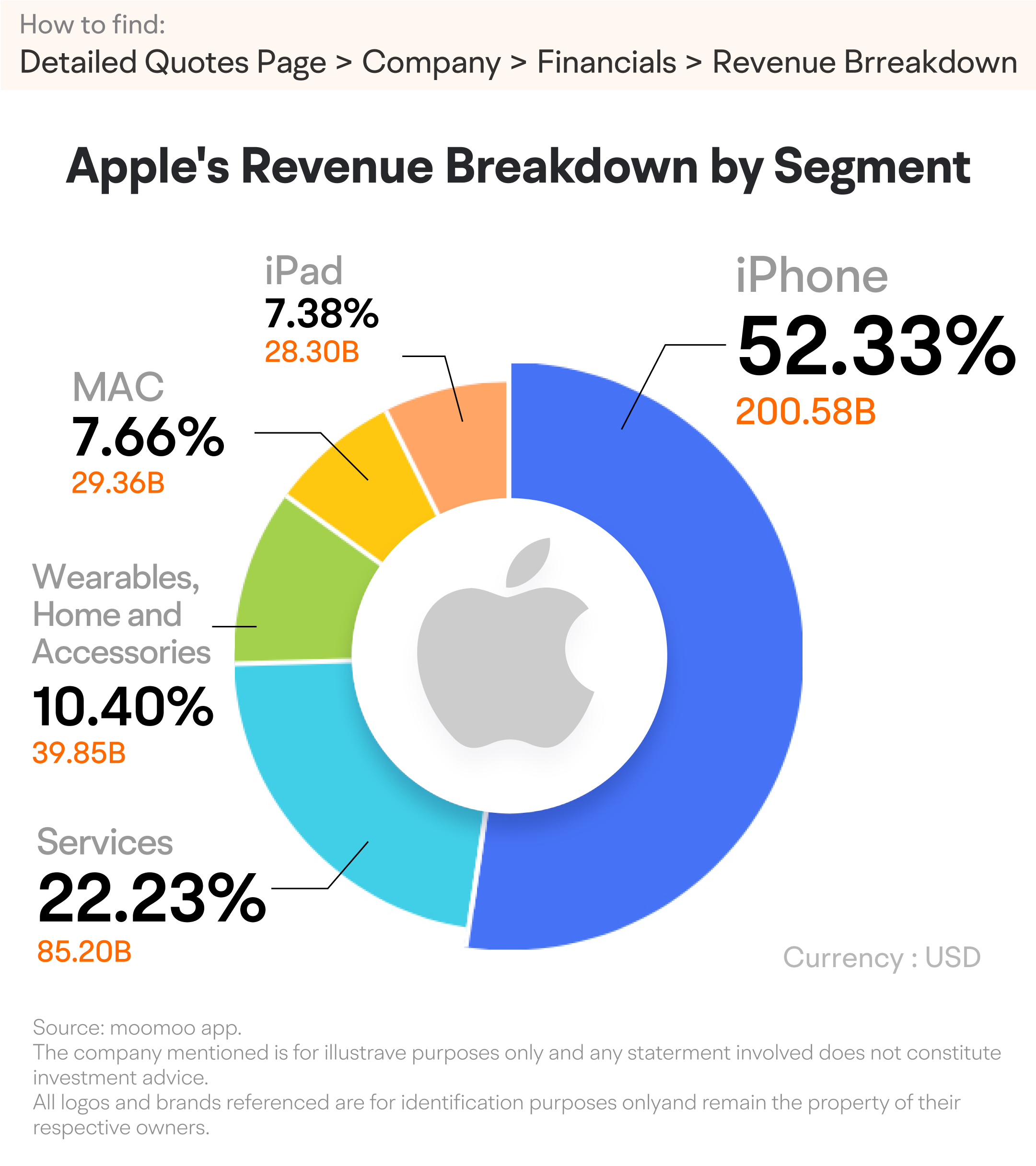
To truly understand an Apple earnings report, an investor must look beyond the headline revenue and net income figures. Because of Apple’s massive scale, the “mix” of its revenue is just as important as the total sum.
The iPhone Engine and Hardware Margins
The iPhone remains the primary driver of Apple’s financial ecosystem. However, savvy investors don’t just look at the number of units sold (a metric Apple stopped reporting individually years ago); they look at the Average Selling Price (ASP) and the product mix. If the “Pro” and “Pro Max” models are outselling the standard versions, Apple’s margins expand even if unit growth is flat. High gross margins on hardware—often hovering between 36% and 40%—are the bedrock of the company’s profitability.
The Services Pivot: High-Margin Recurring Revenue
Perhaps the most scrutinized section of the modern Apple earnings report is “Services.” This category includes the App Store, iCloud, Apple Music, Apple Pay, and Apple TV+. For investors, Services are the “holy grail.” Unlike hardware, which requires physical manufacturing and logistics, Services offer recurring revenue with significantly higher gross margins—often exceeding 70%. A growth trend in Services indicates that Apple is successfully “monetizing” its massive installed base of over 2 billion active devices, creating a stable floor for the stock price even during years when hardware upgrades are incremental.
Capital Returns: Buybacks and Dividends
Apple is a cash-generating machine, often holding hundreds of billions of dollars in cash and marketable securities. A major highlight of the spring earnings call (Q2) is the annual update to the Capital Return Program. Apple is famous for its aggressive share buyback program, which reduces the total number of shares outstanding and increases the value for remaining shareholders. When combined with a steady dividend, these capital returns make Apple a staple for both growth-oriented and income-seeking portfolios.
The “Apple Effect”: Market Sentiment and Systematic Risk

Apple’s influence extends far beyond its own ticker symbol. Due to its massive market capitalization, Apple constitutes a significant percentage of the S&P 500, the Nasdaq 100, and the Dow Jones Industrial Average. When Apple reports earnings, the entire market moves.
The Bellwether for Tech and Consumer Discretionary
Because Apple sits at the intersection of luxury goods and essential technology, its earnings report is seen as a health check for the global consumer. If Apple reports a slowdown in China, it often triggers a sell-off in other multinational brands. If it reports supply chain bottlenecks in Vietnam or Taiwan, it signals trouble for the entire electronics industry. In this way, Apple earnings act as a macro-economic data point that rivals official government reports in terms of market impact.
Correlation with the “Magnificent Seven”
In the current market era, Apple is part of a group of high-performance tech stocks often referred to as the “Magnificent Seven.” The earnings results from Apple often set the tone for its peers—Microsoft, Alphabet, Amazon, Nvidia, Meta, and Tesla. If Apple provides a bullish outlook on consumer spending or artificial intelligence integration, it can spark a rally across the entire tech sector. Conversely, a disappointing report from Apple can drag down the indices even if other companies perform well.
Strategies for Navigating Apple’s Earnings Season
For the individual investor or the professional trader, the period surrounding Apple’s earnings announcement is fraught with both opportunity and volatility. Navigating this window requires a disciplined approach to risk management.
The “Run-Up” and the “Post-Earnings Drift”
Market historians often observe a “run-up” in Apple’s stock price in the weeks leading up to an earnings announcement, fueled by speculation and leaks. This often leads to a “buy the rumor, sell the news” phenomenon, where the stock price may actually drop immediately after a positive report because the “good news” was already priced in. Long-term investors generally ignore these short-term fluctuations, focusing instead on the “post-earnings drift”—the multi-week trend that develops once the market has fully digested the nuances of the conference call.
Evaluating Risk through the Options Market
Professional traders often look at the “implied move” in the options market to gauge how much the stock might swing following the earnings release. High premiums on options suggests that the market expects significant volatility. For the average investor, this is a reminder that earnings day is rarely a “sure thing.” Diversification and a focus on long-term fundamentals are the most effective hedges against the unpredictable price action that follows a 4:30 PM ET press release.
Listening to the Conference Call
While the press release provides the hard numbers, the conference call with the CEO and CFO provides the narrative. Analysts look for specific keywords and the tone of management. Are they confident about the next product cycle? How are they addressing regulatory challenges in the EU or the US? For those managing their own investments, listening to the Q&A session of the call can provide insights that are not visible in the spreadsheets, particularly regarding the company’s long-term strategic direction.
Future Outlook: The Role of AI and Emerging Markets
As we look toward future Apple earnings cycles, two specific themes are likely to dominate the financial discourse: the integration of generative AI and the expansion into emerging markets like India.
The AI Monitization Strategy
Wall Street is currently obsessed with how tech giants will monetize Artificial Intelligence. For Apple, this isn’t just about software; it’s about a “super-cycle” of hardware upgrades. If “Apple Intelligence” requires the latest processor to function, it could trigger hundreds of millions of users to upgrade their devices simultaneously. Investors will be scanning earnings reports for any data indicating that AI features are driving a higher rate of device turnover.

Geographic Diversification: The India Opportunity
With growth maturing in the US and Europe, and facing headwinds in China, India has become a critical piece of Apple’s financial puzzle. As Apple shifts more of its manufacturing to India and expands its retail footprint there, the revenue growth from this region will be a key metric for long-term valuation. A successful “India play” could provide the growth engine necessary to sustain Apple’s premium valuation for the next decade.
In conclusion, “when Apple earnings” occurs, it is more than just a corporate update; it is a global financial event. By understanding the fiscal calendar, focusing on high-margin Services, and recognizing the broader market implications, investors can transform a period of high volatility into a structured opportunity for wealth building. Apple’s ability to consistently deliver massive profits while returning capital to shareholders remains one of the greatest feats in business history, making its earnings reports mandatory reading for anyone serious about the world of money.
aViewFromTheCave is a participant in the Amazon Services LLC Associates Program, an affiliate advertising program designed to provide a means for sites to earn advertising fees by advertising and linking to Amazon.com. Amazon, the Amazon logo, AmazonSupply, and the AmazonSupply logo are trademarks of Amazon.com, Inc. or its affiliates. As an Amazon Associate we earn affiliate commissions from qualifying purchases.