
In the intricate tapestry of urban and rural development, few concepts hold as much sway as “zoning.” Far from an abstract legalistic term, zoning is a fundamental pillar that dictates how land can be used, shaping everything from the value of your home to the viability of a new business venture. For anyone involved in real estate, property development, urban planning, or even personal finance, a deep understanding of zoning is not merely advantageous – it is absolutely essential. It is the invisible hand that guides growth, preserves character, and significantly influences financial decisions across the spectrum.
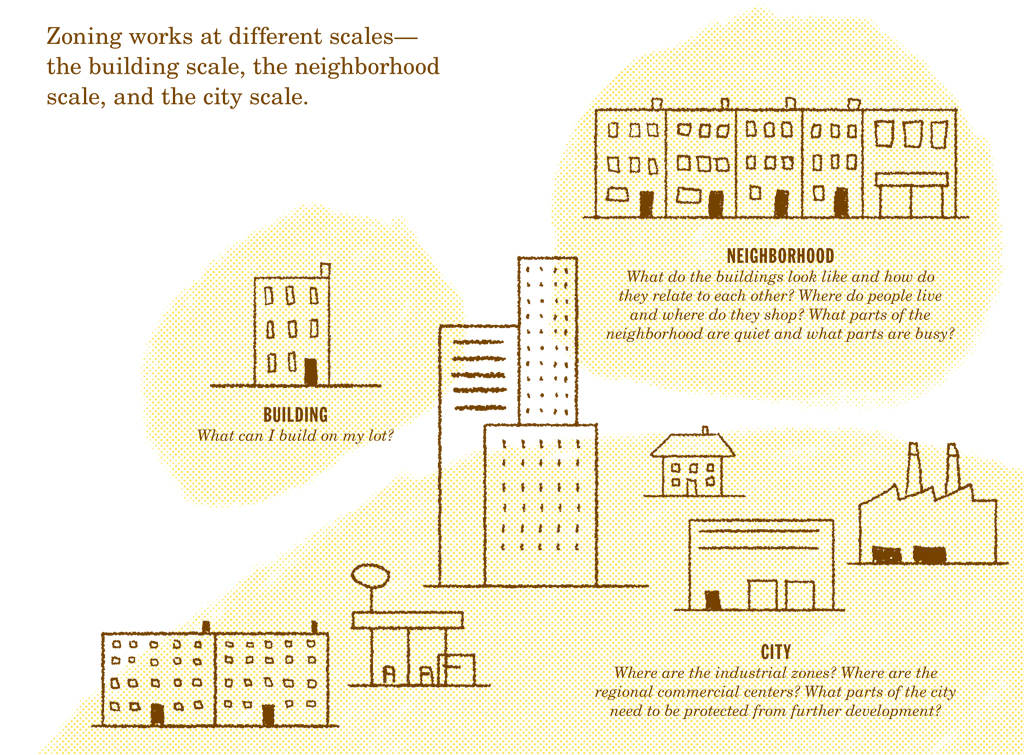
At its core, zoning is a system of land-use regulation enacted by local governments. It divides a municipality into distinct districts or “zones,” each with specific rules governing the types of activities allowed (e.g., residential, commercial, industrial), the density of development, the height of buildings, setback requirements, and much more. This article will delve into the financial implications of zoning, exploring its origins, its direct impact on property values and investment, and how individuals and businesses can navigate its complex landscape to unlock financial opportunities and mitigate risks.
The Foundational Principles of Zoning
To appreciate zoning’s financial implications, one must first grasp its underlying principles and historical context. It didn’t emerge overnight but evolved as a crucial tool for managing urban expansion and mitigating conflicts arising from incompatible land uses.
A Brief History and Purpose
The genesis of modern zoning can be traced back to the early 20th century, largely spurred by the rapid industrialization and urbanization that characterized American cities. Before zoning, it was not uncommon to find factories operating next to homes, leading to issues of noise, pollution, traffic congestion, and declining property values for residents. The need for order, public health, safety, and general welfare became paramount.
Early zoning ordinances, like New York City’s 1916 Zoning Resolution, aimed to separate noxious uses from residential areas and control building heights and bulk. Over time, the purpose of zoning expanded beyond mere separation to include broader goals:
- Promoting Public Health and Safety: By ensuring adequate light, air, and open space; regulating density; and facilitating emergency access.
- Preserving Property Values: Preventing incompatible adjacent uses that could devalue homes or businesses.
- Facilitating Orderly Growth: Guiding development in a structured manner, allowing for efficient provision of infrastructure (roads, utilities, schools).
- Protecting Environmental Resources: Safeguarding natural areas, reducing urban sprawl, and managing resource consumption.
- Enhancing Community Character: Maintaining the aesthetic and social fabric of neighborhoods.
For the savvy investor or homeowner, understanding these foundational purposes reveals how zoning is intrinsically linked to the long-term financial health and stability of an area.
Key Elements of Zoning Ordinances
Zoning ordinances are typically comprehensive legal documents that outline the specific regulations for each zone. While specifics vary by jurisdiction, common elements include:
- Use Regulations: This is perhaps the most fundamental aspect, dictating what activities are permitted in a given zone. Common categories include:
- Residential (R): Single-family homes, multi-family dwellings (apartments, condos). Subcategories often specify density (e.g., R-1 for single-family, R-3 for higher density multi-family).
- Commercial (C): Retail stores, offices, restaurants, services. Often differentiated by intensity (e.g., C-1 for neighborhood commercial, C-3 for regional commercial).
- Industrial (I): Manufacturing, warehousing, heavy industry.
- Agricultural (A): Farming, ranching.
- Public/Institutional (P): Schools, hospitals, government buildings.
- Density Regulations: Controls the number of dwelling units or intensity of development per unit of land (e.g., maximum units per acre, floor area ratio – FAR). This directly impacts the potential income generation from a property.
- Bulk and Height Regulations: Specifies maximum building height, total building coverage, and floor area. These restrictions define the physical form of development and can limit income potential.
- Setback Requirements: Mandates minimum distances buildings must be set back from property lines, streets, and other structures. These ensure light, air, and open space, but also dictate usable land area.
- Parking Requirements: Specifies the number of parking spaces required for different uses, a critical factor in development costs and feasibility.
- Landscaping and Open Space Requirements: Dictates minimum green space or landscaped areas.
Each of these elements, seemingly mundane, holds significant financial weight. A small change in allowable density or a setback requirement can dramatically alter a developer’s pro forma or a homeowner’s ability to add an extension, directly impacting the property’s financial value and utility.
Zoning’s Direct Impact on Property Values and Investment
The financial repercussions of zoning are profound, influencing everything from individual home values to large-scale investment strategies. It is a primary determinant of a property’s highest and best use, which in turn drives its market value.
Enhancing or Limiting Property Potential
Zoning acts as both a gatekeeper and a catalyst for property potential.
- Enhancement: Proper zoning can significantly enhance a property’s value. Land zoned for high-density residential or commercial use in a desirable location will command a much higher price per acre than similarly sized land zoned for low-density residential or agricultural use. For example, a parcel approved for a multi-story apartment complex can generate substantially more revenue than one limited to a single-family home. Similarly, an area consistently zoned for well-planned retail can see a stable increase in commercial property values due to predictable customer traffic and a cohesive business environment.
- Limitation: Conversely, restrictive zoning can limit a property’s potential and, consequently, its value. A large parcel of land suitable for commercial development might be significantly undervalued if it’s strictly zoned for low-density residential use. A homeowner might find their ability to add an income-generating accessory dwelling unit (ADU) or even expand their home severely curtailed by setback or density restrictions, thereby limiting their property’s financial upside. Understanding these limitations is crucial for avoiding costly mistakes and identifying areas where a change in zoning could unlock immense value.
Investment Implications: Risk and Opportunity
For investors, zoning is a critical component of due diligence.
- Mitigating Risk: Failing to understand a property’s zoning before purchase can lead to devastating financial consequences. Imagine buying land with the intent to build a shopping center, only to discover it’s zoned exclusively for parkland or single-family homes. The capital outlay for the land, planning, and legal fees could be a total loss. Investors must always verify the current zoning, understand all permissible uses, and assess any potential restrictions that could impede their investment goals.
- Identifying Opportunity: On the flip side, zoning can present significant investment opportunities. “Spotting” a property in an area undergoing or ripe for rezoning is a hallmark of shrewd real estate investment. Land that is currently undervalued due to restrictive zoning but is strategically located for future higher-intensity development (e.g., near new transit lines, burgeoning commercial hubs) can be acquired at a lower cost. If the zoning is successfully changed to permit a more lucrative use, the property’s value can skyrocket. This speculative play, known as “entitlement” or “value-add” development, requires deep knowledge of local planning processes, political landscapes, and market trends. It is a high-risk, high-reward strategy heavily dependent on navigating zoning complexities.
Business Location and Operational Costs
Zoning doesn’t just impact real estate investors; it profoundly affects businesses.
- Location Feasibility: A business cannot simply set up shop anywhere. Its activities must align with the zoning of its chosen location. A manufacturing plant cannot operate in a purely residential zone, nor can a noisy entertainment venue typically thrive in a quiet office district. Zoning dictates where a business can legally and practically exist, influencing its market reach, access to customers, and proximity to suppliers or labor pools.
- Operational Costs: Zoning can indirectly impact a business’s operational costs. Strict parking requirements might necessitate costly land acquisition for parking lots or the construction of multi-story garages. Height restrictions could prevent a warehouse from building vertically, forcing a larger, more expensive horizontal footprint. Conversely, locating in a mixed-use zone might offer cheaper rent due to less competition or better access to public transit, reducing employee commute costs. Understanding these subtle financial impacts is critical for business planning and long-term sustainability.
Navigating the Zoning Landscape: For Homeowners and Businesses
Whether you’re a homeowner planning a renovation, an entrepreneur starting a new venture, or an investor seeking a lucrative deal, understanding how to navigate the zoning landscape is paramount to financial success.
Understanding Your Property’s Zoning Designation
The first step for any property owner or prospective buyer is to determine the specific zoning designation of a property.
- Where to Find Information: This information is typically available from the local planning department or municipal website. Many cities now have interactive online zoning maps where you can input an address and immediately see the zone, along with links to the full ordinance text.
- What it Means for You: Once you know your zone (e.g., R-1, C-2), you must consult the corresponding zoning ordinance to understand what you can and cannot do.
- For Homeowners: This determines if you can build an addition, construct a detached garage, operate a home-based business (and what type), or even park a commercial vehicle on your driveway. Ignoring these rules can lead to fines, forced demolition, and a decrease in property value if violations remain.
- For Businesses: It dictates the types of goods or services you can offer, your operating hours, signage regulations, and parking requirements. An entrepreneur planning a restaurant, for instance, must ensure the chosen location is zoned for food service and has adequate parking, otherwise, their entire business plan could be jeopardized.
The Rezoning Process and Variances
Sometimes, a property’s current zoning simply doesn’t align with an owner’s or developer’s vision. In these cases, the options are to seek a variance or pursue rezoning. Both are complex and often expensive processes with uncertain outcomes.
- Variances: A variance is an official permission to deviate from one or more requirements of the zoning ordinance, typically granted when strict application of the ordinance would cause undue hardship due to unique physical characteristics of the property, not a self-created hardship. For example, a homeowner with an unusually shaped lot might seek a setback variance to build an addition. Variances are usually administrative decisions and do not change the underlying zoning. They represent a minor financial adjustment to a project’s feasibility.
- Rezoning (Zoning Amendment): This involves formally changing the zoning designation of a parcel or area (e.g., from R-1 to C-2). This is a legislative decision made by the local governing body (e.g., city council, county commissioners) and is often a lengthy, costly, and politically charged process. It usually requires public hearings, notification to neighbors, and extensive justification based on public benefit and consistency with the comprehensive plan. From a financial perspective, a successful rezoning can unlock significant value (as discussed in Investment Implications), but the costs associated with planning consultants, legal fees, studies (traffic, environmental), and potential political contributions can be substantial, and there’s no guarantee of success. Investors must weigh these costs and risks against the potential upside.
Zoning and Community Development
Beyond individual parcels, zoning plays a critical role in shaping the broader financial health and development patterns of communities.
- Infrastructure Investment: Zoning decisions guide where population and commercial activity will concentrate, thereby informing decisions about infrastructure investments (roads, water, sewer, public transit). Well-planned zoning can lead to efficient infrastructure provision, reducing long-term public costs and increasing property values by improving access and services. Poorly planned, sprawling development, often a result of restrictive single-use zoning, can lead to costly infrastructure demands that strain municipal budgets and may result in higher taxes or lower service quality for residents.
- Affordable Housing: Zoning is a major contributor to housing affordability crises in many areas. Restrictive single-family zoning, large lot requirements, and limits on multi-family dwellings can artificially constrain housing supply, driving up prices. Communities increasingly grapple with how to use zoning as a tool to promote, rather than hinder, the creation of affordable housing options through initiatives like inclusionary zoning or allowing more diverse housing types. Addressing these issues through zoning changes has significant financial implications for residents and local economies.
Beyond Basic Zoning: Specialized Zones and Future Trends
The world of zoning is not static; it evolves to address new challenges and opportunities, leading to more nuanced and flexible approaches that continue to have profound financial impacts.
Mixed-Use Zoning and Smart Growth
Traditional zoning often segregated land uses, creating communities where homes were separate from shops and workplaces. This led to increased car dependency, longer commutes, and less vibrant public spaces.
- Financial Benefits: Mixed-use zoning, which allows a combination of residential, commercial, and sometimes light industrial uses within a single development or district, is a cornerstone of “smart growth” principles. Financially, mixed-use developments can be highly attractive. They can command higher rents for commercial spaces due to built-in customer bases, increase residential property values by offering walkable amenities, and create more dynamic urban environments that attract businesses and residents, leading to greater tax revenues for municipalities. For developers, combining uses can diversify income streams and reduce risk.
Overlay Zones and Historic Districts
In addition to base zoning, many municipalities employ specialized zones to address unique needs or protect particular assets.
- Overlay Zones: These are additional layers of regulations applied over existing base zoning. For instance, a flood plain overlay zone might impose building elevation requirements regardless of the underlying residential or commercial zoning. Financially, this adds another layer of cost and complexity to development in specific areas, but also protects property from natural disasters, preserving long-term value.
- Historic Districts: These are overlay zones designed to preserve the architectural and cultural heritage of an area. While they can enhance property values by maintaining unique character and attracting tourism, they also impose strict guidelines on renovations, exterior alterations, and new construction, which can significantly increase development costs and limit design flexibility. Investors in historic districts must factor in these additional compliance costs and the time involved in obtaining approvals.

The Future of Zoning: Flexibility and Sustainability
As communities face pressing issues like climate change, housing shortages, and evolving economic landscapes, zoning is continuously adapted.
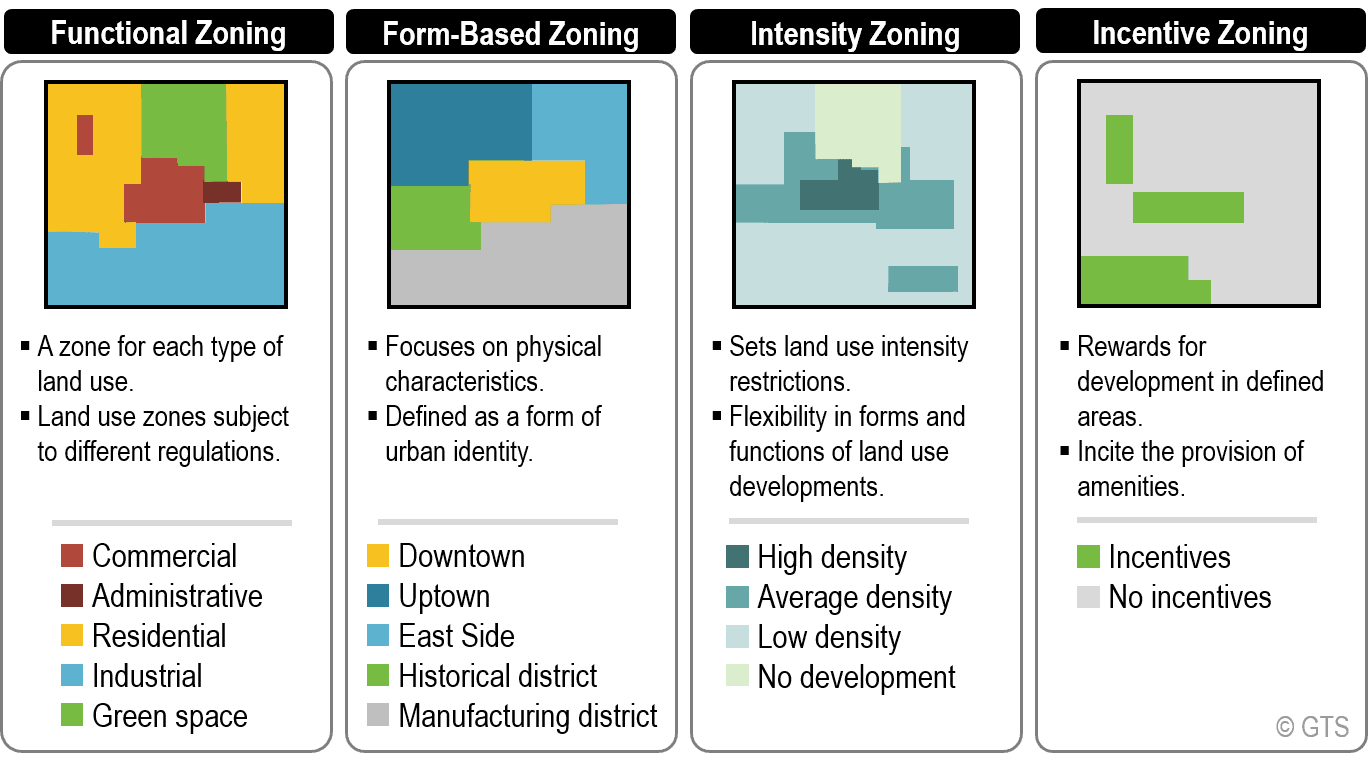
- Performance-Based Zoning: Moving away from prescriptive rules, performance-based zoning focuses on desired outcomes (e.g., traffic impact, environmental footprint) rather than strict use designations. This offers greater flexibility for developers while ensuring community goals are met, potentially leading to more innovative and cost-effective solutions.
- Form-Based Codes: These codes prioritize the physical form and design of buildings and public spaces over strict use separation. They aim to create walkable, aesthetically pleasing places, often resulting in higher property values due to enhanced quality of life.
- Sustainability and Resilience: Future zoning will increasingly incorporate regulations related to energy efficiency, renewable energy, green infrastructure, and climate change resilience, all of which have direct financial implications for construction costs, operating expenses, and long-term property viability. Communities might incentivize green building through zoning bonuses (e.g., allowing extra height for sustainable features).
In conclusion, “what’s zoning” is not just a question of regulation; it is a profound inquiry into the financial DNA of our built environment. From the smallest home renovation to the largest commercial development, zoning casts a long shadow over financial feasibility, risk, and opportunity. A thorough understanding of its principles, processes, and evolving trends is an indispensable asset for homeowners, entrepreneurs, and investors alike, enabling them to make informed decisions that safeguard and grow their financial interests in the complex world of property and development.
aViewFromTheCave is a participant in the Amazon Services LLC Associates Program, an affiliate advertising program designed to provide a means for sites to earn advertising fees by advertising and linking to Amazon.com. Amazon, the Amazon logo, AmazonSupply, and the AmazonSupply logo are trademarks of Amazon.com, Inc. or its affiliates. As an Amazon Associate we earn affiliate commissions from qualifying purchases.