
The human body is an intricate network of systems, each offering clues about our overall health. While many focus on heart rate, blood pressure, or sleep patterns, one often-overlooked, yet incredibly rich, source of diagnostic information lies in our digestive waste. Far from being merely a disposal byproduct, what’s flushed away can be a critical barometer of well-being, signaling everything from dietary imbalances to the early onset of serious diseases. Thanks to remarkable advancements in technology, the era of “smart stool analysis” is rapidly moving from concept to reality, transforming how we understand and monitor our gastrointestinal health.

The Dawn of Digital Gastroenterology: Smart Toilets and Sensors
For decades, stool analysis has been a manual, lab-intensive process, often triggered only when symptoms become severe. This reactive approach is slowly being replaced by proactive, continuous monitoring, primarily driven by innovations in smart toilet technology and integrated sensor systems. These devices are designed to seamlessly collect and analyze data from every bowel movement, providing a wealth of information without requiring active user participation or discomfort.
Imagine a toilet that isn’t just a fixture, but a sophisticated diagnostic lab. Modern prototypes and nascent commercial products integrate a suite of sensors:
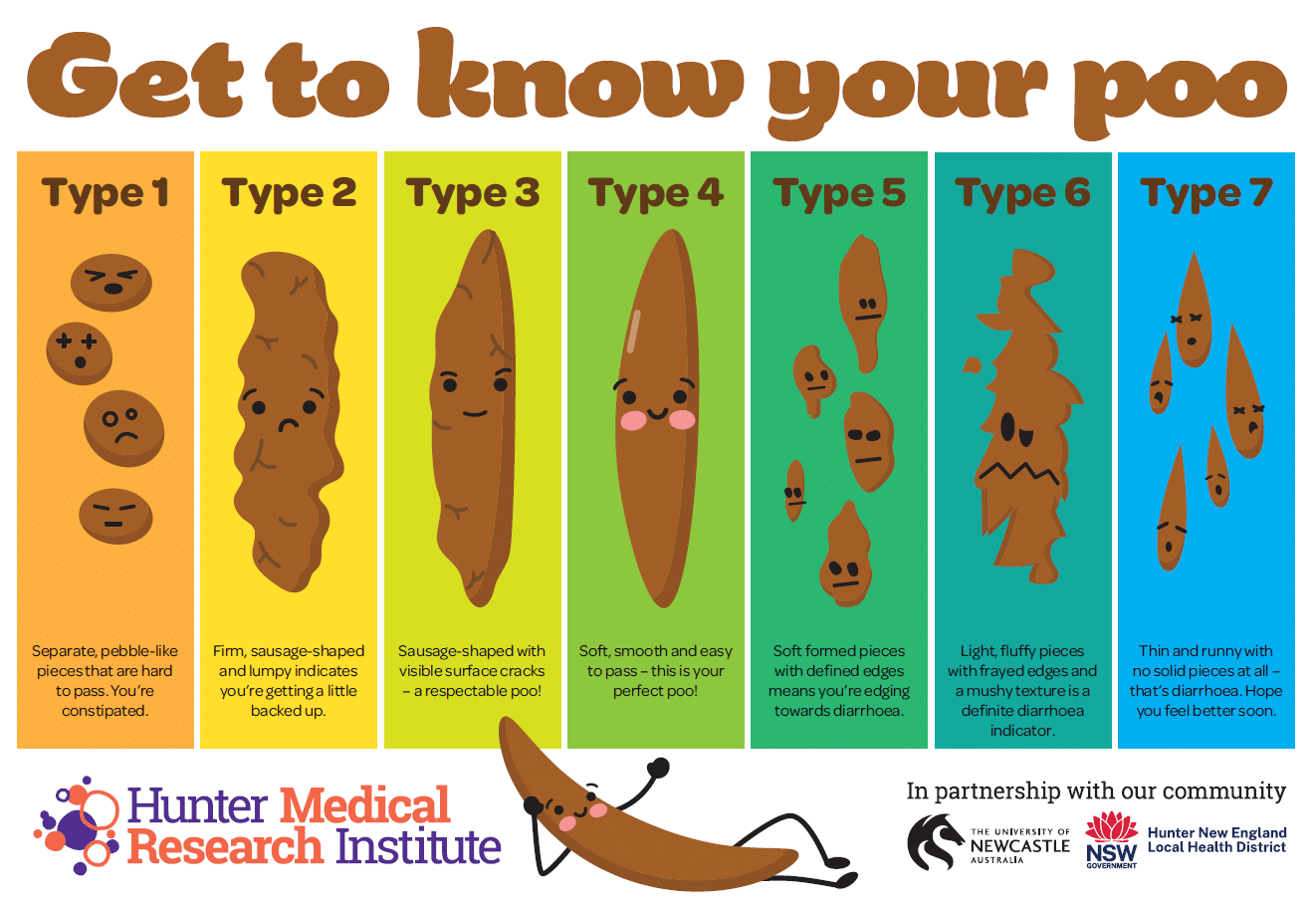
- Cameras and Image Recognition: High-resolution cameras capture visual data, assessing factors like shape, color, and consistency—metrics traditionally linked to the Bristol Stool Chart. AI-powered image recognition algorithms can differentiate between healthy patterns and anomalies indicative of constipation, diarrhea, or even the presence of blood.
- Chemical and Biomarker Sensors: These highly sensitive detectors analyze the chemical composition of waste. They can identify trace elements, metabolites, and biomarkers linked to various conditions. For instance, detecting elevated levels of certain inflammatory markers could signal inflammatory bowel disease (IBD), while specific metabolic byproducts might point towards dietary issues or even gut microbiome dysbiosis.
- Pressure and Weight Sensors: Integrated scales and pressure plates can measure the volume and weight of stool, providing insights into hydration levels and overall digestive transit time. Changes in these metrics can be subtle indicators of evolving health concerns.
- Flushing System Analytics: Even the mechanics of flushing can be analyzed. Observing how quickly waste clears and the characteristics of the flush can provide additional contextual data for the overall digestive process.
This continuous data collection forms the backbone of digital gastroenterology, offering an unprecedented, real-time look into one of the body’s most critical systems.
AI and Machine Learning: Deciphering the Digestive Code
The sheer volume of data generated by smart toilets and advanced sensors would be overwhelming without powerful analytical tools. This is where artificial intelligence (AI) and machine learning (ML) become indispensable. These technologies are the brains behind interpreting the vast streams of raw information, transforming it into actionable health insights.
Pattern Recognition and Anomaly Detection
AI algorithms are trained on massive datasets of stool characteristics correlated with various health conditions. They learn to identify subtle patterns that might escape the human eye. For example:
- Chronic Disease Monitoring: For individuals with conditions like Crohn’s disease, ulcerative colitis, or irritable bowel syndrome (IBS), AI can track daily fluctuations in stool consistency, frequency, and chemical markers. This allows for early detection of flare-ups, enabling timely intervention and potentially preventing severe episodes.
- Early Cancer Screening: Detecting microscopic amounts of blood or specific cellular markers in stool is a cornerstone of colorectal cancer screening. AI can enhance the sensitivity and specificity of these tests, potentially identifying early signs of malignancy long before symptoms manifest, drastically improving prognosis.
- Infection Surveillance: AI can recognize patterns indicative of bacterial or viral infections, such as changes in stool consistency combined with specific chemical signatures, aiding in rapid diagnosis and preventing spread.
Personalized Health Insights
Beyond disease detection, AI can offer personalized insights into everyday health:
- Dietary Impact: By correlating dietary logs (entered manually or via integrated apps) with stool analysis data, AI can reveal how specific foods or meal patterns affect an individual’s digestion and gut health. This can guide personalized nutritional recommendations, optimizing nutrient absorption and reducing digestive discomfort.
- Medication Efficacy: For patients on specific medications, especially those affecting digestion, AI can monitor the drug’s impact on gut function and provide feedback on efficacy or potential side effects, allowing for dosage adjustments or alternative treatments.
- Microbiome Health: The gut microbiome plays a pivotal role in overall health. While direct microbial sequencing from smart toilets is still emerging, AI can infer aspects of microbiome health by analyzing metabolites and other chemical byproducts, suggesting interventions to foster a healthier gut environment.

The true power of AI lies in its ability to go beyond simple correlation, predicting potential health issues based on evolving patterns, thereby enabling truly proactive healthcare.
Data Integration and The Connected Health Ecosystem
The utility of smart stool analysis is amplified when integrated into a broader connected health ecosystem. The insights derived from your “poo data” don’t exist in a vacuum; they become part of a holistic digital health profile.
Electronic Health Records (EHR)
Seamless integration with Electronic Health Records (EHR) systems allows physicians to access a continuous stream of relevant digestive health data. This provides a more complete picture of a patient’s health over time, enabling more informed diagnoses, personalized treatment plans, and better management of chronic conditions. Rather than relying on sporadic lab tests or patient recall, doctors gain access to objective, longitudinal data.
Wearables and Other Health Apps
Data from smart toilets can be cross-referenced with information from other wearable devices and health apps. For example:
- Activity Trackers: Changes in physical activity levels can impact gut motility. Correlating this with stool data can provide a more nuanced understanding of digestive function.
- Sleep Monitors: Sleep patterns are known to influence gut health. Integrating sleep data can reveal interesting interconnections and potential areas for improvement.
- Dietary Trackers: As mentioned earlier, combining food intake logs with stool analysis provides unparalleled insights into the impact of diet on individual digestion.
This integrated approach facilitates a “digital twin” of an individual’s health, where various physiological and behavioral data streams converge to create a comprehensive, dynamic health profile. This allows for personalized health coaching and preemptive interventions before minor issues escalate.
Challenges and The Path Forward
While the promise of digital gastroenterology is immense, several challenges need to be addressed before smart toilets become ubiquitous:
- Accuracy and Reliability: The sensors and AI algorithms must achieve clinical-grade accuracy to be trusted by both patients and medical professionals. Rigorous testing and validation are crucial.
- Data Privacy and Security: Collecting such intimate health data raises significant privacy concerns. Robust encryption, secure data storage, and strict adherence to privacy regulations (like GDPR and HIPAA) are paramount to build user trust.
- Cost and Accessibility: For these technologies to have a widespread impact, they need to be affordable and accessible to a broad population, not just a niche market.
- Ethical Considerations: Questions around informed consent, data ownership, and potential misuse of highly personal health information must be carefully navigated.
- Integration Standards: Developing universal standards for data collection, formatting, and integration with existing healthcare systems is essential for interoperability.
The future of health monitoring is undeniably moving towards more personalized, proactive, and technology-driven approaches. The seemingly humble act of using the toilet is being redefined as a powerful, data-rich interaction that could unlock unprecedented insights into our health. As technology continues to evolve, your poo will indeed have more and more to tell you, empowering you to take a more informed and active role in managing your well-being.
aViewFromTheCave is a participant in the Amazon Services LLC Associates Program, an affiliate advertising program designed to provide a means for sites to earn advertising fees by advertising and linking to Amazon.com. Amazon, the Amazon logo, AmazonSupply, and the AmazonSupply logo are trademarks of Amazon.com, Inc. or its affiliates. As an Amazon Associate we earn affiliate commissions from qualifying purchases.