
In the bustling digital landscape, where innovation often promises to streamline our lives, the emergence of specialized apps for every conceivable niche is hardly surprising. Among these, the “plant app” – a category dedicated to helping us nurture our leafy companions – has seen a surge in popularity. From identifying mysterious wilting leaves to scheduling watering reminders, these digital green thumbs aim to democratize plant parenthood. Yet, despite their noble intentions and often sleek interfaces, many of these “plant apps” seem to be missing a crucial element, leaving users frustrated and their houseplants… well, still struggling.
This article delves into the common pitfalls and fundamental shortcomings plaguing the current generation of plant apps, exploring why they often fall short of their promise to cultivate truly thriving indoor jungles. We’ll examine this from the intersecting perspectives of Tech, Brand, and Money, highlighting how a lack of depth in each area contributes to a less-than-ideal user experience and ultimately, a less successful plant care journey for many.
The Illusion of Simplicity: When Tech Fails the User
At its core, a plant app is a technological solution to a biological challenge. The technology driving these applications should ideally be robust, intelligent, and user-centric. However, many plant apps suffer from a superficial understanding of what true plant care entails, leading to technological solutions that are either overly simplistic or woefully inadequate.
H2: The Diagnostic Dilemma: AI Overpromise and Under-delivery
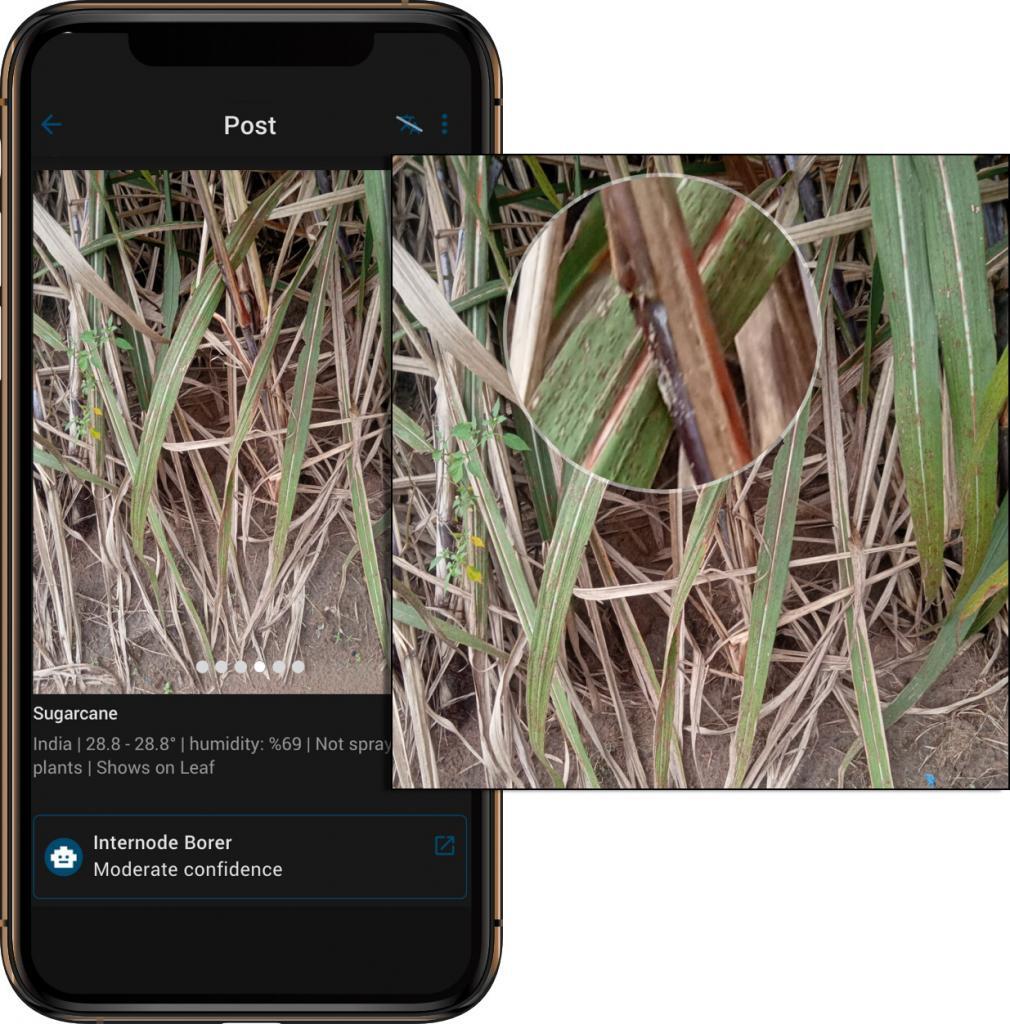
One of the most heavily advertised features of many plant apps is their diagnostic capabilities. Users upload a photo of a troubled plant, and the app, powered by Artificial Intelligence (AI), is supposed to pinpoint the problem – be it pests, diseases, or nutrient deficiencies. This is where the “Tech” aspect of these apps often shines brightest, or rather, flickers out.
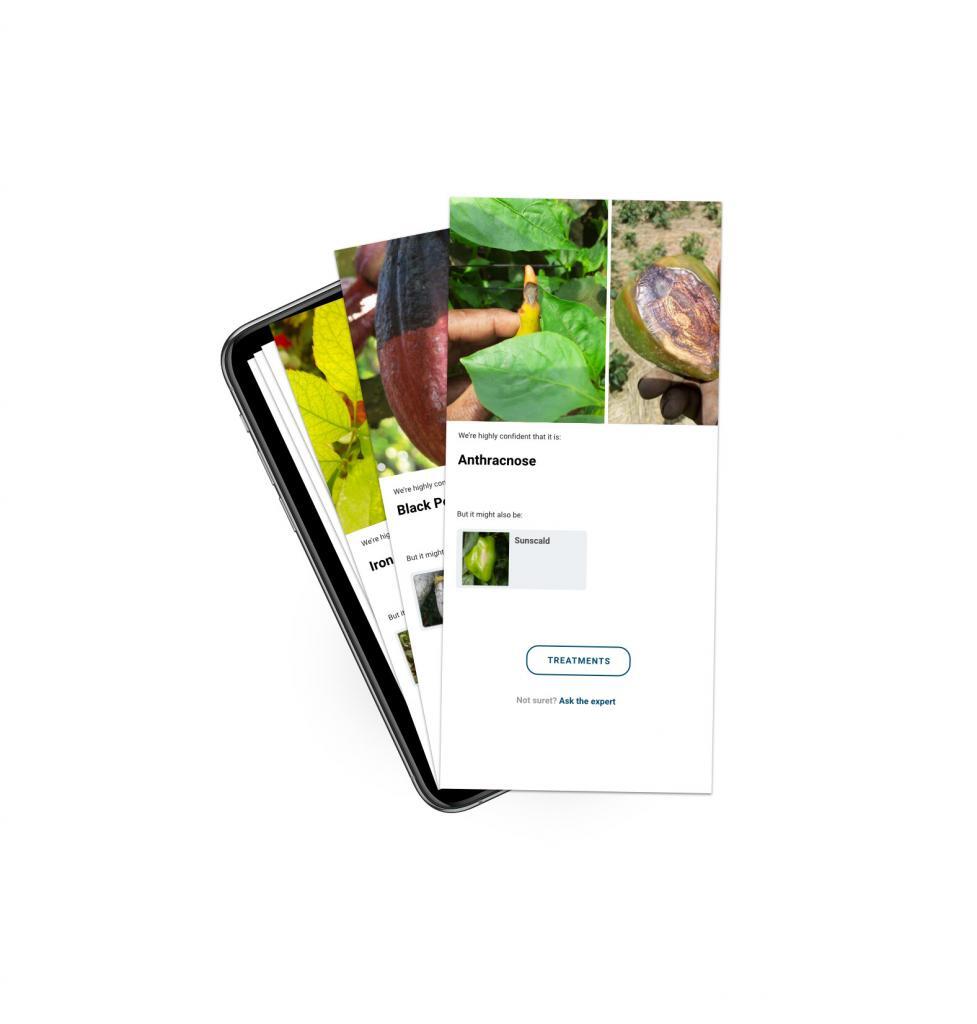
H3: The Specter of Misidentification: The accuracy of these AI diagnostic tools is highly variable. While they might correctly identify common issues on a perfectly lit, high-resolution photo of a textbook-perfect specimen, they often falter when faced with real-world scenarios. Lighting conditions, the angle of the photo, the presence of multiple issues, or even slight variations in a plant’s appearance due to stress can throw the AI into disarray. Users are then presented with generic or, worse, outright incorrect diagnoses. This can lead to misapplication of treatments, exacerbating the problem and leading to user disillusionment. The promise of a quick, digital diagnosis often clashes with the nuanced reality of plant pathology.
H3: The “Pest” Panic: Overzealous Alarms and Unnecessary Stress: Conversely, some AI systems are overly sensitive and tend to flag minor imperfections as serious infestations. A few brown spots from natural shedding might be misidentified as a fungal disease, or a tiny speck of dust could be flagged as a pest. This can cause undue stress for new plant owners, who might panic and resort to aggressive treatments that are more harmful than helpful. The “Tech” here is designed for a quick win, a dramatic alert, but it fails to account for the subtle fluctuations of a living organism.
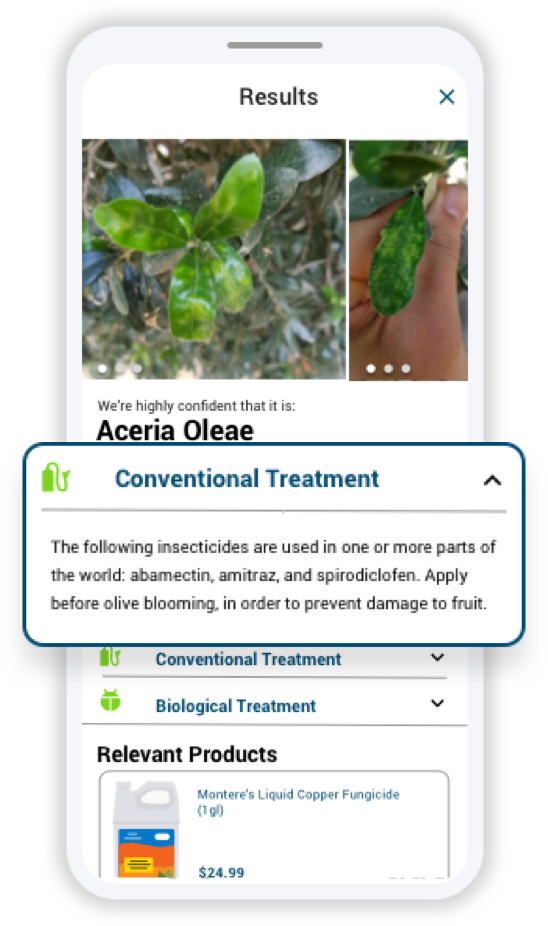
H3: The Generic Solution: A One-Size-Fits-None Approach: Even when a diagnosis is reasonably accurate, the suggested solutions are often disappointingly generic. “Water more,” “Water less,” “Increase humidity.” While these are fundamental aspects of plant care, they lack the specificity required for different plant species, different environments, and different stages of a plant’s life cycle. A succulent needs vastly different watering than a fern, and an app that simply says “water” without context is fundamentally flawed in its technological approach to personalized care.
H2: The Reminder Rigmarole: Beyond the “Water Me” Notification
Another cornerstone of plant apps is their reminder system, designed to prevent over or under-watering. While a useful concept, the implementation often reveals a shallow understanding of plant needs.
H3: The Static Schedule Fallacy: Most apps rely on static watering schedules, based on plant type. However, a plant’s watering needs are dynamic, influenced by a multitude of factors: the season, the humidity of the room, the type of pot, the soil composition, the amount of sunlight it receives, and even the specific stage of its growth. An app that buzzes with a reminder to water every seven days, regardless of whether the soil is still damp or bone dry, is not truly aiding the plant; it’s imposing an arbitrary digital rhythm onto a biological one. The “Tech” fails to adapt to the living organism’s fluctuating needs.
H3: The “Fertilize Annually” Folly: Similar to watering, fertilization reminders are often set to a rigid, infrequent schedule. Many plant apps suggest fertilizing only a few times a year. While some plants have low nutrient requirements, many popular houseplants benefit from more regular, albeit diluted, feeding during their growing season. The app’s “Tech” often prioritizes simplicity over biological reality, failing to account for the nuanced nutritional demands of different plants.
H3: The Overwhelmingly Simplistic UI/UX: While some apps boast beautiful interfaces, they often prioritize aesthetics over practical functionality when it comes to reminders. Complex plants with varied needs might be simplified into a single notification, leaving users to decipher the actual requirements. The “Tech” in the user interface (UI) and user experience (UX) often fails to translate the complexity of plant care into actionable, intuitive guidance.
The Brand’s Blind Spot: Missing the Heart of Plant Care
Beyond the technical execution, the underlying brand strategy and how these apps position themselves reveal a significant disconnect with the actual user and the essence of plant care.
H2: The “Gamification” Guilt: Turning Nurturing into a Chore
Many plant apps employ gamification techniques – points, badges, streaks – to encourage user engagement. While this can be effective in some contexts, when applied to plant care, it can inadvertently strip away the inherent joy and satisfaction of nurturing living things.
H3: The Pressure to Perform: The constant pursuit of digital achievements can turn plant care into a performance. Users might feel pressured to keep their plants “perfect” to earn points, leading to anxiety rather than enjoyment. The “Brand” here misinterprets engagement as genuine connection. The focus shifts from the well-being of the plant to the user’s digital score.
H3: The Devaluation of Imperfection: Plants are living organisms that experience seasons, growth spurts, and occasional setbacks. Gamification often rewards only pristine, thriving specimens, inadvertently stigmatizing plants that are undergoing natural processes or recovering from issues. This creates an unrealistic and often guilt-inducing environment for users. The “Brand” is selling an idealized version of plant ownership, not the authentic experience.
H3: The Superficial Connection: By reducing plant care to a series of tasks to be completed for digital rewards, these apps can foster a superficial connection between the user and their plants. The deeper, more mindful aspect of observing, understanding, and responding to a plant’s needs is often overlooked in favor of ticking off boxes. The “Brand” is failing to cultivate a genuine appreciation for the living entity.
H2: The “Expert” Illusion: Lack of Genuine Authority and Community
A strong brand is built on trust and perceived expertise. Many plant apps offer advice and information, but often lack the depth and authority to truly earn user confidence.
H3: The Anonymous Advisor: Who is providing the advice within these apps? Often, it’s a black box of AI or uncredited horticultural information. Users are left to trust an anonymous digital entity with their precious plants. The “Brand” fails to establish credibility through transparent expertise. A genuine connection with plant care often involves learning from experienced individuals or established horticultural resources.
H3: The Echo Chamber of User Error: Some apps incorporate community forums or Q&A sections. While the intention is good, these spaces can quickly devolve into echo chambers where misinformation is spread by well-meaning but inexperienced users. The “Brand” fails to curate or moderate these spaces effectively, missing an opportunity to provide genuine guidance and foster a learning environment. The “Brand” is not investing in the expertise to ensure accurate community interaction.
H3: The Missing Personal Branding Element: For many plant enthusiasts, their plant collection is an extension of their personal brand. They want to showcase their successes, learn from others, and develop their own unique aesthetic. Plant apps often fail to cater to this, offering generic profiles and limited ways to express personal plant journeys. The “Brand” is not recognizing the individual’s stake in their plant care.
The Monetary Miscalculation: Value vs. Cost in Plant Apps
Finally, the economic model and perceived value proposition of many plant apps raise questions about their long-term viability and genuine benefit to the user.
H2: The Freemium Trap: Unlocking Basic Functionality
A common “Money” strategy for plant apps is the freemium model, where basic features are free, but advanced functionalities require a subscription or one-time purchase. While this is standard practice, the limitations of the free tiers often make them practically useless.
H3: The Feature-Starved Free Tier: Users often find that the free version of a plant app offers little more than a basic plant identification tool and a rudimentary reminder system. Essential features like personalized care plans, detailed diagnostic tools, or access to a comprehensive plant library are locked behind paywalls. This can lead to frustration and a feeling of being nickel-and-dimed. The “Money” aspect creates a barrier to entry for truly useful features.
H3: The Subscription Snowball: For users who are serious about plant care, the cost of multiple subscriptions to different apps that offer specialized functionalities can quickly add up. This can be a significant financial burden, especially when the value proposition of each app is questionable. The “Money” model prioritizes recurring revenue over delivering a truly comprehensive and affordable solution.
H3: The Questionable ROI: When investing “Money” into a plant app, users expect a return on that investment in the form of healthier, thriving plants. However, if the app’s advice is flawed or its features are superficial, the financial outlay doesn’t translate into tangible benefits. Users end up paying for a service that doesn’t deliver on its core promise.
H2: The Monetization of Misery: Profiting from Plant Problems
In some instances, the “Money” aspect of plant apps seems to prey on user anxiety and their desire for quick fixes.
H3: The Upsell of Unnecessary Products: Some apps, after a dubious diagnosis, will aggressively push users to purchase specific fertilizers, pesticides, or soil amendments – often through affiliate links. This creates a revenue stream based on potentially unnecessary or even harmful interventions. The “Money” model is capitalizing on the user’s perceived problem rather than solving it effectively.
H3: The Premium for Basic Knowledge: The most fundamental plant care knowledge – like understanding soil drainage or the importance of light – is often packaged as premium content. This devalues the inherent value of horticultural understanding and makes it accessible only to those willing to pay a premium. The “Money” is charged for what should be readily available, foundational information.
H3: The Lack of a Sustainable Business Model: Ultimately, a plant app that consistently fails to deliver real value to its users will struggle with customer retention. The “Money” model, driven by short-term gains and subscription renewals, often neglects the long-term goal of fostering genuine plant care success and user loyalty. A truly valuable app should aim to empower its users, not simply extract recurring fees.
Conclusion: Cultivating Better Plant Apps for a Greener Future
The promise of the “plant app” is a compelling one: to democratize plant care and help everyone cultivate a thriving indoor oasis. However, as we’ve explored through the lenses of Tech, Brand, and Money, the current landscape is littered with applications that fall short. They often overpromise on AI diagnostics, offer simplistic reminders, employ superficial gamification, lack genuine expertise, and employ questionable monetization strategies.
For the future of plant care apps, developers need to move beyond the illusion of simplicity and invest in the depth required to truly serve their users. This means developing more sophisticated and context-aware AI, prioritizing dynamic and personalized care advice over static schedules, fostering genuine community and educational resources, and adopting monetization models that reflect the real value delivered to the user. Only then can these digital green thumbs truly help us cultivate not just better plants, but a more fulfilling and knowledgeable plant care journey.
aViewFromTheCave is a participant in the Amazon Services LLC Associates Program, an affiliate advertising program designed to provide a means for sites to earn advertising fees by advertising and linking to Amazon.com. Amazon, the Amazon logo, AmazonSupply, and the AmazonSupply logo are trademarks of Amazon.com, Inc. or its affiliates. As an Amazon Associate we earn affiliate commissions from qualifying purchases.