
Butterball, a name synonymous with Thanksgiving and holiday feasts for generations, faces an annual litmus test of consumer expectation. This year, however, whispers and outright complaints surfacing across various platforms suggest that America’s most recognizable turkey brand might be grappling with more than just seasonal demand fluctuations. For a brand so deeply embedded in cultural tradition and family gatherings, any perceived slip-up can have significant implications for its carefully cultivated image, customer loyalty, and long-term market position. Understanding “what’s wrong” requires a deep dive into how external pressures and internal operations are impacting brand perception in a fiercely competitive and emotionally charged market.

The Shifting Landscape of Consumer Trust and Brand Loyalty
For decades, Butterball has held a near-monopoly on the aspirational holiday turkey. Its brand promise was simple yet powerful: a consistently high-quality, perfectly prepped turkey that promised a stress-free and delicious centerpiece for the most important meal of the year. This promise forged a deep bond of trust with consumers, many of whom learned to cook their first holiday meal with a Butterball by their side.
The Legacy of a Holiday Icon
Butterball’s brand equity is built on heritage, reliability, and an almost familial connection. The iconic logo, the friendly voice of the “Turkey Talk-Line,” and the pervasive marketing have all contributed to its status as a household name. For many, choosing Butterball isn’t just about selecting a product; it’s about upholding a tradition and ensuring a successful holiday meal. This emotional connection makes the brand particularly vulnerable to any perceived failures, as consumers feel a personal stake in the product’s performance. When a brand becomes an integral part of a tradition, any deviation from expected quality or experience is amplified, potentially leading to widespread disappointment and a sense of betrayal.
Cracks in the Foundation: Erosion of Trust
However, this year has seen an uptick in consumer dissatisfaction, manifesting as concerns over product quality, availability, and pricing. While isolated incidents are common for any mass-market product, a pattern of complaints can begin to erode the bedrock of trust that a legacy brand like Butterball relies on. Issues such as inconsistent turkey sizes, unexpected thawing problems, or turkeys perceived as dryer or less flavorful than previous years, directly challenge the core brand promise of reliability and quality. Each negative experience, especially when shared on social media, contributes to a collective narrative that can chip away at consumer confidence, making the once automatic choice for holiday turkey a subject of debate and scrutiny. This erosion of trust is not just about a single purchase; it threatens future purchases and the brand’s position as the go-to expert in its category.
Supply Chain Disruptions and Their Brand Ripple Effects
The modern global economy has brought unprecedented efficiencies but also exposed vulnerabilities within supply chains. This year, Butterball, like many food brands, has been buffeted by a confluence of macroeconomic factors that directly impact its ability to deliver on its brand promise.
Avian Flu’s Shadow and Availability Concerns
The resurgence of avian influenza outbreaks across the country has been a significant external pressure. For a brand whose primary product is poultry, such outbreaks carry severe implications. They can lead to culling of flocks, reduced supply, and increased costs for healthy birds. From a brand perspective, this translates into potential stockouts on store shelves, forcing loyal customers to seek alternatives. When a brand’s flagship product is unavailable, it doesn’t just lose a sale; it risks losing a customer who might discover a new preferred brand during the scramble. Furthermore, the specter of disease, even if the final product is safe, can subtly impact consumer confidence, requiring heightened transparency and reassurance from the brand.
Inflationary Pressures and Value Perception
The current inflationary environment is another critical factor. Production costs, including feed, labor, and transportation, have surged. These increased costs are inevitably passed on to consumers, resulting in higher retail prices for Butterball turkeys. While consumers understand general inflation, the perception of value becomes paramount for a premium brand. If customers are paying more but perceiving a decline in quality or consistency, the brand’s value proposition is severely undermined. The psychological threshold for what consumers are willing to pay for a holiday turkey, especially when other household expenses are rising, is delicate. If Butterball’s price point deviates too far from perceived value, it risks alienating budget-conscious consumers or those who feel they are no longer getting a superior product for their investment.
Labor Shortages and Quality Control
The food processing industry has also contended with significant labor shortages. A robust workforce is essential for maintaining quality control, from the farm to the processing plant to packaging. Shortages can lead to increased pressure on existing staff, potential compromises in handling procedures, or hurried processing. For a brand like Butterball, which has built its reputation on meticulous standards, any lapse in quality control, whether due to a smaller workforce or an overstretched one, directly threatens its brand integrity. Issues like improper packaging, inconsistent sizing, or even subtle changes in processing that affect the final product’s texture or moisture content can all stem from labor challenges, creating a tangible disconnect between the brand’s promise and the consumer’s experience.
Product Quality Under Scrutiny: Upholding the Brand Promise
At the heart of any consumer complaint about Butterball turkeys lies a fundamental question about product quality. For a brand that trades on its superior product, any perceived decline is a direct attack on its core identity and brand promise.
Beyond the Hype: Delivering on Expectations
Butterball’s marketing often emphasizes the turkey’s juiciness, tenderness, and ease of preparation. These attributes form the basis of consumer expectations. When a consumer purchases a Butterball, they are not just buying a turkey; they are buying the promise of a successful holiday meal. If the turkey turns out dry, tough, or difficult to prepare despite following instructions, it’s not just a product failure; it’s a breach of the brand’s implicit contract with the consumer. This can lead to deep disappointment, as the meal is often the culmination of significant effort and emotional investment. The brand’s challenge is to consistently deliver on these heightened expectations, especially when external factors might complicate standard production processes.
Addressing Specific Consumer Complaints
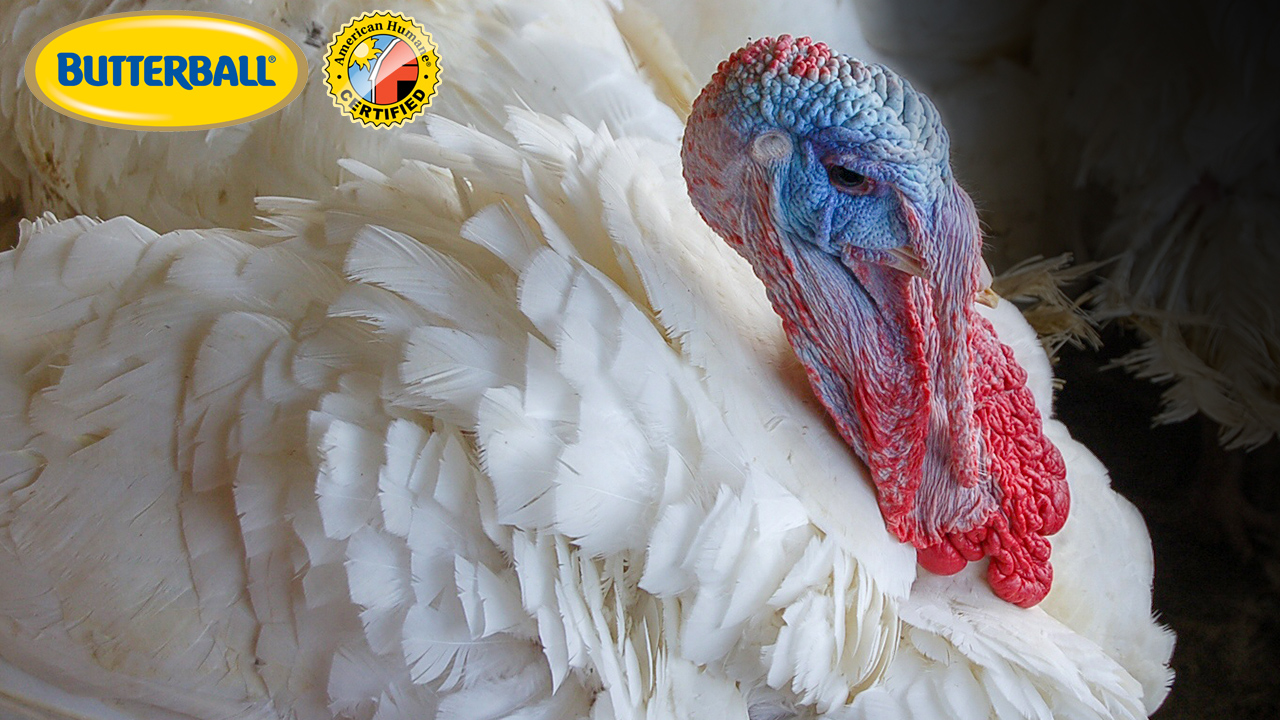
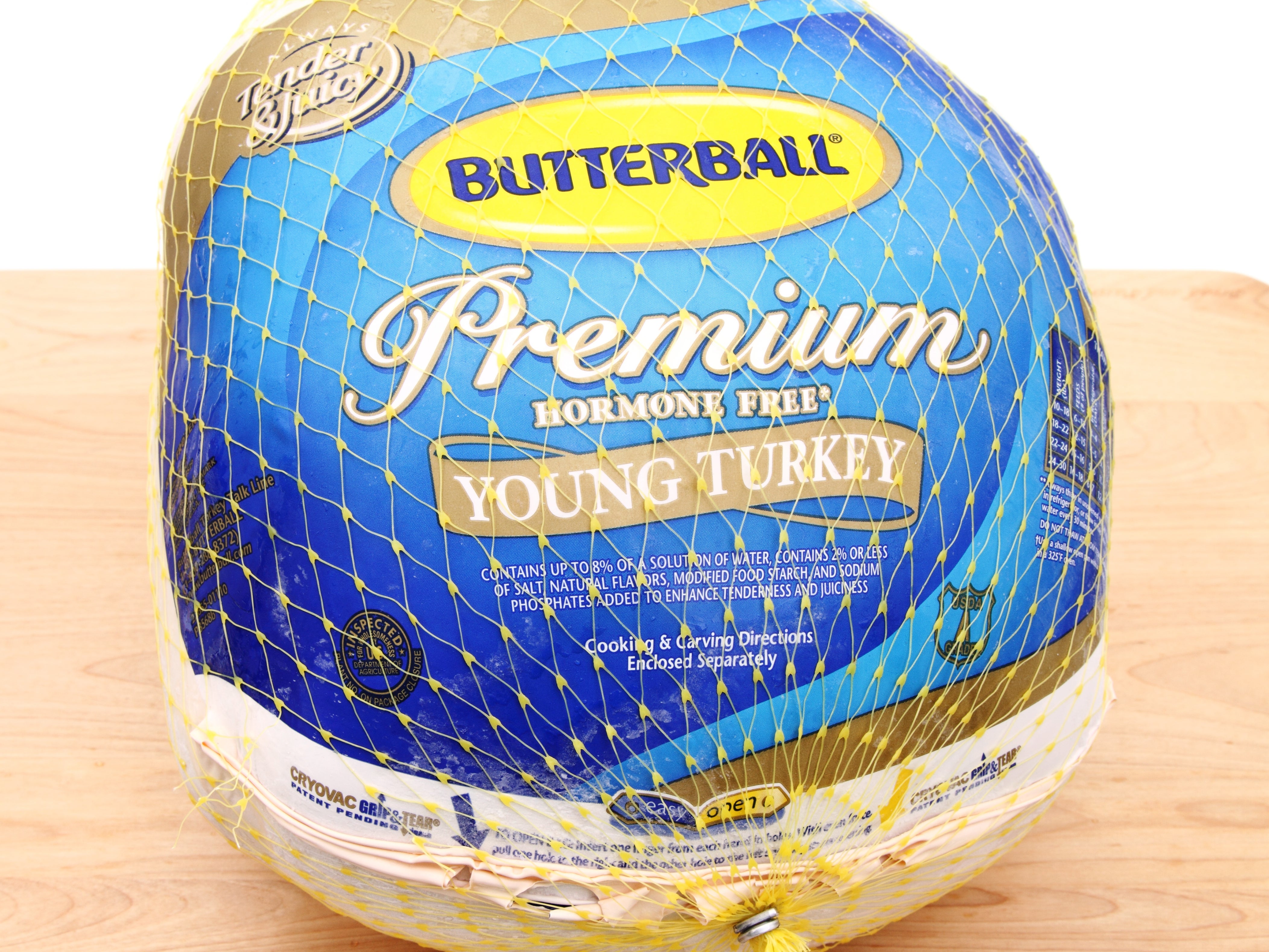
Reports circulating this year point to a range of specific issues. Some consumers have noted turkeys that appear to be smaller than advertised weights or seem to have an unusual amount of liquid in the packaging, leading to concerns about processing or thawing. Others have complained about the turkey’s texture post-cooking, describing it as unusually stringy or dry, even when cooked according to Butterball’s own recommended methods. Instances of difficult-to-remove netting or pop-up timers malfunctioning also detract from the “easy and perfect” experience the brand promotes. Each of these specific complaints, while seemingly minor in isolation, collectively chips away at the brand’s image of delivering a superior, hassle-free product. When these issues are widespread, they suggest potential systemic challenges in production or quality assurance that require immediate brand attention.
The Premium Price Tag vs. Perceived Value
Butterball has historically positioned itself as a premium turkey, often commanding a higher price point than generic or store brands. This premium pricing is justified by its brand reputation, perceived quality, and the assurance it provides during a high-stakes meal. However, if the quality issues discussed above become prevalent, the value proposition is severely compromised. Consumers paying a premium expect a premium experience. If they encounter problems, they are more likely to feel ripped off and question the brand’s integrity. This mismatch between price and perceived value can lead to a shift in consumer behavior, prompting them to explore cheaper alternatives or competitors who might offer a more consistent product at a lower cost, thereby eroding Butterball’s market share and brand loyalty.
Managing the Digital Narrative: Public Relations in the Age of Instant Feedback
In today’s interconnected world, customer feedback is no longer confined to private channels or word-of-mouth. Social media platforms, online review sites, and forums provide instant, public arenas for consumers to share their experiences, good or bad. For Butterball, this means its brand narrative is constantly being shaped by millions of individual stories.
Social Media: The Unfiltered Focus Group
Platforms like X (formerly Twitter), Facebook, and Instagram have become unfiltered focus groups for brands. A single negative experience, particularly around a high-stakes event like Thanksgiving, can quickly go viral. Posts detailing dry turkeys, confusing labels, or customer service frustrations can spread rapidly, reaching a vast audience and influencing potential buyers. For Butterball, the challenge is not just to address individual complaints but to monitor the overall sentiment and identify patterns before they escalate into a full-blown public relations crisis. The brand’s public image is no longer solely controlled by its marketing department but is co-created by every customer who shares their experience online.
Proactive vs. Reactive Brand Communication
Effective brand management in this environment requires a sophisticated communication strategy. A purely reactive approach, where the brand only responds to negative posts after they gain traction, can appear defensive or insincere. A proactive strategy involves anticipating potential issues, transparently addressing known challenges (e.g., supply chain disruptions), and actively engaging with consumers, both positively and negatively. This could involve using social media to offer cooking tips, acknowledge feedback, or even share behind-the-scenes glimpses of their commitment to quality. The “Turkey Talk-Line,” a long-standing PR asset, needs to extend its empathetic and problem-solving approach into the digital sphere, ensuring that every consumer touchpoint reinforces the brand’s helpful and trustworthy image.
The Role of Influencers and Brand Ambassadors
While direct consumer feedback is crucial, the influence of culinary bloggers, food critics, and home cooking enthusiasts on platforms like YouTube and TikTok cannot be overstated. A negative review or even a lukewarm endorsement from a trusted influencer can significantly impact brand perception among their followers. Conversely, positive engagement with these figures, through sponsored content or organic endorsement, can help reinforce the brand’s image. Butterball must strategically engage with these voices, ensuring they understand the brand’s commitment to quality and addressing any concerns they might have. Maintaining a strong, positive relationship with these informal brand ambassadors can be a powerful tool in shaping the digital narrative and counteracting potential negativity.
Strategies for Brand Resilience and Future-Proofing
Addressing the challenges of “what’s wrong with Butterball turkeys this year” is not just about damage control; it’s an opportunity for brand revitalization and future-proofing. A strong brand must be resilient, capable of adapting to external pressures while reinforcing its core values and promises.
Reinvesting in Quality and Transparency
The most critical step for Butterball is to reaffirm its commitment to product quality. This may involve re-evaluating sourcing, enhancing quality control at every stage of production, and investing in new technologies that ensure consistency. Importantly, the brand needs to be transparent about these efforts. Communicating improvements, sharing details about their quality assurance processes, and even admitting past challenges with a commitment to doing better can rebuild trust. Transparency around sourcing, animal welfare practices, and environmental sustainability can also resonate with modern consumers, who increasingly demand ethical brand behavior.
Enhancing Customer Service and Engagement
The “Turkey Talk-Line” is a brand institution, but its principles of empathy and helpfulness need to permeate all customer touchpoints. This means investing in well-trained customer service teams who can address complaints effectively, offer solutions, and genuinely listen to feedback. Digital engagement must be swift, sincere, and consistent. Creating online communities, hosting interactive Q&A sessions, or even offering personalized cooking advice can transform a transactional relationship into a deeper, more engaged one. Brands that make consumers feel heard and valued are more likely to retain their loyalty, even when issues arise.
Diversifying Offerings and Supply Chains
While the whole turkey remains its flagship product, Butterball can mitigate future risks by diversifying its product offerings. This could include expanding its range of pre-seasoned turkeys, turkey breasts, ground turkey, or value-added turkey products that cater to different cooking styles and dietary needs throughout the year. Diversifying the supply chain, by working with multiple trusted suppliers and exploring regional sourcing options, can also build resilience against localized issues like avian flu outbreaks or labor shortages. This ensures that the brand can continue to meet demand, even when one part of its chain faces disruption, thereby reinforcing its reliability.
Storytelling and Reconnecting with Core Values
Finally, Butterball needs to reconnect with the emotional core of its brand. This means revisiting its heritage and communicating its story in fresh, compelling ways. Emphasizing the farmers who raise the turkeys, the care taken in processing, and the role its products play in creating cherished family memories can help consumers remember why they chose Butterball in the first place. Marketing campaigns should focus less on generic perfection and more on authentic experiences, perhaps featuring real families and their holiday traditions. By reminding consumers of its deep roots in American culture and its enduring commitment to bringing joy to the table, Butterball can reinforce its brand identity and secure its place as a trusted holiday icon for years to come.
aViewFromTheCave is a participant in the Amazon Services LLC Associates Program, an affiliate advertising program designed to provide a means for sites to earn advertising fees by advertising and linking to Amazon.com. Amazon, the Amazon logo, AmazonSupply, and the AmazonSupply logo are trademarks of Amazon.com, Inc. or its affiliates. As an Amazon Associate we earn affiliate commissions from qualifying purchases.