
For many, the term “Wall Street” conjures images of chaotic trading floors, sleek skyscrapers in Lower Manhattan, and the high-stakes world of international finance. However, Wall Street is far more than a geographical location; it is a global symbol of the financial industry, representing the complex system of markets, institutions, and individuals that facilitate the flow of capital across the world. To understand Wall Street is to understand the mechanics of modern capitalism and how the movement of money influences everything from the price of a gallon of milk to the stability of national economies.
In this guide, we will explore the multifaceted nature of Wall Street, examining its historical roots, its primary functions, the key players involved, and why it remains a critical component of the global financial landscape.
Understanding the Physical and Symbolic Foundations of Wall Street
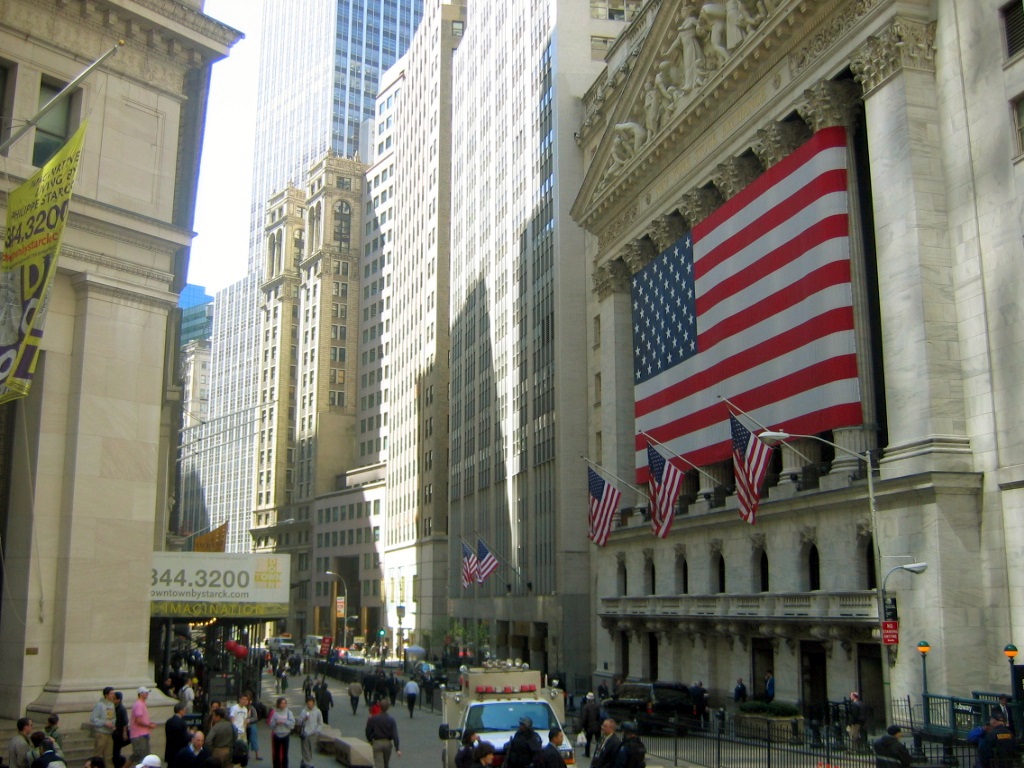
While Wall Street is an actual street in the Financial District of Lower Manhattan in New York City, its name has become a synecdoche for the entire American financial services industry. This evolution from a physical boundary to a global metaphor reflects the growing complexity and reach of the financial markets over the last two centuries.
The Geographical Origins in Lower Manhattan
The history of Wall Street dates back to the 17th century when New York was still a Dutch settlement known as New Amsterdam. The street is named after a literal wall built by the Dutch to protect the colony from potential British or Native American incursions. By the late 18th century, the area had become a bustling center of trade.
In 1792, twenty-four stockbrokers signed the Buttonwood Agreement under a buttonwood tree on Wall Street. This agreement established the rules for trading securities and led to the creation of what would eventually become the New York Stock Exchange (NYSE). Since then, the area has served as the headquarters for many of the world’s largest banks and investment firms.
The Shift from a Place to an Industry
Today, when people speak of Wall Street, they are rarely referring to the eight-block stretch of pavement in Manhattan. Instead, they are referring to the collective ecosystem of investment banks, commercial banks, brokerage firms, insurance companies, and hedge funds. In the digital age, much of the actual trading occurs on servers in data centers far removed from New York City. However, the cultural and symbolic weight of “Wall Street” persists as the epicenter of capital allocation. It represents the “sell-side” of the financial world—the institutions that create, promote, and sell financial products to investors.
The Key Players: Who Runs the Financial World?
Wall Street is not a monolithic entity; it is composed of various types of institutions and professionals, each playing a specific role in the movement and management of money.
Investment Banks: The Dealmakers
Investment banks are perhaps the most quintessential Wall Street institutions. Unlike traditional commercial banks where you might keep a checking account, investment banks facilitate complex financial transactions. Their primary roles include:
-
Initial Public Offerings (IPOs): Helping private companies transition to public ownership by selling shares on an exchange.
-
Mergers and Acquisitions (M&A): Advising companies on buying other businesses or merging with competitors to increase market share.
-
Underwriting: Assessing the risk and price of new securities (stocks or bonds) and selling them to investors.
Asset Managers and Hedge Funds: The Capital Allocators
While investment banks focus on facilitating deals, asset managers and hedge funds focus on investing capital. Asset management firms, such as BlackRock or Vanguard, manage trillions of dollars on behalf of individual and institutional investors through mutual funds and Exchange-Traded Funds (ETFs).
Hedge funds, on the other hand, are private investment partnerships that use complex strategies—including short selling and leverage—to generate high returns for wealthy individuals and institutional clients. These entities represent the “buy-side,” as they are the primary purchasers of the securities created by the investment banks.
Retail Investors and the Digital Democratization
For much of the 20th century, Wall Street was an exclusive club for wealthy elites and professionals. However, the rise of digital technology and low-cost brokerage apps has democratized access to the markets. Today, individual “retail” investors can trade stocks, options, and cryptocurrencies with the tap of a screen. While retail investors do not have the same capital reserves as major institutions, their collective movement—as seen in recent “meme stock” phenomena—has proven that they can significantly impact market dynamics.
How Wall Street Works: The Mechanics of Capital Markets

To the uninitiated, the stock market can seem like a giant casino. In reality, Wall Street serves a vital function in the economy by providing a structured environment where capital can be raised and traded.
The Primary Market vs. The Secondary Market
The financial markets are divided into two main stages. The Primary Market is where securities are created. This is where companies sell new stocks or bonds to the public for the first time. For example, when a tech startup goes through an IPO, it is operating in the primary market to raise the funds necessary for expansion.
The Secondary Market is where investors trade these securities among themselves. When you buy a share of Apple or Microsoft through a brokerage account, you are participating in the secondary market. The company that issued the stock does not receive money from these trades; instead, the money moves between the buyer and the seller. The secondary market is crucial because it provides “liquidity,” allowing investors to easily convert their assets into cash.
The Role of the Stock Exchange (NYSE and NASDAQ)
Stock exchanges are the marketplaces where these trades happen. The New York Stock Exchange (NYSE) is the world’s largest exchange by market capitalization and is famous for its physical trading floor. In contrast, the NASDAQ is a completely electronic exchange, traditionally known for hosting technology and growth companies. These exchanges provide the infrastructure, rules, and transparency required for the markets to function fairly.
Bonds, Derivatives, and Diverse Asset Classes
While stocks (equities) get most of the headlines, Wall Street also facilitates the trading of many other assets:
-
Bonds: These are debt instruments where an investor lends money to a corporation or government for a set period in exchange for interest payments.
-
Derivatives: These are complex financial contracts, such as options or futures, whose value is “derived” from an underlying asset. They are used both for hedging risk and for speculation.
-
Commodities: Wall Street also plays a role in the trading of raw materials like gold, oil, and agricultural products, which are essential to the global supply chain.
The Economic Impact: Why Wall Street Matters to Main Street
The relationship between “Wall Street” and “Main Street” (the general economy and small businesses) is often portrayed as adversarial. However, the two are deeply interconnected.
Capital Formation and Economic Growth
At its core, Wall Street is a giant machine for capital formation. Without the ability to raise billions of dollars through stock and bond issuances, large-scale projects—such as building nationwide fiber-optic networks, developing life-saving pharmaceuticals, or manufacturing electric vehicles—would be nearly impossible. By connecting those who have excess capital (investors) with those who need capital to grow (corporations), Wall Street fuels innovation and job creation.
Retirement Accounts and Wealth Building
The average citizen is more connected to Wall Street than they might realize. Most retirement plans, such as 401(k)s and IRAs, are invested in the stock and bond markets. Pensions for teachers, firefighters, and healthcare workers are managed by institutional investors who rely on Wall Street’s infrastructure to generate the returns needed to pay out future benefits. Consequently, a healthy and transparent financial market is essential for the long-term financial security of the middle class.
Market Volatility and Its Real-World Consequences
Because Wall Street is the nerve center of the global economy, its failures can have devastating consequences. The 2008 financial crisis demonstrated how excessive risk-taking and a lack of oversight in the banking sector could lead to a global recession, resulting in job losses and home foreclosures on Main Street. This highlights the importance of regulation and the inherent tension between profit-seeking and economic stability.
Navigating Wall Street as an Individual Investor
For those looking to participate in the wealth-building potential of Wall Street, understanding the landscape is the first step toward successful investing.
Developing an Investment Philosophy
Wall Street offers a dizzying array of options, from high-frequency trading to long-term value investing. For most individuals, a disciplined, long-term approach is the most effective. This often involves diversification—spreading investments across different asset classes and industries to minimize risk. Rather than trying to “beat the market” through speculative day trading, many successful investors rely on index funds that track the performance of the entire market, such as the S&P 500.
The Tools of the Trade
Modern investors have access to tools that were once reserved for professionals. Financial news outlets, analytical software, and educational resources allow individuals to research companies and market trends in real-time. However, the abundance of information also requires a high degree of “financial literacy.” Understanding concepts like price-to-earnings (P/E) ratios, dividend yields, and inflation-adjusted returns is crucial for making informed decisions.
Looking Forward: The Future of High Finance
Wall Street is currently undergoing a radical transformation driven by technology. Artificial Intelligence (AI) is being used to execute trades at millisecond speeds, and blockchain technology is being explored as a way to settle transactions more efficiently. Additionally, there is a growing trend toward “ESG” investing, where investors consider Environmental, Social, and Governance factors alongside traditional financial metrics.
As Wall Street continues to evolve, its fundamental purpose remains the same: to act as the primary engine for allocating resources in the global economy. Whether you are a casual observer or an active participant, understanding “what Wall Street is” provides a window into the forces that shape our modern world. It is a place of immense opportunity, significant risk, and constant change—a testament to the enduring power of human enterprise and the complex dance of global finance.
aViewFromTheCave is a participant in the Amazon Services LLC Associates Program, an affiliate advertising program designed to provide a means for sites to earn advertising fees by advertising and linking to Amazon.com. Amazon, the Amazon logo, AmazonSupply, and the AmazonSupply logo are trademarks of Amazon.com, Inc. or its affiliates. As an Amazon Associate we earn affiliate commissions from qualifying purchases.