
In the realm of personal finance, few numbers carry as much weight as “today’s mortgage rate.” For the prospective homeowner, a fluctuation of even half a percentage point can represent tens of thousands of dollars over the life of a loan. For the investor, it dictates the feasibility of a rental property’s cash flow. Yet, despite its importance, the mortgage rate is often viewed as a mysterious figure that shifts daily without rhyme or reason.
To navigate the current financial landscape effectively, one must look beyond the daily ticker and understand the underlying economic engines that drive these rates. This guide explores the mechanics of mortgage pricing, the personal financial factors that influence the rates you are offered, and the strategic considerations for timing a home purchase in a volatile economy.
The Economic Drivers: Why Mortgage Rates Fluctuate Daily
Mortgage rates do not exist in a vacuum. They are the product of complex interactions between government policy, investor sentiment, and global economic health. While many consumers believe the Federal Reserve sets mortgage rates directly, the reality is more nuanced.
The Role of the Federal Reserve and Monetary Policy
The Federal Reserve influences mortgage rates primarily through the federal funds rate—the interest rate at which commercial banks borrow and lend to one another overnight. When the Fed raises rates to combat inflation, the cost of borrowing increases across the board. While this doesn’t dictate mortgage rates point-for-point, it sets the “floor” for lending costs. When it becomes more expensive for banks to source capital, they pass those costs onto consumers in the form of higher mortgage interest.
Inflation and the 10-Year Treasury Yield
Perhaps the most direct indicator of mortgage rate movement is the yield on the 10-year U.S. Treasury note. Mortgage-backed securities (MBS) compete for the same investors as Treasury bonds. Because mortgages carry more risk than government debt, they must offer a higher yield (the “spread”) to attract investors. When inflation is high, investors demand higher yields to protect their purchasing power, which pushes Treasury yields up and takes mortgage rates along for the ride. Therefore, “today’s rate” is often a reflection of how the market views the long-term outlook for inflation.
Market Volatility and Investor Appetite
In times of economic uncertainty, investors often flee to “safe-haven” assets. If the stock market is volatile, the demand for bonds and mortgage-backed securities may increase. High demand for these bonds can actually drive interest rates down, even if the Fed is holding steady. Conversely, if the economy is booming, investors may move capital into riskier assets, requiring mortgage rates to rise to remain an attractive investment option.
Deciphering the Numbers: Different Types of Mortgage Products
When you ask, “What is today’s mortgage rate?” the answer depends heavily on the financial tool you choose. Mortgage products are designed to serve different financial goals, and each carries its own risk-reward profile.
Fixed-Rate Mortgages: Stability in an Uncertain Economy
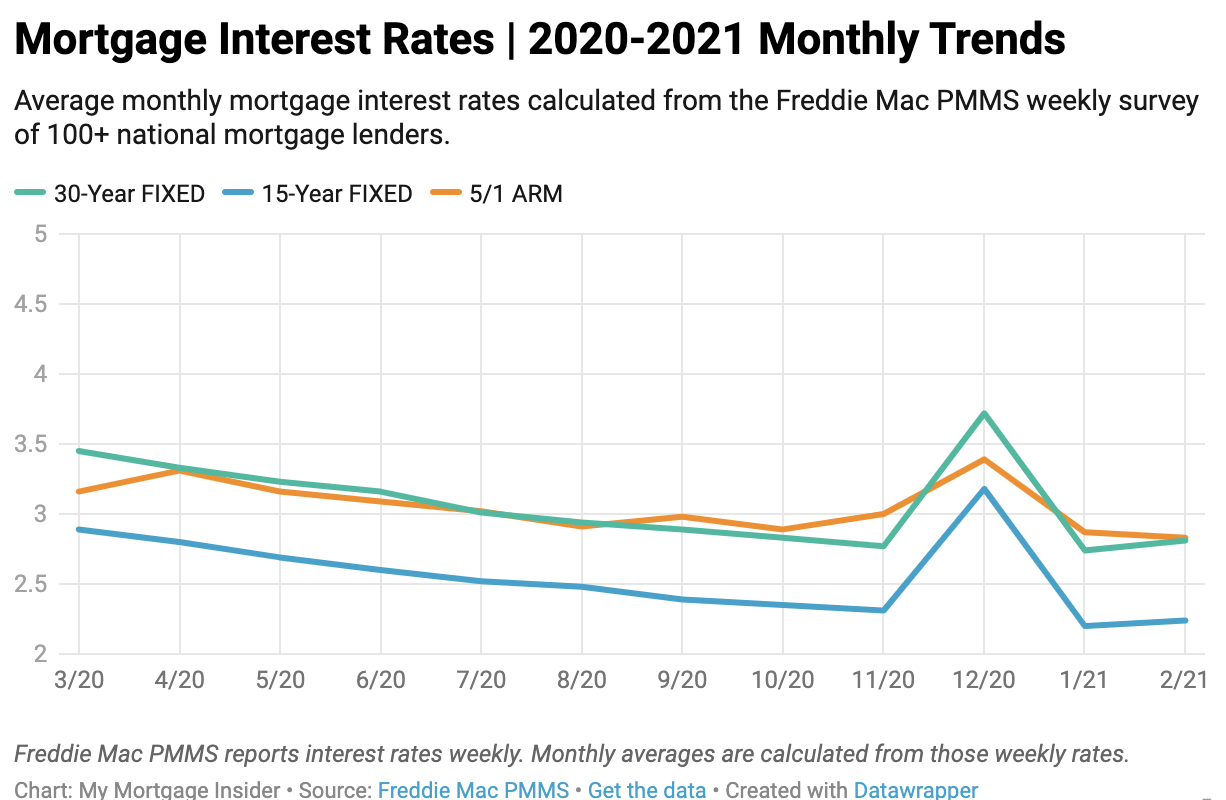
The 30-year fixed-rate mortgage remains the gold standard of American personal finance. Its primary appeal is predictability; your principal and interest payment remain identical from the first month to the 360th. This protects homeowners from future interest rate hikes. However, because the lender takes on the risk of inflation over three decades, fixed rates are generally higher than the initial rates offered on shorter-term or adjustable loans. The 15-year fixed-rate mortgage typically offers a significantly lower interest rate, as the lender is repaid faster, but it requires much higher monthly payments.
Adjustable-Rate Mortgages (ARMs): Short-Term Savings vs. Long-Term Risk
An Adjustable-Rate Mortgage (ARM) usually offers a lower “teaser” rate for an initial period (typically 5, 7, or 10 years). After that, the rate adjusts periodically based on market indices. For a savvy borrower who plans to sell the home or refinance before the adjustment period begins, an ARM can be a powerful financial tool to minimize interest expenses. However, if market rates have skyrocketed by the time the adjustment period hits, the borrower could face a “payment shock” that jeopardizes their financial stability.
Specialized Loans: FHA, VA, and Jumbo Options
The type of loan program also dictates the rate. FHA loans, backed by the Federal Housing Administration, often have lower interest rates to assist those with smaller down payments or lower credit scores, though they require mortgage insurance premiums (MIP). VA loans for veterans often offer the most competitive rates on the market with no down payment. Conversely, “Jumbo” loans—those that exceed the conforming loan limits set by Fannie Mae and Freddie Mac—may carry higher rates because they cannot be easily sold to government-sponsored enterprises, representing higher risk for the private lender.
Strategies to Secure the Best Possible Rate
While the broader economy sets the baseline for mortgage rates, your personal financial profile determines the “premium” you pay above that baseline. To secure the lowest possible rate available on any given day, you must optimize your standing as a borrower.
The Impact of Credit Scores on Your Interest Rate
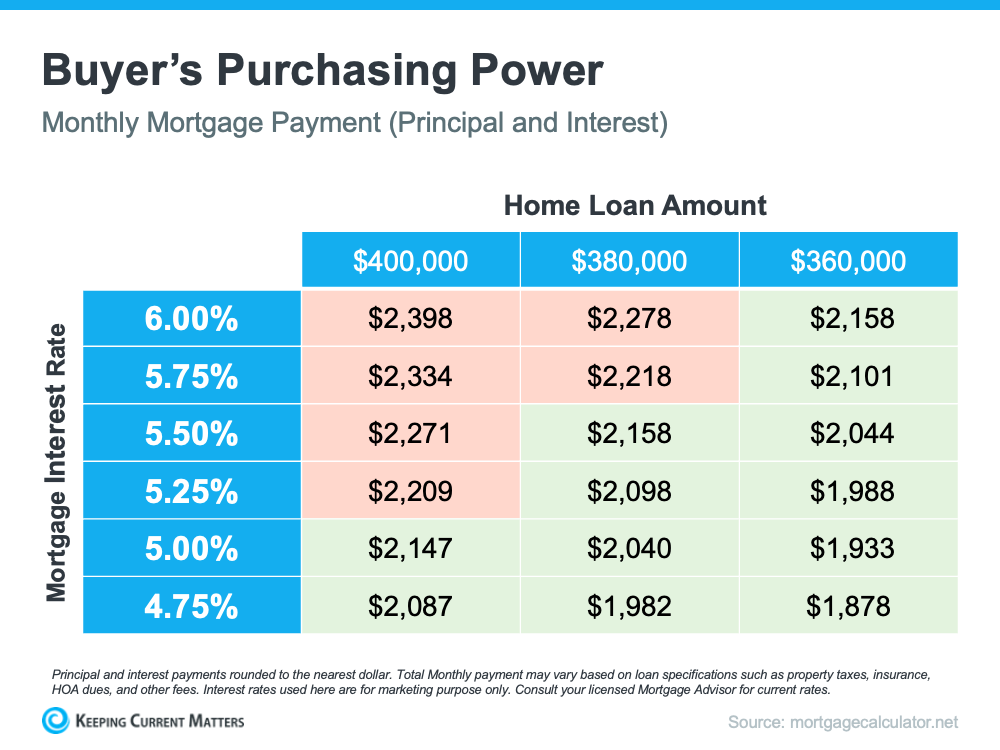
Your credit score is the primary lens through which a lender views your risk. There is often a significant “rate gap” between a borrower with a 760+ score and one with a 640 score. On a $400,000 loan, the difference between a 6.5% rate and a 7.5% rate can amount to over $250 per month. Before entering the market, it is essential to audit your credit report, reduce outstanding revolving debt, and ensure no late payments occur, as these actions directly translate into lower interest costs.
Loan-to-Value (LTV) Ratios and Down Payment Strategies
The more “skin in the game” you have, the less risk the lender perceives. A 20% down payment is the traditional threshold to avoid Private Mortgage Insurance (PMI), but it also signals financial maturity to the lender, often resulting in a lower interest rate. If you are on the cusp of a lower LTV bracket (e.g., moving from 10% down to 15%), it may be worth delaying a purchase to save the extra capital, as the resulting rate reduction can save thousands over time.
Mortgage Points: Paying Upfront to Save Long-Term
“Buying down the rate” is a strategy where the borrower pays “points” (prepaid interest) at closing in exchange for a lower permanent interest rate. One point typically costs 1% of the loan amount and reduces the rate by about 0.25%. This is a purely mathematical decision: you must calculate the “break-even point”—how many months of lower payments it will take to recoup the upfront cost of the points. If you plan to stay in the home for twenty years, buying points is often a brilliant financial move; if you plan to move in five, it is likely a waste of capital.
The Broader Financial Context: Is Now the Right Time to Buy?
In a high-rate environment, many prospective buyers find themselves paralyzed. However, the decision to enter the housing market should be based on a holistic view of your personal finance strategy rather than just the daily mortgage ticker.
Weighing Opportunity Cost in High-Rate Environments
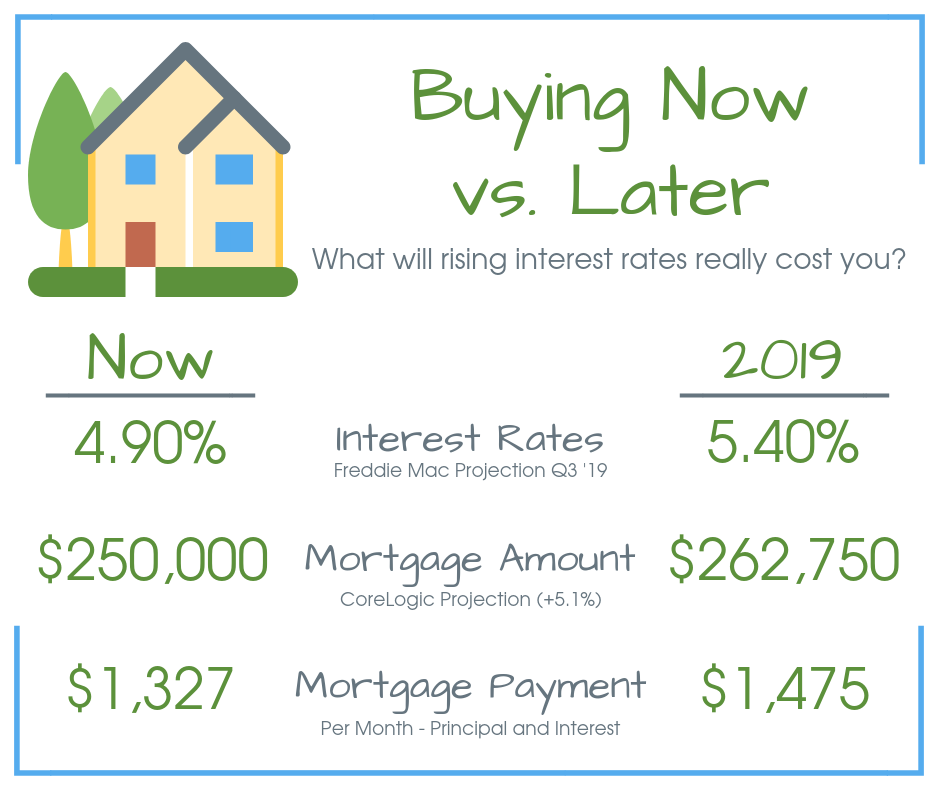
While today’s rates might be higher than the historical lows of 2020-2021, they must be viewed in the context of inflation and asset appreciation. If home prices are rising at 5% annually and your mortgage rate is 7%, the “real” cost of borrowing is much lower than it appears. Furthermore, waiting for rates to drop can be a double-edged sword: if rates fall, a flood of buyers may enter the market, driving home prices up and negating the savings from a lower interest rate.
Refinancing Outlook: The “Marry the House, Date the Rate” Philosophy
A popular sentiment in real estate finance is to “marry the house and date the rate.” This implies that while the purchase price of the home is fixed, the interest rate is not. If you find a property that meets your long-term needs and fits your current budget—even at a higher rate—you have the option to refinance into a lower-rate loan in the future if market conditions improve. This strategy requires a disciplined financial buffer, as there is no guarantee that rates will drop in the short term.
Building a Resilient Financial Strategy
Ultimately, “today’s mortgage rate” is just one component of a healthy financial plan. A resilient strategy involves maintaining a low debt-to-income (DTI) ratio, keeping an emergency fund that covers six months of the new mortgage payment, and ensuring that the total housing cost (including taxes and insurance) does not exceed 28-30% of your gross income. By focusing on these fundamentals, you ensure that you can weather any economic climate, regardless of what the daily mortgage rate happens to be.
Conclusion: Mastering the Variables of Home Finance
Understanding today’s mortgage rate requires a blend of macroeconomic awareness and personal financial discipline. While you cannot control the Federal Reserve’s decisions or the movement of the 10-year Treasury yield, you have total control over your creditworthiness, your choice of loan product, and your timing.
In the world of money, knowledge is the best hedge against volatility. By monitoring the factors that drive rates and optimizing your borrower profile, you can transform a complex financial hurdle into a calculated step toward long-term wealth building. Whether rates are 3% or 8%, the goal remains the same: leveraging debt responsibly to secure a stable, appreciating asset that serves your life and your future.
aViewFromTheCave is a participant in the Amazon Services LLC Associates Program, an affiliate advertising program designed to provide a means for sites to earn advertising fees by advertising and linking to Amazon.com. Amazon, the Amazon logo, AmazonSupply, and the AmazonSupply logo are trademarks of Amazon.com, Inc. or its affiliates. As an Amazon Associate we earn affiliate commissions from qualifying purchases.