
When consumers and investors ask, “What’s today’s interest rate?” they are rarely looking for a single numerical value. Instead, they are seeking to understand the cost of capital in an increasingly complex economic environment. Interest rates are the heartbeat of the global financial system; they dictate the flow of money, influence the price of assets, and determine the feasibility of both personal dreams and corporate expansions.
In the current economic climate, characterized by post-pandemic shifts and fluctuating inflation, understanding interest rates is no longer a niche requirement for bankers—it is a fundamental survival skill for anyone managing personal or business finances. This article explores the mechanics behind today’s rates, their impact on the housing market, the opportunities they create for savers, and the strategic shifts necessary for business leaders.
1. The Architecture of Interest Rates: How the “Number” is Determined
The interest rate you see on a mortgage application or a savings account dashboard does not exist in a vacuum. It is the result of a sophisticated interplay between central bank policy, inflationary expectations, and global market demand.
The Role of Central Banks and the Federal Funds Rate
At the center of the interest rate ecosystem is the central bank—in the United States, this is the Federal Reserve. The “benchmark” rate, often referred to as the Federal Funds Rate, is the interest rate at which commercial banks borrow and lend their excess reserves to each other overnight. While this rate isn’t what you pay on your credit card directly, it serves as the foundation. When the Fed raises this rate to combat inflation, the cost of borrowing increases across the board, from auto loans to corporate bonds.
Inflation and the Purchasing Power Paradigm
Inflation is the primary adversary of stable interest rates. When the prices of goods and services rise too quickly, the purchasing power of currency erodes. To cool an overheating economy, central banks raise interest rates, making it more expensive to borrow and spend. Conversely, in a stagnant economy, rates are lowered to encourage investment. Understanding “today’s rate” requires a look at the most recent Consumer Price Index (CPI) data, as the Fed’s primary mandate is to maintain price stability, typically targeting a 2% annual inflation rate.
The Yield Curve and Market Sentiments
Beyond official policy, the “market” has its own say through the bond market. The yield curve—a graphical representation of interest rates on debt for a range of maturities—reflects investor expectations about the future. An “inverted” yield curve, where short-term rates are higher than long-term rates, has historically been a harbinger of economic recession. Investors watch the 10-year Treasury note closely, as it influences long-term fixed-rate products like mortgages.
2. The Real Estate Ripple Effect: Mortgages and the Housing Market
For the average individual, the question of interest rates is most poignant when entering the real estate market. Mortgage rates are perhaps the most visible application of interest rate theory in daily life.
The Dynamics of Fixed-Rate vs. Adjustable-Rate Mortgages
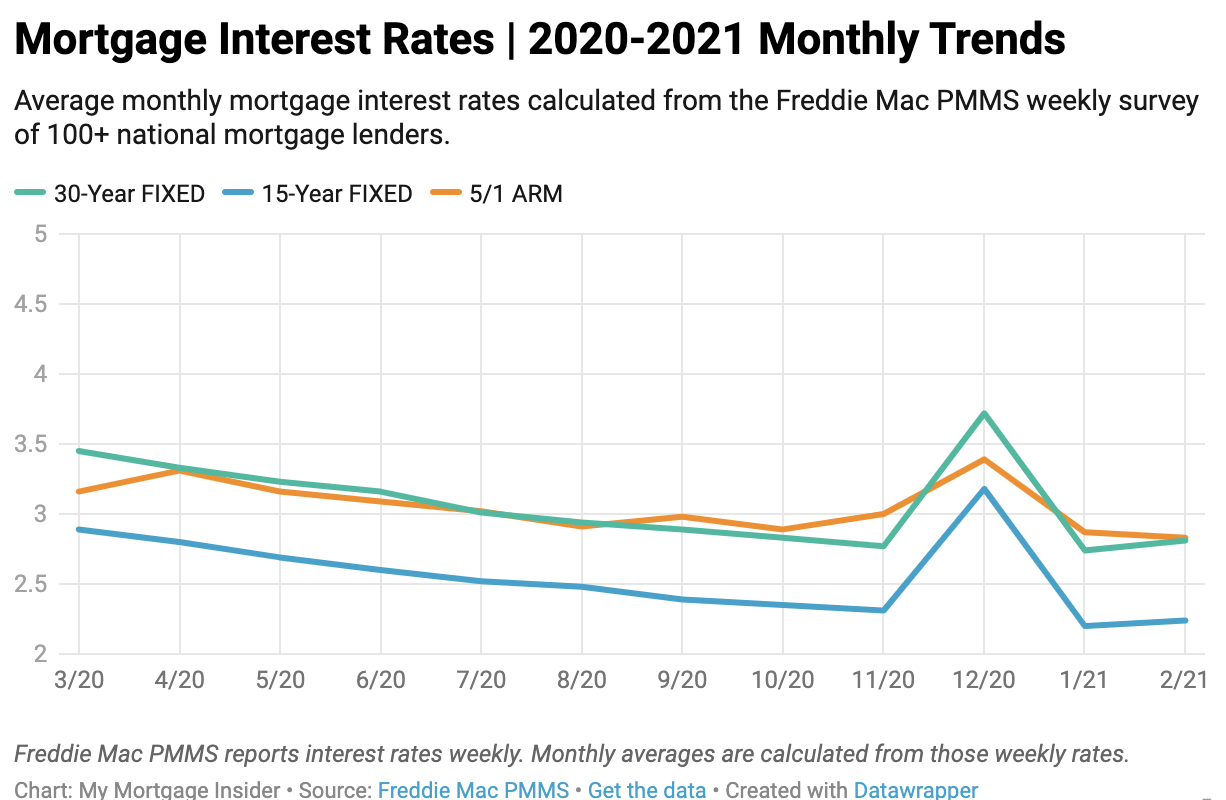
When rates are volatile, the choice between a 30-year fixed-rate mortgage and an Adjustable-Rate Mortgage (ARM) becomes critical. A fixed-rate mortgage provides the security of a consistent payment, shielding the homeowner from future rate hikes. However, when “today’s rate” is high, many buyers look toward ARMs, which offer a lower initial rate for a set period (usually 5 to 7 years). The risk, of course, is that if rates remain high or increase further when the adjustment period begins, the monthly payment could become unsustainable.
Housing Inventory and Buyer Purchasing Power
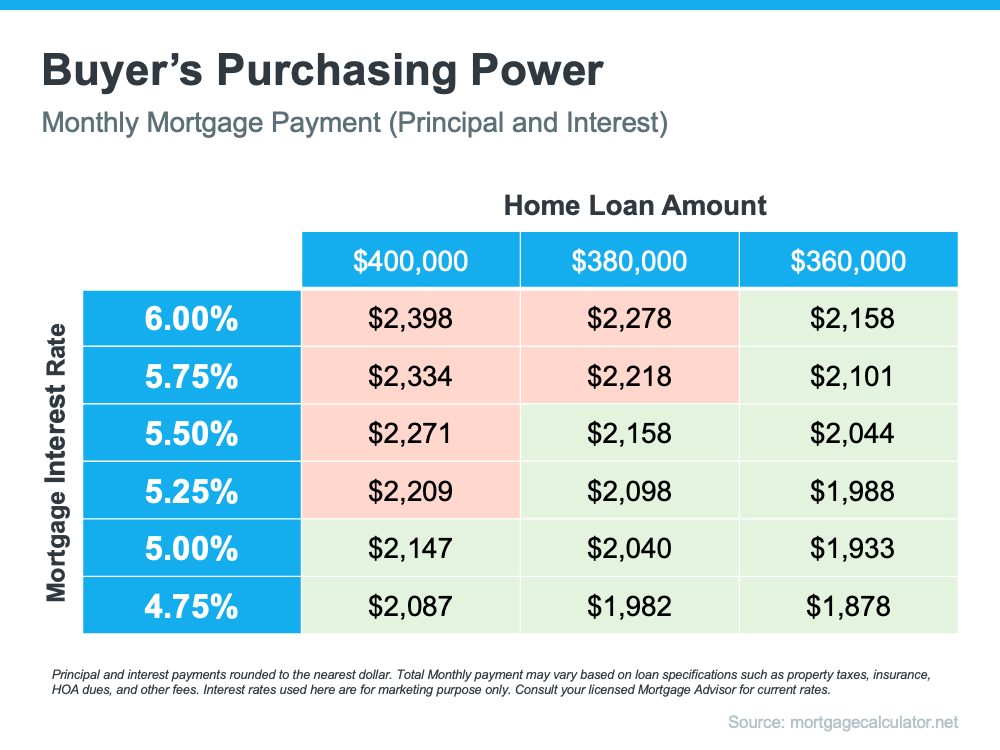
There is an inverse relationship between interest rates and purchasing power. For every 1% increase in interest rates, a buyer’s purchasing power typically decreases by about 10%. This means that as rates rise, the pool of eligible buyers shrinks, which theoretically should lower home prices. However, the current market has seen a unique phenomenon: many homeowners who locked in record-low rates during 2020-2021 are unwilling to sell and move into a new mortgage at today’s higher rates. This “lock-in effect” has constrained inventory, keeping prices high despite elevated interest rates.
Refinancing Strategies in a Shifting Market
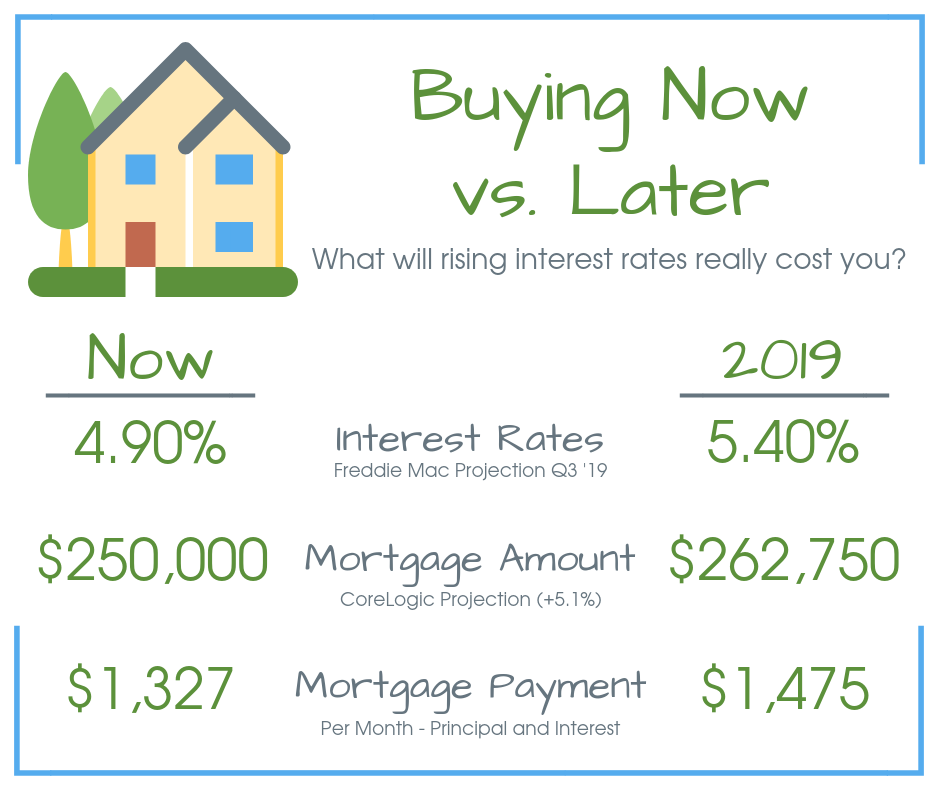
For existing homeowners, “today’s rate” is the benchmark for a potential refinance. The general rule of thumb used to be that a 1% drop in rates justified a refinance. In the modern era, with closing costs and the potential for “no-cost” refinances, the math has become more nuanced. Homeowners must calculate their “break-even point”—the time it takes for the monthly savings to cover the upfront costs of the new loan.
3. The Silver Lining: Maximizing Returns on Savings and Liquid Assets
While high interest rates are a burden for borrowers, they represent a golden age for savers. After a decade of near-zero interest rate policy (ZIRP), the ability to earn a meaningful return on cash has returned.
The Rise of High-Yield Savings Accounts (HYSAs)
Traditional “big-box” banks are often slow to raise the interest they pay on savings accounts. However, online-only banks and fintech platforms have leveraged today’s rates to offer High-Yield Savings Accounts (HYSAs) that pay significantly more than the national average. For someone with an emergency fund or a short-term savings goal, moving money from a 0.01% account to a 4.5% or 5.0% HYSA can result in hundreds or thousands of dollars in “passive” income per year.
Certificates of Deposit (CDs) and Bond Ladders
When there is a consensus that interest rates have peaked, it becomes an opportune time to “lock in” yields. Certificates of Deposit (CDs) allow savers to guarantee a specific rate for a term ranging from three months to five years. A popular strategy in this environment is “laddering”—buying CDs with different maturity dates. This provides liquidity at regular intervals while still capturing the high yields available in the current market.
The Impact on Fixed-Income Investing
For investors, the interest rate environment dictates the performance of the bond market. When rates rise, existing bonds with lower coupons become less attractive, and their market value drops. Conversely, new bonds issued today offer higher yields. For those in or near retirement, the ability to build a portfolio of high-quality corporate or government bonds that yields 5% or more provides a level of income security that was impossible just a few years ago.
4. Business Finance and Corporate Strategy in a High-Rate Era
The question of “today’s interest rate” is a daily consideration for CFOs and business owners. The cost of capital influences everything from payroll expansion to Research and Development (R&D).
Cost of Capital and Investment Hurdle Rates
Every project a business undertakes must have a projected Return on Investment (ROI) that exceeds the cost of the capital used to fund it. As interest rates rise, the “hurdle rate” also rises. Projects that seemed viable when money was “cheap” (at 2-3% interest) may no longer make sense at 7-8%. This leads to a more disciplined approach to corporate spending, where only the most efficient and profitable projects receive funding.
Debt Restructuring and Cash Flow Management
Companies that relied on short-term, floating-rate debt are currently facing significant pressure on their cash flows. Strategic financial management now involves migrating floating-rate debt to fixed-rate debt where possible, or utilizing interest rate swaps to hedge against further increases. For small businesses, the cost of an SBA loan or a business line of credit is directly tied to the prime rate, making efficiency and profit margins more important than ever.
The Venture Capital and Startup Ecosystem
In the tech and startup world, high interest rates have fundamentally changed the “growth at all costs” mentality. When interest rates are high, investors have alternatives (like “safe” government bonds) that offer decent returns. Consequently, they demand higher potential returns and more immediate profitability from startups. This has led to a “flight to quality,” where only the most robust business models are receiving funding, a stark contrast to the speculative bubble environments of low-rate years.
Conclusion: Developing a Proactive Financial Mindset
“What’s today’s interest rate?” is not just a query for a search engine; it is a gateway to understanding the broader economic forces that shape our lives. Whether you are a first-time homebuyer navigating the complexities of a mortgage, a saver looking to protect your hard-earned capital from inflation, or a business owner planning for the next fiscal year, interest rates are the primary variable in your equation.
The key to financial success in a fluctuating rate environment is agility. By staying informed about central bank signals, understanding the different types of debt and savings vehicles, and maintaining a long-term perspective on market cycles, you can turn the challenges of high rates into opportunities for growth. Interest rates will continue to rise and fall as the economy breathes, but those who understand the “why” behind the “what” will always be best positioned to thrive.
aViewFromTheCave is a participant in the Amazon Services LLC Associates Program, an affiliate advertising program designed to provide a means for sites to earn advertising fees by advertising and linking to Amazon.com. Amazon, the Amazon logo, AmazonSupply, and the AmazonSupply logo are trademarks of Amazon.com, Inc. or its affiliates. As an Amazon Associate we earn affiliate commissions from qualifying purchases.