
For over a century, TIAA (Teachers Insurance and Annuity Association of America) has stood as a cornerstone of the American financial services sector, particularly within the realms of academia, research, medical, and cultural fields. While many individuals recognize the name from their employer-sponsored retirement plans, the scope, structure, and strategic importance of TIAA extend far beyond simple record-keeping. As a Fortune 100 financial services organization, TIAA manages over $1 trillion in assets, serving millions of individuals and thousands of institutional clients. Understanding TIAA requires looking at its unique non-profit heritage, its massive investment arm, and its role as a pioneer in the retirement income space.
The Foundations of TIAA: A Mission-Driven Financial Legacy
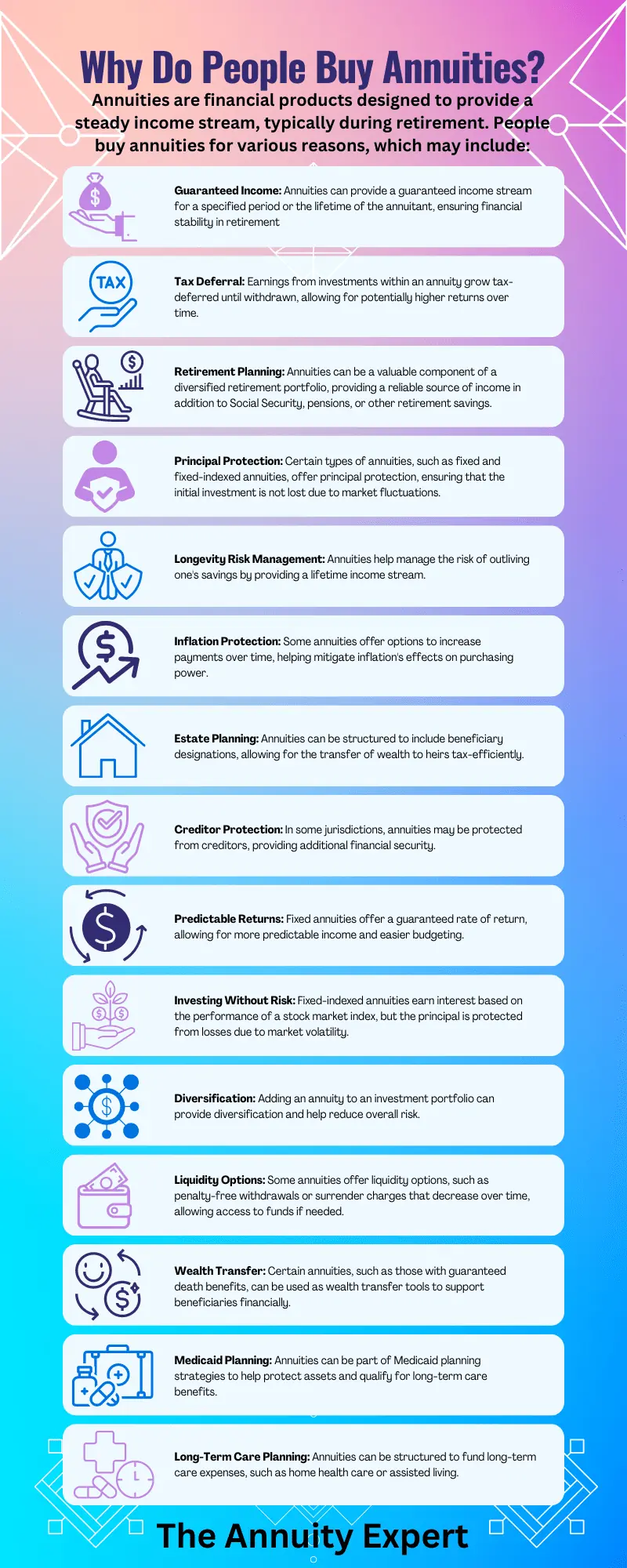
TIAA’s origins are fundamentally different from most Wall Street entities. Founded in 1918 by Andrew Carnegie and the Carnegie Foundation for the Advancement of Teaching, the organization was established to solve a critical social problem: the lack of financial security for educators in their old age. At the turn of the 20th century, professors often worked until death or lived in poverty upon retirement. TIAA was created to provide a reliable pension system, essentially introducing the concept of portable retirement benefits to the American workforce.
The Evolution of the “Participant-First” Model
Unlike publicly traded financial firms that must prioritize shareholder profits, TIAA operates under a unique structure where it distributes a portion of its profits back to its participants. This model is rooted in its historical identity as a non-profit-governed entity. While TIAA has expanded into various commercial financial services, its core mission remains centered on the long-term financial well-being of those who serve the public good. This “participant-first” philosophy influences everything from their fee structures to their long-term investment horizons.
The Introduction of CREF and Variable Annuities
In 1952, TIAA reached a major milestone by creating the College Retirement Equities Fund (CREF), which launched the world’s first variable annuity. This was a revolutionary development in personal finance. Before CREF, retirement plans were primarily fixed-income products. The introduction of the variable annuity allowed participants to invest in a diversified portfolio of common stocks, providing a hedge against inflation and the opportunity for greater long-term growth. This dual-engine approach—fixed income through TIAA and equity growth through CREF—became the blueprint for modern retirement planning.
Core Financial Products: Beyond the Standard 403(b)
Most people encounter TIAA through a 403(b) plan, which is the non-profit equivalent of a 401(k). However, the specific products TIAA offers within these plans are what distinguish it from competitors like Fidelity or Vanguard.
TIAA Traditional: The Bedrock of Guaranteed Income
The flagship product of the organization is the TIAA Traditional Annuity. This is a fixed annuity that provides a guaranteed minimum interest rate plus the potential for additional amounts declared by the TIAA Board of Trustees. Unlike a standard savings account or a bond fund, TIAA Traditional is designed to provide “living-benefit” guarantees. Participants can choose to convert their balance into a lifetime stream of income that they cannot outlive. This focus on “retirement income” rather than just “retirement savings” is a critical distinction in personal finance strategy.
The CREF Variable Annuity Suites
Under the CREF umbrella, TIAA offers several accounts that function similarly to mutual funds but are structured as variable annuities. These include:
- The CREF Stock Account: A broadly diversified equity portfolio.
- The CREF Global Equities Account: Focused on international market growth.
- The CREF Social Choice Account: One of the industry’s first major socially responsible investment (SRI) funds.
- The CREF Money Market and Bond Accounts: Designed for capital preservation and income.
By utilizing these accounts, participants can build a balanced portfolio that targets both capital appreciation during their working years and a predictable transition into the payout phase once they retire.
Individual Wealth Management and Life Insurance
In recent decades, TIAA has expanded its reach to offer services to the general public and more comprehensive planning for its core members. This includes TIAA Bank (now operating as EverBank following a divestiture), brokerage services, and individual life insurance products. Their life insurance arm focuses on term and universal life policies, often ranking high in terms of financial strength and claims-paying ability.
Nuveen and the Power of Institutional Asset Management
A major turning point in TIAA’s modern history was the acquisition of Nuveen in 2014. This move transformed TIAA from a retirement-focused organization into one of the world’s largest and most diversified global asset managers. Nuveen operates as the investment management arm of TIAA, managing hundreds of billions of dollars across various asset classes.
Specialized Asset Classes: Real Estate, Farmland, and Timber
What sets Nuveen (and by extension, TIAA) apart in the “Money” niche is their heavy emphasis on “real assets.” While many individual investors are limited to stocks and bonds, TIAA participants gain exposure to:
- Commercial Real Estate: TIAA is one of the largest managers of commercial real estate in the world, owning high-profile office buildings, retail spaces, and residential complexes.
- Agriculture and Farmland: TIAA is a global leader in farmland investment, owning millions of acres across the United States, South America, and Australia.
- Timberland: Through its specialized subsidiaries, TIAA manages vast timber holdings, providing an inflation-hedged asset class that is uncorrelated with traditional stock market movements.
Leadership in ESG and Impact Investing
TIAA and Nuveen have long been at the forefront of Environmental, Social, and Governance (ESG) investing. They utilize their massive scale to influence corporate behavior, advocating for better climate policies, board diversity, and transparent governance. For the individual investor, this means TIAA offers a robust suite of funds that allow for “values-based” investing without necessarily sacrificing the competitive returns required for a secure retirement.
Navigating Fees, Performance, and Financial Stability
When evaluating any financial institution, three factors are paramount: cost, performance, and stability. TIAA’s performance in these areas is a subject of significant interest for personal finance professionals and individual investors alike.
Expense Ratios and the Cost of Management
TIAA is generally known for having lower-than-average expense ratios, particularly when compared to other insurance-based retirement providers. Because they do not have a traditional corporate profit-sharing structure, they are able to keep costs competitive. However, it is essential for participants to distinguish between their institutional retirement plans (which often have very low fees) and their retail or individual products, which may carry different cost structures.
Financial Strength and Credit Ratings
In the world of insurance and annuities, “claims-paying ability” is the ultimate metric of success. TIAA consistently receives the highest possible ratings from major credit agencies, such as A.M. Best, Moody’s, and S&P Global. This financial fortress is built on a conservative investment philosophy and a massive reserve of capital, providing peace of mind for those who rely on the “guaranteed” portions of their TIAA contracts.
Performance Comparisons
While TIAA Traditional provides stability, the performance of CREF accounts is often compared to Vanguard or Fidelity index funds. Historically, CREF accounts have performed well, though they are often actively managed or semi-indexed. Investors should regularly review their TIAA “Personal Rate of Return” to ensure their asset allocation aligns with their risk tolerance and long-term financial goals.
The Strategic Importance of TIAA in a Modern Portfolio
For many professionals, TIAA is not just a place to save; it is a strategic tool for comprehensive wealth management. The ability to mix liquid market investments with illiquid real assets and guaranteed annuities provides a level of diversification that is difficult to replicate in a standard brokerage account.
The Role of Guaranteed Income in Retirement
In an era where traditional pensions are disappearing, TIAA’s focus on the lifetime annuity is its greatest value proposition. Financial planners often speak of the “retirement income gap”—the difference between Social Security and an individual’s required lifestyle spending. TIAA’s ability to “pensionize” a portion of a 403(b) account allows individuals to create their own personal pension, mitigating the risk of outliving their assets.
Adapting to the Digital Age
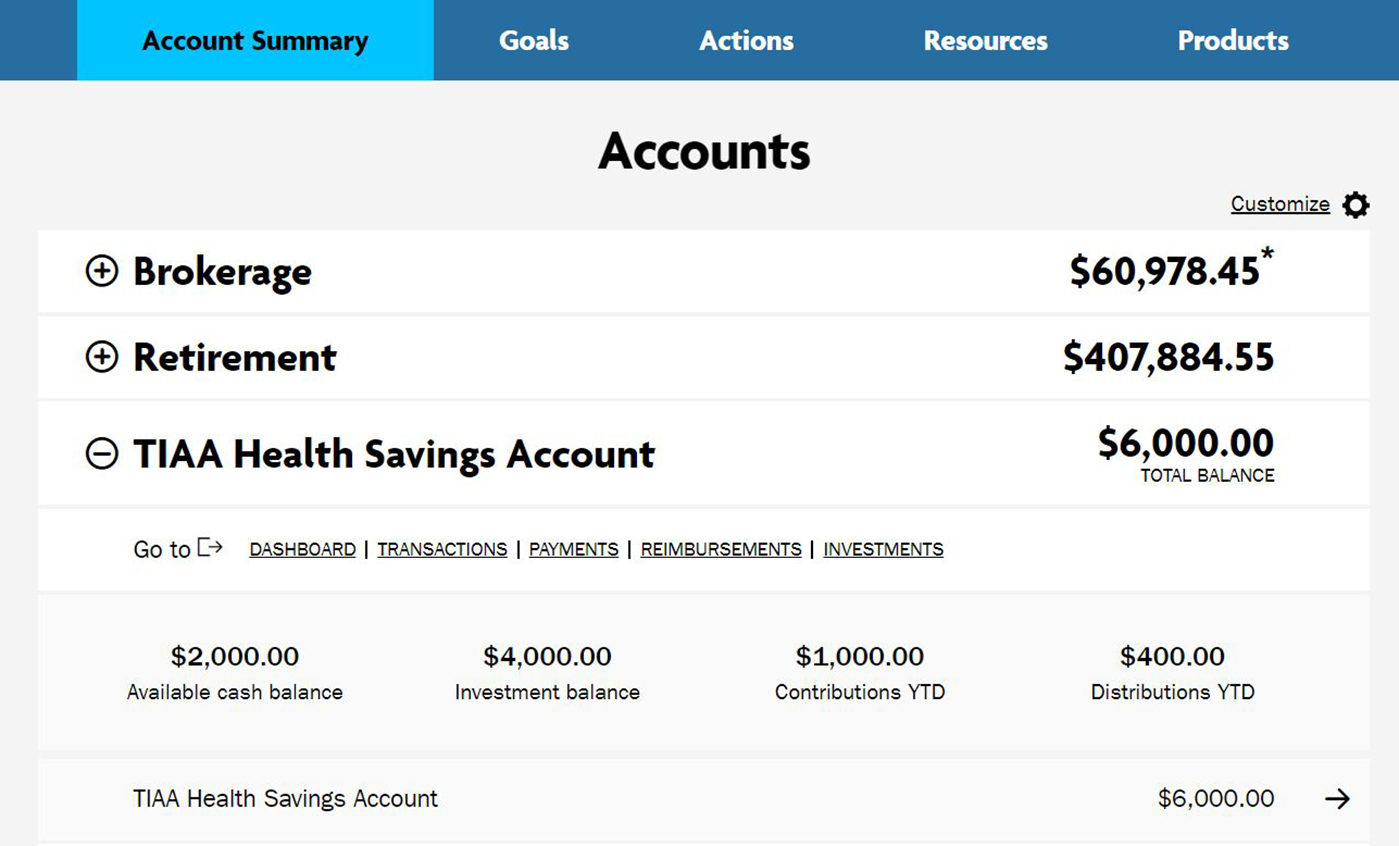
TIAA has invested heavily in financial technology (FinTech) to provide participants with more robust planning tools. From AI-driven retirement gap calculators to sophisticated portfolio rebalancing software, the TIAA web portal and mobile app have evolved to meet the expectations of a tech-savvy generation of investors. They have also expanded their advisory services, offering both robo-advice for smaller accounts and dedicated wealth management for high-net-worth individuals.
Conclusion: TIAA as a Pillar of Financial Security
TIAA remains a unique entity in the financial world. It sits at the intersection of an insurance company, a mutual fund complex, and a global institutional asset manager. Its history of serving those in the “knowledge economy”—teachers, researchers, and healthcare workers—has given it a distinct culture focused on long-term outcomes rather than short-term market noise.
Whether you are a young professional just starting your first job at a university or a retiree looking to secure a lifetime income stream, understanding the mechanics of TIAA is essential. By leveraging their unique products like TIAA Traditional, benefiting from the institutional scale of Nuveen, and utilizing their planning resources, investors can build a financial foundation that is both resilient to market volatility and capable of providing security for a lifetime. TIAA isn’t just a retirement company; for many, it is the primary engine for generational wealth and financial independence.
aViewFromTheCave is a participant in the Amazon Services LLC Associates Program, an affiliate advertising program designed to provide a means for sites to earn advertising fees by advertising and linking to Amazon.com. Amazon, the Amazon logo, AmazonSupply, and the AmazonSupply logo are trademarks of Amazon.com, Inc. or its affiliates. As an Amazon Associate we earn affiliate commissions from qualifying purchases.