
The stock market, often perceived as a complex and intimidating realm dominated by financial titans, is, at its core, an essential mechanism for economic growth and wealth creation. Far from being a mere playground for speculation, it is a sophisticated ecosystem where companies raise capital to innovate and expand, and individuals and institutions invest their savings with the aim of achieving financial security and prosperity. Understanding the stock market is not just for aspiring investors; it’s fundamental to comprehending the broader economy, personal finance, and the dynamics that shape our financial futures. This article aims to demystify the stock market, breaking down its components, functions, and significance in a professional, insightful, and engaging manner.
Demystifying the Stock Market: A Core Component of Global Finance
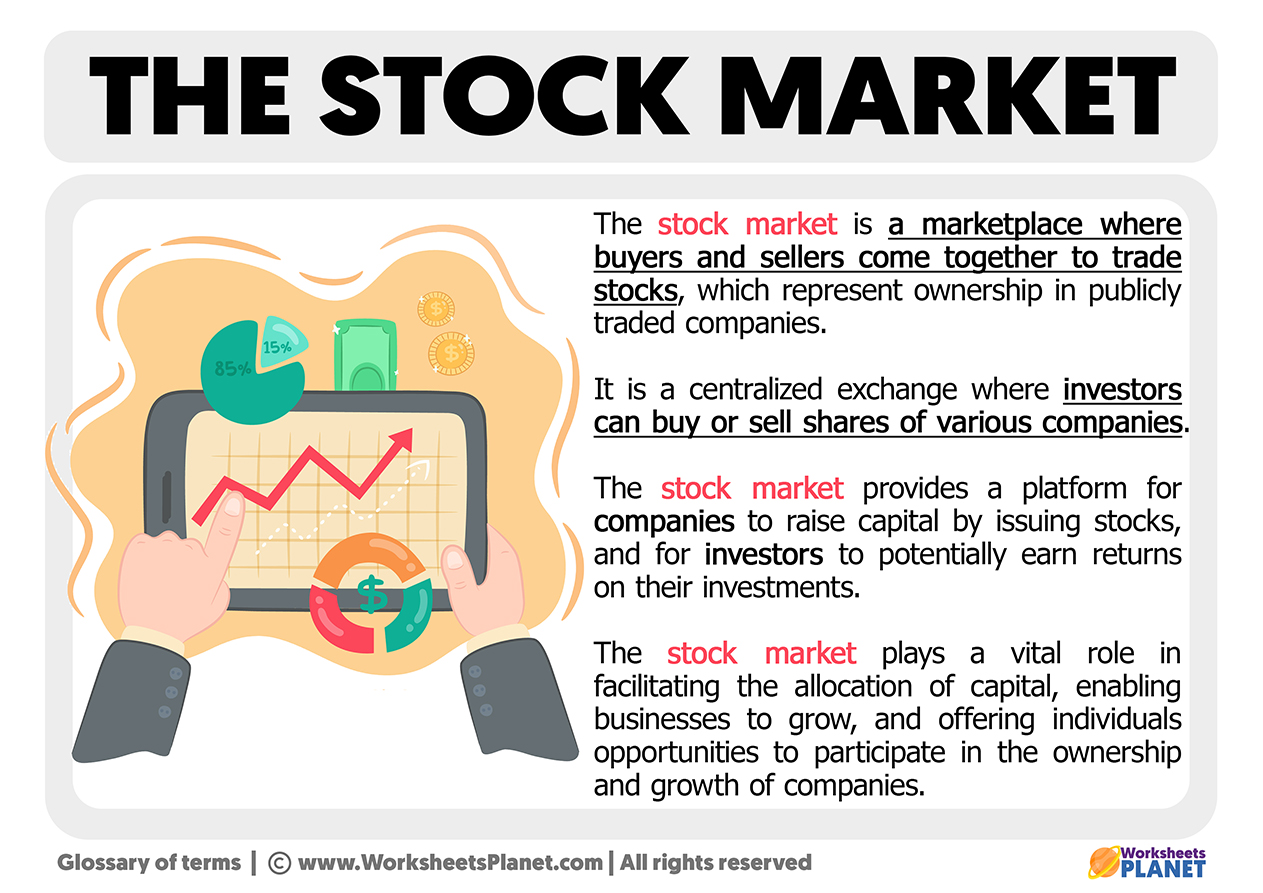
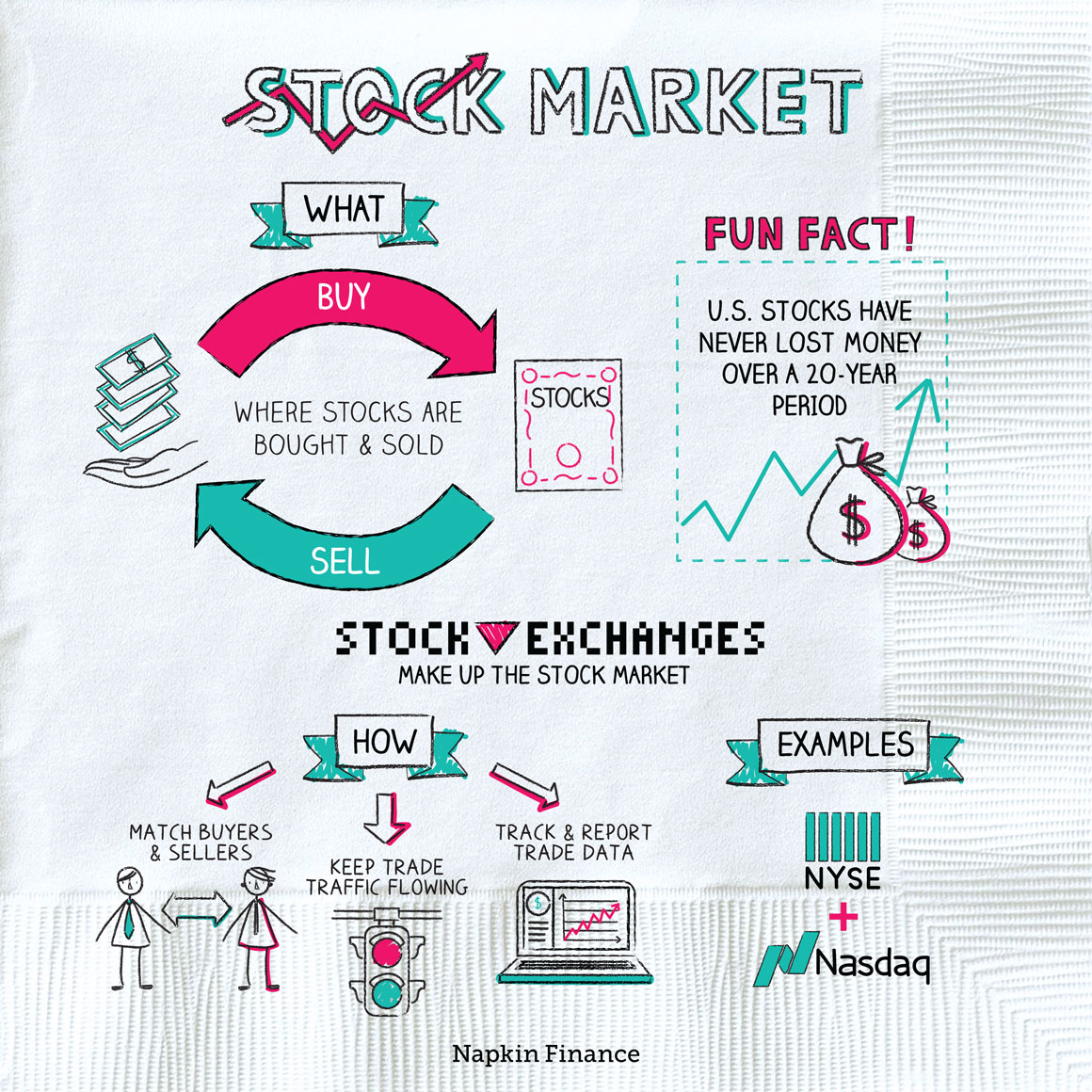
At its simplest, the stock market is a collection of exchanges and other venues where stocks (shares of ownership in publicly-traded companies) are bought and sold. It’s a vast, global network that facilitates the exchange of billions of dollars worth of securities daily.
Beyond the Headlines: Defining the Stock Market
A stock market is essentially a public marketplace for the trading of company stocks and derivatives. It allows businesses to raise capital by issuing shares to the public, and it provides investors with a liquid platform to buy and sell those shares. When you buy a company’s stock, you are purchasing a small slice of ownership in that company. As an owner, you have a claim on a portion of the company’s assets and earnings, and potentially the right to vote on certain corporate matters. The primary purpose of the stock market is twofold: for companies to obtain financing for growth and operations, and for investors to grow their wealth through capital appreciation and dividends.
The Ecosystem of Exchanges: Where Stocks Trade
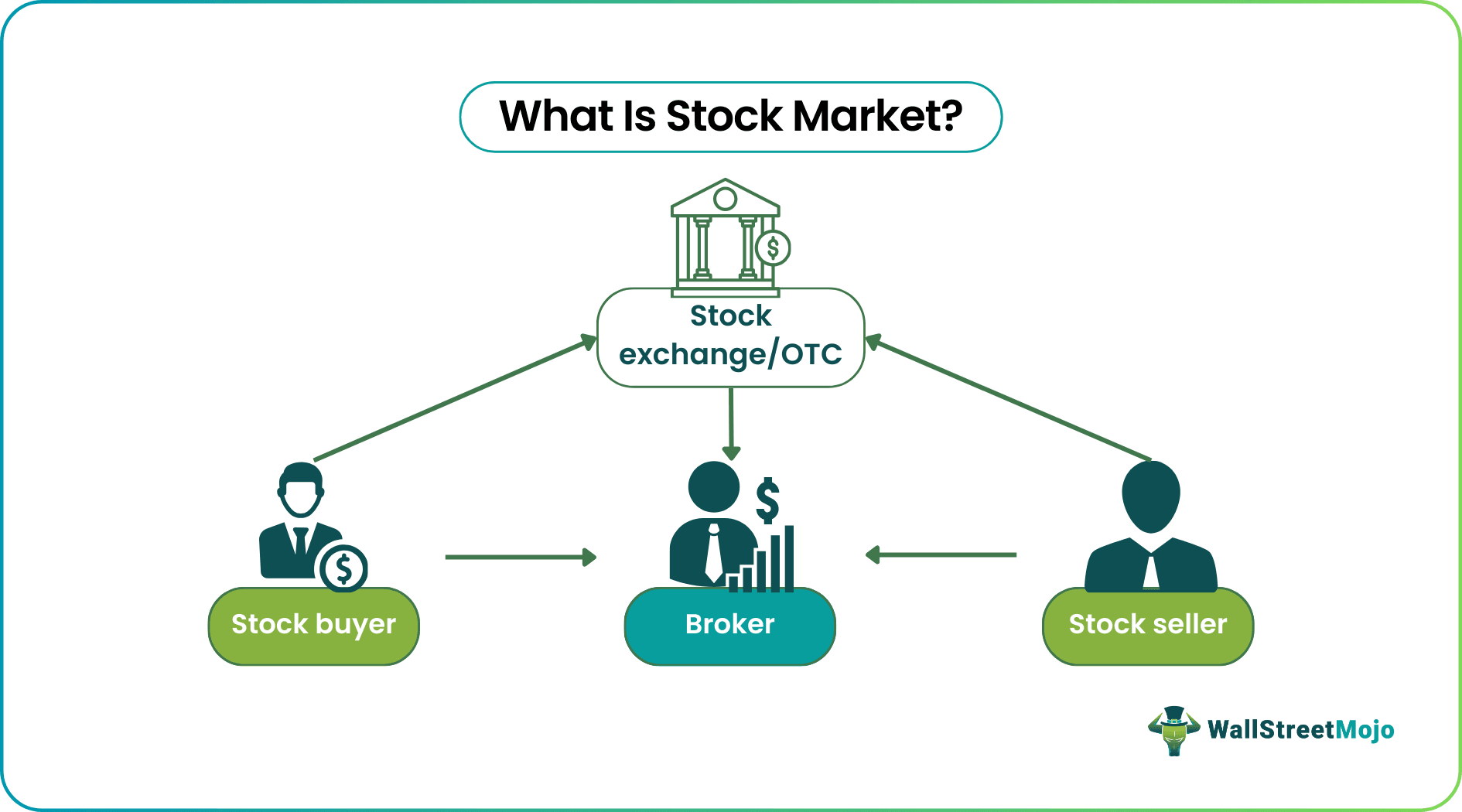
The stock market isn’t a single physical location but rather a network of exchanges. Each exchange is an organized marketplace where listed securities are traded according to a set of rules. Globally, prominent examples include the New York Stock Exchange (NYSE) and Nasdaq in the United States, the London Stock Exchange (LSE), the Japan Exchange Group (JPX), and the Shanghai Stock Exchange (SSE). These exchanges provide the infrastructure for trades, ensuring fairness, transparency, and efficiency. They list companies after rigorous checks, allowing their shares to be publicly traded. Brokers act as intermediaries, connecting buyers and sellers on these exchanges.
Participants and Their Roles: Who Drives the Market?
The stock market is driven by a diverse group of participants, each with distinct motivations and roles. Individual investors, often referred to as retail investors, invest their personal savings, typically through brokerage accounts, aiming for retirement planning, long-term wealth accumulation, or specific financial goals. Institutional investors, on the other hand, manage vast sums of money on behalf of others; this category includes mutual funds, hedge funds, pension funds, and insurance companies. Their trading volumes significantly influence market movements. Corporations themselves participate by issuing new shares (IPOs) or buying back their own stock. Finally, market makers and brokers facilitate trades, providing liquidity and ensuring an orderly market.
How the Stock Market Functions: Mechanics of Trading
Understanding the ‘what’ is incomplete without delving into the ‘how’. The mechanics of stock trading, though complex in execution, are based on straightforward economic principles.
Shares and Ownership: What You Actually Buy
When you buy a stock, you are purchasing a “share” – a unit of ownership in a company. For example, if a company issues 1 million shares and you buy 1,000, you own 0.1% of that company. This ownership entitles you to a proportionate claim on the company’s future earnings and assets. Shares can increase in value (capital appreciation) if the company performs well or if market sentiment is positive. Companies may also distribute a portion of their profits to shareholders in the form of dividends. This fractional ownership is what makes the stock market a powerful tool for wealth creation; as the company grows, so too can the value of your investment.
Supply, Demand, and Price Discovery: The Invisible Hand
Stock prices are primarily determined by the forces of supply and demand, much like any other commodity. If more investors want to buy a particular stock than sell it (high demand, low supply), its price will generally rise. Conversely, if more investors want to sell a stock than buy it (low demand, high supply), its price will likely fall. This constant interplay of buying and selling orders leads to “price discovery,” where the market continuously determines the fair value of a company’s shares based on all available information and collective investor sentiment. News about a company’s earnings, economic reports, industry trends, and even geopolitical events can all influence supply and demand dynamics, causing prices to fluctuate.
Orders and Execution: Buying and Selling in Action
To buy or sell a stock, investors place orders through a brokerage firm. The most common types of orders are market orders and limit orders. A market order is an instruction to buy or sell a stock immediately at the best available current price. While simple, it offers no price guarantee, especially in volatile markets. A limit order, conversely, specifies a maximum price you’re willing to pay when buying or a minimum price you’re willing to accept when selling. This provides more control over the price, but there’s no guarantee the order will be executed if the market price doesn’t reach your specified limit. Once an order is placed and matched with a counter-party, the trade is executed, and ownership is transferred, typically settling within two business days (T+2).
Key Players and Their Motivations
The tapestry of the stock market is woven from the diverse interests and strategies of its participants, each contributing to its vibrancy and complexity.
Individual Investors: Building Personal Wealth
Millions of individual investors participate in the stock market with a primary goal: to grow their personal wealth. Their motivations can range from saving for retirement, a child’s education, or a down payment on a house, to simply achieving financial independence. While some engage in short-term trading, the vast majority adopt a long-term investment horizon, leveraging the power of compounding returns. They often invest through diversified portfolios of stocks, mutual funds, or exchange-traded funds (ETFs) to mitigate risk and achieve consistent growth over decades.
Institutional Investors: Driving Large-Scale Capital
Institutional investors are professional entities that manage money on behalf of clients or members. This group includes pension funds (managing retirement savings), mutual funds (pooling money from multiple investors to invest in a diversified portfolio), hedge funds (using advanced strategies to generate high returns), and insurance companies (investing premiums to meet future claims). These institutions wield immense financial power, and their investment decisions can significantly impact market trends and individual stock prices due to the sheer volume of capital they deploy. Their strategies are often more complex and involve extensive research and analysis.
Corporations: Raising Capital and Fueling Growth
For companies, the stock market is a vital source of capital. By issuing shares to the public through an Initial Public Offering (IPO), a private company transforms into a public entity, raising substantial funds without incurring debt. This capital can be used to fund research and development, expand operations, acquire other businesses, or reduce existing debt. After an IPO, companies can conduct secondary offerings to raise additional capital. The stock market also provides a way for companies to offer employees stock options, aligning employee incentives with shareholder interests and fostering a sense of ownership.
The Stock Market’s Economic Impact and Broader Implications
The stock market is more than just a place to buy and sell shares; it’s a critical barometer of economic health and a catalyst for progress.
Fueling Economic Growth: Capital Allocation
One of the most profound roles of the stock market is its ability to facilitate capital allocation. It channels savings from investors to productive enterprises, enabling companies to invest in new technologies, create jobs, and expand their operations. This efficient allocation of capital is a cornerstone of economic growth and innovation. Without the stock market, businesses would have fewer avenues to secure the funding needed for expansion, potentially stifling economic progress and reducing overall prosperity. It acts as an engine, transforming individual investments into societal benefits.
A Barometer of Economic Health: Interpreting Market Movements
The stock market is widely considered a leading economic indicator, meaning it often anticipates future economic conditions. A rising market can signal investor confidence in future corporate earnings and economic stability, while a declining market might suggest impending economic challenges or uncertainty. Analysts and policymakers closely monitor stock market performance as a gauge of investor sentiment, corporate profitability, and the overall health of the economy. However, it’s crucial to remember that the market can be influenced by sentiment and speculation, and its movements don’t always perfectly align with real-world economic conditions.
Risks and Rewards: Navigating Volatility
Investing in the stock market comes with inherent risks, primarily the risk of losing capital. Stock prices can be volatile, fluctuating significantly due to company-specific news, industry trends, economic data, or broader geopolitical events. However, with risk comes the potential for substantial rewards. Historically, the stock market has offered higher returns over the long term compared to other asset classes like bonds or savings accounts. Understanding and managing risk through diversification, asset allocation, and a long-term perspective is paramount for successful investing. Patience and a rational approach are often more valuable than attempting to time the market.
Getting Started in the Stock Market: A Practical Approach
For those looking to enter the world of investing, a structured and informed approach is essential.
Education First: Understanding the Fundamentals
Before investing a single dollar, prioritize financial education. Learn about different types of investments (stocks, bonds, mutual funds, ETFs), understand financial terminology, and grasp concepts like risk tolerance, diversification, and compounding. Resources abound, from reputable financial news outlets and educational websites to books and online courses. A solid foundation of knowledge empowers you to make informed decisions and avoid common pitfalls. Do your research, understand the companies you’re interested in, and never invest in something you don’t understand.
Setting Financial Goals: Why Are You Investing?
Clarity regarding your financial goals is crucial. Are you saving for retirement 30 years from now? A down payment in five years? Or a shorter-term objective? Your goals will dictate your investment horizon, risk tolerance, and the types of investments suitable for your portfolio. Long-term goals generally allow for more aggressive, growth-oriented investments, while shorter-term goals often necessitate more conservative, capital-preserving strategies. Define your objectives clearly, as they will serve as your compass in the vast investment landscape.
Choosing the Right Tools: Brokers and Platforms
To invest in the stock market, you’ll need a brokerage account. Online discount brokers have democratized investing, offering low-cost or commission-free trading platforms. When choosing a broker, consider factors such as fees, the range of investment products offered, user-friendliness of the platform, research tools, and customer service. Robo-advisors offer an automated, algorithm-driven approach to portfolio management, ideal for beginners or those who prefer a hands-off approach. For more personalized guidance, a traditional financial advisor might be suitable, though they typically come with higher fees.
Strategies for Success: Diversification and Long-Term Vision
Successful investing often boils down to two key principles: diversification and a long-term vision. Diversification involves spreading your investments across various asset classes, industries, and geographies to reduce risk. The adage “don’t put all your eggs in one basket” is particularly relevant here. A diversified portfolio is less susceptible to the poor performance of any single investment. Coupled with diversification, maintaining a long-term perspective is vital. History shows that despite short-term fluctuations and market corrections, the stock market tends to trend upwards over extended periods. Regular contributions (dollar-cost averaging) and allowing the power of compounding to work its magic are powerful strategies for building substantial wealth over time. Resist the urge to panic sell during downturns; instead, view them as opportunities.
The stock market, in essence, is a dynamic and evolving engine of global finance. While it demands respect for its complexities and risks, it simultaneously offers unparalleled opportunities for wealth accumulation and economic participation. By understanding its fundamental workings, setting clear goals, and adopting a disciplined approach, anyone can navigate this powerful landscape and harness its potential to build a more secure financial future.
aViewFromTheCave is a participant in the Amazon Services LLC Associates Program, an affiliate advertising program designed to provide a means for sites to earn advertising fees by advertising and linking to Amazon.com. Amazon, the Amazon logo, AmazonSupply, and the AmazonSupply logo are trademarks of Amazon.com, Inc. or its affiliates. As an Amazon Associate we earn affiliate commissions from qualifying purchases.