
To understand what the stock market looks like today, one must look beyond the daily fluctuations of the Dow Jones Industrial Average or the S&P 500. Today’s market is a complex tapestry woven from macroeconomic policy, rapid technological evolution, and shifting consumer behaviors. For the modern investor, the current landscape is characterized by a “new normal”—an environment where the era of zero-percent interest rates has ended, and the focus has shifted toward fundamental profitability, resilient business models, and the transformative potential of artificial intelligence.
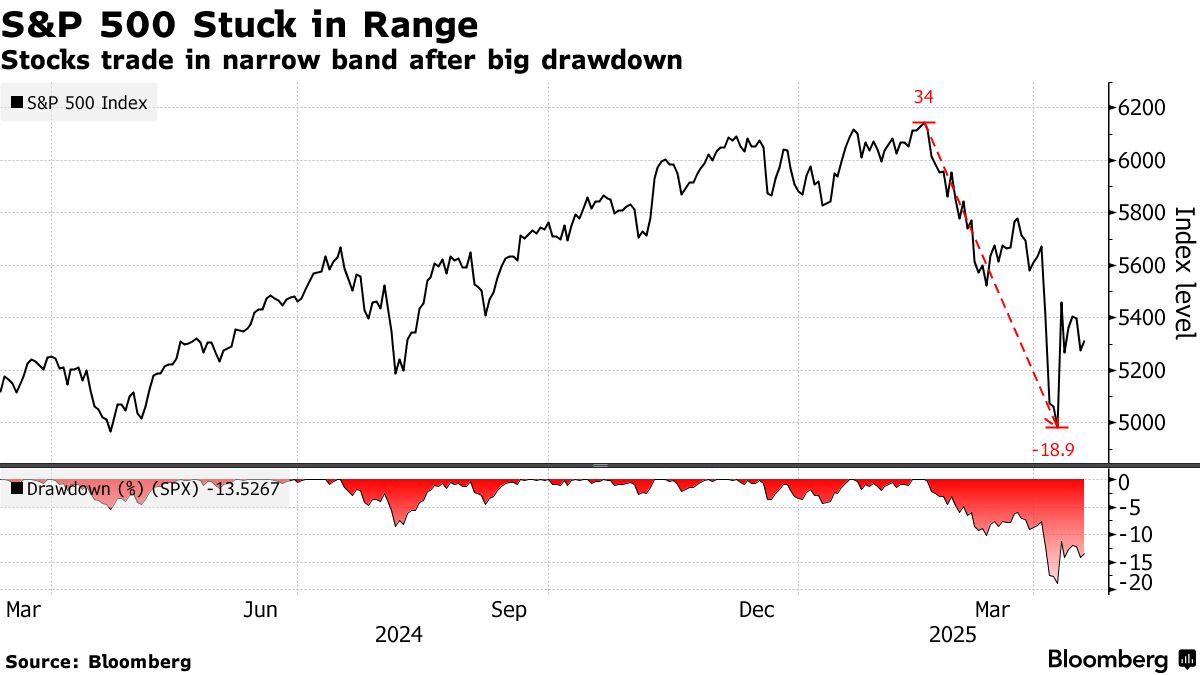
Navigating this terrain requires an appreciation for the nuances of market breadth, the impact of central bank decisions, and the technical indicators that signal where the smart money is moving. Whether you are a seasoned institutional trader or a retail investor managing a personal portfolio, understanding the current state of the market is essential for making informed financial decisions.
The Macroeconomic Pulse: Interest Rates and the “Higher for Longer” Narrative
The most significant driver of today’s stock market is the Federal Reserve’s monetary policy. After a decade of historically low interest rates, the landscape shifted dramatically in response to post-pandemic inflationary pressures. Today, the market is grappling with the reality of “higher for longer” interest rates, a phrase that has become a mantra for analysts and economists alike.
The Federal Reserve and Monetary Policy
The Federal Reserve’s dual mandate of maintaining price stability and promoting maximum employment is the fulcrum upon which the stock market tilts. Currently, investors are hyper-focused on the Fed’s dot plot and various economic data releases, such as the Consumer Price Index (CPI) and the Producer Price Index (PPI). When interest rates are elevated, the cost of borrowing increases for corporations, which can compress profit margins and slow down expansion plans. Consequently, valuations of growth-oriented stocks—those that rely on future earnings—often come under pressure when rates rise.
Inflationary Pressures and Labor Market Resilience
Inflation remains the “white whale” for today’s market. While the peak inflation seen in recent years has cooled, “sticky” inflation in services and housing continues to pose a challenge. Paradoxically, a strong labor market, while positive for the economy, can sometimes lead the stock market to dip, as it suggests the Fed may need to keep rates high to prevent the economy from overheating. Today’s market is in a constant state of “bad news is good news,” where cooling economic data can lead to a rally because it hints at eventual rate cuts.
Global Geopolitical Influences
Beyond domestic borders, the global stock market is influenced by geopolitical tensions, trade policies, and energy costs. Supply chain vulnerabilities exposed in recent years have led to a trend of “near-shoring” and “friend-shoring,” where companies move production closer to home or to allied nations. This shift has significant implications for the industrial and materials sectors, creating new winners and losers based on geographic footprints.
Sector Rotation: Where the Capital is Flowing
In today’s market, not all sectors are created equal. We are witnessing a distinct divergence in performance, driven by technological breakthroughs and changing consumer spending patterns. Identifying these shifts is crucial for sector-based investing and tactical asset allocation.
The AI-Driven Technology Surge
Technology remains the powerhouse of the modern stock market. However, the focus has narrowed from general “software as a service” to the specific frontier of Generative Artificial Intelligence (AI). Companies involved in semiconductor manufacturing, cloud infrastructure, and large language model development have seen massive capital inflows. This concentration of gains in a handful of “mega-cap” tech stocks has created a top-heavy market, where the performance of the entire S&P 500 is often dictated by the fortunes of just a few companies.
The Resurgence of Value and Energy
While tech garners the headlines, today’s market also shows a renewed interest in value stocks and the energy sector. In a high-rate environment, investors often seek out companies with strong cash flows, low debt, and consistent dividends. Energy stocks, in particular, have become a hedge against geopolitical instability and inflation. As global energy demand continues to rise alongside a transition toward renewable sources, traditional oil and gas companies are pivoting their business models, presenting unique opportunities for value-oriented investors.
Defensive Plays in Volatile Times
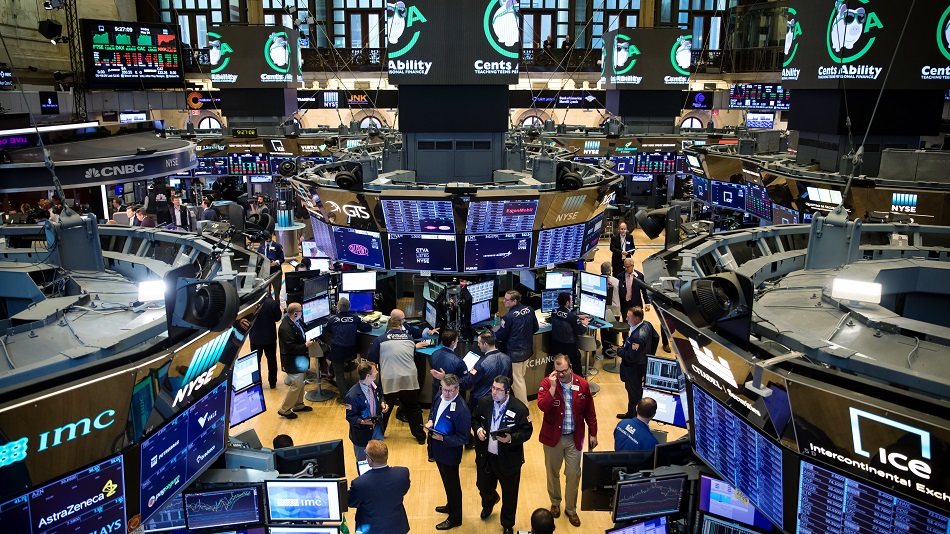
Healthcare and Consumer Staples continue to serve as the market’s “safe havens.” During periods of uncertainty, capital tends to flow toward companies that provide essential products and services, such as pharmaceuticals, utilities, and household goods. These sectors may not provide the explosive growth seen in tech, but they offer stability and downside protection when the broader market experiences volatility.
Market Sentiment and Technical Health
Beyond the fundamentals, the stock market today is heavily influenced by investor sentiment and technical indicators. Understanding these psychological and mathematical drivers can help investors distinguish between a healthy market correction and a fundamental trend reversal.
Analyzing Market Breadth
One of the most discussed aspects of the current market is “breadth”—the number of individual stocks participating in a rally. A healthy bull market is typically characterized by broad participation across multiple sectors. Conversely, a market where only a few large companies are rising while the majority are flat or declining is considered fragile. Analysts today are closely watching the “equal-weighted” S&P 500 versus the “market-cap weighted” version to gauge the true underlying strength of the economy.
Volatility and the VIX
The CBOE Volatility Index, or VIX, often referred to as the “fear gauge,” provides insight into how much volatility professional traders expect over the next 30 days. Today’s market has seen periods of surprising calm interrupted by sharp spikes in the VIX. These spikes often coincide with earnings reports or unexpected economic data releases. For many investors, low VIX levels suggest complacency, while high levels are often viewed as a potential buying opportunity for those with a long-term horizon.
The Role of Retail and Institutional Sentiment
The rise of zero-commission trading and social media-driven investment communities has permanently altered market dynamics. Today, retail sentiment can drive significant price movements in “meme stocks” or niche sectors. However, institutional “smart money”—the massive pension funds, hedge funds, and sovereign wealth funds—still dictates long-term trends. Watching institutional flow and the “Fear and Greed Index” can provide a snapshot of whether the market is currently overbought or oversold.
Strategic Positioning for the Modern Investor
Knowing what the market looks like today is only half the battle; the other half is determining how to position a portfolio in response. The current environment demands a balanced approach that prioritizes risk management without sacrificing growth potential.
The Importance of Diversification
In a market dominated by a few high-flying tech giants, the temptation to “chase the rally” is strong. However, historical data suggests that diversification remains the most effective tool for long-term wealth preservation. A modern portfolio should ideally include a mix of large-cap and small-cap equities, international exposure, and a fixed-income component to mitigate equity-side risk.
High-Yield Cash and Fixed Income
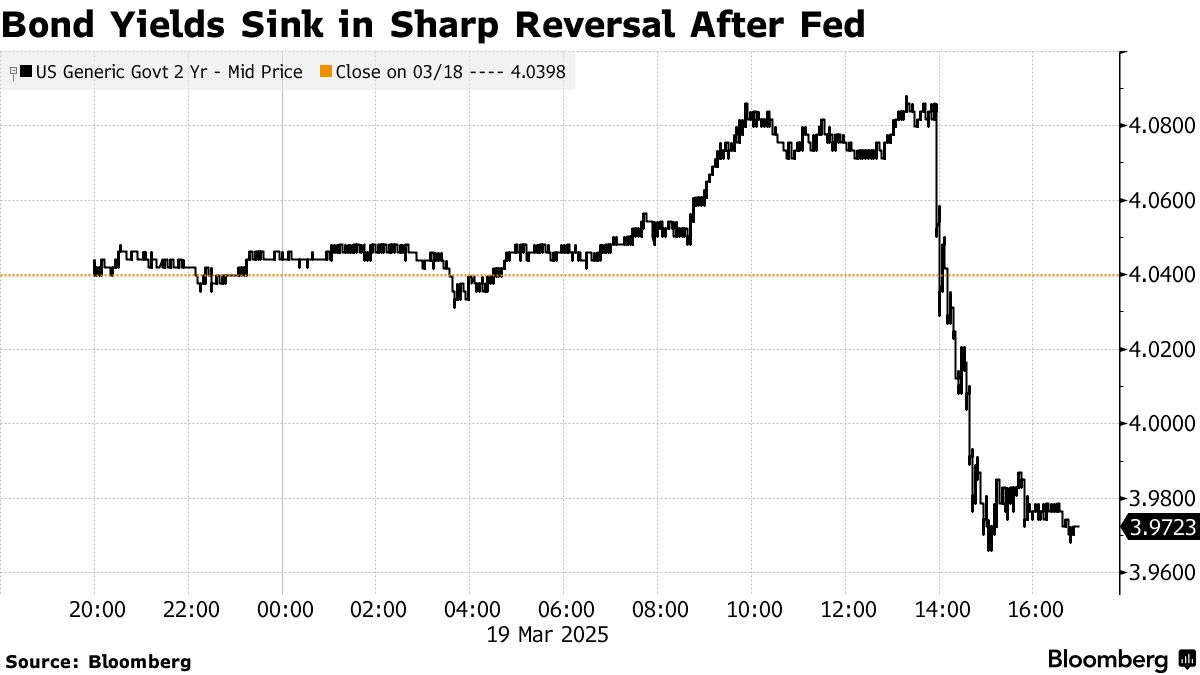
For the first time in nearly two decades, “cash is no longer trash.” With high-yield savings accounts, Certificates of Deposit (CDs), and Treasury bonds offering yields upwards of 4% or 5%, the opportunity cost of being in the stock market has changed. Today’s investors are using these fixed-income instruments to provide a “dry powder” reserve, allowing them to earn a guaranteed return while waiting for more attractive entry points in the equity market.
Long-Term Vision in a Short-Term World
The most critical takeaway from today’s market is the importance of a long-term perspective. The 24-hour news cycle and the ease of mobile trading can make it difficult to stay disciplined. However, the stock market has historically rewarded those who can look past the noise of interest rate hikes or quarterly earnings misses. By focusing on quality companies with durable competitive advantages and maintaining a consistent investment schedule—such as dollar-cost averaging—investors can navigate the complexities of today’s market and build lasting wealth.
In conclusion, the stock market today is a reflection of a world in transition. It is caught between the pull of traditional economic gravity and the push of unprecedented technological innovation. While the “higher for longer” interest rate environment creates headwinds, the underlying resilience of corporate earnings and the promise of AI-driven productivity gains provide a compelling reason for optimism. Success in this environment requires a blend of macro awareness, sector-specific insight, and the emotional discipline to stay the course through inevitable bouts of volatility.
aViewFromTheCave is a participant in the Amazon Services LLC Associates Program, an affiliate advertising program designed to provide a means for sites to earn advertising fees by advertising and linking to Amazon.com. Amazon, the Amazon logo, AmazonSupply, and the AmazonSupply logo are trademarks of Amazon.com, Inc. or its affiliates. As an Amazon Associate we earn affiliate commissions from qualifying purchases.