
Understanding when the stock markets are open for trading is fundamental knowledge for any investor, from the casual beginner to the seasoned professional. Far from being a simple 9-to-5 operation, the world’s financial markets operate on intricate schedules that vary by region, observe specific holidays, and even offer trading outside standard business hours. Knowing these nuances is not just about convenience; it’s critical for effective trade execution, risk management, and capitalizing on market opportunities. This guide delves into the specifics of stock market hours, both standard and extended, across major global exchanges, providing a professional and insightful look into this essential aspect of investing.
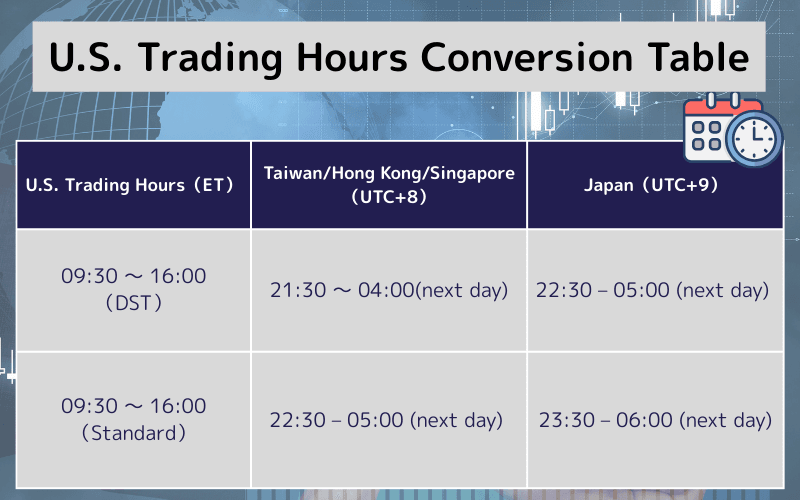
Understanding Standard Trading Hours Across Major Markets
The backbone of global stock trading relies on established operating hours designed to facilitate liquidity and orderly market operations. These “core” hours represent the period of highest activity, volume, and generally the tightest bid-ask spreads, making them ideal for most investors.
The New York Stock Exchange (NYSE) and Nasdaq
For investors in North America and those globally tracking U.S. equities, the New York Stock Exchange (NYSE) and the Nasdaq Stock Market are the titans. Both adhere to the same standard trading schedule:
- Monday through Friday: 9:30 AM to 4:00 PM Eastern Time (ET).
This six-and-a-half-hour window is the official period during which the vast majority of stock transactions occur. The choice of these hours is rooted in a blend of historical practices and practical considerations, balancing the need for sufficient trading time with operational logistics and allowing participants a window to digest news and prepare for the next trading day. The concentration of trading within these hours ensures deep liquidity, meaning there are always enough buyers and sellers to facilitate trades efficiently, which is vital for fair price discovery and minimizing price manipulation. Understanding this core window is the first step in navigating the U.S. equity market effectively, as prices established during this time are generally considered the most reliable indicators of a stock’s value.
Key Asian Markets: Tokyo, Shanghai, and Hong Kong
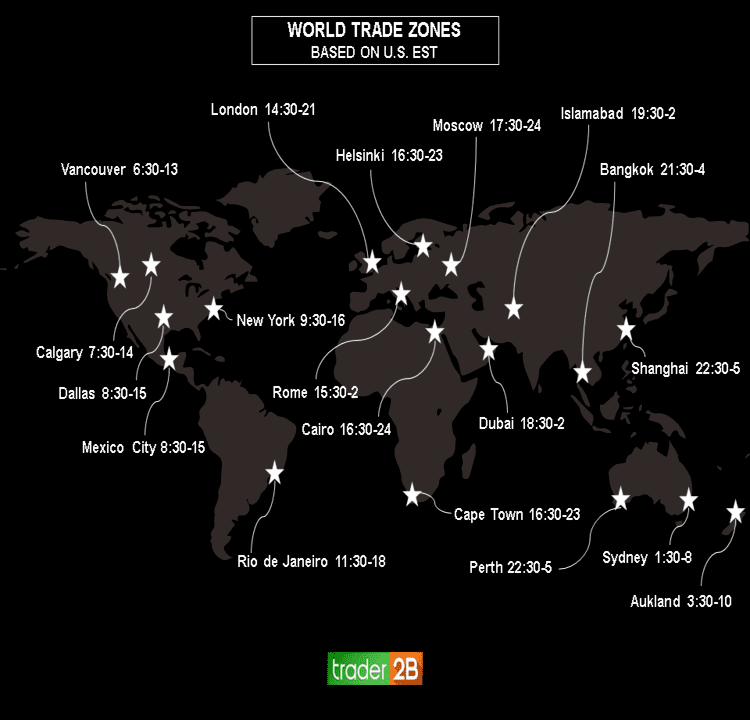
Asia hosts some of the world’s largest and most dynamic stock exchanges, each with its own rhythm. The significant time difference means that when U.S. markets are winding down, Asian markets are often just opening or already in full swing, creating a continuous global trading environment.
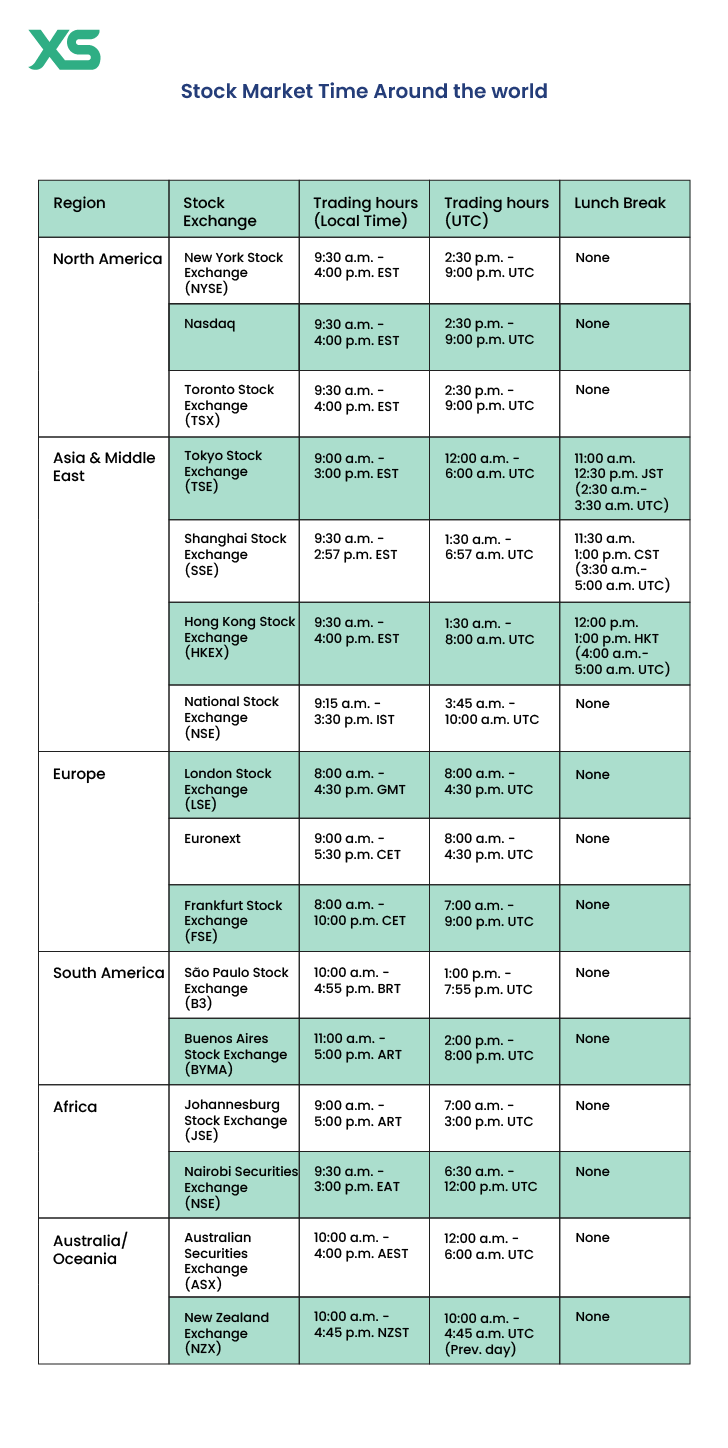
- Tokyo Stock Exchange (TSE): Typically operates from 9:00 AM to 11:30 AM JST (Japan Standard Time) for the morning session, followed by a lunch break, and then 12:30 PM to 3:00 PM JST for the afternoon session. This split session model is common in many Asian markets and allows for a period of reflection and re-evaluation during the trading day.
- Shanghai Stock Exchange (SSE) and Shenzhen Stock Exchange (SZSE): Similar to Tokyo, mainland Chinese markets follow a split schedule. The morning session runs from 9:30 AM to 11:30 AM CST (China Standard Time), with the afternoon session from 1:00 PM to 3:00 PM CST. It’s important to note that access to these markets might be restricted for foreign investors, often requiring specific Qualified Foreign Institutional Investor (QFII) status or participation through programs like Stock Connect.
- Hong Kong Stock Exchange (HKEX): The HKEX also operates with a lunch break, featuring a morning session from 9:30 AM to 12:00 PM HKT (Hong Kong Time) and an afternoon session from 1:00 PM to 4:00 PM HKT. Its strategic location makes it a crucial gateway for international capital flow into and out of mainland China.
For global investors, managing these time zone differences is paramount. News released during one market’s trading hours can significantly impact another market hours later, necessitating a comprehensive understanding of the interlinked nature of global finance.
European Bourses: London Stock Exchange (LSE) and Euronext
Europe’s financial markets are diverse and highly influential, bridging the time gap between Asia and North America.
- London Stock Exchange (LSE): The LSE, a major global financial hub, operates from 8:00 AM to 4:30 PM GMT (Greenwich Mean Time) or BST (British Summer Time), Monday through Friday. This continuous trading session allows for extensive interaction with both Asian and U.S. markets during their respective overlaps.
- Euronext: As a pan-European exchange group, Euronext operates markets in several countries, including France, Netherlands, Belgium, Portugal, Ireland, and Norway. Its primary cash market hours are generally from 9:00 AM to 5:30 PM CET (Central European Time) or CEST (Central European Summer Time), also running continuously without a lunch break.
These longer, continuous European trading sessions reflect a different operational philosophy compared to some Asian markets, aiming for maximal liquidity throughout the trading day. For investors, monitoring these markets is crucial, especially given the economic interconnectedness within the European Union and the impact of geopolitical events on global sentiment.
Navigating Extended and After-Hours Trading
While standard hours account for most trading volume, the financial world doesn’t simply shut down outside of them. Extended-hours trading offers opportunities and challenges for investors willing to venture beyond the traditional windows. This includes pre-market and after-hours sessions, primarily driven by electronic communication networks (ECNs).
Pre-Market Trading
Pre-market trading refers to the period before the official market opening. For the U.S. markets (NYSE and Nasdaq), this typically runs from 4:00 AM ET to 9:30 AM ET.
The primary motivation for participating in pre-market trading often revolves around reacting to significant news events that occur overnight or early in the morning, before the standard session begins. This includes corporate earnings reports, economic data releases, mergers and acquisition announcements, or major geopolitical developments. Savvy investors might use this window to position themselves ahead of the market’s open, potentially capitalizing on early price movements driven by new information. However, pre-market trading is characterized by significantly lower liquidity compared to standard hours. Fewer participants mean that trade volumes are lighter, making it more challenging to execute large orders without impacting prices. This reduced liquidity can lead to wider bid-ask spreads, higher volatility, and potentially less favorable execution prices for investors.
After-Hours Trading
Conversely, after-hours trading takes place following the market’s official close. For U.S. markets, this typically extends from 4:00 PM ET to 8:00 PM ET.
Similar to pre-market, after-hours trading is driven by the need to react to news released after the market closes. Many companies strategically schedule their earnings reports for release immediately after 4:00 PM ET, allowing investors to digest the information before the next standard trading session. After-hours trading allows for immediate reactions to such news, preventing a significant “gap up” or “gap down” at the next open. Electronic Communication Networks (ECNs) are crucial facilitators of after-hours trading. These automated systems match buy and sell orders directly, bypassing traditional exchanges. While ECNs enhance accessibility, the same risks of lower liquidity, wider spreads, and increased volatility prevalent in pre-market sessions apply equally to after-hours trading.
Strategies for Extended-Hours Trading
Participating in extended-hours trading requires a distinct approach due to its unique characteristics:
- Utilize Limit Orders: Always use limit orders instead of market orders during extended hours. A limit order specifies the maximum price you’re willing to pay or the minimum price you’re willing to accept. This protects you from executing a trade at an unexpectedly poor price due to low liquidity or sudden volatility.
- Focus on News Catalysts: Extended-hours trading is most effective when reacting to clear, impactful news. Trying to trade without a specific catalyst can be highly speculative and risky.
- Understand Participation: Retail investor participation is generally lower during extended hours. Institutional investors and professional traders often dominate these sessions, which can lead to rapid price movements that are difficult for individual investors to anticipate or react to effectively.
- Consider Volume: Pay close attention to trading volume. Thinly traded stocks during extended hours can experience extreme price swings on minimal trading activity, making them particularly risky.
While extended-hours trading offers flexibility and early reaction capabilities, it demands heightened awareness, careful execution, and a robust understanding of the inherent risks.
Stock Market Holidays and Early Closures
The markets don’t operate every single weekday. Like other businesses, stock exchanges observe a calendar of holidays and occasionally have shortened trading days. Being aware of these closures is essential for planning trading activities and managing expectations.
Major US Stock Market Holidays
In the United States, both the NYSE and Nasdaq observe a set of federal holidays, during which the markets are completely closed. These typically include:
- New Year’s Day (January 1)
- Martin Luther King, Jr.’s Birthday (Third Monday in January)
- Washington’s Birthday / Presidents’ Day (Third Monday in February)
- Good Friday (Varies, usually in March or April)
- Memorial Day (Last Monday in May)
- Juneteenth National Independence Day (June 19)
- Independence Day (July 4)
- Labor Day (First Monday in September)
- Thanksgiving Day (Fourth Thursday in November)
- Christmas Day (December 25)
When a holiday falls on a weekend, it is typically observed on the preceding Friday or the following Monday. These closures are not just for ceremonial purposes; they allow market participants a break, ensure operational continuity, and prevent the risks of thin trading volumes on days when many financial professionals would be absent. For investors, these days mean no trading, no price movements, and a pause in market activity, which needs to be factored into portfolio management strategies.
Early Market Closures
In addition to full holidays, U.S. stock markets occasionally have early closing days. The most common examples include:
- The day before Independence Day (if it falls on a weekday)
- The day after Thanksgiving (Black Friday)
On these days, the markets typically close at 1:00 PM ET instead of 4:00 PM ET. These shortened sessions maintain some trading continuity while acknowledging that many participants might be taking extended breaks around major holidays. For day traders, these early closures mean less time to operate, while for long-term investors, it’s a reminder to complete any necessary transactions before the abbreviated closing time. It’s always advisable to consult the specific exchange’s holiday calendar at the beginning of each year to be fully prepared.
International Market Holidays
Investors with diversified international portfolios must contend with a much broader array of market holidays. Each country has its own set of national, religious, and cultural holidays, meaning that exchanges in Europe, Asia, and other regions will have different days of closure.
For instance, Chinese markets observe Lunar New Year, Dragon Boat Festival, and National Day holidays, which can span several days. European markets close for various public holidays specific to their respective nations, such as Easter Monday or bank holidays. Managing a global portfolio effectively requires not only understanding time zones but also keeping an international holiday calendar handy to avoid unexpected periods of market inactivity. Brokerage platforms and financial news sites often provide these comprehensive calendars, which are invaluable resources for globally-minded investors.
Why Market Hours Matter to Investors
The timing of market operations has profound implications for investment strategy, risk management, and overall portfolio performance. It’s not just a matter of knowing when you can place an order; it’s about understanding the dynamics that market hours create.
Liquidity and Volatility
The most significant impact of market hours relates to liquidity and volatility. During standard trading hours, particularly for major exchanges like the NYSE and Nasdaq, there is a high volume of buyers and sellers. This high liquidity means that orders can be executed quickly and efficiently, with minimal impact on a stock’s price. The bid-ask spread—the difference between the highest price a buyer is willing to pay and the lowest price a seller is willing to accept—is typically narrowest during core hours, leading to better execution prices for investors.
Conversely, during extended-hours trading (pre-market and after-hours), liquidity is significantly reduced. With fewer participants, even relatively small orders can move a stock’s price dramatically. This lower liquidity often translates into wider bid-ask spreads and increased volatility. Prices can swing wildly, making it challenging to get the desired execution price and increasing the risk for less experienced traders. Investors should be aware that trading during these periods means accepting a higher degree of price risk.
Information Flow and News Catalysts
Market hours also dictate the flow of information and how quickly that information is priced into stocks. Companies often release significant news, such as earnings reports, dividend announcements, or regulatory filings, outside of standard trading hours. This strategy allows investors and analysts time to digest the information before the next trading session begins.
However, extended-hours trading provides a window for immediate reaction. For example, if a company releases a surprisingly strong earnings report at 4:30 PM ET, its stock might begin to climb in after-hours trading as investors react to the news. For investors, understanding when information is likely to be released and how different market sessions react to it is crucial for making timely decisions and avoiding being caught off guard by major price changes.
Order Execution and Pricing
The timing of your order can directly affect its execution and the price you receive. During peak liquidity in standard hours, market orders (orders to buy or sell immediately at the best available price) are generally executed quickly and close to the current quoted price. However, placing a market order during low-liquidity extended hours can result in “slippage”—where the executed price is significantly different and less favorable than anticipated, due to wide spreads or a sudden lack of matching orders.
This is why limit orders are strongly recommended for extended-hours trading. A limit order ensures that your trade will only execute at your specified price or better, providing protection against adverse price movements in thinly traded sessions. For long-term investors, the difference might seem minor, but for active traders, precise order execution can significantly impact profitability.
Time Zone Management for Global Investors
For investors with international portfolios or those residing in different time zones from their primary markets, managing market hours becomes a complex logistical challenge. An investor in California monitoring the London Stock Exchange needs to account for an 8-hour time difference, meaning the LSE’s closing time of 4:30 PM GMT is 8:30 AM PT.
Effective time zone management requires discipline and the use of financial tools. Many trading platforms and financial news websites offer customizable watchlists that display real-time prices and trading hours across multiple exchanges. Utilizing alerts for market openings and closings, or for specific price movements, can help global investors stay informed without needing to be awake at all hours. Strategic planning of when to execute trades, and understanding which global market is currently influencing overall sentiment, are vital skills for navigating the 24/7 nature of interconnected financial markets.
Practical Tips for Managing Your Trading Around Market Hours
Navigating the complexities of stock market hours requires more than just knowing the times; it demands strategic planning and the use of smart tools. Here are practical tips to help investors manage their trading and investing activities effectively.
Set Realistic Expectations
It’s crucial to understand that extended-hours trading is not for every investor. While it offers opportunities, the inherent risks due to lower liquidity and higher volatility mean it is generally more suited for experienced traders who can react quickly to news and manage risk effectively. For most long-term investors, focusing on standard market hours, where liquidity is highest and price discovery is most efficient, is often the most prudent approach. Don’t feel pressured to trade during extended hours if it doesn’t align with your risk tolerance or investment strategy. Focus on the long-term fundamentals of your investments rather than attempting to capitalize on fleeting, volatile price movements outside of core hours.
Utilize Technology and Alerts
Modern technology offers powerful tools to help investors stay on top of market hours and news:
- Brokerage Platform Alerts: Most online brokerage platforms offer customizable alerts that can notify you of market openings, closings, price movements for specific stocks, or news releases.
- Financial News Apps: Download reputable financial news applications (e.g., Bloomberg, Reuters, Wall Street Journal) that provide real-time updates and notifications on market-moving news, often highlighting when specific announcements are made in relation to market hours.
- Market Calendars: Keep a detailed market calendar that includes stock market holidays for all relevant exchanges, as well as early closure dates. Many financial websites provide these calendars for free.
- Earnings Calendars: Track earnings announcement dates for companies in your portfolio. Knowing when a company is scheduled to report earnings will prepare you for potential volatility during extended hours.
Leveraging these tools can significantly reduce the mental burden of constantly monitoring markets and ensure you don’t miss critical information.
Understand Your Broker’s Policies
Not all brokerage firms offer the same level of access or features for extended-hours trading. Before you attempt to trade outside of standard hours, ensure you understand your broker’s specific policies:
- Access to Extended Hours: Confirm if your broker supports pre-market and after-hours trading and what their specific time windows are.
- Order Types: Check which order types are available during extended hours. Some brokers might restrict certain order types (e.g., market orders) to standard hours only, or impose specific conditions on limit orders during extended sessions.
- Fees and Commissions: Inquire if there are any additional fees or commission structures for extended-hours trades.
- Available Securities: Some brokers may limit the range of securities available for extended-hours trading, focusing primarily on highly liquid, large-cap stocks.
Reading your brokerage agreement and FAQs related to extended-hours trading will prevent surprises and ensure you can execute your strategy as intended.
Prioritize Risk Management
Regardless of when you choose to trade, robust risk management is paramount, and it becomes even more critical during extended hours.
- Always Use Limit Orders: As reiterated, market orders are highly risky during low-liquidity periods. Stick to limit orders to control your entry and exit prices.
- Position Sizing: Be mindful of your position size, especially for extended-hours trades. Smaller positions can help mitigate losses if a trade moves against you due to unexpected volatility.
- Diversification: Do not put all your capital into highly speculative extended-hours plays. Maintain a diversified portfolio to cushion against the impact of individual volatile trades.
- Stop-Loss Orders: While stop-loss orders can be effective, be aware that during extended hours, or when markets gap open or close, a stop-loss order might be executed at a price significantly worse than your specified level due to slippage or lack of liquidity. Understand the limitations.
- Stay Informed: Continuously educate yourself on market dynamics, company news, and economic indicators. Knowledge is your best defense against unexpected market movements.
By integrating these practical tips into your investment routine, you can navigate the dynamic landscape of stock market hours more effectively, mitigate risks, and enhance your potential for informed decision-making.
Conclusion
Understanding stock market hours is far more than knowing when to log in to your brokerage account; it’s a foundational element of informed investing. From the bustling core sessions of major global exchanges to the nuanced opportunities and risks of pre-market and after-hours trading, each time window presents a unique set of characteristics that impact liquidity, volatility, and order execution.
Being aware of standard trading hours across different time zones, recognizing the schedule of market holidays, and comprehending the dynamics of extended trading sessions empowers investors to make strategic decisions. It enables better risk management, allows for timely reactions to critical news, and ensures that trades are executed under the most favorable conditions possible.
For new investors, mastering the basics of standard hours and carefully considering the implications of extended trading is a vital first step. For experienced participants, this knowledge refines strategy, optimizes order placement, and reinforces comprehensive risk management. In the fast-paced world of finance, knowledge of stock market hours is not merely a detail—it is a critical tool for navigating the markets with confidence and insight, ultimately contributing to more effective and potentially more profitable investment outcomes.
aViewFromTheCave is a participant in the Amazon Services LLC Associates Program, an affiliate advertising program designed to provide a means for sites to earn advertising fees by advertising and linking to Amazon.com. Amazon, the Amazon logo, AmazonSupply, and the AmazonSupply logo are trademarks of Amazon.com, Inc. or its affiliates. As an Amazon Associate we earn affiliate commissions from qualifying purchases.