
In the intricate world of personal and business finance, certain pieces of information are fundamental to facilitating seamless transactions. Among these, the bank routing number stands as a critical identifier, acting as a digital address for your financial institution. For account holders with Chase Bank, one of the largest and most widely recognized financial powerhouses in the United States, understanding how to locate and correctly use your routing number is not merely a convenience but a cornerstone of effective financial management. This article delves deep into the essence of Chase Bank routing numbers, their various applications, and crucial considerations for safeguarding your financial data, all within the exclusive domain of Money and personal finance.

The Core Purpose and Anatomy of a Routing Number
At its heart, a routing number serves as a unique identifier for a financial institution, enabling funds to be directed to the correct bank during transactions. Often referred to as an ABA (American Bankers Association) routing transit number (RTN), this nine-digit code is indispensable for a vast array of financial operations in the U.S.
What Exactly is a Routing Number?
An ABA routing number is a unique nine-digit code that identifies the financial institution that issued a check or is associated with an account. Established in 1910 by the American Bankers Association, its primary function was to facilitate the sorting and routing of paper checks. While checks are now increasingly digital, the routing number remains the standard for electronic funds transfers. It ensures that when you send or receive money, the funds land in the right bank, even before being directed to a specific account number within that bank. For a behemoth like Chase, which operates across numerous states, understanding the nuances of these numbers is paramount.
How Routing Numbers Facilitate Financial Transactions
Routing numbers are the unsung heroes behind countless everyday financial interactions. Without them, the modern financial ecosystem would grind to a halt.
-
Direct Deposits: Whether it’s your salary, tax refund, or government benefits, direct deposits rely entirely on routing numbers to ensure your funds are deposited into your Chase account quickly and securely. You provide your employer or payer with your Chase routing number and account number, and the funds are electronically transferred.
-
Automatic Payments (ACH Transfers): From utility bills to mortgage payments, many individuals and businesses opt for automatic payments to ensure bills are paid on time. These automated clearing house (ACH) transfers leverage routing numbers to debit funds directly from your Chase account.
-
Wire Transfers: For faster, often larger, and more secure fund transfers, wire transfers are utilized. These also require the recipient’s bank routing number (and sometimes a specific wire transfer routing number, which can differ from the ACH number).
-
Check Writing and Cashing: While less common than in the past, physical checks still feature the routing number prominently at the bottom, directing the cashing bank where to seek the funds.
-
Linking External Accounts: Many financial tools, budgeting apps, or investment platforms require your Chase routing number to link and transfer funds between your Chase account and external accounts.
Understanding the Structure: ABA and Transit Numbers
The nine digits of a routing number aren’t random; they follow a specific structure. The first four digits identify the Federal Reserve routing symbol, indicating which Federal Reserve Bank or branch the financial institution is associated with. The next four digits identify the specific financial institution itself. The final digit is a check digit, used to validate the accuracy of the preceding eight digits, much like a checksum for error detection. This intricate design ensures the integrity and efficiency of the U.S. payment system.
Finding Your Chase Bank Routing Number
For Chase customers, locating the correct routing number is typically straightforward, though it’s crucial to be aware that Chase, like other large national banks, may utilize different routing numbers based on the state where the account was opened or the type of transaction.
Checking Your Checks
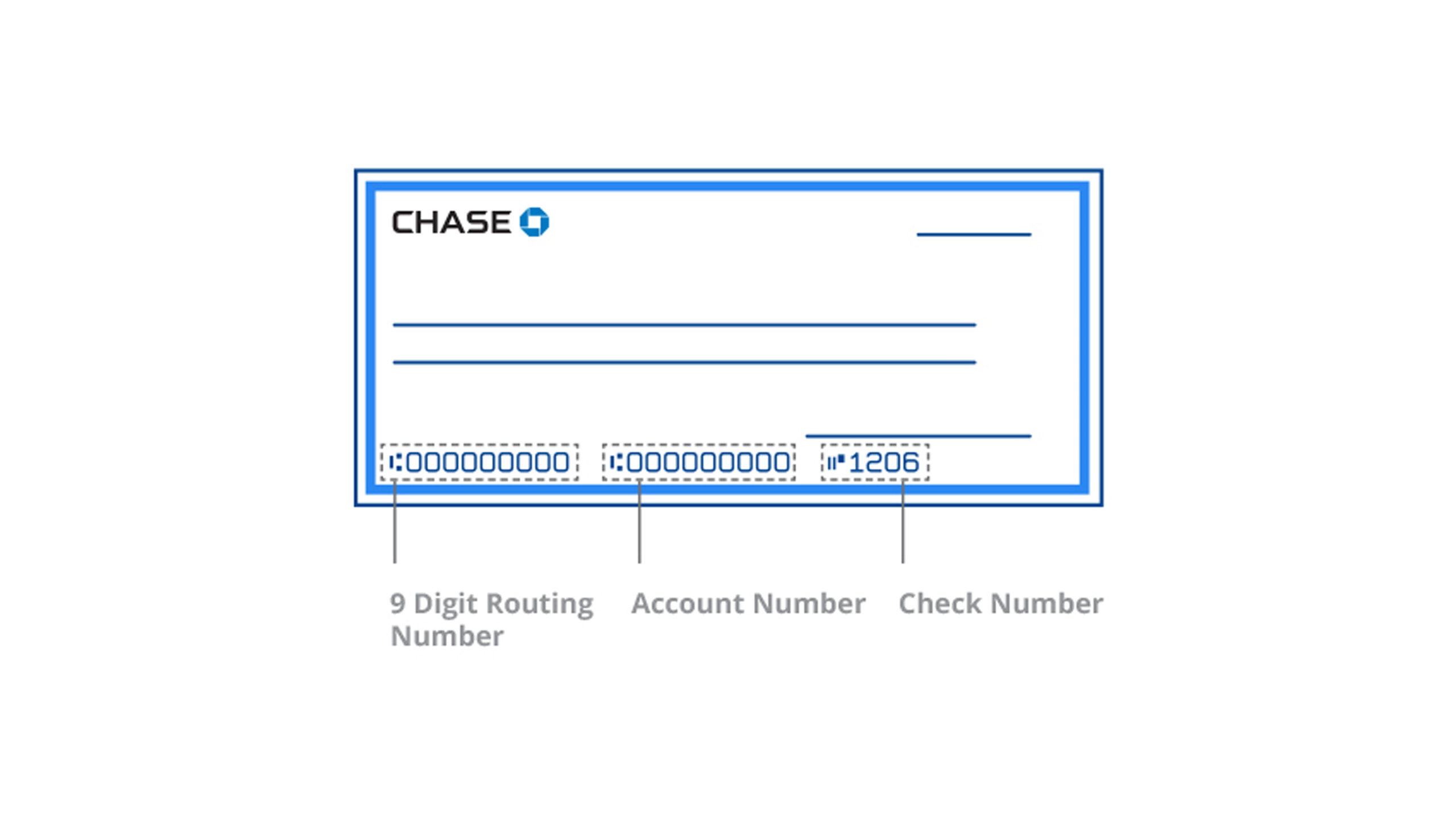
The most traditional and often easiest way to find your routing number for a checking account is to look at a physical check. At the bottom of a Chase check, you’ll see three sets of numbers, usually printed in magnetic ink.
-
The first set of nine digits on the left is typically your routing number.
-
The middle set of numbers is your account number.
-
The final set is the check number.
It’s important to verify this information against other sources, especially if you have an older checkbook or are unsure if the number has changed.
Online Banking and Mobile App
In the digital age, Chase’s online banking platform and mobile app are invaluable resources for managing your finances, including finding your routing number.
-
Chase Online Banking: Log in to your Chase account on their website. Navigate to the “Account details” or “Statements & documents” section for your specific checking or savings account. You will typically find your routing number listed alongside your account number.
-
Chase Mobile App: Open the Chase mobile app on your smartphone or tablet. After logging in, select the specific account (checking or savings) for which you need the routing number. Look for options like “Account info,” “Show details,” or a similar link, which will display both your account and routing numbers.
These digital methods are often the quickest and most reliable for current account information.
Contacting Chase Customer Service
If you’re unable to find your routing number through online channels or on a check, or if you need clarification for a specific type of transaction (like a complex international wire), contacting Chase customer service is always an option. Be prepared to verify your identity by providing personal details to the representative. They can provide the correct routing number for your specific account and transaction needs. This method is particularly useful for newer accounts that might not have checks yet or for unique situations.
Using Chase’s Official Website Resources
Chase Bank often provides dedicated pages on its official website that list common routing numbers by state. A quick search on Chase.com for “routing number” will likely lead you to a comprehensive guide. However, even when using these general lists, it’s always best practice to double-check against your specific account details via online banking or a check, as exceptions can occur.
Different Routing Numbers for Different Needs: The Nuance of Chase
One critical aspect of routing numbers, especially for large financial institutions like Chase, is that a single bank may have multiple routing numbers. This can be a source of confusion but is entirely logical once you understand the underlying reasons.
State-Specific Routing Numbers
For national banks operating across many states, it’s common to have different routing numbers based on the geographic region or the specific branch where the account was opened. This is largely due to the way the Federal Reserve System processes transactions through regional Federal Reserve Banks. For example, a Chase account opened in New York might have a different routing number than one opened in California, even though both are Chase accounts. Always verify the routing number associated with your specific account and the state it was opened in. Using a routing number for a different state, even if it’s still a Chase routing number, can lead to delays or rejection of your transaction.
Wire Transfers vs. ACH Transfers
Another significant distinction concerns the type of transaction. While ACH (Automated Clearing House) transfers, which include direct deposits and most automatic bill payments, generally use the standard routing number found on checks or online, wire transfers can sometimes require a different, specific routing number. Wire transfers are typically processed in real-time and involve a more direct, often expedited, transfer of funds between banks. For domestic wire transfers, Chase might use a centralized routing number distinct from the one used for ACH transactions. Always confirm the correct routing number directly from Chase for wire transfer instructions.
International Wire Transfers: SWIFT Codes
When it comes to international wire transfers, the routing number as we understand it for domestic transactions is insufficient. Instead, international transfers utilize a SWIFT (Society for Worldwide Interbank Financial Telecommunication) code, also known as a BIC (Bank Identifier Code). A SWIFT code identifies the bank, country, location, and sometimes even the specific branch. For Chase Bank, the general SWIFT code for international incoming transfers is typically CHASUS33. However, it’s always advisable to confirm the precise SWIFT code and any other specific instructions (like an intermediary bank) directly with Chase or the sender, as variations can occur depending on the currency and origin/destination countries. This ensures the funds navigate the global financial network correctly.
Business Accounts vs. Personal Accounts
While many large banks strive for consistency, it’s worth noting that in rare circumstances, specific business banking products or specialized accounts might have unique routing numbers. However, for most standard business checking and savings accounts with Chase, the routing number will typically follow the same state-specific and transaction-type rules as personal accounts. Always verify your specific business account’s routing information to avoid any potential missteps.
Safeguarding Your Financial Information
Understanding routing numbers extends beyond merely knowing where to find them; it also involves appreciating the importance of their accuracy and protecting them from misuse. In the realm of personal finance, security is paramount.
The Importance of Accuracy
An incorrect routing number, even by a single digit, can lead to significant financial headaches.
-
Delayed Transactions: Funds might be held up for days or weeks while the banking system attempts to correct the error or return the funds.
-
Incorrect Deposits/Debits: In rare but serious cases, an incorrect routing number could theoretically direct funds to another bank’s account, leading to potentially complex and time-consuming recovery efforts.
-
Transaction Rejections: Most commonly, the transaction will simply be rejected, requiring you to resubmit the payment or deposit with the correct details.
Always double-check the routing number before initiating any significant financial transaction, especially for new setups like direct deposits or recurring bill payments.
Protecting Your Routing Number
While a routing number by itself is generally considered less sensitive than your full bank account number, it’s still part of your financial identity. It’s openly printed on checks, and many entities require it for legitimate transactions. However, you should still exercise caution:
-
Be Mindful of Requests: While legitimate companies will ask for your routing number for direct deposits or automatic payments, be wary of unsolicited requests for this information via email, text message, or phone calls from unknown sources.
-
Secure Documents: Ensure physical checks and bank statements are stored securely, as they contain your routing and account numbers.
-
Use Secure Platforms: When providing your routing number online, always ensure you are on a secure website (look for “https://” in the URL and a padlock icon).
Identifying Potential Scams
Scammers often attempt to phish for banking information. While they usually target account numbers or passwords, some sophisticated scams might leverage routing numbers as part of a broader scheme. Be suspicious if someone you don’t know or trust asks for your routing number under unusual circumstances, especially if they combine it with other sensitive data like your Social Security number or online banking credentials. Legitimate organizations typically have established, secure methods for collecting this information.
Routing Numbers in the Modern Financial Landscape
Despite the rise of digital payment methods and FinTech innovations, the routing number remains a foundational element of the U.S. financial system.
Digital Payments and FinTech Integration
Even modern digital payment platforms like Venmo, PayPal, or Zelle often rely on routing numbers “behind the scenes” when linking to traditional bank accounts for larger transfers or initial setup. While users might primarily interact with usernames or email addresses for peer-to-peer transfers, the underlying connection to a bank account often involves the routing number. This demonstrates its enduring relevance, even as the user interface of finance evolves. FinTech companies integrate with traditional banking infrastructure, and routing numbers are a key part of that integration, facilitating the flow of funds between innovative apps and established financial institutions like Chase.
The Future of Bank Identification
While discussions occasionally arise about more modernized or consolidated bank identification systems, the ABA routing number has proven remarkably resilient for over a century. Its widespread adoption and integration into virtually every facet of the U.S. banking system make it incredibly difficult to replace entirely. Future innovations might introduce complementary identification methods, but the routing number is likely to remain a critical component for the foreseeable future, serving as the essential “digital ZIP code” for financial institutions.
In conclusion, for any Chase Bank customer, a clear understanding of routing numbers is indispensable for navigating the financial landscape effectively. Whether you’re setting up direct deposit, paying bills, or initiating a wire transfer, knowing where to find and how to use the correct Chase routing number ensures your money moves accurately, securely, and without unnecessary delays. It’s a simple piece of information with profound implications for your personal and business financial well-being.
aViewFromTheCave is a participant in the Amazon Services LLC Associates Program, an affiliate advertising program designed to provide a means for sites to earn advertising fees by advertising and linking to Amazon.com. Amazon, the Amazon logo, AmazonSupply, and the AmazonSupply logo are trademarks of Amazon.com, Inc. or its affiliates. As an Amazon Associate we earn affiliate commissions from qualifying purchases.