
The world of Pokémon TCG collecting is a fascinating microcosm of passion, nostalgia, and, perhaps surprisingly, significant financial investment. While many collectors start with the thrill of pulling a holographic Charizard from a booster pack, the truly dedicated and often deeply invested delve into the upper echelons of rarity, where cards transcend mere gameplay and become coveted artifacts. When we ask “what’s the rarest Pokémon card,” we’re not just talking about a difficult pull; we’re discussing cards with incredibly limited print runs, unique histories, and valuations that can reach astronomical figures, often eclipsing the value of rare coins, stamps, or even classic cars. This pursuit of the ultimate rarity is driven by a confluence of factors that are fundamentally rooted in the financial aspects of collecting.
The Intrinsic Value of Scarcity in Collectibles
At its core, the value of any collectible, including Pokémon cards, is heavily dictated by the fundamental economic principle of supply and demand. When demand for an item is high, and its supply is exceptionally low, its price is inevitably driven upwards. In the realm of Pokémon cards, rarity is the primary lever that manipulates this supply side. The concept of rarity is not a monolithic one; it encompasses a spectrum of factors that contribute to a card’s desirability and, consequently, its monetary worth.
Defining Rarity: Beyond the Holographic Shine
While holographic and secret rare cards are immediately recognizable for their visual appeal and relative scarcity compared to common cards, true rarity often stems from factors far more nuanced. These can include:
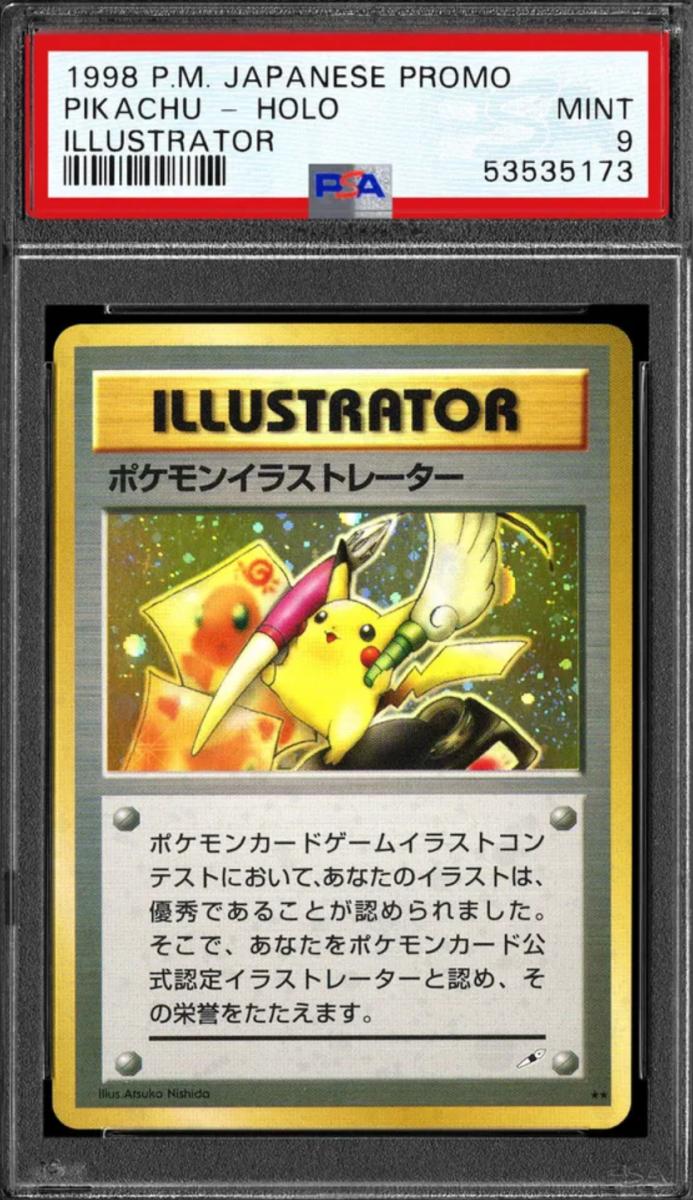
- Extremely Limited Print Runs: Some of the rarest cards were never intended for mass distribution. They were often produced as prizes for specific tournaments, promotional items for limited events, or given away as exclusive rewards to a select few. The Pikachu Illustrator card, for example, was awarded to winners of illustration contests held by CoroCoro Comic in Japan in 1997 and 1998. Only around 41 copies are known to exist, making it a legend in the collecting world.
- Unique Error Cards: Occasionally, manufacturing errors can result in cards that are unintentionally unique. These might include misprints, missing elements, or incorrect text. While some error cards are considered common, exceptionally rare and noticeable errors can command significant premiums, as they represent a deviation from the norm that collectors find fascinating.
- First Edition Stamp and Shadowless Variations: The earliest Pokémon cards, particularly from the Base Set, featured distinct characteristics that denote their extreme rarity. The “1st Edition” stamp, a small symbol indicating the card was from the initial print run, significantly increases its value. Furthermore, “Shadowless” cards, which lack the shadow on the right border of the Pokémon’s illustration box, are rarer than their shadowed counterparts and are highly sought after by serious collectors. These early printings represent the genesis of the Pokémon TCG and are thus inherently more valuable due to historical significance and lower initial production numbers compared to later sets.
- Grading and Condition: The condition of a card is paramount in determining its value, especially for the rarest specimens. Professional grading services, such as PSA (Professional Sports Authenticator) and BGS (Beckett Grading Services), assign a numerical score based on the card’s centering, corners, edges, and surface. A card graded a perfect “10” (Gem Mint) by PSA, for instance, will be worth exponentially more than the same card in a lower grade, even if the latter is still considered in excellent condition. This creates a tiered system of rarity within rarity, where pristine examples of already scarce cards command the highest prices.
The Pinnacle of Rarity: Record-Breaking Sales and Their Financial Implications
The market for rare Pokémon cards has witnessed explosive growth in recent years, transforming from a niche hobby into a significant investment landscape. This surge is evidenced by the staggering prices achieved at auctions and private sales, where individual cards have fetched figures that rival those of high-end art and luxury assets. Understanding these record-breaking sales provides a tangible perspective on what makes a Pokémon card not just rare, but astronomically valuable.
Case Studies in Extreme Rarity and Valuation
- The Pikachu Illustrator Card: As mentioned, the Pikachu Illustrator is often cited as the rarest and most valuable Pokémon card. Its scarcity, unique origin as a contest prize, and its association with the beloved Pikachu character have propelled its value to millions. In 2021, a PSA 10 graded Pikachu Illustrator card reportedly sold for over $5 million, a testament to its iconic status and extreme rarity. This sale significantly impacted the perception of Pokémon cards as legitimate alternative investments.
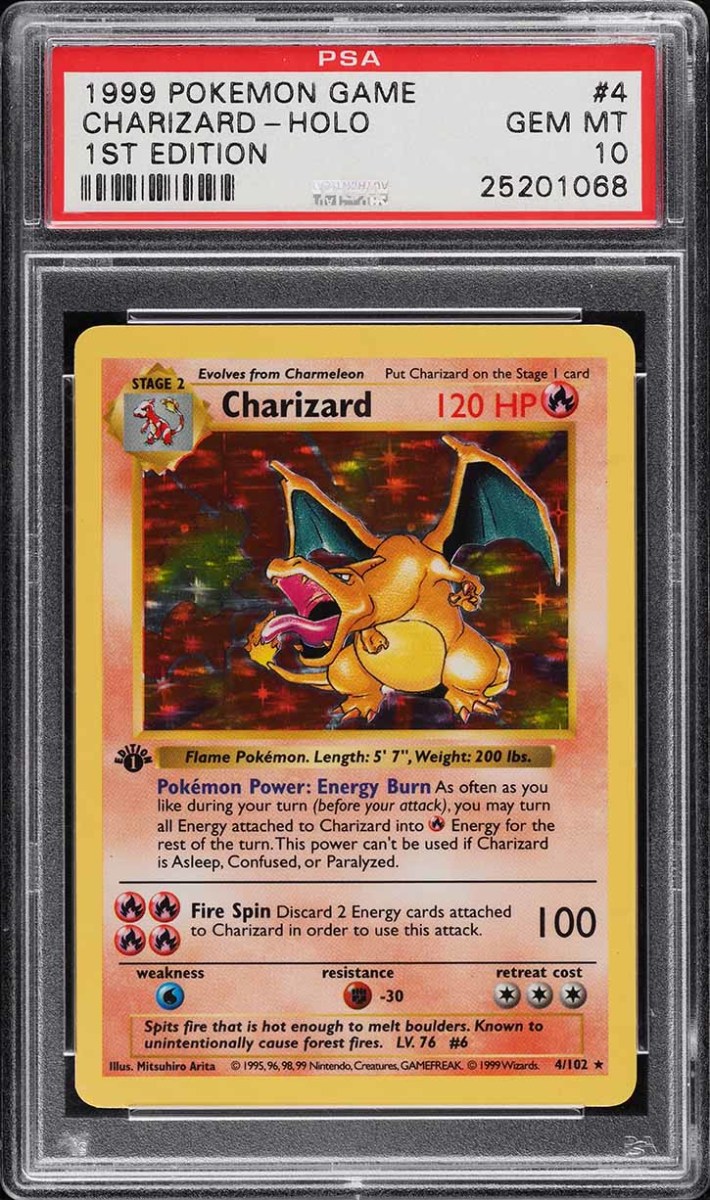
- Charizard (1st Edition Shadowless Holographic): While not as rare as the Pikachu Illustrator, the 1st Edition Shadowless Holographic Charizard from the Base Set is arguably the most iconic and sought-after card among a broader collector base. Its desirability is fueled by nostalgia, Charizard’s immense popularity, and the inherent rarity of its specific printing. Copies in Gem Mint condition have consistently sold for hundreds of thousands of dollars, with some reaching over $400,000. This card represents a tangible link to the early days of Pokémon and its global phenomenon.
- Pre-Release Raichu: The legend of the “Pre-Release Raichu” is another fascinating chapter in Pokémon card rarity. It’s rumored that a small number of Raichu cards were printed with a “1st Edition” stamp, but they were never officially released and were recalled before distribution. While the existence and quantity of these cards are debated, the idea of a truly unreleased, ultra-rare card fuels immense speculation and desire among collectors. Any verifiable specimen would undoubtedly command an astronomical price, making it the ultimate holy grail for many.
These examples highlight that rarity, combined with historical significance, iconic status, and impeccable condition, can create a financial asset of considerable worth. The market for these cards is driven by a sophisticated ecosystem of collectors, investors, and dealers who understand and leverage these valuation factors.
The Investment Angle: Pokémon Cards as Alternative Assets
The burgeoning market for rare Pokémon cards has increasingly attracted the attention of investors and financial analysts. What was once primarily a hobby driven by passion and nostalgia has evolved into a legitimate alternative asset class, offering potentially high returns but also carrying inherent risks. The financial mechanics behind this phenomenon are crucial for understanding why specific cards achieve such high valuations.

Factors Driving Investment Interest and Market Dynamics
- Inflation Hedge and Portfolio Diversification: In an economic climate marked by inflation and market volatility, tangible assets like rare collectibles can serve as a hedge. Their value is often uncorrelated with traditional financial markets, offering a degree of diversification for portfolios. High-value Pokémon cards, much like fine art or rare wines, are seen by some as a way to preserve wealth and potentially outpace inflation.
- Expert Grading and Authentication: The presence of reliable grading services like PSA and BGS is fundamental to the investment appeal of Pokémon cards. These services provide a standardized, objective assessment of a card’s condition, thereby reducing the risk of fraud and ensuring a consistent basis for valuation. This professional authentication and grading process lends credibility to the market, making it more attractive to institutional investors and serious collectors alike.
- Liquidity and Market Accessibility: While the market for the absolute rarest cards might be more private, the broader Pokémon card market is surprisingly liquid. Online auction platforms, dedicated trading sites, and conventions facilitate buying and selling. The increasing accessibility of information about card values and market trends, through dedicated websites, forums, and social media, further empowers both collectors and investors.
- The Role of Social Media and Influencers: The rise of Pokémon card collecting as an investment has been significantly amplified by social media. Influencers and content creators on platforms like YouTube and Instagram showcase high-value cards, discuss market trends, and educate their audiences about the collecting world. This visibility not only fuels interest but also contributes to price discovery and market momentum. The “unboxings” and “card reveals” have become a cultural phenomenon, driving demand and showcasing the potential for significant financial gains.
- Risk and Volatility: It is crucial to acknowledge that investing in rare Pokémon cards is not without its risks. The market can be volatile, influenced by trends, sentiment, and the overall economic climate. Unlike stocks or bonds, Pokémon cards do not generate dividends or interest. Their value is solely derived from the willingness of future buyers to pay a certain price. Over-saturation of certain cards, changes in collector preferences, or even a decline in the overall popularity of Pokémon could impact valuations. Therefore, a thorough understanding of the market, diligent research, and a long-term perspective are essential for anyone considering Pokémon cards as an investment.
In conclusion, the question of “what’s the rarest Pokémon card” extends far beyond a simple answer. It delves into a complex interplay of scarcity, historical significance, condition, and market dynamics. The most coveted cards are not merely pieces of cardboard; they are cultural artifacts and, increasingly, financial instruments, representing a unique intersection of passion and investment that continues to captivate collectors and investors worldwide.
aViewFromTheCave is a participant in the Amazon Services LLC Associates Program, an affiliate advertising program designed to provide a means for sites to earn advertising fees by advertising and linking to Amazon.com. Amazon, the Amazon logo, AmazonSupply, and the AmazonSupply logo are trademarks of Amazon.com, Inc. or its affiliates. As an Amazon Associate we earn affiliate commissions from qualifying purchases.