
The question “What’s the R-value of spray foam insulation?” is more than just a data point; it’s a crucial inquiry for anyone invested in building performance, energy efficiency, and the long-term financial viability of a structure. In the realm of building science and construction technology, understanding the thermal resistance of insulation materials is paramount. Spray foam insulation has carved a significant niche for itself due to its unique application properties and impressive performance metrics. This article delves into the technical aspects of spray foam insulation’s R-value, exploring its nuances, influencing factors, and how it translates into tangible benefits for modern construction projects, aligning squarely within the Tech category by focusing on the scientific and technological performance of building materials.
The Fundamental Concept: Understanding R-Value in Insulation
At its core, R-value quantifies a material’s ability to resist heat flow. It’s a direct measure of thermal resistance. The higher the R-value, the better the insulation is at preventing heat from transferring through it. This principle is fundamental to the design and operation of energy-efficient buildings, impacting everything from heating and cooling costs to occupant comfort and the longevity of building components.
Defining R-Value and its Significance
R-value is a technical specification that dictates how effectively an insulation material can impede the passage of heat. This resistance is critical in both cold climates, where it keeps heat in, and warm climates, where it keeps heat out. In essence, insulation with a higher R-value acts as a more effective thermal barrier.
The formula for calculating R-value is often represented as:
R = ΔT / Q
Where:
- ΔT represents the temperature difference across the insulation material.
- Q represents the rate of heat transfer per unit area.
A higher R-value signifies a lower rate of heat transfer (Q) for a given temperature difference (ΔT), indicating superior insulating performance. This directly translates to reduced energy consumption for maintaining desired indoor temperatures.
Units of Measurement and Industry Standards
The R-value is typically expressed in imperial units (e.g., R-19, R-38) in North America, representing the resistance in ft²·°F·h/Btu (square feet, degrees Fahrenheit, hours, British Thermal Units). In metric countries, it’s measured in RSI (R-value, metric index), expressed in m²·K/W (square meters, Kelvin, Watts). When comparing insulation performance across different regions or products, it’s vital to be aware of the unit of measurement. Industry standards, such as those set by ASTM International and ASHRAE (American Society of Heating, Refrigerating and Air-Conditioning Engineers), provide the framework for testing and rating insulation materials, ensuring consistency and reliability in performance claims.
Spray Foam Insulation: A Technological Approach to Thermal Resistance
Spray foam insulation represents a significant technological advancement in building materials. Unlike traditional batt or blown-in insulation, spray foam is a liquid mixture that, when applied to surfaces, rapidly expands and hardens, creating a continuous, monolithic insulation layer. This application method is key to its superior performance and R-value characteristics.
Types of Spray Foam and Their R-Value Profiles
Spray foam insulation generally falls into two primary categories: open-cell and closed-cell. Each type possesses distinct structural and thermal properties that influence its R-value.
Open-Cell Spray Foam
Open-cell spray foam is characterized by its low-density structure, where the cells are interconnected, allowing air to move through them. This makes it a more flexible and less rigid material.
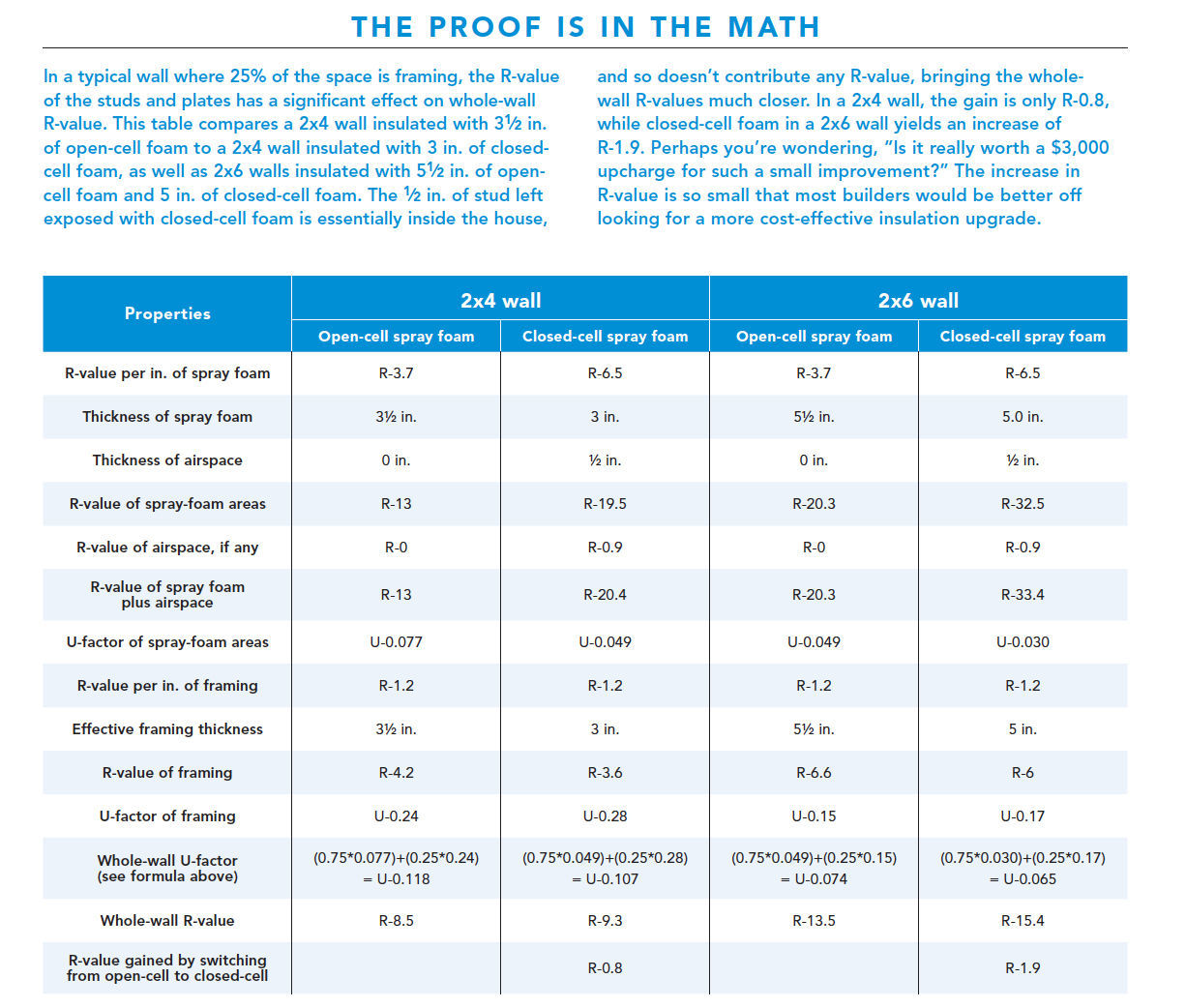
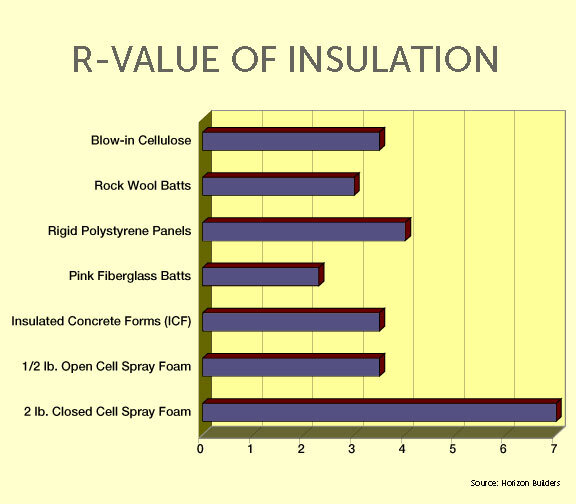
- R-Value Range: Open-cell spray foam typically offers an R-value of R-3.5 to R-3.8 per inch of thickness.
- Key Characteristics: It is lighter, more permeable to water vapor, and generally less expensive than closed-cell foam. Its sound-dampening properties are also notable.
Closed-Cell Spray Foam
Closed-cell spray foam is a high-density material where the cells are sealed and filled with a blowing agent. This creates a rigid, strong insulation layer with excellent moisture resistance.
- R-Value Range: Closed-cell spray foam boasts a higher R-value, typically ranging from R-6.0 to R-7.0 per inch of thickness.
- Key Characteristics: Its density provides structural integrity and acts as a vapor barrier. It also offers superior thermal performance per inch compared to open-cell foam, making it ideal for applications where space is limited or higher performance is required.
The Manufacturing Process and its Impact on R-Value
The creation of spray foam insulation involves precise chemical formulations and a controlled reaction process. Isocyanates and polyols are mixed with a blowing agent, and upon spraying, they undergo an exothermic reaction, expanding and curing into a solid foam. The choice of blowing agent is critical, as it influences both the R-value and the environmental impact of the insulation.
Early blowing agents, such as HCFCs, offered high R-values but had significant ozone-depleting potential. Modern formulations utilize HFCs (hydrofluorocarbons) and, increasingly, HFOs (hydrofluoroolefins) and other next-generation blowing agents that are more environmentally friendly while still maintaining excellent thermal performance. The density and cell structure created during this expansion and curing process directly correlate with the material’s ability to trap air and resist heat flow, thus determining its R-value.
Factors Influencing the Effective R-Value of Spray Foam Insulation
While the per-inch R-value is a crucial metric, the actual, real-world thermal performance of spray foam insulation can be influenced by several factors. Understanding these variables is essential for accurate building performance modeling and achieving optimal energy efficiency.
Installation Quality and Coverage
The most significant factor influencing the effective R-value is the quality of the installation. Spray foam relies on a contiguous, seamless application to prevent thermal bridging and air leakage.
Importance of Professional Application
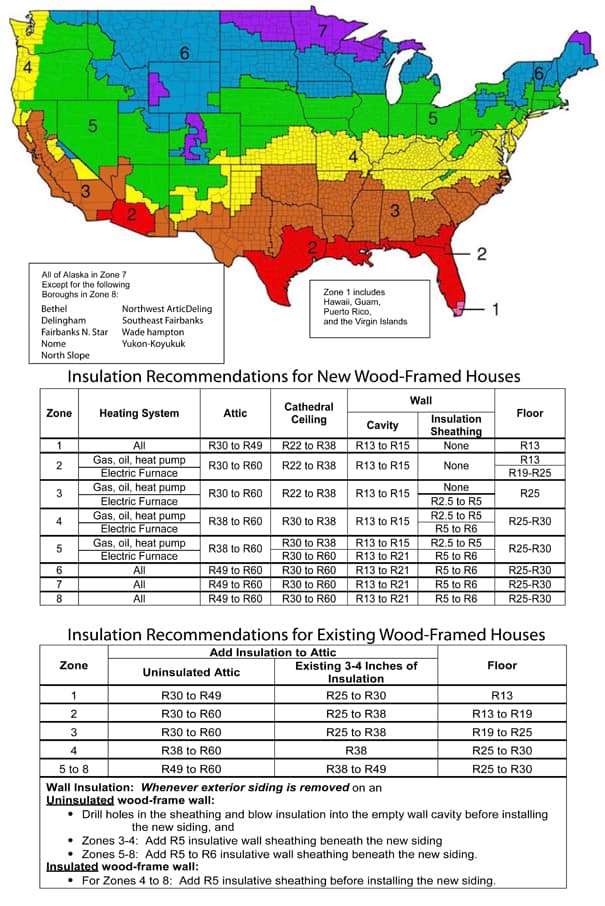
Professional installers are trained to manage the spray foam’s expansion, ensure proper adhesion to substrates, and achieve uniform coverage. Gaps, voids, or improperly applied areas can significantly compromise the insulation’s R-value, creating pathways for heat and air to escape or enter. This is particularly critical in complex framing situations, around penetrations, and at joints.
Achieving a Continuous Insulation Layer
The primary technological advantage of spray foam is its ability to create a monolithic barrier. Unlike batt insulation, which can be compressed or leave gaps, spray foam conforms to irregular shapes. A well-executed spray foam application eliminates thermal bridging – the direct heat transfer through framing members – which can be a substantial source of energy loss in traditionally insulated buildings. This continuous coverage is what allows spray foam to often outperform materials with theoretically higher R-values per inch in real-world scenarios.
Environmental Conditions and Aging
The performance of spray foam insulation can also be affected by environmental factors over time.
Temperature and Humidity Effects
While spray foam is generally stable, extreme temperature fluctuations and prolonged exposure to high humidity can, in some cases, lead to a slight degradation in R-value over extended periods. Closed-cell foam, in particular, is designed to resist moisture ingress, acting as a vapor barrier, which helps to maintain its R-value in humid environments. Open-cell foam, being more permeable, may be more susceptible to moisture-related performance changes if not properly protected.
Long-Term Durability and R-Value Retention
Reputable spray foam manufacturers conduct rigorous testing to ensure their products maintain their R-value and structural integrity over the lifespan of a building. Proper installation and the selection of high-quality, code-approved materials are crucial for ensuring long-term performance and R-value retention. Modern spray foam formulations are engineered for durability and are expected to perform effectively for decades.
The Technological Advantages of Spray Foam Insulation in Building Performance
Beyond its R-value, spray foam insulation offers several technological advantages that contribute to superior building performance, energy efficiency, and occupant comfort. These benefits stem directly from its unique application and material properties.
Air Sealing and Vapor Control Capabilities
One of the most significant technological contributions of spray foam is its unparalleled ability to act as an air barrier.
Preventing Air Leakage
Unlike many other insulation types, spray foam effectively seals cracks, gaps, and penetrations in the building envelope. This prevents uncontrolled air movement, which is a major source of energy loss and can lead to moisture problems, drafts, and reduced indoor air quality. By creating an airtight envelope, spray foam significantly reduces the load on HVAC systems.
Vapor Permeability and Barrier Functions
Open-cell spray foam has a degree of vapor permeability, allowing moisture to pass through, which can be advantageous in certain wall assemblies for drying potential. Closed-cell spray foam, however, acts as an effective vapor barrier due to its dense, impermeable structure. This dual capability – air sealing and controlled vapor management – is a critical technological aspect of spray foam that distinguishes it from traditional insulation methods.
Structural Integrity and Sound Dampening
The expansion and curing process of spray foam imparts unique physical properties to the insulation.
Contribution to Building Strength
Closed-cell spray foam, in particular, expands to create a rigid matrix that can add structural integrity to walls and roofs. This can be particularly beneficial in areas prone to high winds or seismic activity. It can reinforce sheathing and other structural components, contributing to the overall robustness of the building.
Acoustic Insulation Properties
Both open-cell and closed-cell spray foams offer sound-dampening qualities. The soft, irregular cellular structure of open-cell foam is particularly effective at absorbing sound waves, reducing noise transmission between rooms and from the exterior. This contributes to a quieter and more comfortable indoor environment, a key performance metric for modern building occupants.
Environmental Considerations and Future Innovations
The insulation industry is constantly evolving, with a focus on sustainability and performance. Spray foam technology is no exception.
Advancements in Blowing Agents
As mentioned, the transition to more environmentally friendly blowing agents (like HFOs) with lower global warming potential (GWP) is a significant technological development in spray foam insulation. These innovations aim to balance high performance with reduced environmental impact.
Building Science and Performance Optimization
The continued research in building science is leveraging the unique properties of spray foam to create more resilient, efficient, and comfortable buildings. This includes optimizing R-values, developing advanced air and vapor control strategies, and integrating spray foam with other building technologies for comprehensive energy management solutions.
In conclusion, the R-value of spray foam insulation is a crucial performance metric, but it’s essential to understand the technology behind it. With R-values ranging from R-3.5 to R-7.0 per inch depending on the type (open-cell versus closed-cell), spray foam offers a technologically advanced solution for thermal resistance, air sealing, and structural enhancement. By considering the factors that influence its effective R-value and appreciating its broader performance benefits, builders and homeowners can make informed decisions to optimize energy efficiency and create more sustainable, comfortable, and durable structures.
aViewFromTheCave is a participant in the Amazon Services LLC Associates Program, an affiliate advertising program designed to provide a means for sites to earn advertising fees by advertising and linking to Amazon.com. Amazon, the Amazon logo, AmazonSupply, and the AmazonSupply logo are trademarks of Amazon.com, Inc. or its affiliates. As an Amazon Associate we earn affiliate commissions from qualifying purchases.