
For decades, the question “What is the price of Apple stock?” has been more than a simple inquiry into a ticker symbol’s daily fluctuation; it has been a fundamental query regarding the health of the global equity market. Apple Inc. (AAPL) is not merely a technology company; it is a financial titan that often dictates the momentum of the S&P 500 and the Nasdaq-100. For the individual investor, understanding the price of Apple stock requires looking beyond the raw number on a trading app and delving into the underlying financial mechanics, valuation metrics, and market sentiment that drive its value.
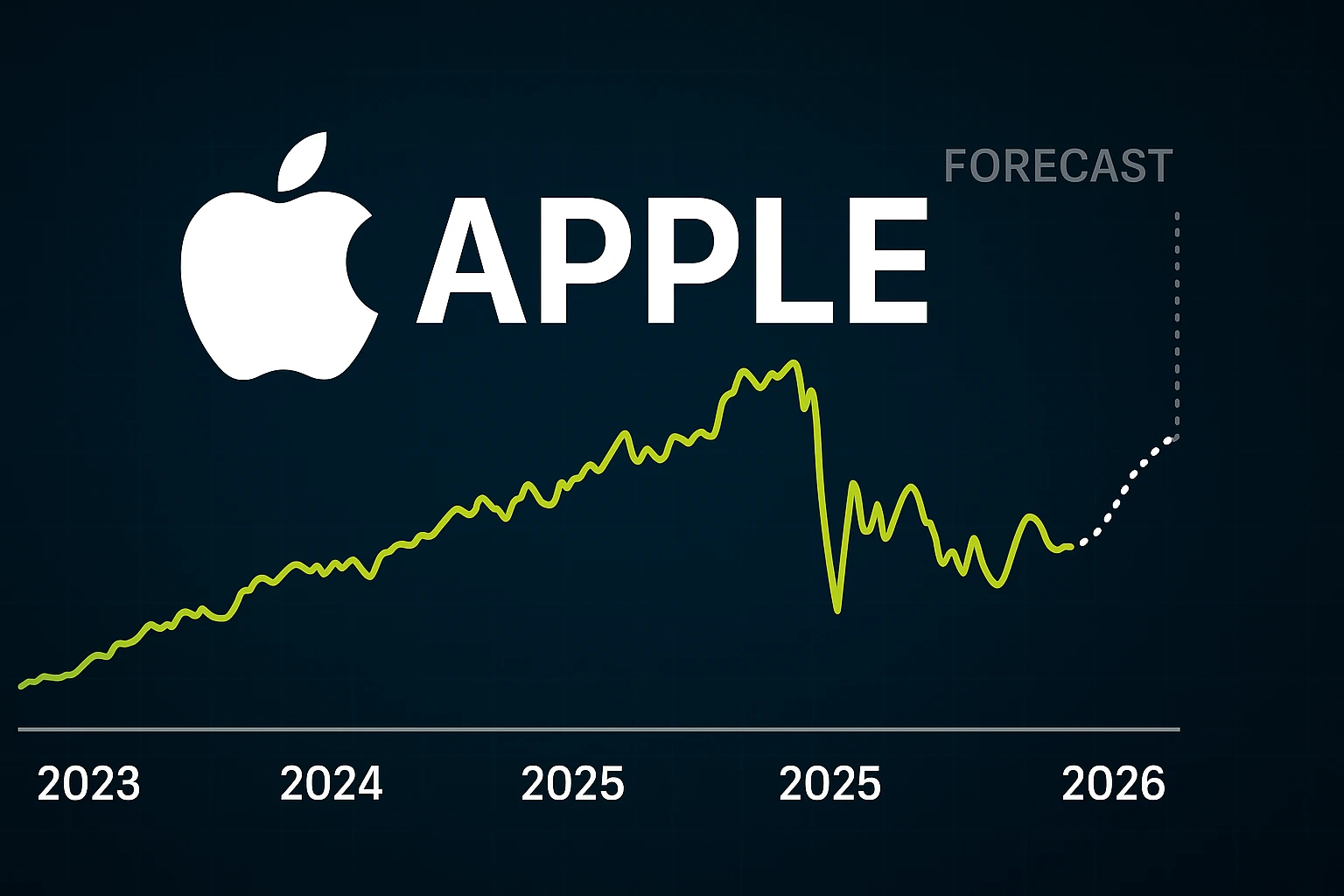
Understanding Apple (AAPL) as a Core Portfolio Asset
When an investor asks for the price of Apple stock, they are looking at the valuation of one of the world’s most successful corporate entities. As of the current market era, Apple consistently maintains a position as one of the largest companies by market capitalization. This status makes its stock price a cornerstone for both institutional portfolios and retail retirement accounts.
Historical Performance and Growth Trajectory
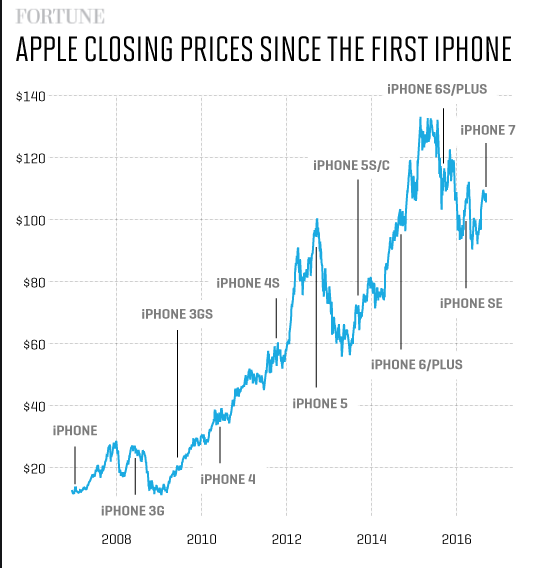
Apple’s stock price history is a masterclass in long-term value creation. From its initial public offering in 1980 to its transformation under Steve Jobs and subsequent expansion under Tim Cook, the stock has undergone multiple splits to remain accessible to retail investors. The price trajectory has transitioned from speculative growth in the early 2000s to a “quality compounder” status in the 2020s. Investors today do not just buy Apple for a quick flip; they hold it for its consistent ability to generate massive cash flow and return that capital to shareholders.
The Role of Market Capitalization
The price per share is only one part of the equation. To truly understand what you are paying for, you must look at the market capitalization—the total dollar market value of all outstanding shares. Because Apple has a high share count due to various splits, the individual share price might seem lower than some other “Magnificent Seven” stocks, yet its total valuation is often higher. This scale provides a level of stability; the sheer amount of capital required to move Apple’s stock price significantly means it often acts as a “safe haven” during periods of tech sector volatility.
Key Drivers Influencing Apple’s Current Stock Price
The price of Apple stock is not static; it reacts to a complex web of internal performance and external economic pressures. To understand why the price is where it is today, one must analyze the primary revenue engines and the shifting landscape of its business model.
Product Revenue Cycles: The iPhone Effect
While Apple has diversified, the iPhone remains the single most significant driver of the stock price. Investors closely monitor “supercycles”—periods when a new hardware release triggers a massive wave of upgrades. When the market perceives that iPhone demand is softening, particularly in key regions like China, the stock price often faces downward pressure. Conversely, breakthroughs in hardware, such as the integration of proprietary silicon (M-series chips), provide a competitive moat that supports a premium stock price.
The Services Pivot: Recurring Revenue and Margins
Perhaps the most significant shift in Apple’s financial narrative over the last decade has been the growth of its Services division. This includes the App Store, iCloud, Apple Music, and Apple Pay. For investors, Services revenue is highly attractive because it is recurring and carries much higher profit margins than hardware. When the market evaluates Apple’s stock price, it increasingly applies a “software multiple” rather than a “hardware multiple,” justifying a higher price-to-earnings ratio because the income is seen as more predictable and stable.
Macroeconomic Factors and Interest Rates
Like all mega-cap tech stocks, Apple’s price is sensitive to the broader economic environment. In a high-interest-rate environment, the present value of future earnings is discounted more heavily, which can suppress the stock price. Furthermore, as a global company, Apple is exposed to currency fluctuations. A strong US dollar can eat into international profits, leading to “earnings misses” that can cause short-term price volatility even if the core business remains healthy.
Evaluating Valuation Metrics: Is AAPL Overvalued or Undervalued?
Determining if the current price of Apple stock is “fair” requires a deep dive into financial ratios. Professional analysts use several benchmarks to decide whether to issue a buy, hold, or sell rating.
Price-to-Earnings (P/E) Ratio Analysis
The P/E ratio is the most common metric used to judge Apple’s price. Historically, Apple traded at a P/E in the mid-teens. However, as the company proved its resilience and grew its services sector, that ratio has expanded, often sitting between 25x and 32x. A high P/E suggests that investors expect significant future growth. If the price rises while earnings stay flat, the P/E expands, leading some value investors to caution that the stock may be overextended.
Free Cash Flow and Dividend Yield
Apple is a cash-generating machine. Its “Free Cash Flow” (FCF) is the money left over after the company pays for its operating expenses and capital expenditures. This cash is what allows Apple to pay dividends and maintain its status as a “Dividend Appreciator.” While the dividend yield might seem low compared to utility stocks, the consistency and the potential for annual increases make the stock’s price more attractive to long-term income seekers.
Share Buybacks and Their Impact on Stock Value
One of the primary reasons Apple’s stock price has remained resilient is its aggressive share repurchase program. By buying back its own shares, Apple reduces the total supply of stock available on the market. According to the laws of supply and demand, reducing supply while maintaining demand causes the price per share to rise. This financial engineering increases “Earnings Per Share” (EPS) even if net income remains steady, providing a consistent tailwind for the stock price.
Future Outlook: Opportunities and Risks for Investors
When considering the price of Apple stock for the future, one must look at the “next big thing” versus the looming regulatory hurdles. The stock price reflects the market’s collective guess about what the company will look like five years from now.
Emerging Markets and Artificial Intelligence
The expansion into emerging markets, particularly India, represents a massive growth opportunity. As the middle class grows in these regions, the potential for new iPhone users—and subsequent Services subscribers—increases. Additionally, the integration of “Apple Intelligence” (AI) into the ecosystem is seen as a potential catalyst for the next major hardware upgrade cycle. If Apple successfully positions itself as the “privacy-first” AI leader, the market is likely to reward the stock with a higher valuation.
Regulatory Challenges and Anti-Trust Concerns
The greatest risk to Apple’s stock price currently comes from the legal and regulatory front. Governments in the US and Europe are increasingly scrutinizing Apple’s “walled garden” ecosystem. Lawsuits regarding App Store fees and restrictive hardware policies threaten the high-margin Services revenue. Any significant legal defeat that forces Apple to open its ecosystem could lead to a “re-rating” of the stock, where investors are no longer willing to pay a high premium for the shares.
Strategic Approaches to Investing in Apple Stock
Knowing the price of Apple stock is only useful if you have a strategy for when and how to buy it. Investing in a company of this size requires a disciplined approach to avoid the pitfalls of market timing.
Dollar-Cost Averaging vs. Lump Sum
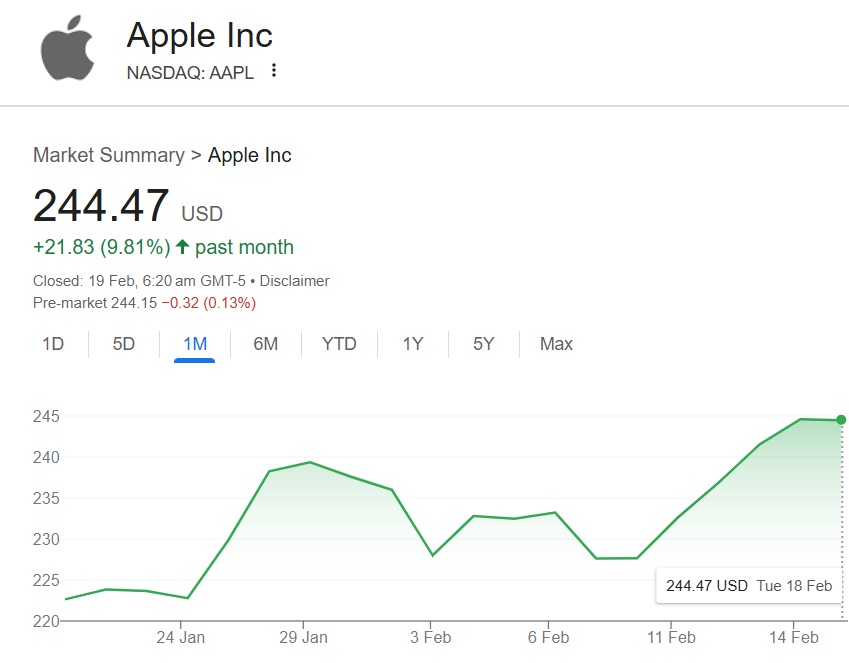
Because Apple is a volatile tech stock that can swing 5-10% based on a single news cycle, many financial advisors recommend Dollar-Cost Averaging (DCA). Instead of buying a large amount at one specific price, you invest a fixed dollar amount at regular intervals. This ensures that you buy more shares when the price is low and fewer when the price is high, averaging out your cost basis over time.
Portfolio Diversification and Risk Management
While Apple is a powerhouse, it should rarely be the only stock in a portfolio. Given its heavy weighting in major indices, many investors are already “over-concentrated” in Apple through their 400(k) or index funds. From a money management perspective, it is vital to assess your total exposure. If Apple makes up more than 10-15% of your individual portfolio, a downturn in the tech sector could have a disproportionate impact on your net worth.
In conclusion, the price of Apple stock is a reflection of its dominant market position, its transition into a services powerhouse, and its unparalleled ability to return capital to shareholders. While hardware cycles and regulatory threats provide short-term volatility, the company’s financial fortress and brand loyalty continue to make it a benchmark for the modern investor. Whether you are looking for growth, income, or stability, AAPL remains a central figure in the conversation of personal finance and institutional investing.
aViewFromTheCave is a participant in the Amazon Services LLC Associates Program, an affiliate advertising program designed to provide a means for sites to earn advertising fees by advertising and linking to Amazon.com. Amazon, the Amazon logo, AmazonSupply, and the AmazonSupply logo are trademarks of Amazon.com, Inc. or its affiliates. As an Amazon Associate we earn affiliate commissions from qualifying purchases.