
The Powerball lottery, a household name synonymous with life-changing jackpots, represents more than just a game of chance; it’s a significant cultural and financial phenomenon. Millions of Americans dream of hitting the winning numbers, captivated by the astronomical sums of money involved. But beyond the immediate allure of instant wealth, understanding the Powerball requires a deeper dive into its financial mechanics, its impact on personal finance, and the broader economic implications it carries. This article will explore the Powerball from a financial perspective, demystifying its odds, analyzing the financial implications of winning, and considering its role within the broader landscape of personal finance and financial decision-making.
The Financial Mechanics of Powerball: Odds, Tickets, and Payouts
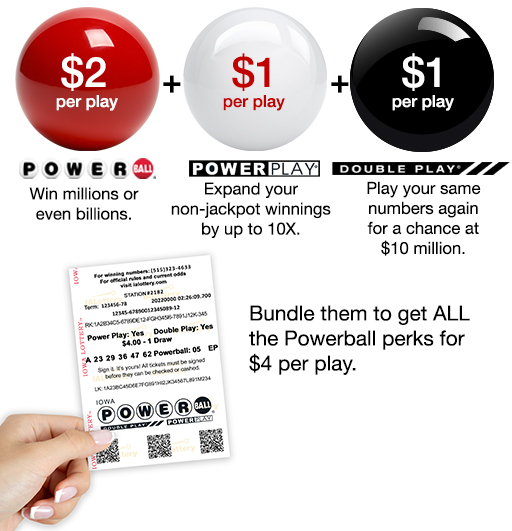
At its core, Powerball is a multi-state lottery game designed to generate substantial revenue for participating states while offering incredibly large prizes to a lucky few. Understanding the financial underpinnings of this game is crucial for anyone considering purchasing a ticket or simply curious about its immense financial appeal.
Deciphering the Odds: The True Cost of a Dream
The most significant financial reality of the Powerball is the improbability of winning the jackpot. The odds of matching all five white balls and the red Powerball are a staggering 1 in 292.2 million. This astronomical figure dwarfs the odds of many other events, from being struck by lightning to becoming a movie star. From a purely statistical standpoint, the purchase of a Powerball ticket is an investment with an overwhelmingly negative expected return.
To illustrate, consider the cost of a ticket, typically $2. For that $2, you are essentially buying a tiny fraction of a chance at an immense prize. The expected value of a ticket can be calculated by multiplying the probability of each prize by its value and summing these products. Even with the largest jackpots, the expected value of a Powerball ticket is significantly less than its cost due to the extremely low probability of winning the top prize and the taxes that will inevitably be deducted. While smaller prizes offer slightly better odds, their payouts are also considerably less, further diminishing the overall expected financial return.
Ticket Purchases: A Behavioral Economics Perspective
Despite the unfavorable odds, ticket sales surge dramatically when jackpots reach hundreds of millions or even billions of dollars. This behavior can be understood through the lens of behavioral economics. The allure of the “unbelievably lucky” outcome, coupled with the recency bias of seeing others win (even if those wins are rare), can override rational financial decision-making. The perceived value of a ticket increases exponentially as the jackpot grows, creating a psychological effect where the dream of winning outweighs the near certainty of losing the ticket price.
Furthermore, social factors play a role. Office pools and family bets create a shared experience and a sense of communal hope, making individual purchases feel less like a solitary gamble and more like participating in a collective aspiration. This social reinforcement can further encourage participation, even among individuals who might otherwise recognize the poor financial proposition.
Prize Structures and Payout Options: Lump Sum vs. Annuity
For those rare individuals who do beat the odds, the financial decisions surrounding their winnings are complex and critical. Powerball prizes are typically offered in two payout forms: a lump sum or an annuity.
The lump sum option provides the winner with a single, immediate cash payment. This amount is always less than the advertised jackpot because it represents the present value of the annuity payments, discounted to reflect the time value of money. While seemingly the most straightforward option, it requires immediate and significant financial planning to manage such a vast sum responsibly.
The annuity option involves a series of payments spread over 30 years. These payments are generally equal and adjusted for inflation, offering a more sustained, albeit slower, influx of wealth. This option can provide a buffer against impulsive spending and ensure a steady income stream, but it also means the winner doesn’t have immediate access to the full jackpot amount.
The choice between these two options has profound financial implications, impacting tax liabilities, investment potential, and long-term financial security. Understanding the tax implications of both options is paramount, as lottery winnings are subject to federal and state income taxes, which can significantly reduce the net amount received.
The Financial Impact of Winning the Powerball: Beyond the Jackpot
Winning the Powerball jackpot is an event that fundamentally alters a person’s financial trajectory. However, the immediate euphoria can often mask the complex financial challenges and opportunities that arise from such an unprecedented windfall. Responsible financial management becomes not just advisable, but absolutely essential for long-term success and security.
Navigating the Windfall: Immediate Financial Steps
The first few days and weeks after winning are critical. A crucial first step is securing the winning ticket. This involves signing the back of the ticket and making copies, then storing it in a secure location, such as a safe deposit box. Before claiming the prize, it is highly recommended to assemble a team of trusted financial professionals. This typically includes an experienced tax attorney, a certified public accountant (CPA), and a reputable financial advisor. These experts can guide the winner through the complex legal and financial maze ahead, helping them make informed decisions about claiming the prize, managing investments, and minimizing tax liabilities.
Another immediate concern is maintaining anonymity if possible. While not always feasible, some states allow lottery winners to claim prizes anonymously or through a trust. Protecting one’s privacy can prevent unwanted attention, requests for financial assistance from strangers, and potential security risks.
Managing Wealth: The Pitfalls and Possibilities of Sudden Riches
The sheer magnitude of a Powerball jackpot can be overwhelming. Without proper planning, sudden wealth can lead to a phenomenon known as “sudden wealth syndrome,” characterized by anxiety, isolation, and poor financial decision-making.
Pitfalls to avoid include:
- Impulsive Spending: The temptation to buy luxury items, extravagant homes, and expensive cars can quickly deplete even the largest jackpots.
- Unsolicited Advice and Requests: Winners are often bombarded with requests for loans, investments, and donations, making it difficult to discern genuine opportunities from scams.
- Poor Investment Decisions: Investing in schemes that promise high returns without adequate due diligence can lead to significant losses.
- Strained Relationships: Sudden wealth can strain existing relationships, leading to jealousy, resentment, or an expectation of financial support.
Possibilities for responsible wealth management include:
- Diversified Investment Portfolio: Working with financial advisors to create a well-diversified investment strategy that balances risk and return, aiming for long-term capital preservation and growth.
- Estate Planning: Establishing a comprehensive estate plan to ensure the wealth is distributed according to the winner’s wishes and to minimize future tax burdens for heirs.
- Philanthropy and Legacy: Establishing charitable foundations or making significant donations to causes the winner cares about, creating a lasting positive impact.
- Financial Education: Continuously educating oneself about financial management, investing, and tax laws to make informed decisions.
Tax Implications: The Unavoidable Reality
The taxman always gets a cut, and lottery winnings are no exception. Federal income tax rates apply to lottery winnings, and depending on the state of residence, state income taxes may also be levied. For the lump sum payout, the full amount is subject to taxation in the year of receipt. For the annuity payments, each installment is taxed in the year it is received.
Understanding the progressive tax brackets is crucial. A massive jackpot could push a winner into the highest tax brackets, significantly reducing the net amount they ultimately receive. Tax attorneys and CPAs can help structure the winnings in a tax-efficient manner, potentially through trusts or strategic gifting, though the fundamental tax liability remains substantial. The long-term tax strategy for managing lottery winnings is as important as the initial investment strategy, requiring ongoing attention and expert advice.
Powerball and Personal Finance: A Broader Financial Perspective
While the focus often lies on the dream of winning, the Powerball lottery also offers valuable lessons and insights into personal finance principles that apply to everyone, regardless of their lottery participation. Understanding these broader financial concepts can help individuals make more informed decisions about their money, even without the allure of a massive jackpot.
The Psychology of Risk and Reward
The Powerball exemplifies the fundamental human tendency to be drawn to high-risk, high-reward scenarios. In personal finance, this translates to understanding the spectrum of risk. Investing in the stock market, for instance, carries inherent risk, but with the potential for significant long-term rewards, albeit on a much smaller scale than lottery winnings. Understanding one’s own risk tolerance is crucial. Are you comfortable with potentially losing your initial investment for the chance of substantial gains, or do you prioritize capital preservation? The Powerball, in its extreme form, highlights the importance of assessing the probability of success against the potential downside.
The Value of Delayed Gratification
The contrast between the instant gratification of buying a lottery ticket and the long-term, sustained rewards of saving and investing is stark. Powerball encourages immediate spending with an infinitesimal chance of a future windfall. Conversely, sound personal finance principles emphasize delayed gratification – sacrificing present pleasures for greater future financial security. This could involve saving for a down payment on a house, investing for retirement, or building an emergency fund. The Powerball serves as a potent reminder that consistent, disciplined saving and investing, even with smaller, more predictable returns, is a far more reliable path to financial well-being than relying on pure chance.
Financial Literacy and Informed Decision-Making
The complex financial decisions faced by a lottery winner underscore the critical importance of financial literacy. Understanding concepts like interest, inflation, diversification, taxation, and risk management is essential for anyone to navigate their financial life effectively. Even for those who never win the Powerball, a basic understanding of these principles can lead to better budgeting, more informed investment choices, and a stronger financial future. The lottery, in its own way, can act as a conversation starter about financial planning, prompting individuals to consider what they would do with a large sum of money and, by extension, how they can better manage the money they currently have.
The Opportunity Cost of Lottery Tickets
Every dollar spent on a lottery ticket is a dollar not saved, invested, or spent on something else. This concept of opportunity cost is fundamental to personal finance. While $2 might seem insignificant, the cumulative effect of regularly purchasing lottery tickets can represent a substantial loss of potential wealth over time. For instance, if an individual spent $10 per week on Powerball tickets and instead invested that money in a fund with an average annual return of 7%, that investment could grow to a considerable sum over several decades. The Powerball serves as a tangible example of how small, seemingly inconsequential spending habits can have a significant long-term impact on one’s financial health. By recognizing the opportunity cost associated with frequent lottery purchases, individuals can re-evaluate their spending priorities and redirect those funds towards more financially beneficial avenues.
aViewFromTheCave is a participant in the Amazon Services LLC Associates Program, an affiliate advertising program designed to provide a means for sites to earn advertising fees by advertising and linking to Amazon.com. Amazon, the Amazon logo, AmazonSupply, and the AmazonSupply logo are trademarks of Amazon.com, Inc. or its affiliates. As an Amazon Associate we earn affiliate commissions from qualifying purchases.