
St. Patrick’s Day, celebrated annually on March 17th, has transcended its religious origins to become a global spectacle of green, parades, and revelry. For many, its “point” might seem obvious: a day for celebration, heritage, or simply an excuse for merriment. However, from a strategic brand perspective, this seemingly simple holiday is a masterclass in cultural branding, nation-building, and sophisticated marketing, illustrating the profound power of identity and narrative on a global scale. Its enduring relevance and expansive reach reveal a multi-layered purpose that extends far beyond a mere calendar date.
The Global Brand Phenomenon of St. Patrick’s Day
At its core, St. Patrick’s Day functions as one of the world’s most recognizable and successful cultural brands. What began as a solemn religious feast day commemorating the patron saint of Ireland has evolved into an international icon, celebrated by millions worldwide, irrespective of their direct Irish lineage. This transformation wasn’t accidental; it’s a testament to effective brand building and strategic narrative dissemination.
From Religious Observance to International Icon
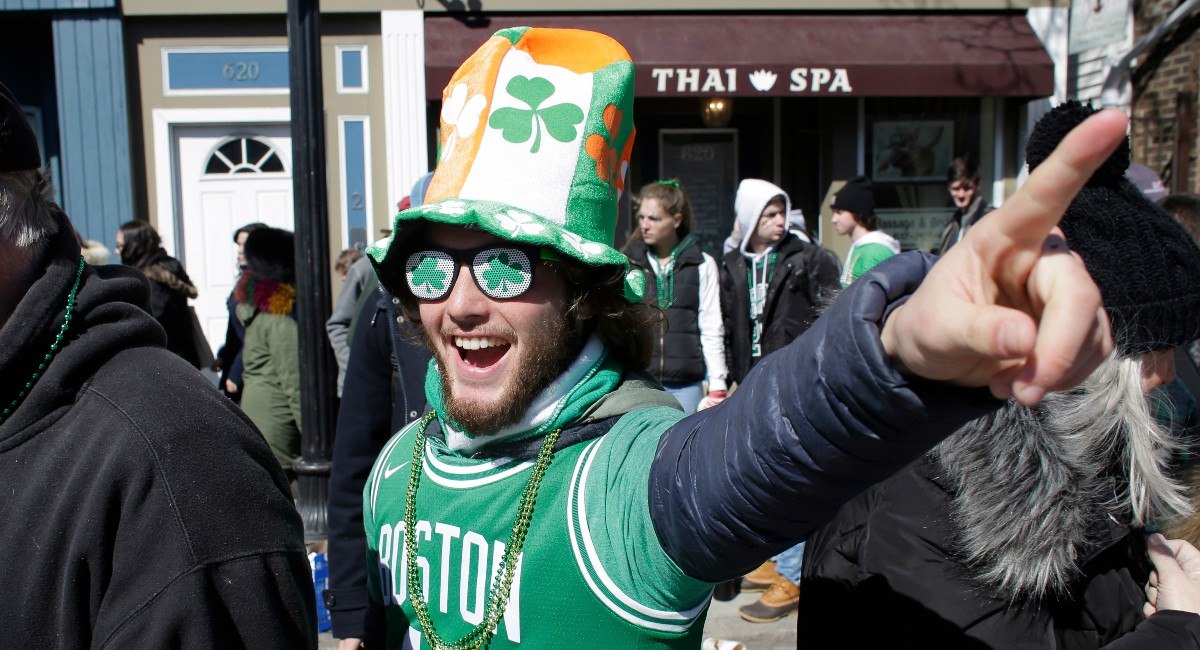
Initially, St. Patrick’s Day was observed primarily within Ireland as a religious holiday. Its journey to global prominence began with the Irish diaspora, particularly in North America, where immigrants sought to maintain their cultural identity and solidarity. The first St. Patrick’s Day parade, for instance, occurred in New York City in 1762, not Ireland. This transplantation and adaptation by a dispersed community laid the groundwork for its broader appeal. Over centuries, what was once a localized observance gained traction as a symbol of Irish heritage and pride amongst those who had left the Emerald Isle. This organic growth, fueled by cultural preservation and community building, was the first significant branding phase, establishing the holiday’s core identity as a celebration of Irishness.
Crafting a Universal Identity
The genius of the St. Patrick’s Day brand lies in its ability to craft a universal identity that resonates beyond ethnic boundaries. While deeply rooted in Irish culture, elements like the color green, shamrocks, leprechauns, and parades have become globally recognized symbols. These visual and experiential cues are instantly identifiable, creating a shorthand for celebration, camaraderie, and a touch of whimsical escape. The “brand” of St. Patrick’s Day successfully distills complex cultural heritage into accessible, engaging components that invite participation from anyone. This universal appeal is not merely about wearing green; it’s about participating in a collective experience that signifies joy, community, and a momentary embrace of Irish spirit, demonstrating how cultural touchstones can be strategically simplified and amplified for mass consumption.
Strategic Marketing and Commercial Leverage
Beyond its cultural significance, St. Patrick’s Day represents a potent commercial opportunity and a prime example of strategic marketing in action. Businesses, cities, and even entire nations leverage the holiday’s established brand equity to drive engagement, boost sales, and promote tourism.
Corporate Branding and Seasonal Campaigns
For corporations across various sectors, St. Patrick’s Day is a crucial seasonal window. Food and beverage companies, in particular, capitalize on the holiday with themed products, limited-edition offerings, and extensive marketing campaigns. Breweries launch special editions, restaurants feature Irish-inspired menus, and retailers stock shelves with green apparel and novelty items. This corporate alignment with the holiday brand is highly strategic: it taps into an existing, well-loved cultural phenomenon, allowing brands to connect with consumers on an emotional level. These campaigns often emphasize themes of community, fun, and tradition, subtly associating these positive attributes with the brand itself. The financial returns from these targeted campaigns underscore the holiday’s significant economic impact, proving that cultural events, when branded effectively, are powerful engines for commercial activity.
Destination Marketing and Tourism Appeal

For cities and countries, St. Patrick’s Day is a cornerstone of destination marketing. Ireland itself orchestrates a sophisticated global campaign, inviting the world to experience the authentic roots of the celebration. The “Global Greening” initiative, where iconic landmarks worldwide are illuminated in green, is a brilliant piece of PR and nation branding, physically connecting disparate parts of the globe to Ireland. Beyond Ireland, cities like Chicago (with its famously dyed river), Boston, and New York use their parades and festivities to attract tourists, generating significant revenue for local economies through hospitality, retail, and entertainment. This strategic deployment of the St. Patrick’s Day brand transforms a single day into a powerful economic driver, showcasing how cultural festivals can be harnessed to enhance a destination’s global appeal and generate substantial tourism dollars.
Cultural Branding and National Identity
Perhaps the most profound point of St. Patrick’s Day lies in its function as a powerful vehicle for cultural branding and the projection of national identity. It serves as an annual reminder of Ireland’s rich heritage and its indelible mark on global culture.
Ireland’s Soft Power and Global Reach
St. Patrick’s Day is an extraordinary example of “soft power” in action. Without military might or economic dominance, Ireland has, through its cultural exports and diaspora, established a disproportionately large global presence. The holiday acts as an annual cultural ambassador, projecting an image of warmth, hospitality, and vibrant tradition. It provides a touchpoint for people worldwide to engage with Irish culture, fostering goodwill and strengthening diplomatic ties. This cultural branding elevates Ireland’s standing on the international stage, making it more visible, more appealing, and more influential than its geographical size might suggest. The global celebration reinforces a positive national stereotype, contributing to a strong and attractive national brand identity that benefits tourism, trade, and international relations.
Diaspora Connection and Community Building
For the vast Irish diaspora, St. Patrick’s Day is an essential moment for connection and reaffirmation of identity. It’s a day when Irish heritage, no matter how distant, is celebrated and shared. Parades, gatherings, and events worldwide provide platforms for communities to come together, share traditions, and reinforce familial and cultural bonds. This aspect highlights the personal branding dimension of the holiday; it allows individuals to express and celebrate a part of their identity. The holiday acts as a powerful unifier, bridging geographical divides and sustaining a sense of collective belonging among millions who trace their roots back to Ireland. It demonstrates the enduring power of a shared cultural brand to maintain cohesion and identity across generations and continents.
The Evolving Brand Narrative
Like any successful brand, the St. Patrick’s Day narrative is not static; it evolves, adapts, and occasionally faces scrutiny. Its continued relevance depends on its ability to embrace modern interpretations while honoring its traditions.
Modern Interpretations and Inclusivity
In recent years, the brand of St. Patrick’s Day has navigated calls for greater inclusivity and a more nuanced portrayal of Irish culture. While historically associated with certain stereotypes (often benign, but sometimes reductive), there’s an ongoing effort to broaden the narrative. This includes emphasizing the diversity of modern Ireland, moving beyond purely historical or quaint depictions. Parades and events now often incorporate elements that celebrate LGBTQ+ communities, various ethnic groups within Ireland, and contemporary Irish arts and sciences. This strategic evolution ensures the brand remains relevant and appealing to a wider, more diverse audience, demonstrating flexibility and a commitment to modern values without losing its core identity.

Sustaining Relevance in a Crowded Calendar
In an increasingly crowded calendar of cultural events and commercial holidays, the “point” of St. Patrick’s Day from a brand perspective is to sustain its unique position and appeal. This requires continuous effort in marketing, cultural diplomacy, and innovative engagement. The holiday’s ability to consistently generate global participation, commercial interest, and cultural resonance speaks volumes about the strength of its underlying brand strategy. It has successfully created a global moment that is both deeply rooted in history and remarkably adaptable to contemporary contexts, ensuring its enduring place as a significant cultural and commercial phenomenon.
Ultimately, the “point” of St. Patrick’s Day, when viewed through the lens of branding, is multifaceted: it is a masterclass in cultural export, a powerful tool for nation branding and soft power, a significant commercial opportunity for businesses, and a cherished moment for community building and identity affirmation. Its success lies in its expertly crafted narrative, universal symbols, and the ability to inspire a collective global celebration of a vibrant cultural heritage.
aViewFromTheCave is a participant in the Amazon Services LLC Associates Program, an affiliate advertising program designed to provide a means for sites to earn advertising fees by advertising and linking to Amazon.com. Amazon, the Amazon logo, AmazonSupply, and the AmazonSupply logo are trademarks of Amazon.com, Inc. or its affiliates. As an Amazon Associate we earn affiliate commissions from qualifying purchases.