
The “Twilight” saga, a cultural phenomenon that captivated audiences worldwide, is more than just a series of vampire romance films. For fans, understanding the correct chronological order of these movies is essential for appreciating the unfolding narrative, character development, and the intricate supernatural mythology. Beyond the sheer entertainment value, the franchise’s success offers a fascinating case study in brand building, marketing strategies, and the power of franchise management within the entertainment industry. This article delves into the definitive viewing order of the “Twilight” films, exploring the strategic decisions that shaped the brand and its enduring appeal.

The Canonical Chronological Order: A Viewing Guide
To fully immerse oneself in the world of Bella Swan, Edward Cullen, and Jacob Black, it is crucial to follow the story as it was intended. The film adaptation of Stephenie Meyer’s bestselling novels meticulously follows the book’s narrative progression, making the viewing order straightforward, yet essential for comprehension. Each film builds upon the events and character arcs established in its predecessor, creating a cohesive and compelling saga.
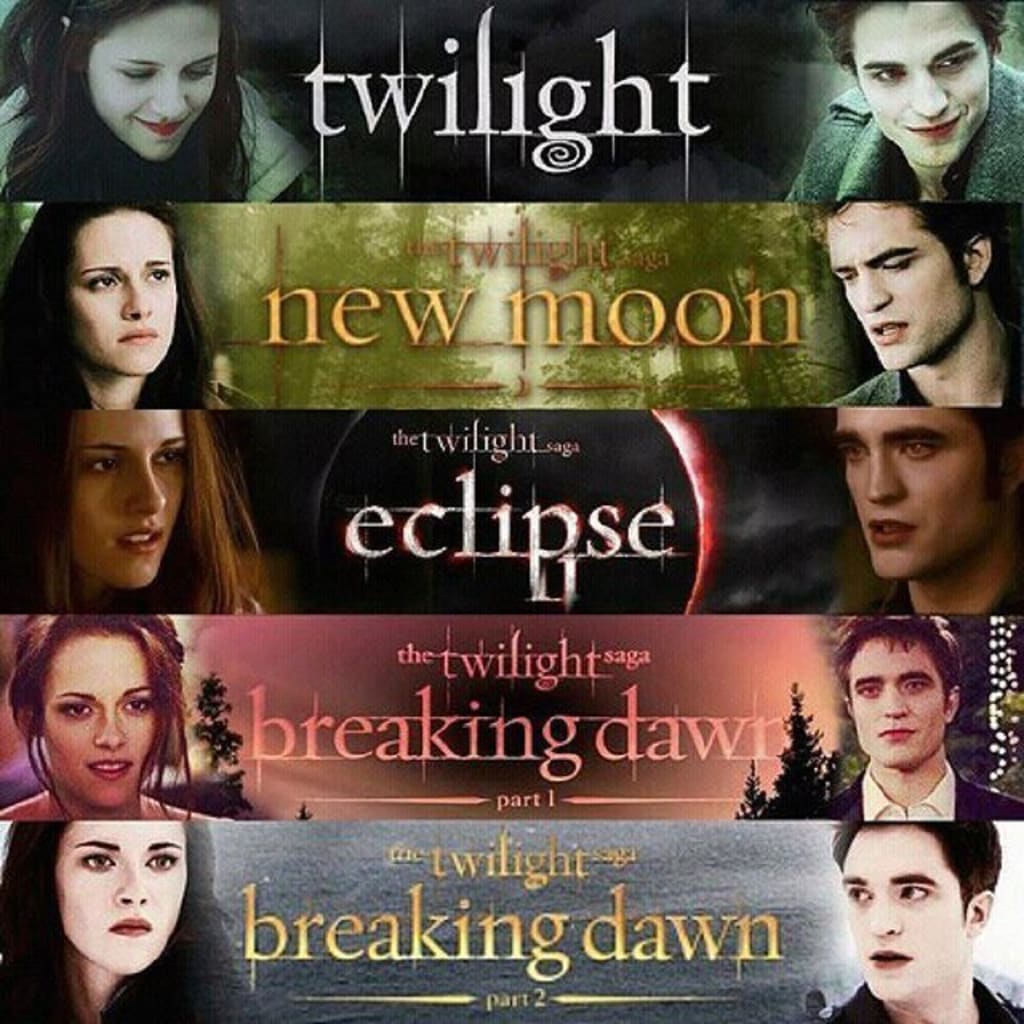
Twilight (2008)
The journey begins with “Twilight.” This foundational film introduces us to Isabella “Bella” Swan, a seemingly ordinary teenage girl who moves to the perpetually overcast town of Forks, Washington. Her life takes a dramatic turn when she becomes infatuated with the mysterious and alluring Edward Cullen. Edward, however, is not your average high school student; he is a vampire, part of a coven that has chosen to abstain from drinking human blood. The film masterfully sets the stage for the central conflict: Bella’s forbidden love for Edward and the inherent dangers that come with their relationship, including the supernatural threats that lurk in the shadows of Forks. This installment focuses heavily on establishing the core characters, their motivations, and the initial spark of their extraordinary romance. The “brand” of the immortal, brooding vampire, contrasted with the vulnerability of a human, is firmly established here, setting a powerful emotional hook for the audience.
The Twilight Saga: New Moon (2009)
“New Moon” marks a significant turning point in the saga. Following a near-fatal incident at her birthday party, Edward, fearing for Bella’s safety, makes the heart-wrenching decision to leave Forks. This abandonment plunges Bella into a deep depression, during which she finds solace in her growing friendship with Jacob Black, a member of the Quileute tribe who harbors his own supernatural secret: he is a werewolf. As Bella’s world crumbles without Edward, she begins to experience vivid hallucinations that seem to bring him back to her whenever she puts herself in danger. This film explores themes of heartbreak, longing, and the complexities of differing supernatural factions – vampires and werewolves. The franchise’s “brand” expands to include a new, equally compelling romantic rival, widening the appeal and creating a love triangle that would become a central pillar of its marketing. The visual shift, with more Italian and American desert landscapes, also marked a new chapter in the franchise’s aesthetic.
The Twilight Saga: Eclipse (2010)
“Eclipse” escalates the stakes considerably. The fragile peace between the vampires and werewolves of Forks is shattered by the return of Victoria, a vengeful vampire seeking to avenge the death of her mate, James, from the first film. Victoria has created an army of newborn vampires, a force of pure destruction, and their sights are set on Bella. To protect her, Edward and his family must form an uneasy alliance with the Quileute werewolf pack. This alliance forces Edward and Jacob to confront their animosity and work together for a common goal. “Eclipse” delves deeper into the political landscape of the vampire world, introducing new factions and ancient rivalries. The film is a thrilling blend of action, romance, and supernatural conflict, showcasing the franchise’s ability to weave complex storylines with intense emotional arcs. The “brand” solidifies its appeal by offering both high-octane action sequences and the continued exploration of the central love triangle, appealing to a broader audience.
The Twilight Saga: Breaking Dawn – Part 1 (2011)
The penultimate film, “Breaking Dawn – Part 1,” is a monumental event within the saga: the wedding of Bella Swan and Edward Cullen. This highly anticipated event is soon followed by an even more shocking development – Bella becomes pregnant with Edward’s half-vampire, half-human child. The pregnancy is incredibly dangerous, rapidly draining Bella’s life force. This creates a desperate race against time for Edward and his family to find a way to save Bella and their unborn child. The film is characterized by its emotional intensity, exploring themes of sacrifice, family, and the profound consequences of immortal choices. The birth scene itself is graphic and harrowing, solidifying the film’s place as a pivotal, transformative moment in the narrative. The “brand” leverages the ultimate romantic fantasy – marriage – and then subverts it with a shocking, high-stakes pregnancy, ensuring continued buzz and audience engagement.
The Twilight Saga: Breaking Dawn – Part 2 (2012)
The grand finale, “Breaking Dawn – Part 2,” brings the saga to a dramatic and action-packed conclusion. Bella awakens from childbirth transformed into a powerful vampire, finally understanding the world she has chosen to be a part of. However, their newfound peace is shattered when the Volturi, the ancient and powerful ruling council of vampires, are misinformed that Renesmee, Bella and Edward’s daughter, is an immortal child – a forbidden creation that poses a threat to the vampire world. This misconception leads to a tense standoff, pitting the Cullens and their diverse allies against the formidable Volturi. The film culminates in an epic, visually stunning battle that not only tests the strength and resolve of the protagonists but also delivers a surprising and satisfying resolution to the complex narrative arc. The “brand” goes full circle, offering Bella empowerment and agency as a vampire, and then engaging in a high-stakes, visually spectacular conflict that provides a definitive, crowd-pleasing conclusion to the franchise, leaving a lasting impression.
The Brand Strategy of the Twilight Saga

The “Twilight” saga’s journey from a popular book series to a global cinematic phenomenon is a masterclass in brand strategy and marketing. Beyond the compelling narrative and romantic entanglements, a deliberate and effective approach was taken to cultivate and maintain the franchise’s immense popularity. This involved understanding the target audience, leveraging the source material, and employing strategic marketing tactics that resonated with fans and attracted new ones.
Leveraging the Source Material and Target Audience
The success of the “Twilight” films is intrinsically linked to the massive fanbase already established by Stephenie Meyer’s novels. The books tapped into a burgeoning interest in paranormal romance, particularly among young adults and female readers. The film adaptations wisely recognized this existing audience and focused on remaining faithful to the spirit and key plot points of the books. This ensured that the core fanbase felt heard and valued, becoming the bedrock of the franchise’s initial success. The brand was built on the promise of bringing beloved characters and their epic romance to life on the big screen, a promise that the films delivered with significant visual flair and emotional depth.
Character Archetypes and Relatability
At the heart of the “Twilight” brand are its iconic characters and the archetypes they represent. Bella Swan, the relatable, awkward protagonist who finds herself at the center of extraordinary circumstances, provided an entry point for many viewers. Edward Cullen, the tortured, immortal heartthrob, fulfilled a timeless fantasy of forbidden love and protective devotion. Jacob Black, the loyal, passionate best friend who offers an alternative path, introduced a classic love triangle dynamic. These characters, despite their supernatural nature, were imbued with human emotions and relatable struggles, allowing audiences to connect with them on a deep emotional level. The “brand” expertly played on these archetypal figures, creating strong emotional anchors that fueled fan devotion and extensive fan-generated content.
The Power of Marketing and Fan Engagement
The marketing campaign for the “Twilight” films was meticulously crafted to build anticipation and maintain momentum. Trailers, posters, and promotional events consistently highlighted the romantic tension and supernatural intrigue, creating a buzz that extended far beyond traditional moviegoers. The studios understood the power of social media and online communities, actively engaging with fans and encouraging discussions. This approach fostered a sense of community around the brand, making fans feel like active participants in the saga’s journey. The “brand” was further solidified by its distinctive visual aesthetic and the memorable soundtrack, which became almost as iconic as the films themselves, contributing to a multi-sensory brand experience. The decision to split the final book into two films was also a strategic marketing move, maximizing box office potential and extending the franchise’s cultural presence.
The Financial Phenomenon of the Twilight Saga
The “Twilight” saga transcended its status as a mere film franchise; it became a colossal financial powerhouse. The immense popularity of the books translated into extraordinary box office success, demonstrating the immense commercial potential of well-executed young adult adaptations. The franchise’s financial impact extended beyond ticket sales, influencing merchandising, tourism, and the broader landscape of the film industry’s approach to intellectual property.
Box Office Dominance and Return on Investment
The “Twilight” films consistently delivered exceptional returns on investment. Each installment, despite varying budgets, achieved significant box office earnings, culminating in a global gross exceeding $3.3 billion. This remarkable financial performance positioned the franchise as one of the most successful in cinematic history, particularly within its genre. The initial “Twilight” film, made on a modest budget of $37 million, grossed over $400 million worldwide, a testament to its immediate commercial appeal and the power of its established fanbase. Subsequent films continued this trend, with each installment generally outperforming its predecessor, demonstrating sustained audience interest and the franchise’s growing global reach. This consistent profitability made the “Twilight” saga a highly attractive property for studios.
Merchandising and Ancillary Revenue Streams
The financial success of the “Twilight” films was not limited to ticket sales. The franchise spawned a vast array of merchandising opportunities, from apparel and jewelry to video games and collectibles. These ancillary revenue streams significantly boosted the overall profitability of the brand. The visual elements of the films – the distinctive fashion, the iconic imagery of vampires and werewolves, and the romantic symbolism – provided fertile ground for product development. The allure of owning a piece of the “Twilight” universe allowed fans to extend their engagement with the brand beyond the cinematic experience, creating a continuous cycle of consumption and reinforcing brand loyalty. The financial impact of this merchandising was substantial, further solidifying “Twilight” as a commercial juggernaut.
Impact on Franchise Development and the YA Market
The unprecedented financial success of the “Twilight” saga had a profound impact on the film industry, particularly on the development of young adult (YA) franchises. Studios, witnessing the immense profitability of “Twilight,” aggressively sought out similar properties, leading to a boom in YA adaptations of books. This era saw the rise of other major franchises like “The Hunger Games” and “Divergent,” all inspired by “Twilight’s” blueprint for success: a compelling narrative, relatable characters, a strong romantic element, and a dedicated young audience. The “Twilight” brand demonstrated the viability and immense financial potential of targeting this demographic, shifting studio priorities and influencing the types of stories greenlit for production. Its financial triumph proved that investing in well-executed adaptations of popular YA literature could yield extraordinary financial rewards, reshaping the landscape of blockbuster filmmaking for years to come.
aViewFromTheCave is a participant in the Amazon Services LLC Associates Program, an affiliate advertising program designed to provide a means for sites to earn advertising fees by advertising and linking to Amazon.com. Amazon, the Amazon logo, AmazonSupply, and the AmazonSupply logo are trademarks of Amazon.com, Inc. or its affiliates. As an Amazon Associate we earn affiliate commissions from qualifying purchases.