
For enthusiasts of large-scale, immersive military simulation and chaotic multiplayer action, the question of “what’s the newest Battlefield game?” is a recurring quest. The Battlefield series, developed primarily by DICE and published by Electronic Arts, has carved out a unique niche in the first-person shooter genre since its inception in 2002. Known for its expansive maps, vehicle warfare, class-based gameplay, and unparalleled environmental destruction, it consistently pushes technological boundaries in interactive entertainment. This article delves into the latest official installment, exploring its features, the underlying technology, the community’s reception, and what the future may hold for this iconic franchise within the ever-evolving landscape of video game technology.
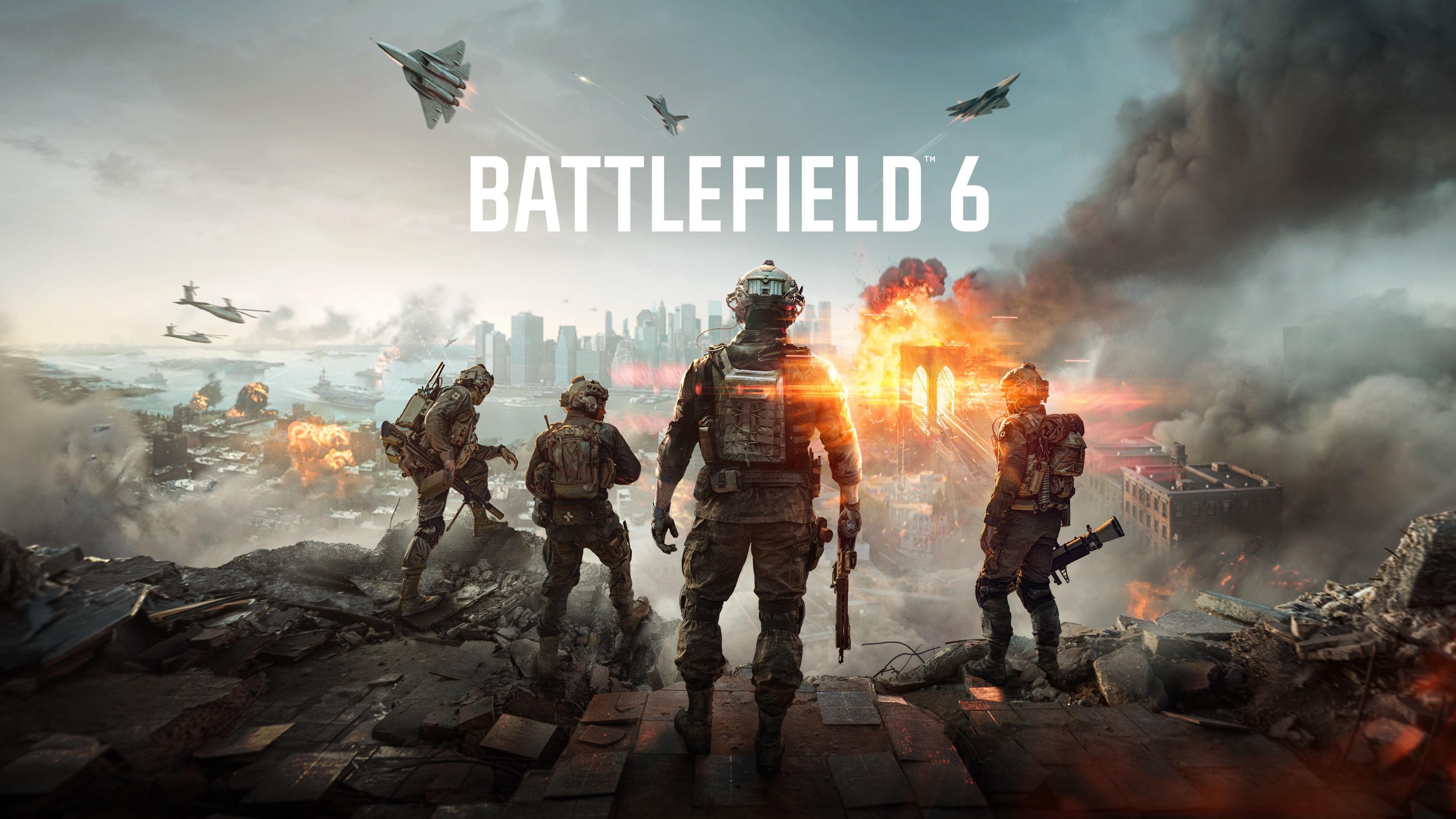
Pinpointing the Latest Entry in the Battlefield Saga
Keeping track of major gaming franchises can be a challenge, given the often long development cycles and the rapid pace of technological advancements. For the Battlefield series, its legacy is built on a consistent drive for innovation and spectacle.
Battlefield 2042: The Current Frontline
As of its release in November 2021, the newest mainline installment in the franchise is Battlefield 2042. This title represented a significant departure and evolution for the series in several key areas, aiming to modernize its core tenets while pushing the boundaries of what a Battlefield game could be. Set in a near-future world ravaged by climate change and resource wars, 2042 cast players as “Specialists” – unique characters with distinct abilities and gadgets, replacing the traditional class system that had been a hallmark of previous titles.
The game launched with several ambitious game modes. “All-Out Warfare” brought back the series’ signature Conquest and Breakthrough modes, supporting an unprecedented 128 players on PC and current-generation consoles (PlayStation 5, Xbox Series X/S), a substantial leap from the traditional 64-player count. “Hazard Zone” offered a squad-based extraction experience, while “Battlefield Portal” was perhaps its most innovative feature: a robust creation suite allowing players to design and share custom game modes using assets, rules, and maps from Battlefield 1942, Bad Company 2, and Battlefield 3, alongside 2042’s own content. This tool effectively transformed the game into a platform for historical and futuristic Battlefield experiences simultaneously, demonstrating a powerful use of cross-generational game asset management and user-generated content infrastructure.
Evolution of the Series: A Quick Retrospective
The Battlefield series has a rich history of technological innovation and gameplay evolution. From the large-scale World War II battles of Battlefield 1942, which pioneered 64-player online warfare, to the destructible environments of Battlefield: Bad Company, the series consistently set new benchmarks. Battlefield 3 and Battlefield 4 showcased the power of the Frostbite engine, delivering stunning visuals and unprecedented destruction. Battlefield 1 and Battlefield V took players to the trenches of World War I and the battlefields of World War II respectively, blending historical authenticity with signature Battlefield chaos. Each iteration brought advancements in graphics, physics engines, netcode, and audio design, pushing the hardware limits of its time. The core appeal – expansive maps, combined arms warfare with infantry and vehicles, and a focus on objective play – has remained constant, making the question of “what’s next?” always relevant for its dedicated fanbase.
Unpacking Battlefield 2042: Features, Feedback, and Future
Battlefield 2042, while aiming for innovation, also faced significant scrutiny. Its launch and subsequent journey illustrate the complexities of developing and maintaining a live-service game in today’s competitive market.
Gameplay Mechanics and Innovations
The most notable shift in Battlefield 2042 was the introduction of Specialists. These unique characters, each with a specific gadget and trait, replaced the rigid class system of Assault, Medic, Support, and Recon. While intended to offer more tactical flexibility and individuality, this change was met with mixed reactions from the community. Many players felt it diluted the teamplay aspect and made Specialists feel too similar to heroes in other shooter games, moving away from Battlefield’s tactical squad identity.
All-Out Warfare, with its 128-player count, truly delivered on the promise of larger-than-life battles. The scale felt immense, especially on maps designed to accommodate such vast numbers, creating truly epic moments of combined arms chaos. The Battlefield Portal mode, however, stood out as a beacon of innovation. By giving players the tools to remix and create their own Battlefield experiences, it offered unparalleled replayability and a nostalgic trip down memory lane for long-time fans. This mode demonstrated a sophisticated backend capable of integrating disparate game assets and rule sets, highlighting robust game engine flexibility and a forward-thinking approach to user-generated content. Conversely, Hazard Zone, an extraction shooter mode, struggled to gain significant traction compared to its peers in the genre and was eventually retired from active development.
Technical Foundations and Performance
Battlefield 2042 was built on a heavily modified version of the Frostbite engine, a proprietary engine developed by DICE that has been the backbone of the series since Battlefield: Bad Company. This engine is renowned for its graphical fidelity, realistic destruction physics, and ability to render vast, detailed environments. For 2042, it was optimized to handle the 128-player count and larger maps, pushing hardware capabilities on both PC and next-gen consoles.
Despite its powerful engine, the game’s launch was plagued by numerous technical issues. Bugs, performance optimization problems, and server stability concerns marred the initial experience for many players. While the graphical quality and sound design, especially the immersive audio that captures the intensity of battle, were generally praised, these technical shortcomings significantly impacted initial player enjoyment and critical reception. The game’s ambition in scale and player count undoubtedly stretched the engine and development team to their limits, leading to a less polished launch than anticipated.
Community Reception and Post-Launch Trajectory
The initial reception for Battlefield 2042 was largely negative, a stark contrast to the high expectations surrounding the franchise. Players expressed disappointment over the Specialist system, the number of bugs, the lack of traditional Battlefield features (like a scoreboard or voice chat at launch), and general map design. Critics echoed many of these sentiments, often citing the game’s unpolished state and perceived departure from core Battlefield principles.
However, DICE and EA committed to improving the game through a robust post-launch roadmap. Over several seasons, the developers released numerous patches addressing bugs, improving performance, and refining gameplay mechanics. They also introduced new maps, Specialists, weapons, and vehicles, alongside quality-of-life updates that brought back highly requested features. The community’s feedback played a crucial role in shaping these updates, leading to a gradual but significant turnaround in player sentiment. While it may not have reached the heights of its most beloved predecessors, Battlefield 2042 steadily improved to become a more stable and enjoyable experience, demonstrating the potential for live-service games to evolve beyond their initial state with dedicated developer support.
The Technology Powering Battlefield’s Immersion
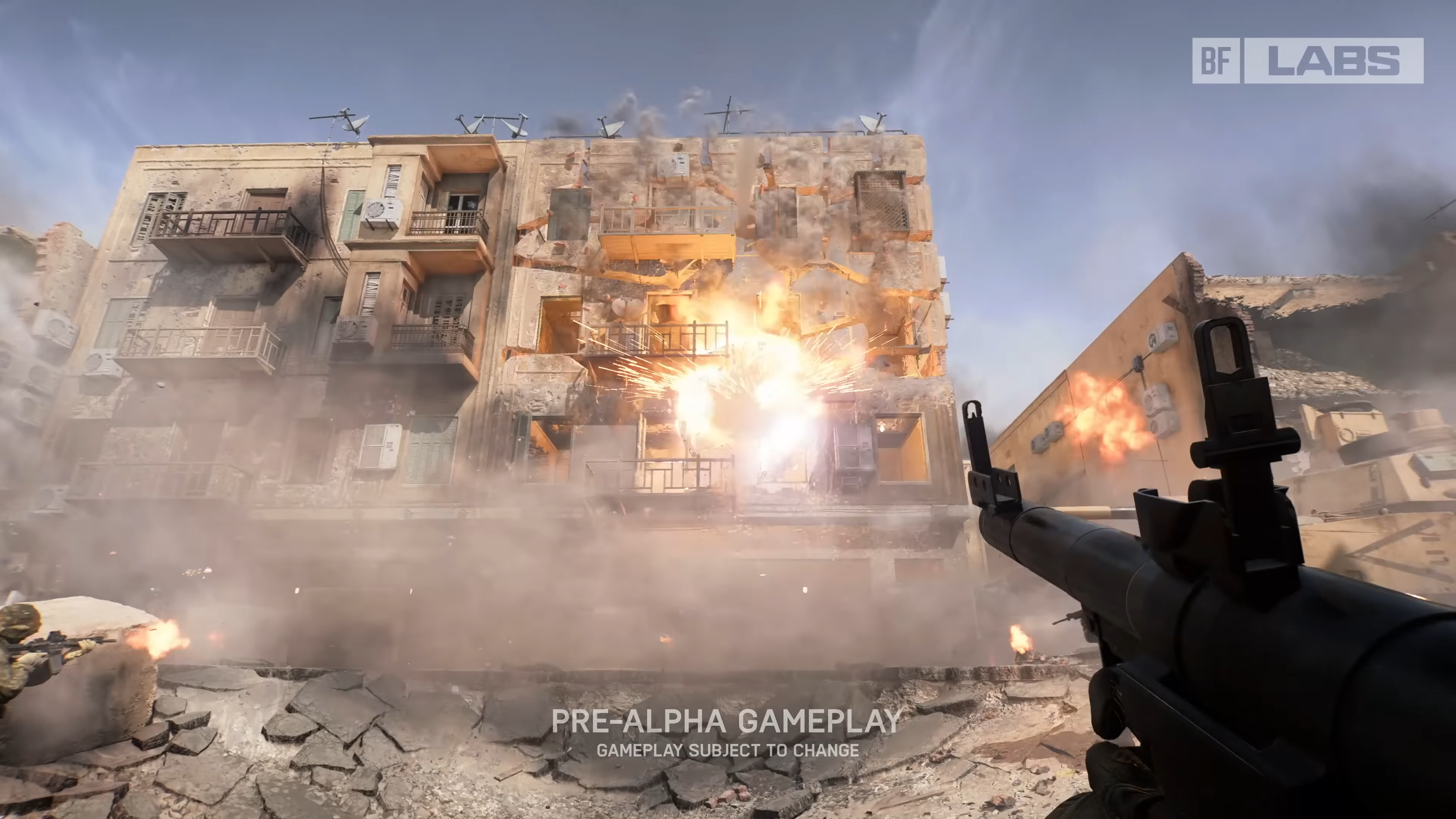
The “Battlefield” experience is fundamentally built upon cutting-edge technology. From its game engine to its network infrastructure, every component is designed to deliver a sense of scale and realism unmatched by many competitors.
The Frostbite Engine: A Pillar of Realism
At the heart of Battlefield 2042, and indeed the entire modern Battlefield franchise, is the Frostbite engine. Developed internally by DICE, Frostbite is a multi-platform game engine renowned for its high fidelity graphics, advanced physics, and particularly its robust destruction system, known as “Levolution.” For 2042, Frostbite was specifically optimized to handle unprecedented scale – 128 players on massive, dynamic maps with evolving weather systems.
The engine’s capabilities allow for intricate rendering of detailed environments, realistic lighting, and complex material shaders that bring battlefields to life. Its physics engine enables players to dynamically alter the environment, collapsing buildings, creating craters, and destroying cover, which significantly impacts gameplay and tactical decisions. This level of environmental interactivity is a technical marvel and a core differentiator for the series. Furthermore, Frostbite’s audio engine is equally impressive, capable of spatial audio rendering that creates a truly immersive soundscape, from distant explosions to the whizzing of bullets nearby.
Next-Gen Console Optimization and PC Demands
Battlefield 2042 was one of the first titles designed to fully leverage the power of the PlayStation 5 and Xbox Series X/S, alongside high-end PCs. On these platforms, the game benefits from significantly faster load times thanks to solid-state drives (SSDs), higher frame rates (targeting 60 frames per second or more), and enhanced visual fidelity. While ray tracing was not a primary feature at launch for consoles, the game did utilize advanced rendering techniques to achieve stunning visuals.
For PC players, 2042 presented a demanding experience. Running the game at its highest settings, especially with the optional ray-traced ambient occlusion and reflections (added post-launch), required powerful graphics cards (GPUs) and processors (CPUs). The large player counts and expansive maps meant that even modest systems could struggle, highlighting the constant arms race between game developers pushing graphical limits and hardware manufacturers responding with more powerful components. Optimizing a game for such a wide range of hardware, from consoles to diverse PC builds, is a significant technical challenge that DICE continuously refined post-launch.
Network Infrastructure and Multiplayer Experience
A game built around massive multiplayer battles requires a robust and resilient network infrastructure. Battlefield 2042’s 128-player matches put immense strain on server capacity and netcode – the part of the game that manages communication between clients (players’ consoles/PCs) and the server. Early in its lifecycle, the game faced issues related to server stability, latency (ping), and hit registration, which are critical for a competitive first-person shooter.
DICE employed dedicated servers and continually optimized its netcode to ensure a smooth experience for players globally. Features like server meshing or advanced client-side prediction are often used in such large-scale games to mitigate the effects of latency and ensure responsive gameplay. The ability to seamlessly connect dozens of players across continents, synchronize their actions, and update the game world in real-time is a testament to sophisticated networking engineering, without which the signature Battlefield experience would be impossible.
Beyond 2042: The Horizon for the Battlefield Franchise
The journey of Battlefield 2042 offers valuable lessons that will undoubtedly shape the future direction of the franchise. The gaming industry is dynamic, with emerging technologies constantly changing what’s possible.
Learning from Current Iterations
The mixed reception of Battlefield 2042, particularly regarding the Specialist system, has provided critical insights for DICE and EA. Future Battlefield titles are likely to carefully consider the balance between innovation and adhering to core franchise identity. There’s a strong indication that the developers have heard the community’s desire for a return to a more traditional class-based system, or at least a re-imagining of Specialists that integrates better with squad play. The success of Battlefield Portal also highlights the value of giving players creative control and access to the franchise’s rich history, suggesting that user-generated content and legacy support could become a staple.
Moreover, the importance of a polished launch and continuous, transparent communication with the community cannot be overstated. The technical issues at 2042’s launch underscored the need for extensive testing and a slower, more deliberate release cycle to ensure quality.
Emerging Technologies and Future Possibilities
The next Battlefield title will undoubtedly leverage even newer technologies. Artificial Intelligence (AI) could play a more sophisticated role, not just for bots in multiplayer, but for dynamic map events, smarter enemy behaviors in single-player campaigns (if they return), and even procedural content generation. Further advancements in real-time ray tracing and path tracing could lead to even more realistic lighting and reflections, pushing graphical fidelity to unprecedented levels.
The continued rise of cloud gaming services might influence how Battlefield games are designed, potentially allowing for even larger player counts or more complex physics calculations offloaded to server farms. Machine learning could be deployed for more effective anti-cheat systems, personalized gameplay experiences, or even to assist in game development processes. The integration of advanced haptic feedback in controllers, such as those found in the PlayStation 5’s DualSense, could also provide a deeper level of immersion, allowing players to “feel” the battlefield in new ways.
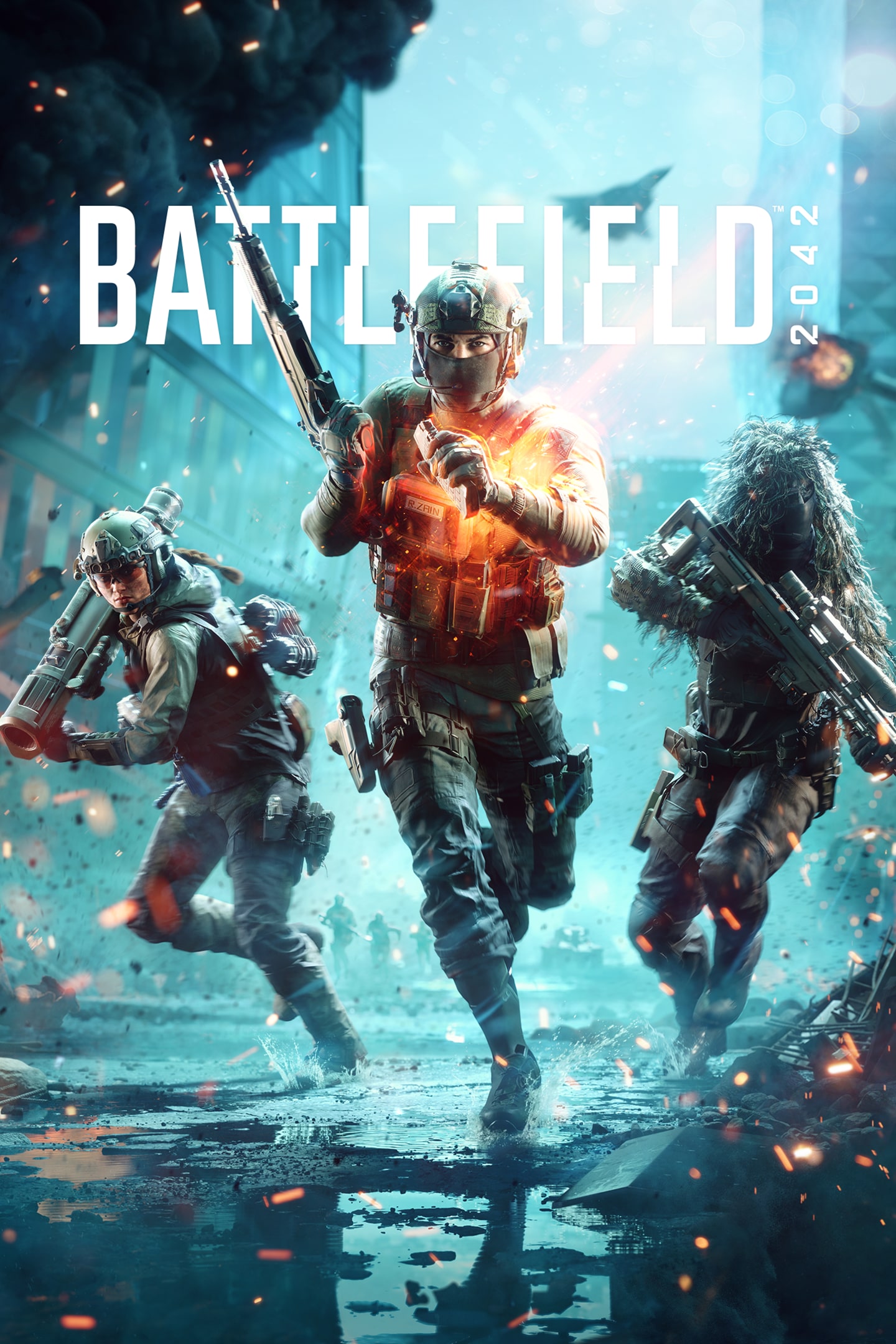
Anticipating the Next Battlefield Title
While no official announcements have been made regarding the next Battlefield game after 2042, development cycles typically span several years. Given the time taken for 2042 and its post-launch support, it’s reasonable to anticipate several more years before a new mainline entry is ready. Rumors and industry whispers often point towards different historical or modern settings, but the core focus will likely be on re-establishing the franchise’s identity while integrating lessons learned. Players can expect continued innovation in terms of map design, environmental interactivity, and the underlying technology, with a strong emphasis on delivering the “only in Battlefield” moments that have defined the series for over two decades. The ongoing evolution of hardware, particularly graphics cards and processors, will continue to enable developers to push the boundaries of visual realism and simulation complexity, making each new Battlefield title a technological benchmark in its own right.
In conclusion, Battlefield 2042 stands as the current torchbearer for the iconic series, representing its latest foray into large-scale military shooters. While its journey has been marked by both ambition and challenge, it continues to evolve. For those asking “what’s the newest Battlefield game,” 2042 remains the answer, embodying the relentless technological push and dynamic gameplay that define the franchise, while simultaneously paving the way for the exciting technological innovations that will undoubtedly shape its future.
aViewFromTheCave is a participant in the Amazon Services LLC Associates Program, an affiliate advertising program designed to provide a means for sites to earn advertising fees by advertising and linking to Amazon.com. Amazon, the Amazon logo, AmazonSupply, and the AmazonSupply logo are trademarks of Amazon.com, Inc. or its affiliates. As an Amazon Associate we earn affiliate commissions from qualifying purchases.