
The digital landscape has transformed rapidly since the inception of YouTube in 2005. While the platform began as a repository for niche clips and experimental content, it has evolved into the most significant video-sharing ecosystem on the planet. Understanding the mechanics behind the “most viewed” video requires a deep dive into the intersection of digital infrastructure, global internet penetration, and the psychological drivers of algorithm-fed content. Analyzing the reigning champion of YouTube views provides critical insights into how technology shapes global consumption habits and the way content delivery networks scale to meet unprecedented demand.
The Infrastructure Behind Viral Dominance
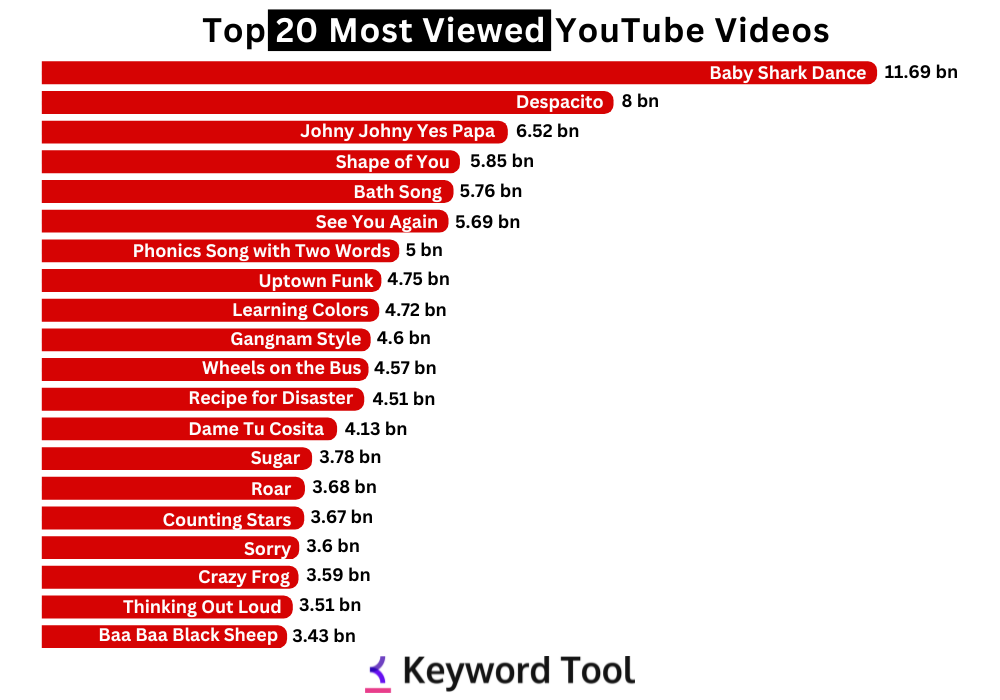
Achieving billions of views is not merely a feat of popularity; it is a profound technical challenge. To host a video that has been accessed over 14 billion times, YouTube relies on a sophisticated architecture that integrates edge computing, distributed caching, and global content delivery networks (CDNs).
Global Content Delivery Networks (CDNs)
When a single video reaches a critical mass of viewership, latency becomes the primary enemy of user retention. If a user in Jakarta and a user in New York attempt to stream the same high-definition file, they cannot realistically pull that data from a single server. YouTube utilizes Google’s massive global network of edge servers to store copies of highly viewed content closer to the end-user. The most viewed video on the platform acts as a stress test for these systems, forcing the platform to optimize compression codecs and bandwidth allocation continuously to ensure the stream remains buffer-free.
Data Compression and Encoding Evolution
The evolution of the most viewed video is inseparable from the advancement of video codecs. In the early days of YouTube, streaming was limited by bitrates and file sizes. As the most viewed video climbed the ranks, the industry saw a shift toward VP9 and AV1 codecs. These advancements in software-based video compression have been instrumental in allowing massive files to reach mobile devices across varying levels of network quality. This technical efficiency is what allows a billion-plus view count to exist without crashing the underlying framework of the internet’s most frequented video domain.
Algorithm and Engagement Metrics
From a technological standpoint, the “most viewed” title is the byproduct of a recommendation engine optimized for watch time and session duration. YouTube’s algorithm is a complex machine learning model that processes billions of data points to predict what a user will click on next.
Machine Learning and Predictive Recommendations
The ranking of the most viewed video is not accidental; it is the culmination of feedback loops. Every time the algorithm serves a video and the user watches it to completion, the system reinforces the metadata associated with that video. For top-tier content, this creates a “runaway success” phenomenon. The algorithm identifies patterns in demographics, geography, and viewing habits, effectively acting as an automated marketing engine that promotes the content to users who are statistically likely to interact with it.

The Role of Metadata and Indexing
Underlying the visual content is a massive database of metadata. Tags, categories, timestamps, and closed-captioning data all serve to help the machine learning models categorize the video’s relevance. For the most viewed content on YouTube, the metadata is highly refined, allowing it to surface not only on the homepage but also through external search engines. The technical interplay between indexing and serving ensures that the video remains “evergreen”—a term used in the tech industry to describe content that maintains high engagement levels over extended periods without losing its relevance.
The Economics of Scale and Digital Monetization
While the category focuses on the tech aspect, the sustainability of the most viewed video is tethered to the monetization infrastructure. High view counts represent a significant strain on server resources, requiring a robust system to balance the cost of bandwidth with advertising revenue.
Scalable Ad-Serving Technologies
To support the most viewed content, YouTube employs advanced programmatic advertising. This involves real-time bidding (RTB) platforms where advertisers compete in milliseconds to display ads before or during the stream. The technology must match the ad content to the viewer’s profile seamlessly. If a video is being viewed 50 million times a day, the ad-serving infrastructure must execute millions of auctions simultaneously. The ability to handle this scale without latency is a hallmark of modern advertising technology (AdTech).
Hardware Requirements for High-Definition Streaming
As the platform has moved toward 4K and 8K resolutions, the hardware requirements for viewers have shifted. However, for a video to reach the top of the leaderboard, it must be accessible across the lowest common denominator of hardware. This means the platform must support adaptive streaming, where the server automatically detects the user’s device capabilities and internet speed, serving a video stream that adjusts in quality in real-time. This dynamic adjustment is a feat of software engineering that keeps content “viewable” regardless of the viewer’s technological ecosystem, from high-end desktop workstations to budget-tier smartphones in emerging markets.
The Future of Viral Consumption
Looking ahead, the technologies that facilitate the “most viewed” video are set to shift once more. We are moving toward a future defined by AI-driven content generation and deeper integration with VR/AR environments.
AI-Driven Content Optimization
Artificial intelligence is already being used to analyze viewer engagement data to suggest edits or thumbnail variations that maximize click-through rates. Future iterations of the “most viewed” video may be dynamically altered by AI to better suit individual regional or demographic tastes, effectively creating personalized versions of a single viral video. This represents the next frontier in digital content delivery—where the video itself is a living file that adapts to the user’s preferences in real-time.
Network Latency and 5G Integration
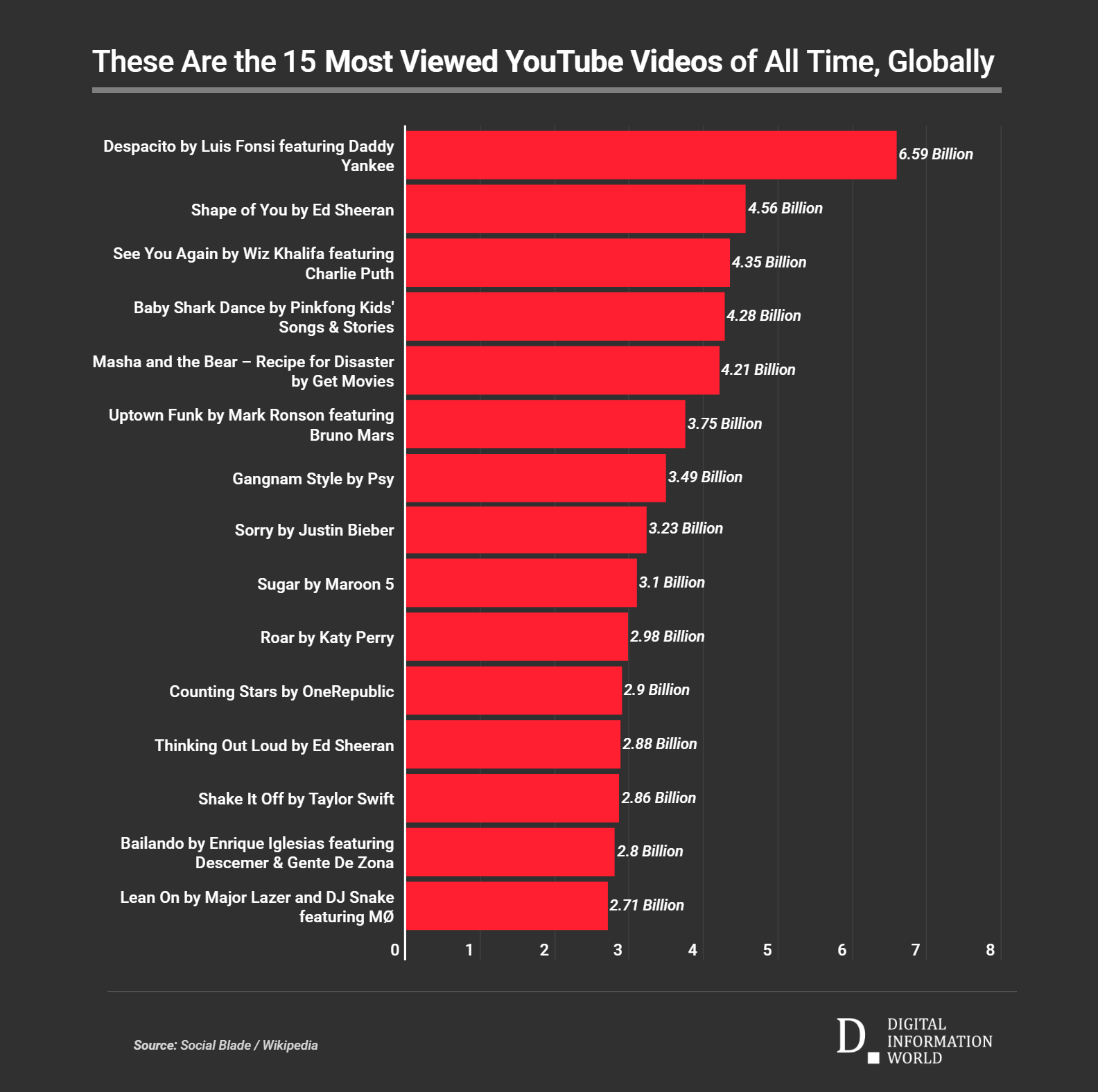
As 5G networks become the global standard, the technical barrier for high-definition streaming drops significantly. This infrastructure upgrade will likely lead to even higher view counts as the “time to start” for videos is reduced to near-zero. The competition for the top spot on YouTube will intensify as the technological overhead for accessing content continues to decrease, allowing even more users in remote areas to contribute to the total view count of the world’s most popular videos.
In conclusion, the title of “most viewed video on YouTube” is much more than a pop-culture accolade. It is a technical milestone. It represents the successful convergence of global cloud architecture, machine learning, and advanced compression algorithms. As we move forward, the systems that enable these billions of views will continue to evolve, pushing the boundaries of what is possible in digital media distribution and setting the standard for how the world consumes information and entertainment in the 21st century. The dominance of a single video on such a vast platform is a testament to the power of a well-engineered digital ecosystem designed to scale to the demands of a global audience.
aViewFromTheCave is a participant in the Amazon Services LLC Associates Program, an affiliate advertising program designed to provide a means for sites to earn advertising fees by advertising and linking to Amazon.com. Amazon, the Amazon logo, AmazonSupply, and the AmazonSupply logo are trademarks of Amazon.com, Inc. or its affiliates. As an Amazon Associate we earn affiliate commissions from qualifying purchases.