
The allure of collecting is as old as civilization itself. From ancient coins to rare stamps, humans have always found value and fascination in possessing unique and scarce items. In the modern era, this passion has extended to trading cards, and few games boast a market as dynamic and potentially lucrative as Yu-Gi-Oh!. While many collectors cherish their cards for sentimental value or the thrill of the game, a significant segment of the Yu-Gi-Oh! community is driven by the financial implications of rare and sought-after cards. Understanding what makes a Yu-Gi-Oh! card the “most expensive” delves deep into the principles of value, rarity, and market demand – a fascinating intersection of personal finance and niche market economics.

The Anatomy of Value: What Drives Card Prices?
The price of any collectible, including a Yu-Gi-Oh! card, is not arbitrary. It’s a complex interplay of several factors, each contributing to its perceived worth in the open market. For those looking to understand the financial potential, identifying these drivers is crucial.
Rarity: The Foundation of Scarcity
At its core, scarcity fuels value. The fewer copies of a particular card that exist, the more desirable it becomes for collectors who seek to own something truly unique or a piece of history. Yu-Gi-Oh! cards are released in various rarities, from common to ultra-rare, ghost rare, secret rare, and even more exclusive promotional printings.
Limited Edition and Promotional Cards
The ultimate rarity often stems from cards that were never intended for mass circulation. These include:
- Prize Cards: Awarded at prestigious tournaments, these cards are often limited to just a handful of copies worldwide. Their acquisition history is directly tied to elite competitive play, making them legendary among collectors. The most famous example is the “Legendary Dragon of White,” but others like “Armored Dragon” and “Summon Sorceress” also command astronomical prices due to their extreme rarity.
- Japanese Exclusive Promos: Certain cards were released exclusively in Japan as part of special events, magazine subscriptions, or pre-order bonuses for video games. While many of these are still accessible to dedicated collectors, their limited regional availability and the cultural significance attached to early Japanese releases can drive up their market value, especially when they possess powerful in-game effects or iconic artwork.
- Test Prints and Error Cards: While not always officially sanctioned, test prints or cards with significant printing errors can sometimes emerge. These are often one-of-a-kind or exist in extremely limited quantities, making them highly sought after by a niche group of collectors fascinated by manufacturing anomalies and the “what-ifs” of card production.
Obsolete or Limited Print Run Cards
Even cards that were once readily available can become valuable if their original print runs were limited or if they have been out of print for an extended period. This is particularly true for older sets that are no longer actively produced. Collectors looking to complete sets or acquire specific cards from their childhood nostalgia often find themselves competing for these increasingly scarce items.
Playability and Competitive Demand
While the most expensive cards are often rare collectibles, their in-game utility can significantly amplify their financial worth. Cards that are powerful, versatile, or essential for top-tier competitive decks will always have a strong demand from players, creating a secondary market driven by performance.
“Staple” Cards with High Demand
Certain cards, often referred to as “staples,” are so universally useful across various decks that their demand remains consistently high. These might include powerful hand traps, efficient board breakers, or essential searchers. Even if they aren’t the absolute rarest, their constant use in competitive play ensures they maintain a significant market value, and if a rare variant of a staple emerges, its price can skyrocket.
Legacy and Competitive Relevance
Cards that have defined archetypes or have historical significance in the competitive scene can also command premium prices. Players and collectors alike recognize the importance of these cards in the game’s meta evolution and are willing to pay for them to replicate past successes or to own a piece of Yu-Gi-Oh! history.
Condition and Grading: The Mark of Authenticity and Preservation
For any collectible, the physical condition of the item is paramount. This is where third-party grading services, such as the Professional Sports Authenticator (PSA) or Beckett Grading Services (BGS), play a crucial role in the Yu-Gi-Oh! card market.
The Impact of Professional Grading
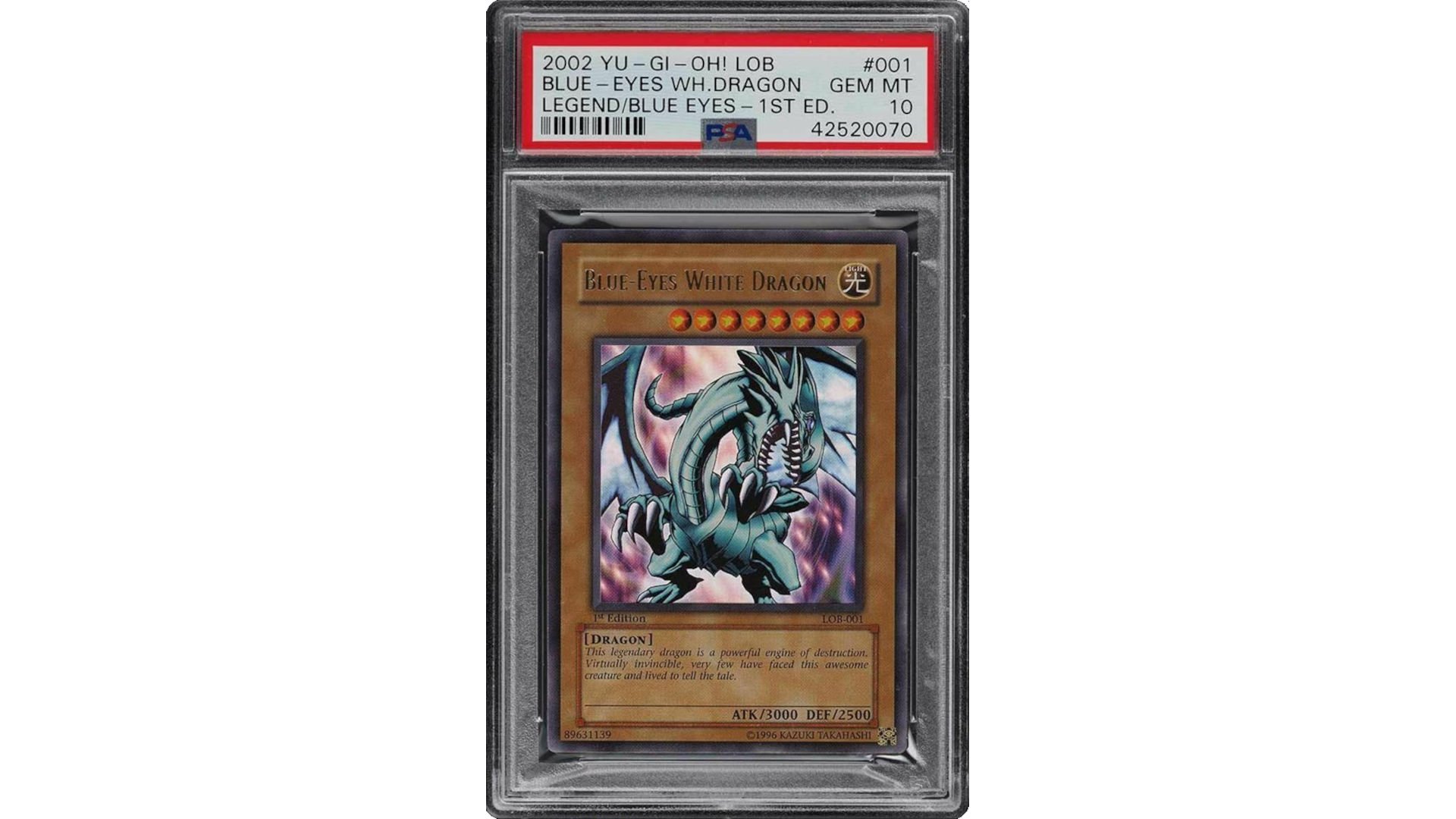
Grading services meticulously assess a card’s condition based on factors like centering, corners, edges, and surface. They assign a numerical grade (typically on a 1-10 scale) and encapsulate the card in a protective slab, verifying its authenticity and condition. A perfect or near-perfect grade on a rare card can exponentially increase its value compared to a lower-graded or ungraded copy.
Investment-Grade Collectibles
For the highest-tier collectors and investors, a PSA 10 (Gem Mint) or BGS 10 (Black Label) grade on an exceptionally rare card is the ultimate prize. These top-graded cards often represent the pinnacle of rarity, condition, and desirability, making them the most sought-after and consequently, the most expensive. The investment in grading itself is seen as a way to protect and potentially increase the future value of a highly prized asset.
Unveiling the Titans: Notable Expensive Yu-Gi-Oh! Cards
While the landscape of expensive Yu-Gi-Oh! cards is constantly shifting, a few legendary cards have consistently held the top spots, often reaching prices that rival other luxury goods. These are not just pieces of cardboard; they are cultural artifacts of a global phenomenon.
The Reigning Monarchs: Black Luster Soldier and Legendary Dragon of White
Two cards are almost universally cited when discussing the most expensive Yu-Gi-Oh! cards, and their stories highlight the extreme ends of rarity and prize value.
“Black Luster Soldier” (Ultra Rare, Tournament Prize)
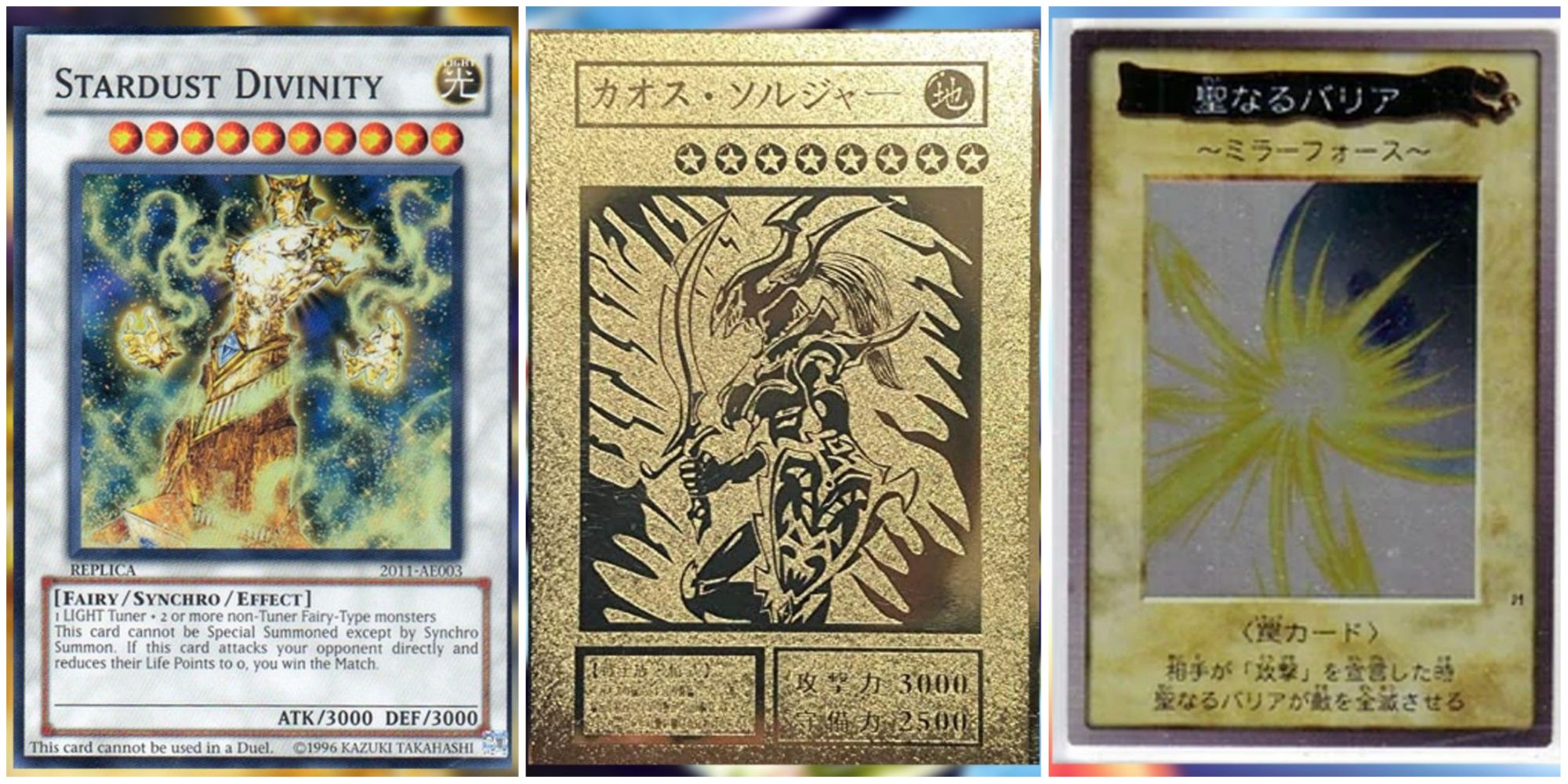
Often considered the undisputed king of expensive Yu-Gi-Oh! cards, the Ultra Rare “Black Luster Soldier” is legendary for its extreme scarcity. Only 5 copies were ever produced and awarded as prizes at the 2004 Yu-Gi-Oh! Duel Monsters Championship in Japan. The rarity is so profound that owning one is akin to owning a piece of history that few others can even dream of. When these cards occasionally surface on the market, they can fetch hundreds of thousands, even millions, of dollars. Its value is almost entirely derived from its unparalleled rarity and its status as a competitive prize from a bygone era.
“Legendary Dragon of White” (Secret Rare, Tournament Prize)
Another monumental card in terms of value is the Secret Rare “Legendary Dragon of White.” While its exact number of printings is debated and shrouded in mystery, it is believed to have been awarded to a very small number of participants in a specific Japanese tournament. Similar to “Black Luster Soldier,” its value is almost exclusively tied to its extreme rarity and its status as a competitive prize. The combination of being a secret rare from an early era and an award for a prestigious event places it in an astronomical price bracket.
Beyond the Peaks: Other High-Value Collectibles
While “Black Luster Soldier” and “Legendary Dragon of White” often dominate the conversation, many other cards command significant prices, reflecting different avenues of rarity and desirability.
Iconic “Collector’s Items” and Early Printings
- “Blue-Eyes White Dragon” (Original Japanese, Ultra Rare): The iconic protagonist monster, especially in its earliest Japanese printings (like the Ultra Rare from the first set, Vol.1), can fetch tens of thousands of dollars. Its status as a cultural icon within the Yu-Gi-Oh! universe, coupled with its early release and inherent rarity, makes it a prime target for nostalgic collectors and investors.
- “Dark Magician” and “Red-Eyes Black Dragon” (Rare Variants): Similar to “Blue-Eyes,” other foundational monsters like “Dark Magician” and “Red-Eyes Black Dragon” can achieve high values when found in their rarest early printings or in pristine graded condition. These cards are deeply embedded in the lore and appeal to a broad spectrum of the fanbase.
- “Pot of Greed” (Various Rare Prints): While its gameplay effect is now banned in many formats, “Pot of Greed” remains one of the most recognized and desired cards. Its various rare prints, especially from older booster packs, can hold significant value due to their historical relevance and the desire to own a piece of the game’s storied past.
Modern Era Rarity with Playable Power
Even in the contemporary Yu-Gi-Oh! landscape, certain cards can command high prices, driven by a combination of extreme rarity and essential in-game functionality.
- Secret Rare or Ghost Rare Variants of Popular Archetypes: When a new, powerful archetype emerges, its key cards are often printed in highly sought-after rarities like Secret Rare, Ghost Rare, or even Ultimate Rare. If these cards are also essential for competitive play, their prices can surge into the hundreds or even thousands of dollars, especially in high grades.
- Special Edition Promotional Cards: Konami occasionally releases special edition promotional cards for events, merchandise, or specific regions. Some of these, particularly those with unique artwork or limited distribution, can become valuable collector’s items over time.
The Financial Investment: Collecting as an Asset Class
For many, the fascination with expensive Yu-Gi-Oh! cards extends beyond mere collecting; it’s viewed as a form of alternative investment. The principles guiding this are similar to investing in art, precious metals, or classic cars, albeit within a much more niche and volatile market.
Understanding Market Volatility and Risk
The Yu-Gi-Oh! card market, like any collectible market, is subject to fluctuations. Prices can be influenced by:
- Meta Shifts: Changes in the competitive game environment can drastically alter the demand for certain cards. A card that is currently a staple might become obsolete with new releases, impacting its value.
- New Set Releases: The introduction of new sets can flood the market with certain rarities or introduce new, highly desirable cards, affecting the perceived value of older ones.
- Economic Conditions: Broader economic trends can influence disposable income available for hobbies and investments, impacting the demand for high-value collectibles.
- Speculation and Hype: The market can be influenced by speculation and trending news, leading to rapid price increases that may not be sustainable.
Strategies for the Yu-Gi-Oh! Investor
Approaching Yu-Gi-Oh! cards as a financial asset requires a disciplined and informed strategy.
Research and Due Diligence
Before investing significant capital, thorough research is paramount. This involves:
- Tracking Market Trends: Monitoring sales data on reputable platforms like eBay (filtered for sold items), TCGPlayer, and specialized card market aggregators.
- Understanding Card History: Knowing the print run, original release date, tournament history, and any unique circumstances surrounding a card’s existence.
- Assessing Playability: For cards that are also played competitively, understanding their current and potential future meta relevance.
- Familiarizing with Grading: Learning about grading companies, their standards, and the price premiums associated with higher grades.
Acquisition and Preservation
Acquiring valuable cards requires patience and a discerning eye.
- Buying from Reputable Sources: Dealing with established dealers or reputable online marketplaces to minimize the risk of counterfeit or misrepresented cards.
- Condition is Key: Prioritizing cards in excellent condition, especially if considering professional grading. Even minor wear can significantly diminish value.
- Professional Grading: For high-value acquisitions, investing in professional grading by PSA or BGS can not only authenticate the card but also protect it and potentially unlock a higher market value upon resale.
- Secure Storage: Properly storing graded or high-value ungraded cards in a climate-controlled, secure environment to prevent damage from light, moisture, or physical impact.
Exit Strategy and Realization of Gains
As with any investment, having a plan for when and how to sell is crucial.
- Timing the Market: Identifying opportune moments to sell, perhaps when demand is high or a specific card is experiencing a surge in popularity.
- Targeted Sales: Selling directly to collectors or investors who are actively seeking specific cards, or utilizing auctions for maximum exposure.
- Patience: Recognizing that rare collectibles may not always have immediate buyers. Holding onto a valuable asset for the right offer can be more profitable than a hasty sale.
The world of expensive Yu-Gi-Oh! cards is a testament to the enduring power of passion, rarity, and a well-functioning market. From the ultra-rare tournament prizes that command astronomical sums to the iconic early printings that represent a piece of gaming history, these cards have transcended their original purpose to become highly coveted collectibles and, for some, significant financial assets. Understanding the intricate interplay of rarity, demand, and condition is key to appreciating the value of these cardboard treasures and navigating the exciting, albeit complex, financial landscape of Yu-Gi-Oh! collecting.
aViewFromTheCave is a participant in the Amazon Services LLC Associates Program, an affiliate advertising program designed to provide a means for sites to earn advertising fees by advertising and linking to Amazon.com. Amazon, the Amazon logo, AmazonSupply, and the AmazonSupply logo are trademarks of Amazon.com, Inc. or its affiliates. As an Amazon Associate we earn affiliate commissions from qualifying purchases.