
Understanding the minimum wage in any state is crucial for workers, businesses, and policymakers alike, as it forms a foundational element of a region’s economic landscape. In Nebraska, the minimum wage has evolved over time, reflecting legislative changes, economic conditions, and public sentiment. For individuals, it dictates the baseline for their earnings and profoundly influences personal financial planning. For businesses, it represents a significant operational cost that must be strategically managed. This exploration delves into Nebraska’s current minimum wage, its historical trajectory, and the multifaceted financial implications it carries for both individuals and the broader economy of the Cornhusker State.

The Current Landscape of Nebraska’s Minimum Wage
Nebraska’s minimum wage standards are designed to ensure that workers receive a fair and living wage, aligning with both state legislative mandates and federal guidelines. The interplay between these two levels of regulation is critical to understanding the prevailing wage environment.
Understanding the Latest Rate
As of January 1, 2024, Nebraska’s minimum wage stands at $12.00 per hour. This rate is the result of a phased increase initiated by voter-approved Initiative Measure 433 in November 2022. The measure mandated a gradual rise, starting from $9.00 per hour, moving to $10.50 per hour on January 1, 2023, and culminating at $12.00 per hour in 2024. The initiative also includes provisions for future annual adjustments based on the Consumer Price Index, effective January 1, 2026, ensuring that the minimum wage retains its purchasing power over time. This forward-looking adjustment mechanism aims to mitigate the effects of inflation on low-wage earners.
Federal vs. State Standards
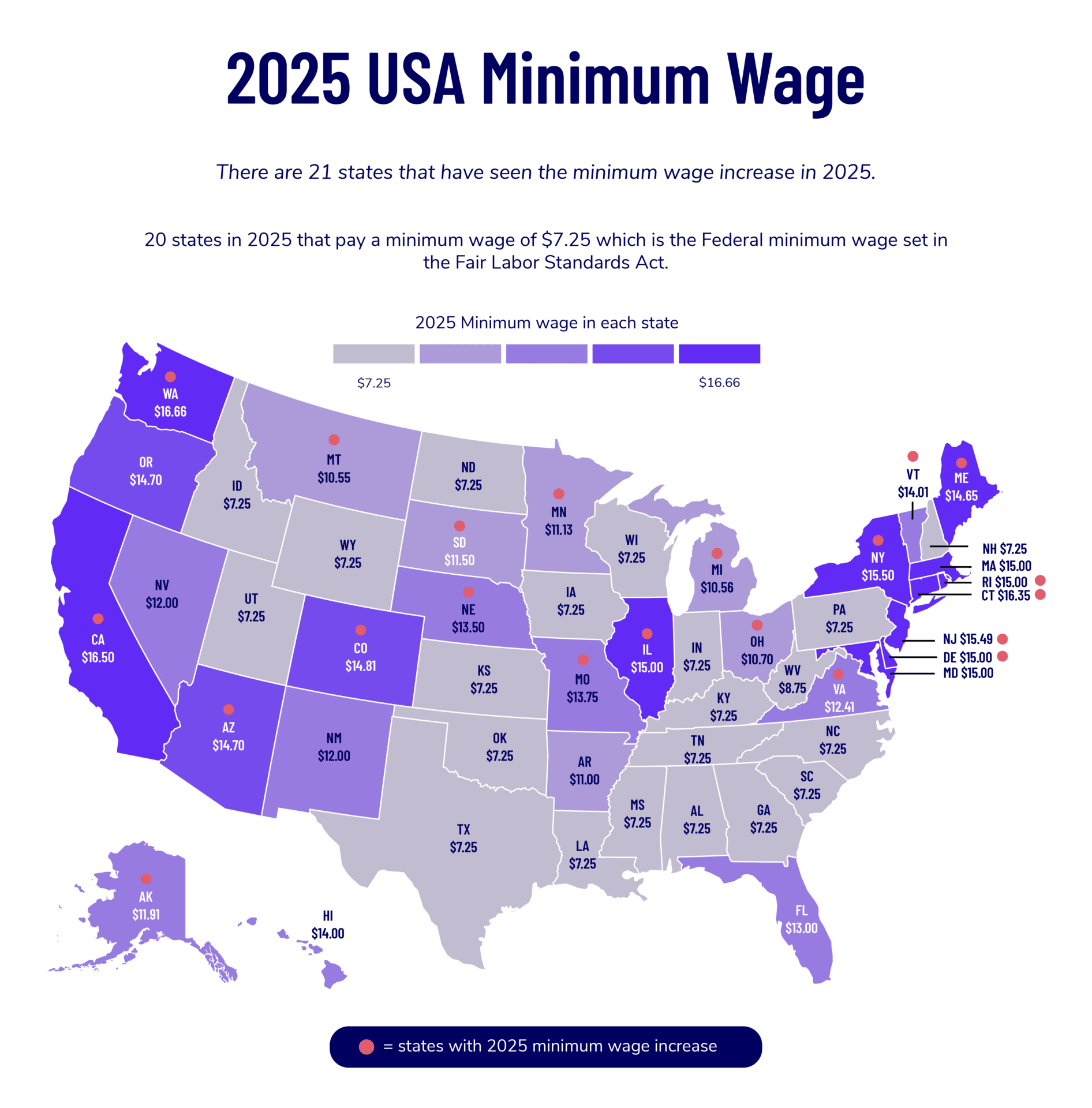
The federal minimum wage, currently $7.25 per hour, sets a national floor. However, individual states have the authority to establish their own minimum wage rates. When a state’s minimum wage is higher than the federal standard, employers in that state are legally obligated to pay the higher state minimum wage. This is precisely the case in Nebraska, where the state’s $12.00 per hour rate significantly surpasses the federal requirement. This distinction is vital for both compliance and understanding the actual financial baseline for workers. Businesses operating in Nebraska must adhere to the state’s more generous standard, impacting their payroll budgeting and operational costs.
Exemptions and Special Cases
While the $12.00 per hour rate applies to the vast majority of non-exempt employees, certain exceptions and special circumstances exist within Nebraska wage law:
- Tipped Employees: Employers can pay tipped employees a lower direct cash wage, provided that the employee’s tips, combined with the direct wage, meet or exceed the standard minimum wage. In Nebraska, the minimum cash wage for tipped employees is generally $2.13 per hour, with the employer being responsible for making up any difference if tips do not bring the total compensation to the state minimum wage. This “tip credit” system requires diligent record-keeping from employers.
- Youth Wages/Training Wages: Specific provisions may exist for employees under a certain age or those in approved training programs, allowing for a wage lower than the standard minimum for a limited period. These are often designed to facilitate entry-level employment or skill development.
- Disabled Workers: Under certain federal certificates, some employers are permitted to pay individuals with disabilities a subminimum wage, a controversial provision aimed at creating employment opportunities that might not otherwise be available.
- Small Businesses: Unlike some states, Nebraska’s minimum wage law generally applies to all employers, regardless of size, meaning even small businesses must comply with the established rate.
Understanding these nuances is crucial for both employers to ensure legal compliance and for workers to confirm they are being paid appropriately.
Financial Implications for Workers and Households
The minimum wage is more than just a number; it represents the financial bedrock for many individuals and families, directly impacting their ability to meet basic needs, save, and plan for the future.
Budgeting on Minimum Wage
Living on a minimum wage income in Nebraska presents distinct financial challenges. While $12.00 per hour provides an annual gross income of approximately $24,960 for a full-time worker (40 hours/week), this amount must cover all living expenses, including housing, food, transportation, healthcare, and utilities. The cost of living varies significantly across Nebraska, with urban centers like Omaha and Lincoln generally having higher expenses than rural areas.
For a single individual, budgeting on this income requires meticulous planning. Rent, even for a modest apartment, can consume a substantial portion of monthly earnings. Food costs, transportation (especially if relying on a car), and necessary utilities further strain finances. For households with dependents, the financial pressure intensifies, often necessitating multiple income streams or reliance on public assistance programs. Effective budgeting becomes not just advisable, but absolutely essential, demanding strict adherence to spending limits and careful prioritization of needs over wants.
The Path to Financial Stability
For minimum wage earners, achieving financial stability often requires strategic planning beyond simply managing daily expenses. Strategies can include:
- Skill Development and Education: Investing in education or vocational training can lead to higher-paying jobs. Many community colleges and state programs offer affordable pathways to acquire in-demand skills.
- Seeking Higher-Paying Roles: Actively looking for positions that offer wages above the minimum, even if it requires a slight career shift or entry into a different industry.
- Leveraging State and Federal Assistance: Understanding eligibility for programs like SNAP (food assistance), LIHEAP (energy assistance), Medicaid, or housing subsidies can significantly alleviate financial burdens and free up funds for other essential needs or savings.
- Building Emergency Savings: Even small, consistent contributions to an emergency fund can provide a critical safety net, preventing minor setbacks from becoming major financial crises.
These pathways, while challenging, offer tangible routes for minimum wage earners to improve their financial outlook and move towards greater economic security.
Impact on Personal Savings and Debt
The reality of a minimum wage income often leaves little room for discretionary spending, let alone substantial savings or aggressive debt reduction. High cost-of-living areas, unforeseen emergencies, or medical expenses can quickly derail any attempts to build a financial buffer.
- Emergency Savings: Building a robust emergency fund (typically 3-6 months of living expenses) is incredibly difficult on minimum wage. Individuals might prioritize covering immediate needs, leaving them vulnerable to unexpected financial shocks.
- Retirement Planning: Contributions to retirement accounts like 401(k)s or IRAs are often seen as luxuries when daily expenses are paramount. This can lead to long-term financial insecurity in retirement.
- Debt Management: While some debt, like student loans, might lead to higher future earnings, high-interest consumer debt (credit cards, payday loans) can be particularly crippling. Minimum wage earners often struggle to make more than minimum payments, trapping them in cycles of debt.
The increase in Nebraska’s minimum wage to $12.00 per hour offers some relief, potentially providing a slight boost to disposable income that could be directed towards savings or debt repayment. However, the extent of this impact depends heavily on individual circumstances and the local cost of living.
Economic Considerations for Nebraska Businesses
For businesses in Nebraska, the minimum wage is a direct and significant factor in their financial planning, influencing everything from operational costs to pricing strategies and workforce management.
Compliance and Operational Costs
The most immediate impact of a minimum wage increase on businesses is the rise in payroll expenses. For companies employing a significant number of minimum wage workers, this directly translates to higher labor costs. Beyond the hourly wage itself, businesses also face increased costs for:
- Payroll Taxes: Employer contributions to Social Security, Medicare, and unemployment insurance are often calculated as a percentage of wages, meaning these costs also rise with the minimum wage.
- Workers’ Compensation Insurance: Premiums for workers’ compensation are also typically tied to total payroll, leading to another incremental increase.
- Benefits: If benefits are tied to a percentage of wages or if businesses choose to enhance benefits to remain competitive, these costs can also see an uplift.
Small and medium-sized enterprises (SMEs) are often disproportionately affected, as they may have thinner profit margins and less flexibility to absorb increased costs compared to larger corporations. Careful financial forecasting and budgeting become essential to manage these rising operational expenses.
Strategic Adjustments and Sustainability
To maintain financial viability and profitability in the face of increased labor costs, businesses often implement various strategic adjustments:
- Pricing Adjustments: Some businesses may choose to pass on a portion of their increased labor costs to consumers through higher prices for their goods or services. This strategy, however, must be carefully considered to avoid alienating customers or losing competitive edge.
- Efficiency Improvements: Investing in technology, automation, or process optimization can help reduce the need for labor or increase the productivity of existing staff, thereby offsetting wage increases. This could involve new point-of-sale systems, inventory management software, or automated equipment.
- Staffing Decisions: Businesses might carefully evaluate staffing levels, hours of operation, or employee roles to ensure optimal utilization of their workforce. This might involve cross-training employees or adjusting schedules.
- Productivity Enhancements: Focusing on training and development to boost employee skills and productivity can help justify the higher wage expenditure by increasing output or improving service quality.
The challenge for businesses is to find a balance between managing costs and maintaining competitiveness and customer satisfaction.
Employee Morale and Retention
While an increase in minimum wage is a financial burden for employers, it can also yield significant indirect financial benefits by influencing employee morale and retention.
- Reduced Turnover: Fairer wages can lead to higher job satisfaction, reducing employee turnover. The financial costs associated with high turnover – including recruitment, hiring, onboarding, and training new employees – can be substantial. By reducing these costs, a higher minimum wage can paradoxically lead to long-term savings for businesses.
- Increased Productivity: Employees who feel valued and are less stressed about their finances may be more engaged, motivated, and productive. This can translate into higher quality work, better customer service, and overall improved business performance.
- Enhanced Reputation: Businesses known for paying competitive wages often enjoy a better public image, which can attract both customers and higher-quality job applicants. This can strengthen their brand and market position.
These indirect financial benefits, while harder to quantify immediately, contribute to a more stable and productive workforce, ultimately supporting the long-term financial health of the business.
The Broader Economic Impact on Nebraska
Beyond individual workers and specific businesses, changes to the minimum wage ripple through the entire state economy, influencing consumer behavior, regional competitiveness, and overall economic health.
Consumer Spending and Local Economies
A higher minimum wage often translates into increased disposable income for low-wage workers. When these individuals have more money, they are more likely to spend it on essential goods and services within their local communities. This injection of capital can stimulate consumer demand, boost sales for local businesses, and contribute to the vitality of the local economy. The “multiplier effect” suggests that each dollar spent by a low-wage earner can generate more than a dollar’s worth of economic activity as it circulates through the economy. This economic stimulus is a key argument in favor of minimum wage increases.
Regional Competitiveness and Workforce Attraction
Nebraska’s minimum wage also plays a role in its competitiveness for attracting and retaining talent. In a national labor market, states with higher minimum wages can be more appealing to job seekers, particularly those in entry-level or service positions. When comparing Nebraska’s $12.00 minimum wage to neighboring states, its position can influence migration patterns and the availability of labor. A relatively competitive minimum wage can help ensure that Nebraska retains its workforce and attracts new residents, contributing to a robust labor pool necessary for economic growth.
Debates and Future Outlook
The debate surrounding minimum wage adjustments in Nebraska, as elsewhere, is ongoing and multifaceted. Advocates for higher wages emphasize the need for a living wage, poverty reduction, and economic stimulus through increased consumer spending. Opponents often raise concerns about potential job losses due to increased labor costs, inflationary pressures, and the burden on small businesses.
Looking ahead, Nebraska’s minimum wage is set to be adjusted annually based on the Consumer Price Index starting in 2026. This mechanism aims to provide greater predictability and stability, ensuring that the minimum wage keeps pace with inflation rather than remaining stagnant for extended periods. This forward-thinking policy reflects an understanding of the ongoing need for a minimum wage that supports workers while providing a clear framework for businesses.
Resources and Next Steps for Financial Planning
Navigating the financial landscape, whether as an employee or a business owner, requires access to accurate information and effective tools.
Where to Find Official Information
For the most up-to-date and authoritative information regarding Nebraska’s minimum wage laws, exemptions, and compliance requirements, individuals and businesses should consult official state resources. The Nebraska Department of Labor website is the primary source for all labor-related statutes, regulations, and guidance. This resource offers detailed explanations of wage and hour laws, poster requirements for businesses, and contact information for further inquiries.
Leveraging Financial Tools and Advice
Regardless of income level, proactive financial planning is essential. For workers, exploring budgeting apps, financial literacy workshops offered by community organizations, or credit counseling services can provide invaluable support in managing finances effectively. Understanding how to track expenses, set financial goals, and build savings are critical skills. For businesses, consulting with financial advisors, accountants, or business development centers can help optimize payroll management, explore cost-saving strategies, and ensure compliance with all wage laws. Investing in robust payroll software can also streamline operations and minimize errors.
By staying informed and actively engaging in sound financial practices, individuals and businesses in Nebraska can better adapt to and thrive within the evolving economic environment shaped by the state’s minimum wage policies.
aViewFromTheCave is a participant in the Amazon Services LLC Associates Program, an affiliate advertising program designed to provide a means for sites to earn advertising fees by advertising and linking to Amazon.com. Amazon, the Amazon logo, AmazonSupply, and the AmazonSupply logo are trademarks of Amazon.com, Inc. or its affiliates. As an Amazon Associate we earn affiliate commissions from qualifying purchases.