
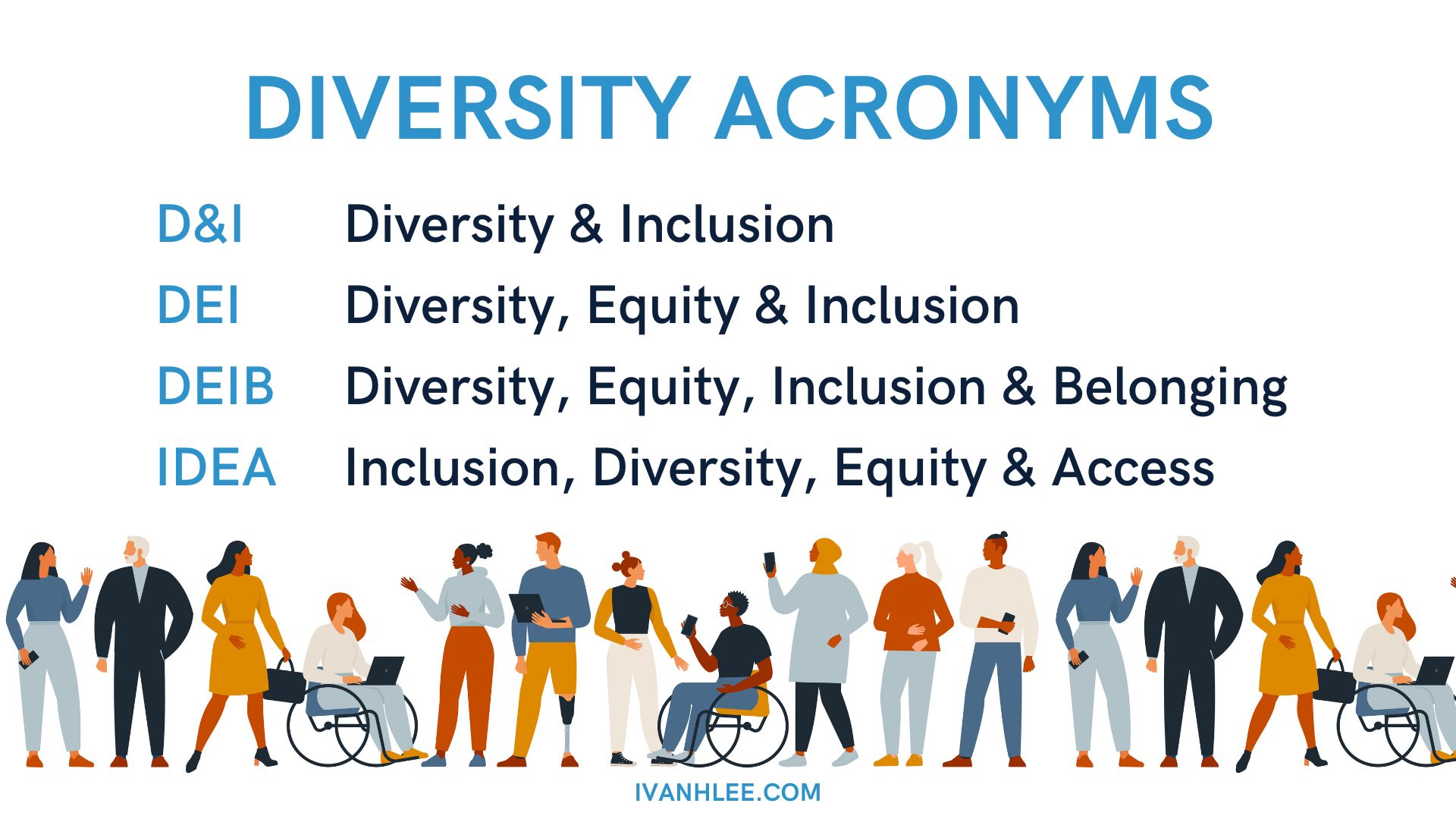
In an increasingly interconnected and value-driven world, the acronym DEI – standing for Diversity, Equity, and Inclusion – has transcended its origins as a human resources buzzword to become a fundamental pillar of modern brand strategy. For any organization aiming to build a resilient, reputable, and relevant brand, understanding and authentically integrating DEI is no longer optional; it is an imperative. DEI, viewed through a brand lens, is about more than just checking boxes; it’s about crafting an identity that resonates with a broad spectrum of stakeholders, fosters loyalty, and positions a brand for long-term success in a diverse global marketplace. This article will delve into the core meaning of DEI and explore its profound and multifaceted impact on brand perception, strategy, and performance.

The Core Pillars of DEI: Beyond Buzzwords to Brand Values
At its heart, DEI is a framework designed to ensure fair treatment and full participation for all individuals. When integrated into a brand’s DNA, these three interconnected concepts transform from abstract principles into actionable values that shape corporate identity, marketing efforts, and customer relationships. Understanding each pillar is crucial to building an authentic brand commitment.
Diversity: Expanding Your Brand’s Lens
Diversity encompasses the full spectrum of human differences, both visible and invisible. This includes, but is not limited to, race, ethnicity, gender, sexual orientation, age, physical abilities, socioeconomic status, religion, nationality, and thought patterns. From a brand perspective, true diversity means reflecting the richness of the human experience within your organization, from entry-level staff to executive leadership.
A brand that champions diversity signals an openness and understanding of varied perspectives. This is vital for connecting with a heterogeneous customer base. When consumers see themselves, their experiences, and their communities authentically represented by a brand – in its workforce, its marketing campaigns, and its product development – it builds a powerful bridge of recognition and trust. Conversely, a lack of diversity can lead to blind spots, insular thinking, and an inability to innovate for or resonate with emerging markets. Attracting diverse talent is also a critical component of building a diverse brand, as a varied workforce brings a wider range of ideas, experiences, and problem-solving approaches that ultimately enrich the brand’s offerings and image.
Equity: Leveling the Playing Field for Brand Authenticity
Equity goes beyond treating everyone the same; it’s about acknowledging historical and systemic disadvantages and working proactively to dismantle barriers and provide fair access, opportunities, and resources for all. For a brand, equity translates into ensuring that everyone, internally and externally, has a fair chance to succeed and interact positively with the brand.
Internally, equitable practices build trust and loyalty among employees. When a brand actively addresses pay gaps, promotes transparent advancement opportunities, and provides necessary accommodations, it cultivates an environment where all employees feel valued and supported. This internal authenticity is palpable externally; a brand known for its equitable treatment of employees is perceived as more trustworthy and principled by consumers. Externally, equity might involve making products or services accessible to people with disabilities, offering tiered pricing to different socioeconomic groups, or ensuring marketing messages don’t inadvertently exclude certain demographics. A brand that acts equitably demonstrates a deep commitment to fairness, which significantly enhances its reputation and builds a stronger ethical identity.
Inclusion: Fostering a Sense of Belonging for a Resilient Brand
Inclusion is about creating an environment where every individual feels valued, respected, supported, and has a genuine sense of belonging. It’s about ensuring that diverse voices are not just present but are heard, considered, and empowered to contribute fully. For a brand, inclusion means actively fostering a culture where all employees feel safe to be themselves and contribute their unique insights without fear of judgment.
An inclusive brand culture empowers employees to bring their full selves to work, leading to higher engagement, innovation, and retention. When employees feel included, they become stronger brand advocates, both internally and externally. This internal sense of belonging translates directly to the brand’s external persona. Customers are increasingly drawn to brands that actively foster inclusive communities around their products or services, whether through user forums, social media engagement, or events that celebrate diverse perspectives. A brand that genuinely embraces inclusion understands that it’s not enough to simply have diverse people; it must actively ensure they feel truly part of the team, with their contributions genuinely shaping the brand’s direction and narrative.
DEI as a Cornerstone of Modern Brand Strategy
In today’s dynamic marketplace, a brand’s commitment to DEI is no longer a peripheral concern but a fundamental aspect of its strategic positioning. It informs how a brand defines itself, builds its reputation, and connects with its target audience.
Shaping Corporate Identity and Values
DEI is a powerful tool for shaping and communicating a brand’s corporate identity and core values. In a world saturated with products and services, consumers often choose brands that align with their personal values. A strong, visible commitment to DEI allows a brand to differentiate itself, standing out as progressive, responsible, and forward-thinking. This goes beyond mere corporate social responsibility; it embeds DEI directly into the brand’s “why” and “how.”
When DEI is authentically integrated, it informs everything from mission statements and brand manifestos to everyday operational decisions. This values-driven branding creates a cohesive and compelling narrative that resonates deeply with conscious consumers and potential employees. Employees, in turn, become stronger brand advocates when they feel their company embodies strong DEI values, amplifying the brand’s message and reinforcing its identity organically.
Enhancing Brand Reputation and Trust
A brand’s reputation is its most valuable asset, and DEI plays a critical role in building and protecting it. Public perception of a brand is heavily influenced by its social impact and ethical stance. Brands that demonstrably commit to DEI are often viewed more favorably by the public, fostering a sense of trust and respect.
In an era of rapid information dissemination and heightened social awareness, brands are constantly under scrutiny. A strong DEI foundation can act as a buffer during times of crisis or social controversy, as stakeholders are more likely to extend grace to a brand that has demonstrated a genuine commitment to responsible practices. Conversely, brands perceived as lacking DEI, or worse, engaging in “DEI washing” (superficial efforts without substance), risk significant reputational damage. Building trust also extends to investors and partners, who increasingly evaluate a brand’s commitment to ESG (Environmental, Social, and Governance) factors, where DEI is a significant component.
Driving Marketing Effectiveness and Customer Loyalty
DEI insights are invaluable for creating marketing campaigns that are not only effective but also authentic and resonant. Moving beyond tokenism, brands that genuinely embrace diversity in their advertising, content creation, and product positioning are better equipped to connect with diverse audiences on a deeper, more emotional level.
Understanding diverse needs and cultural nuances through DEI helps brands tailor their messaging, expand into new market segments, and avoid costly cultural missteps. When customers feel seen, understood, and respected by a brand’s marketing efforts, it fosters a powerful sense of connection and loyalty. This isn’t just about reaching more people; it’s about building deeper relationships based on shared values and genuine recognition. Brands that embody inclusivity encourage a sense of community among their customers, transforming transactional relationships into enduring partnerships.
The Tangible Benefits of DEI for Brand Performance
While DEI’s impact on brand values and perception is significant, its benefits extend to tangible improvements in operational performance, innovation, and ultimately, sustainable growth. A brand committed to DEI is a more robust, adaptable, and successful brand.
Attracting and Retaining Top Talent
In today’s competitive talent landscape, a brand’s DEI commitment is a crucial differentiator. A strong employer brand, underpinned by genuine DEI practices, makes an organization significantly more attractive to a diverse and highly skilled talent pool. Potential employees, especially younger generations, actively seek out companies that reflect their values and offer inclusive environments where they can thrive.
Beyond attraction, an inclusive culture is a powerful tool for talent retention. When employees feel valued, respected, and have equitable opportunities for growth, they are more likely to stay, reducing turnover costs and preserving invaluable institutional knowledge. This stability fosters a more experienced and engaged workforce, which directly contributes to a brand’s ability to consistently deliver high-quality products and services.
Fostering Innovation and Market Relevance
Diversity of thought, perspective, and experience is a wellspring of innovation. When a brand cultivates a diverse workforce and an inclusive culture, it naturally benefits from a wider range of ideas, approaches, and problem-solving strategies. Teams composed of individuals from varied backgrounds are more likely to challenge assumptions, identify unseen opportunities, and develop more creative and comprehensive solutions.
This enhanced innovative capacity directly impacts a brand’s ability to stay relevant in a rapidly changing market. DEI insights allow brands to better understand evolving customer demographics, anticipate future needs, and develop products and services that resonate with a broader audience. By embracing diverse perspectives, a brand future-proofs itself, ensuring it remains agile, competitive, and pioneering in its industry.
Strengthening Brand Equity and Financial Returns
While DEI is not solely a financial strategy, its profound impact on brand equity and perception ultimately translates into stronger financial performance. Brand equity – the commercial value derived from consumer perception of a brand rather than from the product or service itself – is significantly boosted by positive associations with DEI.
Consumers are increasingly willing to support and pay a premium for brands that demonstrate strong social responsibility, including a commitment to DEI. Studies consistently show that brands with diverse leadership teams and inclusive cultures outperform their less diverse counterparts in terms of innovation, market share, and profitability. Furthermore, ESG factors, heavily influenced by DEI practices, are becoming non-negotiable for many investors, linking a strong DEI commitment directly to investor confidence and access to capital. This isn’t just about “doing good”; it’s about building a fundamentally stronger, more valuable brand that generates sustained financial returns.
Implementing DEI Authentically: A Brand’s Journey
Embedding DEI into a brand’s fabric is a continuous journey that requires genuine commitment, strategic planning, and transparent communication. It’s about moving beyond superficial gestures to deep, systemic change.
From Policy to Practice: Embedding DEI in Brand Culture
Authentic DEI starts at the top. Leadership must demonstrate visible and unwavering commitment, setting the tone for the entire organization. This involves not just signing off on policies but actively championing DEI initiatives, holding themselves and their teams accountable, and allocating necessary resources. Beyond leadership, comprehensive training and education are crucial to equip all employees with the understanding and tools to practice DEI in their daily interactions. This might include unconscious bias training, cultural competency workshops, and inclusive communication guidelines.
Moreover, embedding DEI means integrating it into every aspect of brand operations – from recruitment and onboarding processes to product development, supply chain management, and customer service protocols. Setting clear, measurable goals and regularly reporting on progress (both successes and challenges) fosters accountability and demonstrates genuine commitment, transforming DEI from a mere policy into an integral part of the brand’s living culture.
Communicating DEI Efforts Transparently and Responsibly
Communicating a brand’s DEI journey requires careful thought and absolute transparency. The danger of “DEI washing” – making performative gestures without genuine substance – is real and can severely damage a brand’s credibility. Authentic communication means sharing both successes and ongoing challenges, demonstrating humility and a willingness to learn and adapt.
Storytelling is a powerful tool for responsible communication. Sharing authentic stories of individuals and teams whose lives have been positively impacted by DEI efforts, both internally and externally, can humanize the brand’s commitment. This also involves actively engaging stakeholders – employees, customers, partners, and the wider community – in DEI conversations, soliciting feedback, and demonstrating responsiveness. Such engagement builds trust and reinforces the brand’s genuine dedication.
Continuous Evolution: DEI as an Ongoing Brand Commitment
DEI is not a one-time project; it is an ongoing commitment that requires continuous learning, adaptation, and improvement. The social and cultural landscape is constantly evolving, and a truly inclusive brand must be prepared to evolve with it. This necessitates an agile approach, where strategies are regularly reviewed, refined, and adjusted based on new insights, feedback, and societal shifts.
Brands must foster a culture of open listening, actively seeking feedback from diverse voices within and outside the organization. This willingness to listen, acknowledge imperfections, and commit to further progress is a hallmark of a resilient and responsible brand. Framing DEI as a fundamental, enduring aspect of the brand’s identity ensures its long-term integration and reinforces its vital role in the brand’s future success and relevance.

Conclusion
The meaning of DEI extends far beyond a simple acronym; it represents a profound paradigm shift in how successful brands operate and define themselves in the 21st century. By embracing Diversity, Equity, and Inclusion not merely as corporate responsibilities but as strategic imperatives, brands can cultivate richer corporate identities, foster unparalleled trust, drive innovative solutions, and cultivate enduring loyalty from both employees and customers. In a world increasingly valuing authenticity and social impact, weaving DEI into the very fabric of a brand’s DNA is not just about doing the right thing; it is the cornerstone of building a resilient, respected, and undeniably relevant brand for the long haul.
aViewFromTheCave is a participant in the Amazon Services LLC Associates Program, an affiliate advertising program designed to provide a means for sites to earn advertising fees by advertising and linking to Amazon.com. Amazon, the Amazon logo, AmazonSupply, and the AmazonSupply logo are trademarks of Amazon.com, Inc. or its affiliates. As an Amazon Associate we earn affiliate commissions from qualifying purchases.