
In the modern financial landscape, peer-to-peer (P2P) payment platforms have evolved from simple tools for splitting dinner bills into robust financial ecosystems. Venmo, a leader in this space, has become nearly synonymous with digital transfers in the United States. However, as users begin to utilize the platform for larger financial obligations—such as paying monthly rent, purchasing high-end used goods, or managing small business expenses—the question of “how much” becomes critical. Understanding the maximum amount you can Venmo is not just about a single number; it is about understanding a tiered system of limits designed to balance user convenience with financial security and regulatory compliance.

Understanding Venmo’s Tiered Limit System
Venmo does not apply a universal limit to every user. Instead, the platform utilizes a tiered structure that rewards identity verification and account maturity. For a new user, the constraints are relatively tight, whereas a fully verified user enjoys significantly more liquidity.
Unverified vs. Verified Accounts
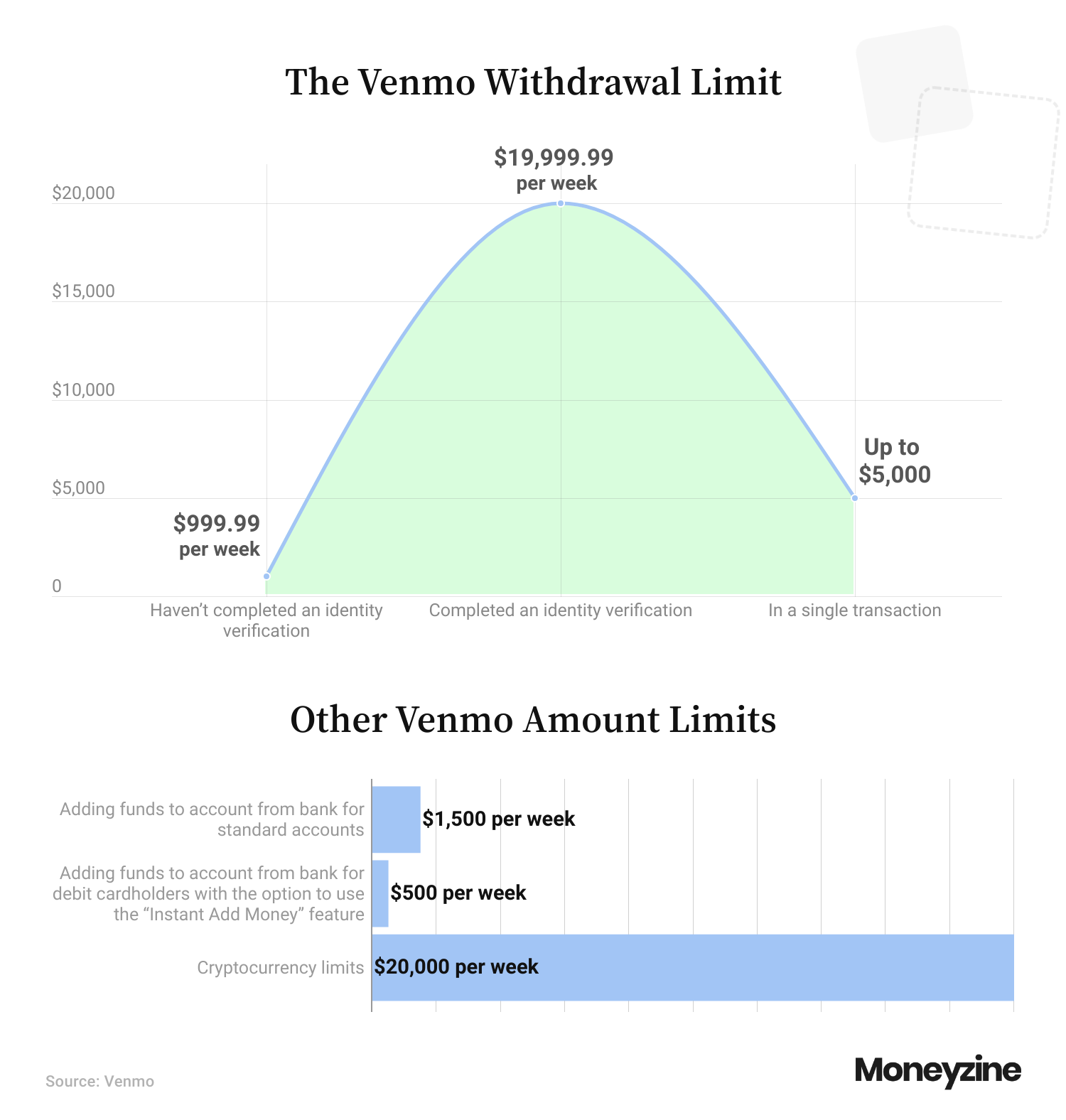
When you first sign up for Venmo, your account is considered “unverified.” In this state, your ability to move money is strictly curtailed. As of current regulations, unverified users typically face a weekly rolling limit of $299.99 for all transactions combined. This is a security measure intended to prevent fraudulent activity on new accounts that have not yet established a trust profile with the platform.
To move beyond this “starter” phase, users must complete the Identity Verification process. This requires providing your legal name, date of birth, and Social Security Number (SSN) or Individual Taxpayer Identification Number (ITIN). Once Venmo confirms these details, your account status upgrades, and your limits increase dramatically.
The Person-to-Person (P2P) Weekly Limit
Once verified, the primary limit most users care about is the “Person-to-Person” limit. This governs the money you send directly to other individuals. For a verified personal account, the combined weekly limit for sending funds is generally $60,000. However, there is an important caveat: within that $60,000, the maximum you can send in a single P2P transaction is often capped or subject to internal risk reviews.
It is also vital to understand the “rolling weekly” concept. This means the limit is not reset on Monday morning. Instead, it is a 168-hour window. If you send $1,000 on Tuesday at 2:00 PM, that $1,000 of your limit only becomes available again the following Tuesday at 2:00 PM.
Payment Method Restrictions
While your account may have a high overall limit, the specific payment method you use can introduce its own bottlenecks.
- Venmo Balance: If you have funds sitting in your Venmo account, you can use them up to your available limit.
- Bank Transfers: Most linked bank accounts allow for large transfers, but your specific bank may have its own daily “push” limits that are lower than Venmo’s $60,000 cap.
- Debit and Credit Cards: Transactions funded by cards are usually subject to the same $60,000 weekly limit, but credit card issuers often treat Venmo transfers as “cash advances,” which may carry much lower limits and significantly higher interest rates.
Navigating Business and Merchant Transaction Caps
As Venmo expanded into the commercial sector, it introduced specific profiles for freelancers, side-hustlers, and small business owners. The limits for these accounts differ from personal profiles to accommodate the higher volume of commerce.
Venmo for Business: Growth Without Barriers?
For those using a dedicated Business Profile, the limits are structured to support professional growth. Verified business profiles typically have a weekly rolling limit of $25,000 for payments received and a separate limit for payments sent. Because business transactions often involve larger sums for inventory or services, Venmo allows these users a higher degree of flexibility, provided they maintain a good standing and comply with the platform’s commercial terms of service.
Purchasing from Authorized Merchants
Many retailers now accept Venmo at checkout, either via a QR code or an integration in their mobile app. When you use Venmo to pay an authorized merchant (like Uber, Grubhub, or various retail sites), the limits are generally higher and separate from your P2P limits. For verified users, the limit for merchant payments can be as high as $6,000 per transaction, though this is still subject to the overall $60,000 weekly rolling cap. This distinction allows users to pay for high-ticket items like electronics or travel without exhausting their ability to send money to friends and family.
Tax Implications and the $600 Reporting Threshold
From a financial management perspective, it is impossible to discuss high-volume Venmo transactions without mentioning the IRS. While the “maximum amount” you can send is a technical limit, the “maximum amount” you can receive before triggering a tax event is a regulatory one.
Under current U.S. tax laws, if you receive more than $600 in a calendar year for goods and services, Venmo is required to issue a Form 1099-K. This does not necessarily mean you owe more taxes, but it does mean those transactions are reported to the IRS. Users who frequently hit their maximum limits for business purposes must keep meticulous records to distinguish between taxable business income and non-taxable personal reimbursements (like splitting a vacation rental).
Strategic Limits for Funding and Transfers
Managing the “max amount” isn’t just about sending money; it’s also about how you move money in and out of the Venmo ecosystem. The limits on “cashing out” are often where users encounter the most friction.
Adding Funds to Your Balance
Most users simply use their linked bank account as a pass-through. However, if you choose to “Add Money” to your Venmo balance directly, there are restrictions. Generally, the limit for adding funds from a verified bank account is $10,000 per week. This is significantly lower than the $60,000 sending limit, meaning if you need to make a massive payment, it is often more efficient to pay directly from the linked bank account rather than trying to “load” your Venmo balance first.
Cashing Out: Instant vs. Standard Transfers
When it comes to moving money from Venmo to your bank, you have two choices, each with its own ceiling:
- Standard Transfers: These take 1–3 business days and are free. The limit for verified users is typically $19,999.99 per week.
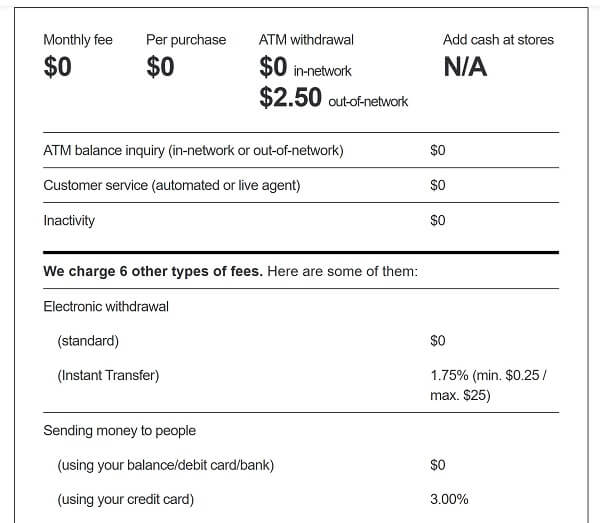
- Instant Transfers: These send money to your debit card or bank account within minutes for a 1.75% fee (with a minimum of $0.25 and a maximum of $25). The limit for an Instant Transfer is usually $5,000 per transaction.
For a user who has just sold a car for $15,000 and received the funds via Venmo, they cannot “Instant Transfer” the entire amount at once. They would either need to perform multiple transfers over several days or opt for the slower Standard Transfer.
Debit and Credit Card Spend Limits
If you possess a Venmo Debit Card or Venmo Credit Card, these have their own daily and weekly spending limits that are independent of your P2P transfer limits. The Venmo Debit Card, for example, typically has a $3,000 daily purchase limit. Understanding these silos is essential for anyone using Venmo as their primary financial hub.
Security Protocols and Limit Management
The existence of these limits is a primary defense mechanism against financial crime. By understanding why these limits exist and how to manage them, users can protect their capital while maximizing their transactional freedom.
Why Venmo Imposes Limits
Limits serve three main purposes:
- Anti-Money Laundering (AML): High-volume, anonymous transfers are a red flag for regulatory bodies. By enforcing limits and requiring verification, Venmo complies with federal “Know Your Customer” (KYC) laws.
- Fraud Prevention: If a bad actor gains access to your account, limits prevent them from draining your entire linked bank account in a single minute.
- Liquidity Management: P2P platforms must ensure they have the backend infrastructure to handle the massive movement of funds without systemic delays.
How to Increase Your Transfer Capacity
If you find that your current limits are insufficient for your financial needs, the steps to increase them are straightforward but require transparency:
- Complete All Verification Steps: Ensure your SSN, address, and legal identity are fully vetted in the app settings.
- Maintain Account Health: Accounts with frequent disputes or suspicious activity are less likely to see limit increases and more likely to face temporary freezes.
- Use a Business Profile: If your high-volume transactions are commercial in nature, switching to a Business Profile provides the appropriate framework and higher limits for those activities.
Protecting Your High-Value Transactions
When you are transacting near the maximum allowable amounts, the stakes are high. Unlike traditional bank wires, Venmo payments are often instantaneous and difficult to reverse. To protect your finances:
- Verify Recipient Identity: Before sending a large sum, send a $1 “test” payment to ensure the recipient is correct.
- Use Multi-Factor Authentication (MFA): Ensure your account requires a biometric or SMS code for every login.
- Monitor Your Rolling Window: Keep a log of your large transfers so you aren’t caught off guard when a payment is declined because you are $50 over your rolling weekly limit.
In conclusion, while the headline “max amount” for a verified Venmo user is $60,000 per week, the reality is a nuanced landscape of P2P, merchant, and transfer caps. By navigating these tiers with a strategic mindset, users can leverage Venmo as a powerful tool for modern personal and business finance, ensuring that their money moves as fast as their lives do, without compromising security or regulatory standing.
aViewFromTheCave is a participant in the Amazon Services LLC Associates Program, an affiliate advertising program designed to provide a means for sites to earn advertising fees by advertising and linking to Amazon.com. Amazon, the Amazon logo, AmazonSupply, and the AmazonSupply logo are trademarks of Amazon.com, Inc. or its affiliates. As an Amazon Associate we earn affiliate commissions from qualifying purchases.