
Navigating the landscape of homeownership often begins with a fundamental question: “What’s the interest rate on home loans?” This seemingly simple query unlocks a complex web of economic forces, personal financial decisions, and market dynamics that can significantly impact the long-term cost of buying a home. For most individuals, a home loan, or mortgage, represents the largest financial commitment they will ever make. Understanding interest rates is not just about knowing a number; it’s about comprehending the primary driver of your monthly payments and the total amount you’ll pay over decades.
Interest rates are essentially the cost of borrowing money. In the context of home loans, they represent the percentage of the principal loan amount that a lender charges you for the privilege of using their capital to finance your home purchase. This rate is expressed as an annual percentage. A seemingly small difference of even half a percentage point can translate into tens of thousands of dollars over the typical 15-year or 30-year life of a mortgage. Therefore, a deep dive into what determines these rates, how they function, and strategies for securing the most favorable terms is indispensable for any prospective homeowner.

Understanding the Fundamentals of Home Loan Interest Rates
To demystify home loan interest rates, it’s crucial to grasp their basic definitions and the different forms they can take. This foundational knowledge empowers borrowers to make informed decisions that align with their financial goals and risk tolerance.
Defining Interest Rates and Their Impact
At its core, an interest rate is a percentage charged by a lender to a borrower for the use of assets. For home loans, this asset is money. The interest rate dictates how much extra you pay beyond the principal loan amount. For example, on a $300,000 loan at 4% interest, a significant portion of your early monthly payments will go towards interest rather than reducing the principal. Over time, as the principal balance decreases, a larger portion of your payment will go towards paying down the principal. This mechanism, known as amortization, determines how your payments are distributed and how long it takes to pay off the loan. A higher interest rate means a larger portion of each payment goes to interest, slowing down equity accumulation and increasing the total cost over the loan term.
Fixed vs. Adjustable Rates: A Core Distinction
One of the most significant choices a borrower faces is between a fixed-rate mortgage (FRM) and an adjustable-rate mortgage (ARM). Each has distinct characteristics that appeal to different financial profiles and market outlooks.
-
Fixed-Rate Mortgages (FRM): With an FRM, the interest rate remains constant for the entire life of the loan, typically 15 or 30 years. This offers predictability and stability, as your principal and interest payment will never change. This certainty allows for easier budgeting and protects borrowers from potential rate increases in the future. The downside is that if market rates fall significantly, you won’t benefit unless you refinance, which incurs additional costs. FRMs are ideal for borrowers who value stability and plan to stay in their home for an extended period.
-
Adjustable-Rate Mortgages (ARM): ARMs feature an interest rate that changes periodically after an initial fixed-rate period. For example, a “5/1 ARM” means the rate is fixed for the first five years, and then adjusts annually thereafter. The adjustments are tied to a benchmark index (like the Secured Overnight Financing Rate – SOFR) plus a margin set by the lender. ARMs typically offer lower initial interest rates than FRMs, making them attractive to borrowers who anticipate selling or refinancing before the fixed period ends, or those who expect their income to increase significantly in the future. However, ARMs carry the risk of substantially higher payments if interest rates rise. They are often suitable for individuals with a shorter time horizon for homeownership or a higher tolerance for risk.
APR vs. Interest Rate: Knowing the True Cost
It’s crucial to distinguish between the advertised interest rate and the Annual Percentage Rate (APR). While the interest rate reflects the cost of borrowing the principal loan amount, the APR represents the total annual cost of the loan, including not only the interest rate but also most loan origination fees, discount points, mortgage insurance premiums (in some cases), and other lender charges. Because the APR incorporates these additional costs, it generally provides a more comprehensive and accurate picture of the loan’s true cost over its life. When comparing loan offers from different lenders, always compare the APR, not just the interest rate, to get an apples-to-apples comparison. A lower interest rate might look appealing, but a higher APR could indicate hidden fees that make it more expensive in the long run.
Key Factors Influencing Home Loan Interest Rates
Home loan interest rates are not static; they are in constant flux, influenced by a multitude of economic forces and individual circumstances. Understanding these drivers is essential for anticipating market movements and optimizing your borrowing strategy.
The Federal Reserve and Monetary Policy
The Federal Reserve (the Fed) plays a pivotal, albeit indirect, role in shaping mortgage rates. While the Fed does not directly set mortgage rates, its monetary policy decisions significantly influence the broader interest rate environment. The Fed primarily impacts short-term interest rates by adjusting the federal funds rate, which is the rate at which banks lend to each other overnight. Changes in the federal funds rate cascade through the financial system, affecting the cost of borrowing for banks. This, in turn, influences the rates banks offer on various loan products, including mortgages. When the Fed raises rates to combat inflation, mortgage rates typically trend upward. Conversely, when the Fed lowers rates to stimulate economic growth, mortgage rates tend to fall. Mortgage rates are more directly tied to the yield on 10-year Treasury bonds, which are influenced by expectations of future inflation and economic growth, both of which the Fed aims to manage.
Economic Indicators: Inflation, Employment, and GDP
Beyond the Fed, several key economic indicators signal the health and direction of the economy, directly impacting investor confidence and, consequently, mortgage rates:
-
Inflation: Inflation is the rate at which the general level of prices for goods and services is rising, and subsequently, purchasing power is falling. Lenders charge higher interest rates when inflation is expected to rise, to ensure that the real return on their investment isn’t eroded by the diminished value of future repayments. High inflation generally leads to higher mortgage rates.
-
Employment: A strong job market, characterized by low unemployment and rising wages, indicates a robust economy. This can lead to increased consumer spending and potential inflationary pressures, which may prompt the Fed to raise rates, leading to higher mortgage rates. Conversely, a weak job market can signal a struggling economy, potentially leading to lower rates as the Fed seeks to stimulate growth.
-
Gross Domestic Product (GDP): GDP is the total value of goods and services produced over a specific time period. Strong GDP growth indicates a healthy economy, which can lead to higher inflation expectations and, consequently, higher interest rates. Periods of slow or negative GDP growth might see lower interest rates as policymakers try to encourage borrowing and investment.
Lender-Specific Factors: Margins and Risk Assessment
While macroeconomic factors set the general market trend, individual lenders apply their own criteria to determine the final rate offered to a borrower.
-
Lender Margins: Lenders need to cover their operational costs, generate profit, and account for the risk involved in lending. Their “margin” is the profit they add on top of their own cost of funds. This margin can vary based on the lender’s business model, competition, and desired profitability.
-
Risk Assessment: Lenders assess the risk associated with each loan applicant. This involves evaluating the likelihood that a borrower might default. Higher perceived risk translates to a higher interest rate to compensate the lender for that increased risk.
Borrower-Specific Factors: Credit Score, Down Payment, and Debt-to-Income
Your personal financial profile plays a critical role in the interest rate you’ll be offered.
-
Credit Score: A higher credit score (e.g., FICO score of 740 or above) signals to lenders that you are a responsible borrower with a history of timely payments. This reduces the lender’s perceived risk, often qualifying you for the lowest available interest rates. Conversely, a lower credit score can result in a significantly higher interest rate or even denial of a loan.
-
Down Payment: The amount of money you put down upfront for the home also influences your rate. A larger down payment (e.g., 20% or more) reduces the loan-to-value (LTV) ratio, meaning the lender is financing a smaller percentage of the home’s value. This translates to lower risk for the lender and often results in a better interest rate. A smaller down payment (e.g., less than 20%) often requires private mortgage insurance (PMI), adding to the overall cost, and may come with a slightly higher rate.
-
Debt-to-Income (DTI) Ratio: Your DTI ratio compares your total monthly debt payments (including the new mortgage payment) to your gross monthly income. Lenders typically look for a DTI ratio below 43% (though lower is always better). A lower DTI indicates that you have ample income to cover your debts, signaling lower risk and potentially qualifying you for better rates.
Navigating Today’s Market: What to Expect
The mortgage market is dynamic, and current conditions can significantly impact the rates available to borrowers. Staying informed and strategically approaching the loan application process is key to securing a favorable rate.
Current Market Trends and Forecasts
While I cannot provide real-time, specific interest rates, the general trend of interest rates is always influenced by the factors mentioned above. Historically, rates fluctuate based on the economic cycle. During periods of economic expansion and inflation, rates tend to rise. During recessions or periods of uncertainty, central banks might lower rates to stimulate the economy, leading to a drop in mortgage rates. Geopolitical events, global supply chain issues, and even major policy changes can also introduce volatility. Prospective homebuyers should consult reputable financial news sources, mortgage rate trackers, and economic forecasts from trusted institutions to get the most up-to-date picture of market conditions. Understanding whether the market is in a rising, falling, or stable rate environment helps in deciding whether to lock a rate or wait.
How to Shop for the Best Rates
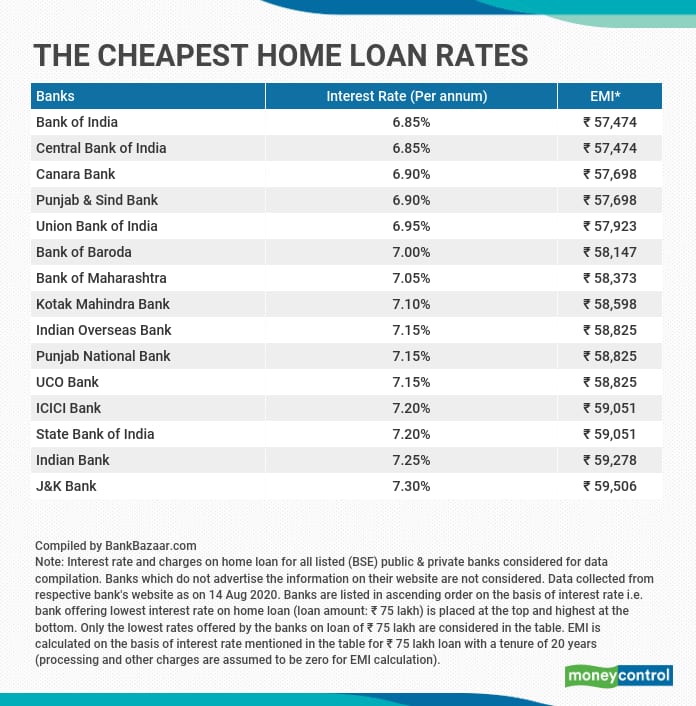
Shopping for a home loan is not a “one-and-done” activity; it requires diligence and comparison.
-
Get Quotes from Multiple Lenders: Don’t settle for the first offer. Contact at least three to five different lenders, including traditional banks, credit unions, and online lenders. Each lender has different pricing structures, overheads, and risk appetites, leading to varying rate offers.
-
Compare APRs, Not Just Interest Rates: As discussed, the APR gives you a more complete picture of the loan’s cost.
-
Get Pre-Approved: Pre-approval involves a lender reviewing your financial information and giving you an estimate of how much you can borrow and at what rate. This gives you a realistic budget and shows sellers you are a serious buyer. It also provides a concrete offer to compare with others.
-
Leverage Rate Tools: Many financial websites offer tools to compare current mortgage rates from various lenders, often broken down by loan type, term, and location.
The Role of Mortgage Brokers vs. Direct Lenders
When seeking a loan, you’ll generally interact with either a direct lender or a mortgage broker.
-
Direct Lenders: These are financial institutions like banks, credit unions, or independent mortgage companies that originate and fund loans themselves. They offer their own products and rates. Working directly with a lender can sometimes streamline the process and allow for direct negotiation.
-
Mortgage Brokers: Brokers act as intermediaries between borrowers and multiple lenders. They do not lend money themselves but work with a network of wholesale lenders. A good broker can shop around on your behalf to find the best rates and terms that fit your specific financial situation, potentially saving you time and money. They earn a commission, usually paid by the lender. While they can offer convenience and access to a wider range of products, ensure their fees are transparent and that they are truly finding you the best deal rather than just pushing certain lenders.
Strategies to Secure a Favorable Home Loan Rate
Beyond market forces, there are concrete steps you can take to position yourself for the best possible interest rate. Proactive financial management can translate into significant savings over the life of your loan.
Improving Your Financial Profile
Lenders view borrowers with strong financial profiles as lower risk, which directly translates to better rates.
-
Boost Your Credit Score: This is paramount. Pay all bills on time, keep credit utilization low (below 30% of your credit limit), avoid opening too many new credit accounts, and regularly check your credit report for errors. Even a few points can make a difference.
-
Reduce Debt-to-Income Ratio: Before applying for a mortgage, pay down high-interest debts like credit cards and personal loans. A lower DTI indicates you have more disposable income to cover your mortgage payments.
-
Increase Your Down Payment: The more you can put down, the lower your loan-to-value (LTV) ratio, which reduces the lender’s risk. Aim for 20% or more to avoid Private Mortgage Insurance (PMI) and often qualify for a better rate.
Understanding Loan Products and Their Nuances
Different loan products cater to different needs and risk tolerances, and understanding them is key to choosing wisely.
-
Conventional Loans: These are not guaranteed or insured by the government and typically have stricter credit and down payment requirements but often offer competitive rates.
-
Government-Backed Loans (FHA, VA, USDA):
-
FHA Loans: Insured by the Federal Housing Administration, FHA loans have more lenient credit requirements and allow for smaller down payments (as low as 3.5%). They come with mortgage insurance premiums (MIP), which adds to the cost.
-
VA Loans: Guaranteed by the Department of Veterans Affairs for eligible service members and veterans, VA loans often require no down payment and no private mortgage insurance. They typically have highly competitive rates.
-
USDA Loans: Backed by the U.S. Department of Agriculture for rural homebuyers, these loans can offer 0% down payment options for eligible borrowers in designated rural areas.
-
-
Jumbo Loans: For loan amounts exceeding conforming loan limits set by government-sponsored enterprises (like Fannie Mae and Freddie Mac), jumbo loans are used. They often have stricter qualification criteria and may carry slightly higher interest rates due to the larger risk involved.
Each product has specific eligibility criteria and cost structures; carefully evaluating them against your personal situation is crucial.
The Power of Rate Locks
Once you’ve found a favorable interest rate, a rate lock is an agreement between you and your lender that guarantees a specific interest rate for a defined period (e.g., 30, 45, or 60 days) while your loan application is being processed. This protects you from market rate increases during the closing period. However, be aware of:
-
Lock-in Fees: Some lenders may charge a fee for a rate lock, especially for longer periods.
-
Expiration: If your loan doesn’t close within the locked period, you may lose the locked rate or have to pay to extend it, potentially at a higher rate if the market has shifted.
-
Float-Down Option: Some lenders offer a “float-down” option, which allows you to take advantage of lower rates if they drop significantly after you’ve locked, usually for an additional fee.
Carefully consider market volatility and your estimated closing timeline before deciding on a rate lock.
Beyond the Rate: Hidden Costs and Long-Term Implications
While the interest rate is undeniably critical, it’s only one piece of the puzzle. A truly insightful borrower will look beyond the rate to understand the full financial commitment and long-term implications of their home loan.
Closing Costs and Fees
Closing costs are an array of fees charged by various parties involved in the home sale and loan transaction. These typically range from 2% to 5% of the loan amount and are paid at closing. They can include:
-
Origination Fees: Charged by the lender for processing the loan.
-
Appraisal Fee: Cost for a professional assessment of the home’s value.
-
Title Insurance: Protects both the lender and homeowner against claims to ownership.
-
Escrow Fees: Paid to the third party holding funds until closing.
-
Recording Fees: Paid to the local government to record the new deed and mortgage.
-
Prepaid Items: Such as property taxes and homeowner’s insurance premiums for a certain period.
These costs significantly add to the upfront expense of buying a home and should be factored into your budget.
Prepayment Penalties and Refinancing Considerations
Some loan agreements include prepayment penalties, which are fees charged if you pay off your mortgage early (either by making extra payments or by refinancing). While less common today, particularly with conventional loans, it’s crucial to check your loan documents for this clause, as it can severely impact your flexibility to refinance or sell.
Refinancing is the process of replacing your existing mortgage with a new one. People refinance for various reasons:
-
To get a lower interest rate: If market rates have dropped significantly since you originated your loan.
-
To change loan terms: For example, moving from a 30-year to a 15-year mortgage to pay it off faster, or from an ARM to an FRM for stability.
-
To tap into home equity: Cash-out refinancing allows you to borrow more than your current mortgage balance, taking the difference as cash.
Refinancing involves new closing costs, so a careful cost-benefit analysis is necessary to ensure the savings from a lower rate or a change in terms outweigh the fees.

The Total Cost of Ownership Over Time
Focusing solely on the monthly mortgage payment or the interest rate in isolation can be misleading. The true cost of homeownership over the long term encompasses:
-
Principal and Interest: Your core loan payments.
-
Property Taxes: Paid to local government, typically adjusted annually.
-
Homeowner’s Insurance: Protects against damage and liability.
-
Private Mortgage Insurance (PMI): If you put less than 20% down.
-
Utilities: Electricity, water, gas, internet.
-
Maintenance and Repairs: An often-underestimated cost; homeowners should budget 1-3% of the home’s value annually for these expenses.
-
HOA Fees: If applicable, for properties in homeowners’ associations.
When evaluating a home loan, it’s imperative to consider all these elements to project your total monthly and annual housing expenses. A lower interest rate on your mortgage will reduce your principal and interest payment, but it won’t impact property taxes, insurance, or maintenance. A holistic view ensures financial preparedness and avoids unexpected burdens, making the journey to homeownership a sustainable and rewarding one.
Understanding “what’s the interest rate on home loans” goes far beyond a simple number. It’s a comprehensive exploration of economic principles, personal financial management, and strategic decision-making that collectively determine the affordability and long-term financial health of your homeownership journey. Armed with this knowledge, prospective and current homeowners can navigate the mortgage market with confidence and make choices that serve their best interests for decades to come.
aViewFromTheCave is a participant in the Amazon Services LLC Associates Program, an affiliate advertising program designed to provide a means for sites to earn advertising fees by advertising and linking to Amazon.com. Amazon, the Amazon logo, AmazonSupply, and the AmazonSupply logo are trademarks of Amazon.com, Inc. or its affiliates. As an Amazon Associate we earn affiliate commissions from qualifying purchases.