
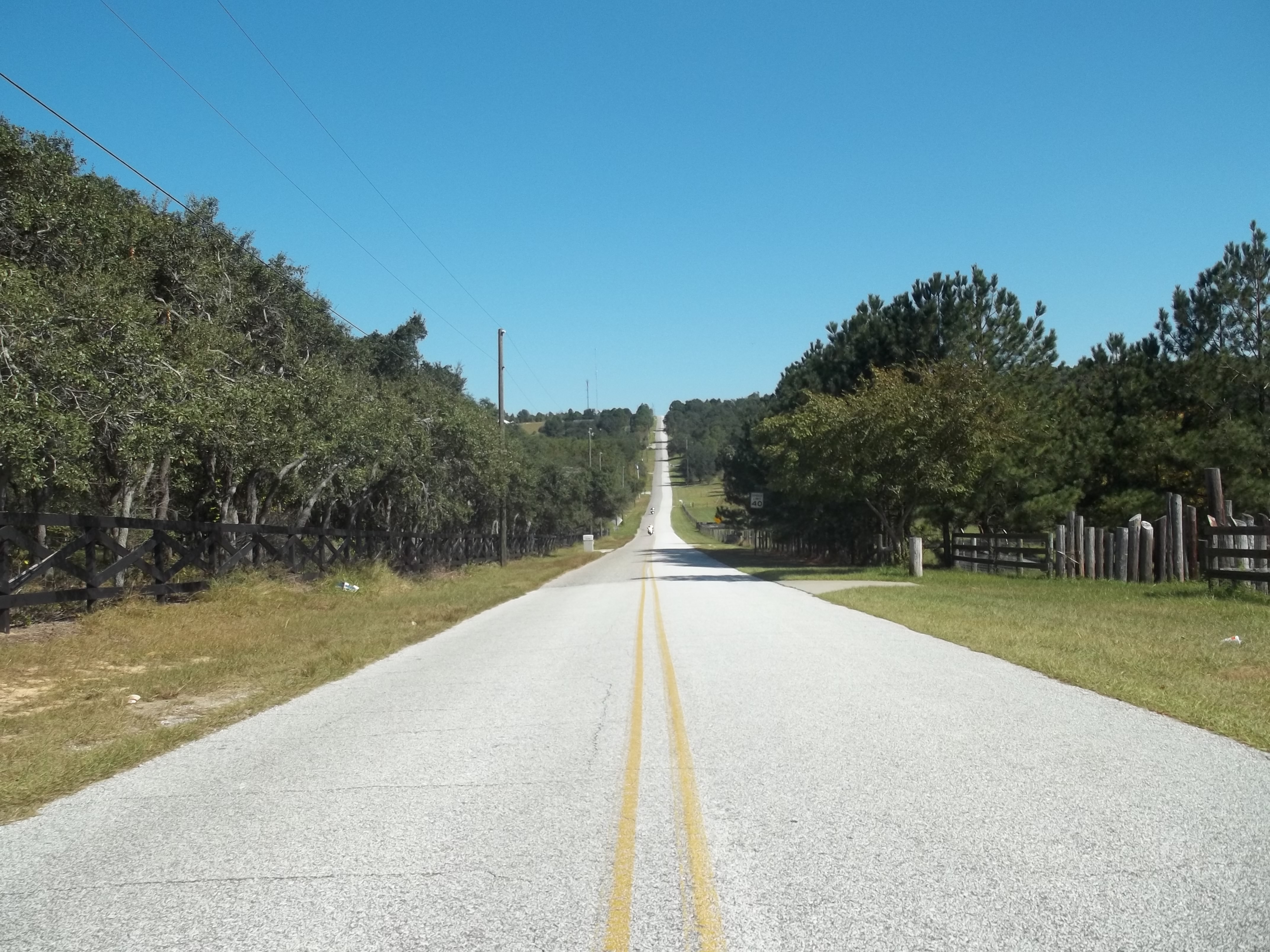
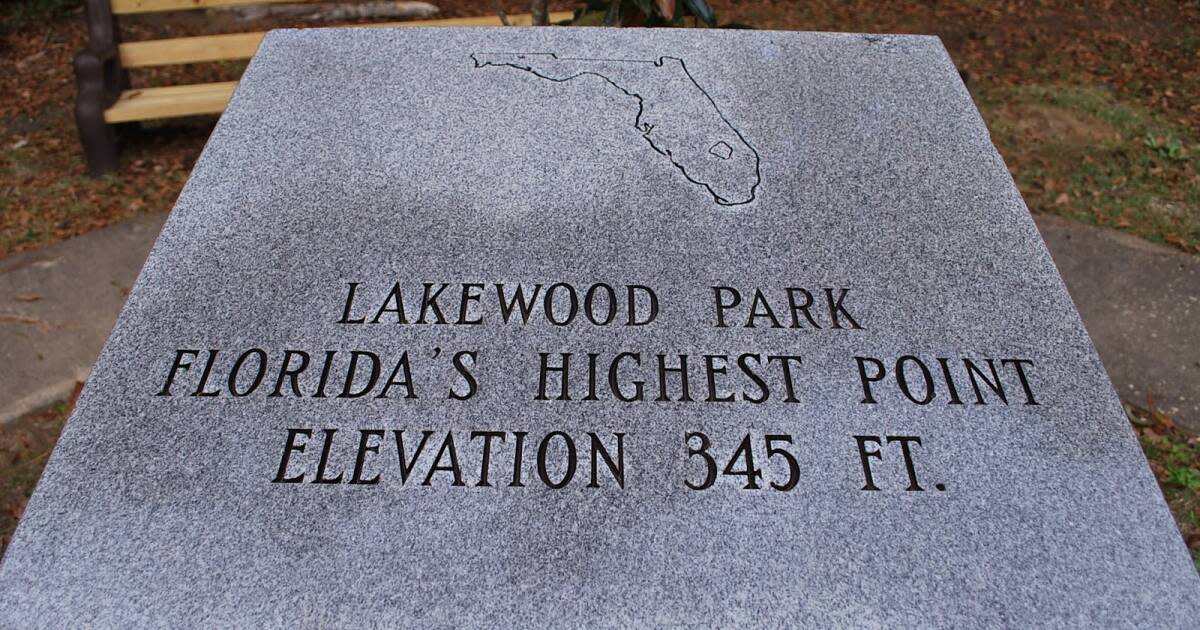
In the world of geographical trivia, the answer to “What is the highest elevation in Florida?” is often a point of irony. Britton Hill, located in the northern Panhandle near the town of Lakewood, stands at a modest 345 feet above sea level. It is the lowest “high point” of any state in the U.S., sitting even lower than many of the skyscrapers in downtown Miami. However, for investors, real estate developers, and financial planners, these 345 feet—and the thousands of square miles that sit far below them—represent one of the most significant variables in the American financial landscape.
In Florida, elevation is not merely a physical measurement; it is a fiscal asset. As the state continues to lead the nation in population growth and capital inflow, the relationship between a property’s height above sea level and its long-term valuation has become a cornerstone of modern investment strategy. Understanding the financial implications of Florida’s unique topography is essential for anyone looking to navigate the state’s complex real estate and insurance markets.
The Economic Significance of Florida’s Elevation
While Florida is colloquially known as the “Sunshine State,” from an investment perspective, it is increasingly defined by its flatness. Because the vast majority of the state’s multi-trillion-dollar real estate portfolio sits less than 50 feet above sea level, the few areas of higher elevation, like the Lake Wales Ridge or the Panhandle highlands, carry a distinct economic premium.
Britton Hill vs. the Coastal Premium
Historically, Florida’s wealth has been concentrated along its coastlines. Beachfront properties in Palm Beach, Naples, and Miami Beach have traditionally yielded the highest Returns on Investment (ROI). However, we are witnessing a subtle but definitive shift. While Britton Hill itself is not a luxury real estate destination, the concept it represents—elevation—is being factored into the “Climate Alpha” of institutional investments.
Smart money is beginning to look at the disparity between coastal demand and long-term inland security. The Panhandle, where Florida reaches its peak height, is seeing increased interest not just for its timber and agriculture, but as a hedge against the volatility of coastal insurance markets.
Why Millimeters Matter in the Sunshine State
In finance, we often speak of “marginal gains.” In Florida topography, we speak of marginal elevation. A difference of just three or four feet in elevation can be the deciding factor between a property being eligible for a standard mortgage or being saddled with prohibitive surcharges. For commercial developers, the elevation of a site dictates the cost of “fill” (the soil used to raise a building site), which can add millions to the initial capital expenditure. Consequently, the literal high ground is becoming the metaphorical high ground for capital preservation.
The Insurance Paradox: Elevation as a Financial Asset
The most direct link between Florida’s 345-foot peak and your bank account is the cost of risk transfer. The insurance crisis in Florida is well-documented, with premiums rising at rates that outpace inflation and wage growth. At the heart of this crisis is topography.
Navigating the Rising Costs of Flood Insurance
For decades, the National Flood Insurance Program (NFIP) subsidized the risk of living at low elevations. However, with the implementation of Risk Rating 2.0, the Federal Emergency Management Agency (FEMA) has shifted toward “actuarial soundness.” This means that the proximity to the coast and the elevation of the first floor are now the primary drivers of insurance costs.
From a personal finance perspective, a home at a higher elevation—even just 20 or 30 feet—can save an owner thousands of dollars annually in premiums. Over a 30-year mortgage, this “elevation dividend” can amount to over $100,000 in saved expenses, significantly increasing the net worth of the homeowner compared to a neighbor at sea level.
The “High Ground” Premium in Modern Real Estate
We are currently observing the emergence of “Climate Gentrification.” This is a financial phenomenon where properties at higher elevations in cities like Miami (built on the Atlantic Coastal Ridge) are seeing faster appreciation than their low-lying, waterfront counterparts.
Investors are no longer just looking at square footage or school districts; they are looking at LiDAR (Light Detection and Ranging) maps. The “high ground premium” is now a standard metric in professional appraisals. If you are holding assets in areas like Clermont or the Redlands, you are holding land that is intrinsically more “insurable,” which in turn makes it more “liquid” and more “valuable” in a distressed market.
Investing in Resilience: Infrastructure and Climate Alpha
The financial future of Florida depends on how the state manages its low-lying geography. This has created a burgeoning sector for “Resilience Investing.” Since the state cannot move Britton Hill to the coast, it must spend billions on engineering.
Municipal Bonds and Climate Adaptation Funding
For fixed-income investors, Florida’s topography has changed the risk profile of municipal bonds. Local governments in South Florida are issuing billions in debt to fund sea walls, pump stations, and road elevation projects.
Analyzing the fiscal health of these municipalities requires an understanding of their “elevation-to-debt” ratio. Cities that are proactively investing in protecting their tax base from rising tides are seen as safer bets for bondholders. Conversely, municipalities that lack the topographic advantage and the capital to compensate for it may face credit downgrades, impacting the portfolios of conservative investors.
Seeking “Climate Alpha” in the Panhandle and Central Ridge
“Alpha” refers to an investment strategy’s ability to beat the market. In Florida, “Climate Alpha” is found by identifying undervalued inland hubs. The Central Florida Ridge, running through Polk and Lake Counties, offers elevations that far exceed the state average, reaching heights over 300 feet in some areas.
Developers are increasingly targeting these regions for massive distribution centers (Amazon, Walmart) and residential hubs. The logic is purely financial: lower insurance costs, no need for expensive coastal mitigation, and a lower probability of total loss during extreme weather events. For a long-term real estate play, moving up the elevation gradient is proving to be a winning strategy for capital appreciation.
Future-Proofing Portfolios: The Long-Term Outlook for Florida Assets
As we look toward the next several decades of economic activity in Florida, the height of the land will dictate the flow of the money. Whether you are a retail investor with a single-family rental or a fund manager overseeing a REIT (Real Estate Investment Trust), elevation is a non-negotiable KPI (Key Performance Indicator).
Diversification Beyond the Shoreline
The old adage “buy land, they aren’t making any more of it” takes on a literal meaning in Florida. As the lower elevations become more expensive to maintain and insure, the intrinsic value of the high ground increases. Diversifying a Florida-based portfolio now requires a “topographic hedge.” This means balancing high-yield coastal vacation rentals with “safe-haven” inland assets situated at higher elevations.
This strategy ensures that even if insurance markets tighten further or coastal regulations become more stringent, the portfolio retains a core of stable, high-elevation assets that are immune to the most immediate topographical risks.

Strategic Land Acquisition: Buying for the Next Century
For those with a multi-generational investment horizon, the quest for the highest elevation in Florida isn’t just a fun fact—it’s a scouting mission. Land acquisition near Britton Hill or along the Ocala National Forest is no longer just about timber or agriculture; it is about “land banking” for a future where Florida’s population centers may inevitably shift toward more sustainable elevations.
In conclusion, while Florida may be the flattest state in the union, its minor variations in height create major variations in financial outcomes. The 345 feet of Britton Hill serve as a reminder that in the Sunshine State, the high ground is the most valuable ground. By integrating topographic data into financial modeling, investors can mitigate risk, optimize insurance costs, and position their portfolios to thrive in an era where elevation is the ultimate currency.
aViewFromTheCave is a participant in the Amazon Services LLC Associates Program, an affiliate advertising program designed to provide a means for sites to earn advertising fees by advertising and linking to Amazon.com. Amazon, the Amazon logo, AmazonSupply, and the AmazonSupply logo are trademarks of Amazon.com, Inc. or its affiliates. As an Amazon Associate we earn affiliate commissions from qualifying purchases.