
The question “What’s the first Star Wars movie?” might seem straightforward, but for fans and newcomers alike, it can lead down a rabbit hole of release dates, in-universe chronology, and the evolution of a cultural phenomenon. Understanding the “first” Star Wars movie isn’t just about pinpointing a single release; it’s about recognizing the genesis of a multimedia empire and the strategic decisions that shaped its initial impact and enduring legacy. While the content of the movies is a separate discussion, the launch of the first film, Star Wars: Episode IV – A New Hope, was a masterclass in brand positioning, marketing, and ultimately, the creation of an enduring intellectual property that has redefined the entertainment landscape. This exploration delves into the brand-centric aspects of Star Wars‘ debut, examining how it established a universe, cultivated a passionate fanbase, and set the stage for a multi-generational success story.
The Genesis of a Brand: Launching “A New Hope”
The cinematic debut of Star Wars on May 25, 1977, was far from an assured blockbuster. In fact, the film, then simply titled Star Wars, faced considerable skepticism from Hollywood executives and critics. George Lucas, the visionary creator, had a bold idea for a space opera that was unlike anything audiences had seen before. The challenge was not just in telling a compelling story, but in convincing the world to invest in this nascent universe. The initial branding efforts, therefore, were crucial in shaping perception and generating buzz in an era where franchise-building was not yet the dominant force it is today.
Pioneering the Space Opera Genre
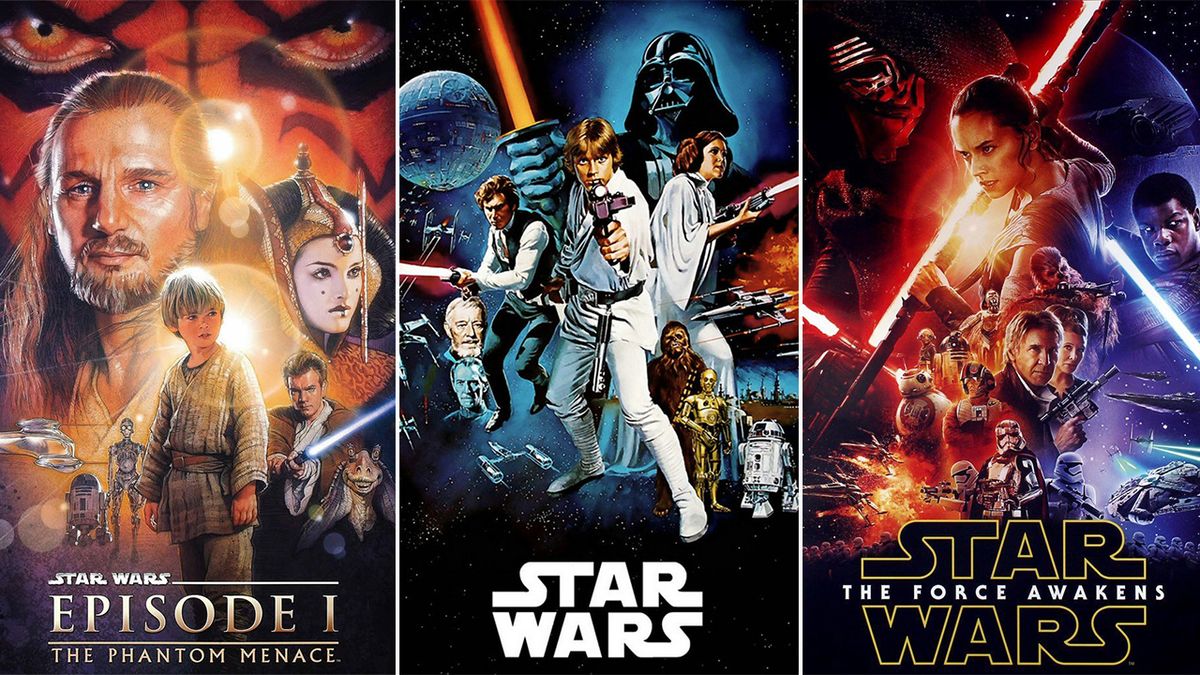
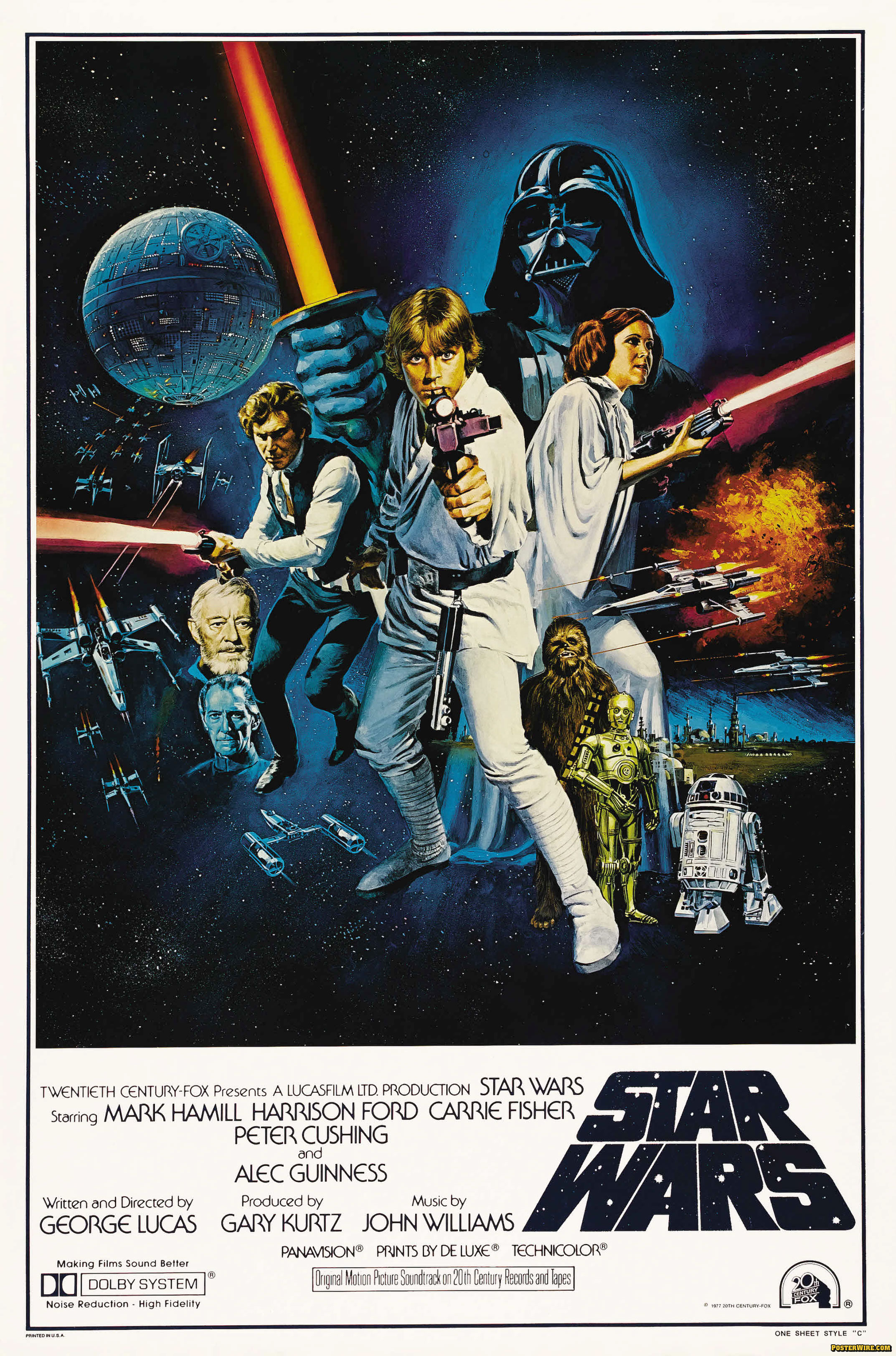
Before Star Wars, the science fiction genre in cinema was often relegated to niche audiences, characterized by B-movies or more intellectual explorations of scientific concepts. Lucas envisioned something different: a grand, mythic adventure steeped in classic archetypes, drawing inspiration from serials, Westerns, and samurai films. The initial marketing and public relations efforts had to introduce this unique blend to a mainstream audience. The title itself, Star Wars, was direct and evocative, promising a grand conflict set against a cosmic backdrop. The early posters and promotional materials, with their iconic imagery of Darth Vader, Luke Skywalker, and the Millennium Falcon, began to establish a visual identity that was both futuristic and timeless. This was the first step in creating a recognizable and appealing brand.
Strategic Marketing and Unforeseen Success
The marketing of Star Wars was a calculated risk that paid off exponentially. Unlike today’s multi-million dollar pre-release campaigns, the initial marketing for Star Wars was relatively modest. However, it was incredibly effective in building anticipation. Early trailers and posters focused on the sense of adventure and wonder, hinting at a vast universe without revealing too much. The film’s initial release was in a limited number of theaters, a strategy that, coupled with word-of-mouth, generated an incredible demand. This created a perception of scarcity and exclusivity, driving audiences to seek out the experience. The unexpected critical and commercial success of A New Hope was the ultimate marketing tool, transforming the film into a cultural phenomenon and solidifying the Star Wars brand as something extraordinary.
Establishing the Star Wars Universe: Beyond the Film
The success of Star Wars: Episode IV – A New Hope wasn’t just about a single film; it was about the creation of an expansive universe that begged to be explored further. The film laid the groundwork for a rich tapestry of characters, planets, and lore, all of which contributed to the burgeoning brand. The studio and Lucasfilm understood that this wasn’t just a story; it was an invitation into a world, and the strategic development of this world was key to its long-term brand equity.
Crafting Iconic Characters and Lore
From the outset, Star Wars presented a compelling cast of characters, each with their own motivations and archetypal roles. Luke Skywalker, the farm boy with a destiny; Princess Leia, the determined leader; Han Solo, the roguish smuggler; and the enigmatic Darth Vader, a force of pure evil, all resonated with audiences. Beyond the characters, the film introduced concepts like the Force, Jedi Knights, and the Galactic Empire, which added depth and intrigue. These elements weren’t just plot devices; they were building blocks of a distinct brand identity. The visual design, from the X-wings and TIE fighters to the alien cantina, contributed to a unique and immersive aesthetic that became synonymous with Star Wars.
The Birth of Merchandising and Franchise Expansion
A crucial element of the Star Wars brand’s initial success was its pioneering approach to merchandising. Recognizing the potential for revenue beyond ticket sales, Lucasfilm made a calculated decision to retain the merchandising rights for Star Wars toys and other products. This was a radical move at the time, as film studios rarely held such control. The overwhelming demand for Star Wars merchandise, particularly the action figures, created a feedback loop that further cemented the brand in popular culture. Children and adults alike could not only experience the story on screen but also bring the universe into their homes, fostering a deeper connection and loyalty. This early success with merchandise demonstrated the immense commercial potential of a well-developed fictional universe, setting a precedent for future film franchises.
The Enduring Brand Legacy: From “A New Hope” Onward
The impact of Star Wars: Episode IV – A New Hope transcends its initial box office success. It fundamentally altered the landscape of the film industry, introducing new storytelling paradigms, technological advancements, and business models. The brand it established continues to thrive decades later, a testament to the foresight and strategic execution of its early years.
Revolutionizing Film Production and Visual Effects
Star Wars was a technological marvel for its time. The groundbreaking visual effects developed by Industrial Light & Magic (ILM), founded by George Lucas specifically for the film, set new standards for what was possible in cinematic storytelling. The meticulous attention to detail in set design, costume creation, and sound engineering all contributed to a sense of realism within a fantastical setting. This commitment to pushing the boundaries of filmmaking not only enhanced the audience’s immersion but also positioned Star Wars as a leader in cinematic innovation, further strengthening its brand as a purveyor of cutting-edge entertainment.
Cultivating a Global Fanbase and Cultural Impact
The narrative power, compelling characters, and immersive universe of Star Wars resonated with audiences on a global scale. The film sparked conversations, inspired imaginations, and created a shared cultural touchstone. This initial wave of fandom, fueled by the excitement of a groundbreaking cinematic experience, laid the foundation for a passionate and dedicated fanbase that has endured and grown over generations. The success of A New Hope demonstrated the power of a well-crafted, epic story to capture the public’s imagination and create a lasting cultural impact. The brand wasn’t just about movies; it was about a shared experience, a sense of wonder, and an ongoing adventure that continues to be told and retold. The strategic decision to focus on world-building and character development, coupled with innovative filmmaking and smart branding, made “the first Star Wars movie” not just a film, but the birth of an enduring global phenomenon.
aViewFromTheCave is a participant in the Amazon Services LLC Associates Program, an affiliate advertising program designed to provide a means for sites to earn advertising fees by advertising and linking to Amazon.com. Amazon, the Amazon logo, AmazonSupply, and the AmazonSupply logo are trademarks of Amazon.com, Inc. or its affiliates. As an Amazon Associate we earn affiliate commissions from qualifying purchases.