
When consumers ask, “What’s the first Indiana Jones movie?” the literal answer is the 1981 cinematic masterpiece Raiders of the Lost Ark. However, from a brand strategy perspective, the answer is much deeper. Raiders of the Lost Ark was not merely a motion picture; it was the launch of a high-equity global brand that would redefine the “action-adventure” category for over forty years. Directed by Steven Spielberg and conceived by George Lucas, this first installment established a blueprint for intellectual property (IP) management that remains a gold standard in the entertainment industry and beyond.

To understand the magnitude of the Indiana Jones brand, one must look past the box office numbers and examine the strategic pillars that allowed a single film to evolve into a multi-billion dollar corporate identity. By analyzing the visual cues, the character-as-brand philosophy, and the strategic scaling of the franchise, we can uncover how Raiders of the Lost Ark built a legacy that transcends the screen.
Establishing the Visual Identity: Why Raiders of the Lost Ark Was a Masterclass in Brand Design
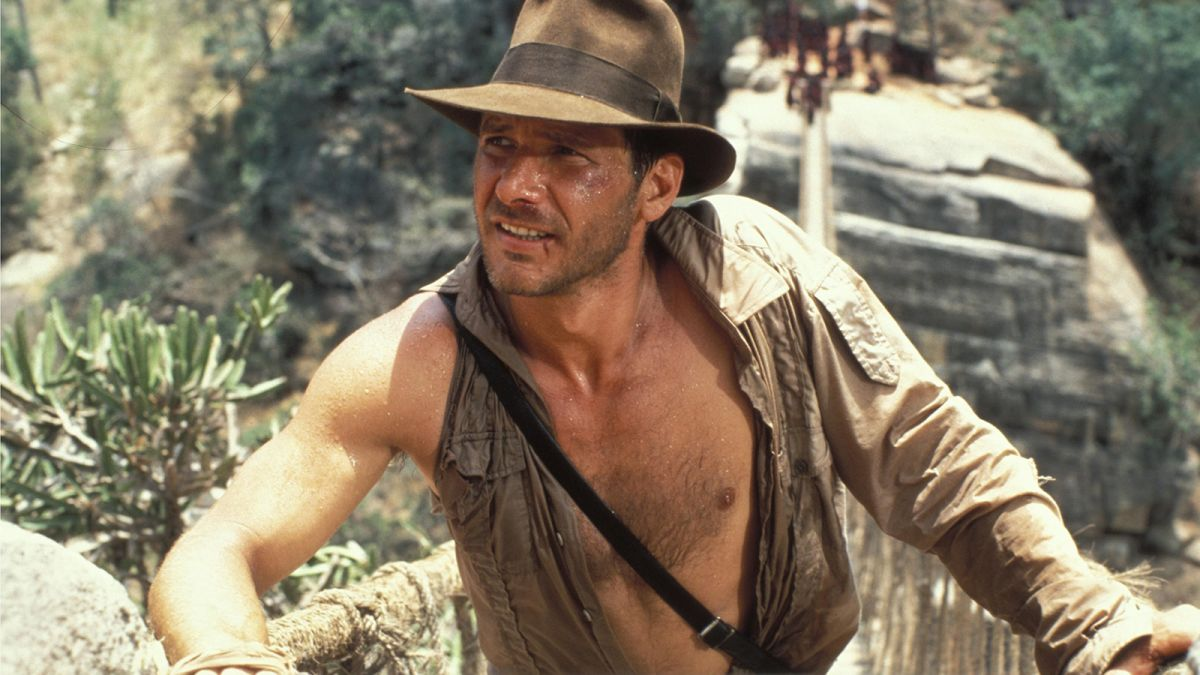
In the world of brand strategy, visual identity is the most immediate way to communicate value and ensure recognition. The first Indiana Jones movie did something revolutionary: it created a “silhouette brand.” Even today, forty years after the debut of Raiders of the Lost Ark, a simple outline of a fedora and a coiled whip is instantly recognizable to millions of people worldwide.
The Power of Iconic Brand Assets
The “Indy” look was a deliberate choice in visual branding. George Lucas and costume designer Deborah Nadoolman Landis crafted a look that was both timeless and distinct. The brown leather jacket, the khakis, and the aforementioned fedora served as brand assets that could be easily replicated, licensed, and marketed. In corporate branding, we refer to these as “distinctive brand assets.” These elements allowed the character to remain consistent across sequels, television spin-offs, comic books, and theme park attractions. When a brand possesses assets that are this strong, it reduces the “cognitive load” on the consumer, making the brand easier to remember and choose.
Typography and Color Palette as Brand Signifiers
The title treatment for Raiders of the Lost Ark utilized a specific, rugged, adventure-style font that has since become synonymous with the franchise. The warm, sunset-hued color palette—oranges, yellows, and deep browns—communicated a sense of nostalgia and high-stakes adventure. By maintaining this visual language across every touchpoint, from the original 1981 posters to the latest digital marketing campaigns for the fifth installment, Lucasfilm demonstrated the power of brand consistency. This consistency builds trust with the audience, signaling that the “product” (the film) will deliver a specific, high-quality experience.
The Power of Character Archetypes: Developing Indiana Jones as a Personal Brand
A successful brand often relies on a relatable yet aspirational “persona.” Indiana Jones, as introduced in the first movie, was a masterstroke in character branding. He was not a superhero with unattainable powers; he was a professor with a PhD who happened to be exceptionally brave (and occasionally lucky). This duality created a brand persona that was both intellectual and visceral.
Positioning the Relatable Hero
In marketing terms, Indiana Jones was positioned as the “Everyman” who enters the “Hero” archetype. He bleeds, he makes mistakes, and famously, he has a crippling phobia of snakes. These vulnerabilities are essential to the brand’s “brand humanization.” Modern brand strategy often emphasizes that brands should be “human” to build emotional connections with consumers. By making the protagonist vulnerable, the creators of the first Indiana Jones movie ensured that the audience would form a deep emotional bond with the brand, leading to long-term brand loyalty.
Brand Values: Knowledge vs. Greed
The first movie also established the core values of the brand. Indiana Jones is driven by the preservation of history (“It belongs in a museum!”) rather than personal gain. This value-based positioning differentiated the brand from other treasure-hunter narratives that focused on wealth. In a corporate context, having a clear “North Star” or mission statement is vital. The Indiana Jones brand stood for the protection of global heritage, which elevated the movies from mere popcorn entertainment to a narrative about ethics and legacy.

Strategic Scaling: How One Film Birthed a Multi-Billion Dollar IP
The transition from a successful first movie to a global franchise requires a sophisticated approach to brand extension. After the success of Raiders of the Lost Ark, the creators faced the challenge of how to scale the brand without diluting its core essence.
The Prequel and Sequel Strategy
Interestingly, the follow-up to the first Indiana Jones movie, The Temple of Doom, was a prequel. This was a strategic move to explore different facets of the brand’s “origin story” without being tied to the immediate timeline of the first film. By the time The Last Crusade was released, the brand had expanded its narrative to include family dynamics, introducing Indy’s father. This “brand expansion” allowed the franchise to appeal to multiple generations, turning it into a “family brand” while maintaining its “action-adventure” roots.
Diversification via Transmedia Storytelling
The Indiana Jones brand did not stay confined to cinema. It utilized a transmedia strategy—long before the term was popularized—to maintain brand relevance during the long gaps between films. The Young Indiana Jones Chronicles television series, various video games (such as Fate of Atlantis), and a series of novels all served as “brand touchpoints.” Each of these products reinforced the core brand identity while reaching different market segments. For instance, the video games appealed to a younger, tech-savvy demographic, while the novels appealed to the more traditional, literary audience.
Legacy Management and the Evolution of the Brand under Disney
In 2012, the acquisition of Lucasfilm by The Walt Disney Company marked a new era for the Indiana Jones brand. Disney, a master of IP management, recognized that the brand’s value lay in its heritage. When a brand has existed for decades, its primary asset is nostalgia, but its primary challenge is staying relevant to a modern audience.
Modernizing a Legacy Brand
The release of Indiana Jones and the Kingdom of the Crystal Skull and later Indiana Jones and the Dial of Destiny showcased the complexities of “legacy branding.” The challenge was to honor the original 1981 “product” while updating the cinematic techniques and narrative themes for a 21st-century audience. Brand managers at Disney had to balance “brand heritage” with “brand innovation.” This included using de-aging technology to evoke the look of the first movie, a direct play on the audience’s emotional connection to the 1981 visual identity.
Strategic Partnerships and Licensing
The brand’s longevity is also sustained through high-end licensing. From LEGO sets to luxury apparel collaborations, the Indiana Jones brand has been strategically placed in front of consumers in ways that reinforce its “premium” status. Unlike some franchises that over-saturate the market, Indiana Jones has maintained a degree of “scarcity,” making each new release or product launch feel like a major cultural event. This is a classic “prestige brand” strategy.
Lessons in Brand Longevity: What Modern Marketers Can Learn from the Dr. Jones Blueprint
The journey from the first Indiana Jones movie to its current status as a cultural icon offers several vital lessons for brand strategists and business leaders.
- Start with a Strong Core: Raiders of the Lost Ark was a high-quality product that fulfilled a specific market need (the return of the serialized adventure). Without a strong core product, no amount of branding can create a multi-decade legacy.
- Consistency is King: Whether it is the music (John Williams’ iconic “Raiders March”) or the visual cues, the brand has remained remarkably consistent. This creates “brand fluency,” where consumers can identify the brand instantly.
- Adapt but Don’t Abandon: While the brand has adapted to new technologies and changing cultural sensibilities, it has never abandoned its core values or its “brand DNA.”
- Emotional Connection Trumps Specs: People don’t love Indiana Jones because of the “specs” of the movies (the frame rate or the budget); they love him because of the emotional journey and the sense of adventure the brand promises.
In conclusion, “What’s the first Indiana Jones movie?” is a question that leads us back to 1981, but the answer encompasses a masterclass in brand strategy. Raiders of the Lost Ark did more than just introduce a character; it established a visual, emotional, and commercial framework that has allowed the brand to survive and thrive for over forty years. For any professional looking to build a brand with staying power, the Dr. Jones blueprint—rooted in iconic assets, relatable persona, and strategic scaling—remains one of the most effective case studies in history.
aViewFromTheCave is a participant in the Amazon Services LLC Associates Program, an affiliate advertising program designed to provide a means for sites to earn advertising fees by advertising and linking to Amazon.com. Amazon, the Amazon logo, AmazonSupply, and the AmazonSupply logo are trademarks of Amazon.com, Inc. or its affiliates. As an Amazon Associate we earn affiliate commissions from qualifying purchases.